REVIEW · NEW ORLEANS
New Orleans: Traditional City and Estate Tour
Book on GetYourGuide →Operated by Tours by Isabelle · Bookable on GetYourGuide
New Orleans looks different through this 4-hour route. This tour stitches together French Quarter scenes, St. Louis Cemetery #3, and a long uptown sweep so you get context instead of just a single neighborhood. I like that the pace is built around real stops you can actually see, not only long drives.
I also love the guided visit to Besthoff Sculpture Gardens in City Park, with time to walk the paths and look at the sculptures at a slower speed. One watch-out: you will spend a good chunk of the tour riding between areas, so it is not a pure foot-walking day.
In This Review
- Key takeaways before you go
- Why this tour mixes neighborhoods, cemeteries, and City Park
- French Market and the Old U.S. Mint: getting your bearings fast
- Esplanade Ave mansions: imagining life 100 years ago
- St. Louis Cemetery #3: above-ground graves and what to notice
- Bayou St. John to City Park: live oaks, old homes, and calm shade
- Besthoff Sculpture Gardens: the 1-hour stop that makes the tour feel worth it
- Lake Pontchartrain and the levee system: seeing why the city thinks about water
- Uptown drive: Carrolton, universities, streetcars, and St. Charles Ave
- Price and value: is $96 for 4 hours a fair deal?
- Who this tour suits best
- Should you book this New Orleans city and estate tour?
- FAQ
- FAQ
- How long is the New Orleans Traditional City and Estate Tour?
- What does the price include?
- Is hotel pickup included?
- Are food and drinks included?
- What languages are available?
- Is luggage allowed?
- Is the tour refundable?
- What happens if it rains?
Key takeaways before you go
- Small-vehicle comfort for tricky streets: a tighter vehicle helps you get around areas like the French Quarter.
- St. Louis Cemetery #3 is above-ground, on purpose: you’ll learn why graves sit differently in New Orleans.
- City Park isn’t just pretty; it’s planned: live oaks, lagoons, and the 1-hour Besthoff Sculpture Gardens stop.
- You get the city’s water story: Lake Pontchartrain and the levee system explain how the city thinks about risk.
- Uptown highlights come with route context: Carrolton, Tulane and Loyola, the streetcar line, and St. Charles Ave.
Why this tour mixes neighborhoods, cemeteries, and City Park
This is the kind of New Orleans tour that makes the city feel like one place, not a set of separate postcards. You start downtown, move through historic neighborhoods, then head out toward the levee system and back through the uptown grand-street vibe.
What makes it work is the balance. You’re not stuck in only one area. You do walk at key stops—French Quarter viewpoints, the cemetery, and City Park—then you ride between zones with enough narration to keep the whole route coherent.
If you want to learn how New Orleans is shaped by geography (water) and by social life (homes, streets, cemeteries), this route fits that goal well. It’s also timed so you get a full arc of the day without being out forever—4 hours is short enough to stay energized, long enough to feel like you went somewhere.
You can also read our reviews of more city tours in New Orleans



French Market and the Old U.S. Mint: getting your bearings fast
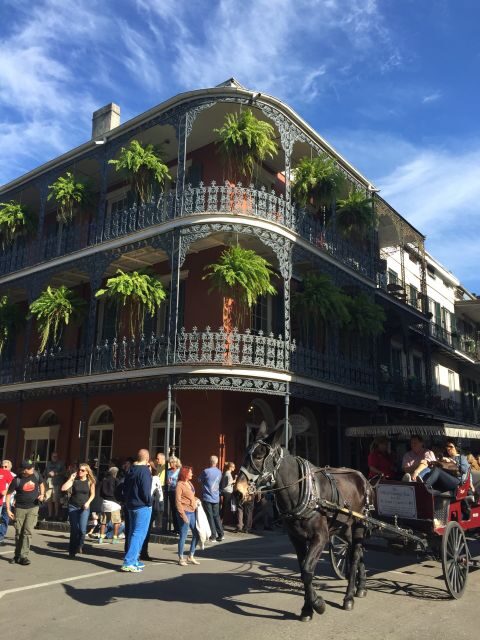
The tour begins with a stop at the French Market. Even if you’re not shopping, it helps you understand what the French Quarter tradition looks like on the ground: food culture, local vendors, and the everyday rhythm that still anchors the area.
From there, you head toward the old U.S. Mint. This part of the route is useful even if you’ve visited New Orleans before. It gives you a “how the city functioned” feeling—who built what, where industry sat, and why the downtown area developed the way it did.
One small practical note: the French Market area can be busy, so give yourself a moment to settle before you rush into photos. The tour includes a quality audio system, which helps you catch the story while you’re looking around, instead of staring at the guide’s mouth.
If you’re hoping to spend most of your time inside the French Quarter on foot, temper expectations. This is a guided drive-and-walk mix. You’ll see plenty of key views, but you’re also moving along as the day unfolds.
Esplanade Ave mansions: imagining life 100 years ago
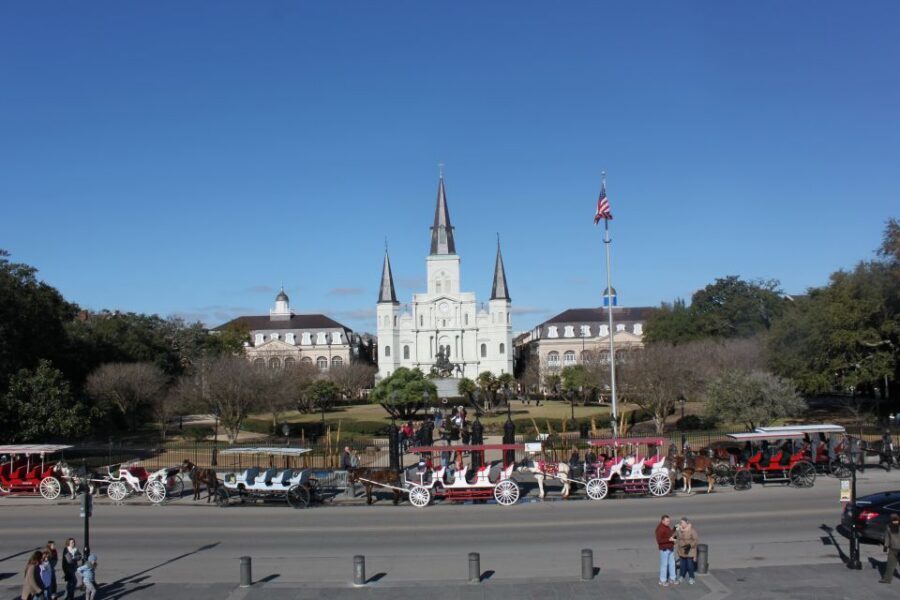
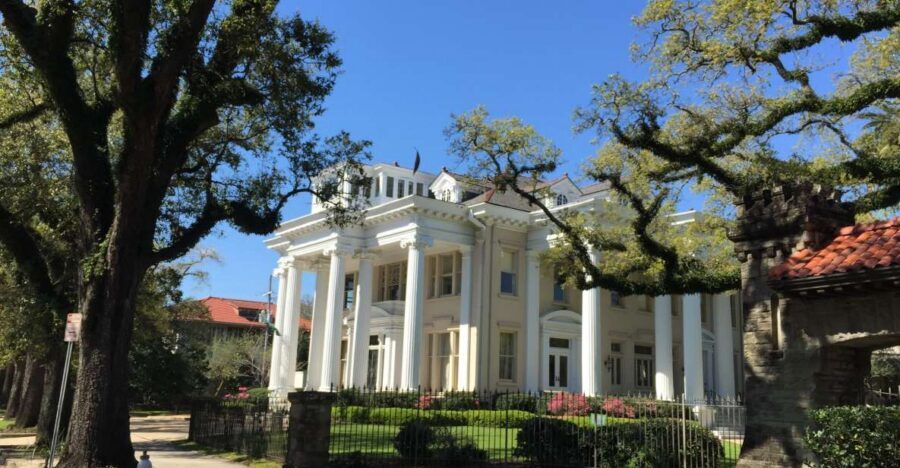
The next big chapter is the drive-and-walk around the stately mansions on Esplanade Ave. This is the part where you start to feel the city’s social geography—how neighborhoods and street elegance created a visible map of status and ambition.
You get narration while riding, plus guided time to follow along the mansions. It’s a great angle for first-timers who want more than “pretty houses” and for return visitors who are ready to understand why these streets feel the way they do.
Two things make this stretch especially useful:
- You’re seeing a major uptown corridor without needing to research routes on your own.
- The guide frames what you’re seeing with lived-in context, so the houses feel like homes (and not just architecture).
If it’s raining, you’re covered. The tour includes umbrellas—handy in New Orleans when showers show up like they’re on a schedule.
St. Louis Cemetery #3: above-ground graves and what to notice
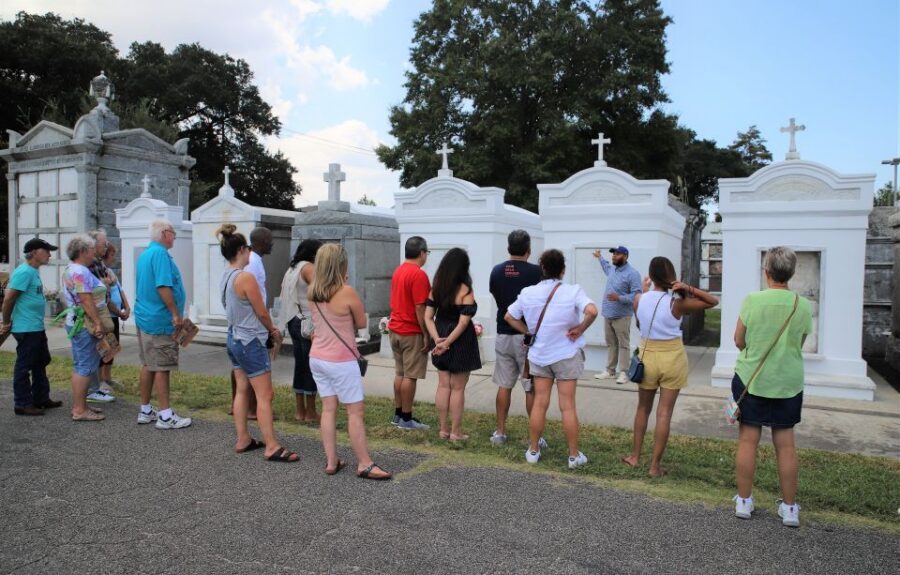
You’ll walk through St. Louis Cemetery #3, and this stop is one of the most distinctive experiences in the city. New Orleans cemetery design is unusual: graves are above ground because of how the city sits below sea level.
That design choice isn’t just a quirky fact. It changes everything about the place you’re standing in—how you read the space, how families plan for long timelines, and why the cemetery feels like a city within the city.
You also get guided attention to notable residents. Even if you don’t know names going in, you’ll leave understanding why some people became part of the cemetery’s legacy and why the monuments matter.
Practical tips for this stop:
- Wear shoes you can walk in comfortably; you’ll be on foot for this portion.
- Take a moment before photos to look up and around. The architecture and placement of memorials are what make the cemetery click.
- Expect a respectful, steady pace. This isn’t a quick roadside photo stop.
Bayou St. John to City Park: live oaks, old homes, and calm shade
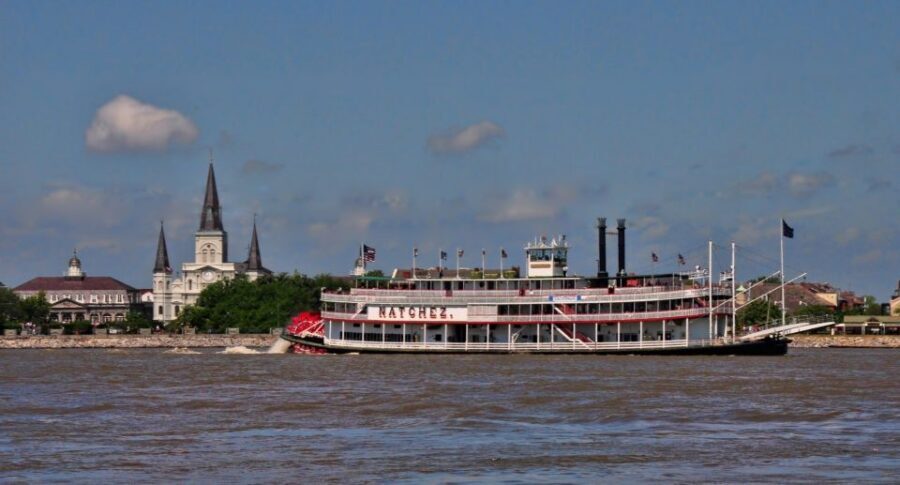
After the cemetery, the tour shifts from graveyard hush to calmer water-side streets along Bayou St. John. You’ll view houses that date back to the late 1700s. Even from the road, it’s a striking reminder that New Orleans history did not start at the edge of the French Quarter.
From there, you head into City Park. This is where you start getting the green “breathing room” side of New Orleans: centuries-old live oaks, water features, and long, shaded paths. You’ll also spot the antique carousel—small, but memorable because it signals how City Park works as a place for both visitors and locals.
The best part is that City Park isn’t treated as an afterthought. It’s structured into the route so you have time to feel the setting rather than only drive past it.
If you come in hot and sweaty, this is also a smart break. Shade and slower walking help you reset your energy before the final stretch of the tour.






Besthoff Sculpture Gardens: the 1-hour stop that makes the tour feel worth it
The tour includes a 1-hour visit to the Besthoff Sculpture Gardens at New Orleans City Park. This is the portion I’d recommend you treat like a mini-experience inside the bigger tour, not like a box to check.
The gardens are described as an 8-acre space with meandering walking paths and water features. You’ll be surrounded by moss-draped live oaks around two lagoons. That combination matters: it’s visually atmospheric, but it also sets a slow walking pace naturally.
What to look for during your hour:
- How the sculptures interact with the paths and water, not just how they look on their own.
- The way light shifts under the oak canopy. It changes the feel of the sculptures as you move.
- Small pauses at vantage points near the lagoons, where you can actually see reflections and the layout.
This stop also helps balance the day. You’ve already had history (French Quarter, mint area, mansions, cemetery). Now you get a more artistic and relaxed side that still feels very New Orleans.
If you like gardens but hate rushing through them, you’ll likely appreciate the dedicated hour.
Lake Pontchartrain and the levee system: seeing why the city thinks about water
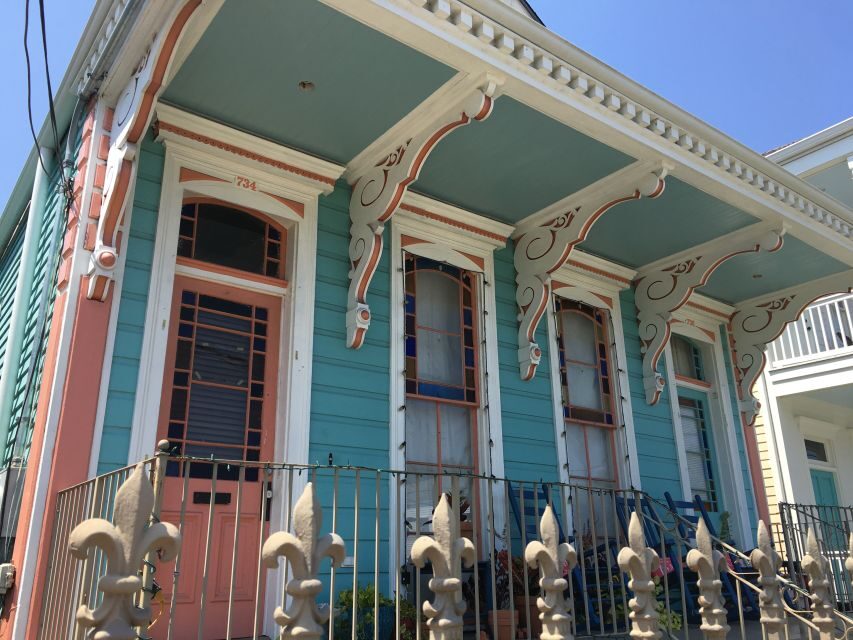
Next comes one of the most practical storytelling segments: the levee system along Lake Pontchartrain. You’ll get an explanation of the levees and see the longest of all causeway bridges.
This isn’t just trivia. It’s a reason New Orleans looks the way it does and why many features of the city are built around water management. You start connecting earlier stops—like the cemetery design above ground—to a bigger city logic.
Even if you don’t remember every detail the guide shares, you’ll understand the big point: the city’s relationship with water shapes daily life and long-term planning.
This also keeps the route interesting for people who don’t just want “old streets.” It’s a change of pace, with a topic you can feel in the city’s design and caution.
Uptown drive: Carrolton, universities, streetcars, and St. Charles Ave
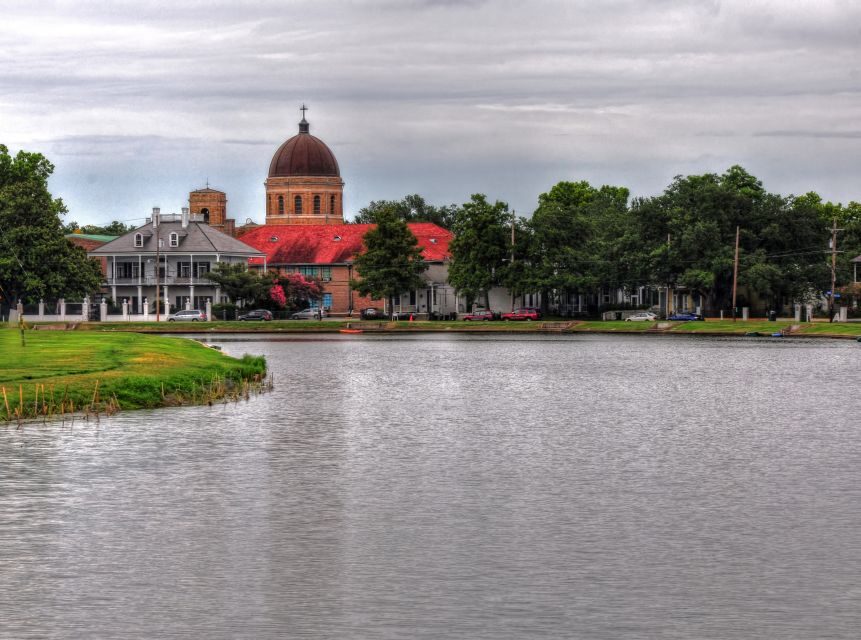
The tour then moves uptown, with stops and views that help you understand how the city’s grand avenues work. You’ll head toward Carrolton and see the Tulane and Loyola universities.
You’ll also encounter the 160-year-old streetcar line. Even if you don’t ride, seeing the line gives you a sense of why streetcars became such a central part of New Orleans transit and urban shape.
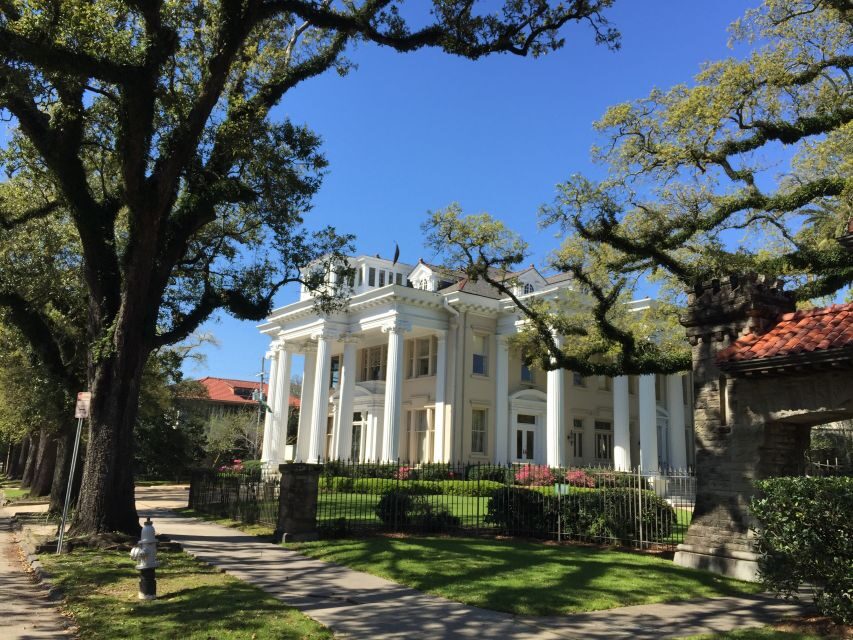
Finally, you’ll look along St. Charles Avenue’s grand colonial mansions. This is where the tour delivers on the “traditional city and estate” promise. The street feels made for slower gazing, and the mansions reinforce how New Orleans developed wealthy corridors and distinct neighborhood identities.
You’ll head back downtown around the Superdome and through the business district, then return to your hotel. That last section is a helpful wrap-up: you get a sense of where these historic streets connect to the city’s current pulse.
Price and value: is $96 for 4 hours a fair deal?

At $96 per person for 4 hours, this tour sits in the “pay for guidance and context” category. You’re not just buying transportation—you’re buying a guided route that links multiple high-interest zones (French Quarter + cemetery + City Park + water/levees + uptown streets) that would take a lot longer to coordinate on your own.
Here’s what pushes the value up:
- Hotel pickup is included, so you don’t spend your best energy figuring out timing and parking.
- The audio system helps you stay engaged even while riding.
- You get a solid walking portion at key places, including the cemetery and the sculpture gardens.
- Umbrellas are included, which saves you from scrambling for rain gear mid-day.
Here’s what can affect value for certain expectations:
- It’s still a guided route with driving time between areas. If you only want constant walking, you might feel like you’re watching streets go by rather than stepping into every moment.
- Food isn’t included. You may want a quick snack plan if your day tends to run long.
Overall, I’d call it good value if you want one guided thread connecting the city’s major scenes without having to build an itinerary yourself.
Who this tour suits best
This tour fits best if you:
- Want to see more than just the French Quarter in one go.
- Like guided context—why things are designed a certain way, not just what they look like.
- Appreciate both history stops (cemetery, mansions) and calmer breaks (City Park gardens).
- Prefer a plan with hotel pickup and a guide who keeps the story moving.
It might be less satisfying if your ideal day is:
- Mostly walking for the full 4 hours with minimal driving.
- Deep focus on just one neighborhood. This is a multi-zone sampler.
Also, note the luggage rule: no luggage or large bags are allowed. If you’re in New Orleans during travel days, plan to travel light for this outing.
Should you book this New Orleans city and estate tour?
I think you should book if you want a structured look at New Orleans that goes past the obvious stops and actually links the city’s design, people, and geography together. The combination of St. Louis Cemetery #3, Esplanade Ave mansions, and a full 1-hour Besthoff Sculpture Gardens visit makes the tour feel balanced instead of rushed.
If you tend to get antsy when you’re in a vehicle, do yourself a favor and go in knowing there will be driving time. Bring good walking shoes for the parts you will cover on foot, and take advantage of the audio system so you stay with the story while the route moves.
FAQ
FAQ
How long is the New Orleans Traditional City and Estate Tour?
It lasts 4 hours.
What does the price include?
The tour includes hotel pick up, a live English guide, umbrellas in case of rain, and a quality audio system.
Is hotel pickup included?
Yes, hotel pickup is included.
Are food and drinks included?
No. Food and beverages are not included, but you can purchase snacks and drinks at gift shops.
What languages are available?
The tour is available in English. French and Spanish-speaking tour guides and escorts are available for an additional cost upon request.
Is luggage allowed?
No. Luggage or large bags are not allowed.
Is the tour refundable?
You can cancel up to 3 days in advance for a full refund. It is non-refundable within 72 hours of departure.
What happens if it rains?
Umbrellas are provided.