REVIEW · NEW ORLEANS
New Orleans: Tombs and Mansions of the Garden District
Book on GetYourGuide →Operated by Junket · Bookable on GetYourGuide
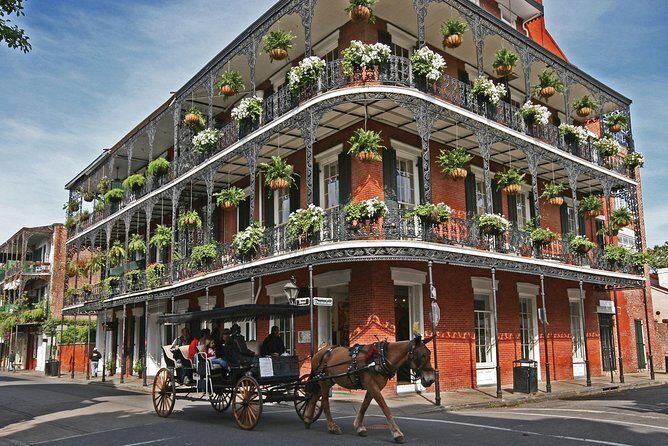
New Orleans turns spooky, then gorgeous. This 2-hour Garden District tour strings together tombs, celebrity mansions, and architecture stories you can actually spot on the sidewalk.
I love how the walk feels like a guided city conversation, not a history lecture. The stops mix famous names with real, local context, so you leave understanding why this neighborhood looks the way it does.
Two things I especially liked: starting at Lafayette Cemetery and learning how the above-ground tombs work, and then heading to Prytania Street for stories tied to Nicolas Cage and New Orleans families.
One consideration: it’s a walking tour, rain or shine, and it’s not recommended if you can’t manage more than a mile on foot.
In This Review
- Key highlights you shouldn’t miss
- Starting at Colonel Short’s Villa in Uptown
- Lafayette Cemetery: above-ground tombs that change your view of the city
- Prytania Street stories: star power meets real neighborhoods
- The swill milk scandal: the “first food safety law” story
- Greek and gothic architecture: what to watch for on your walk
- American Horror Story photos at the Jackson Avenue mansion
- The Merrick-Jones House and its connection to the Manson Murders
- Bonus stop energy: the Eiffel Society Building and the old Eiffel Tower restaurant
- How the 2-hour format really works for you
- Price and value: is $38 worth 2 hours of walking?
- Should you book the Garden District Tombs and Mansions tour?
- FAQ
- How long is the tour?
- Where is the meeting point?
- Is transportation included?
- Does the tour run in bad weather?
- What should I bring?
- Is the tour suitable for people with mobility impairments?
- How much walking is involved?
- What’s not allowed during the tour?
- Is there a cancellation option?
- Is the tour in English?
Key highlights you shouldn’t miss
- Lafayette Cemetery’s above-ground tombs and what makes them different
- Prytania Street celebrity ties, including Nicolas Cage writing blank checks
- The swill milk scandal and how it led to the first U.S. food safety law
- A real American Horror Story filming location tied to Robichaux Academy for Witches
- The Merrick-Jones House connection to the Manson Murders
- Greek and gothic architecture cues you’ll start noticing fast
Starting at Colonel Short’s Villa in Uptown
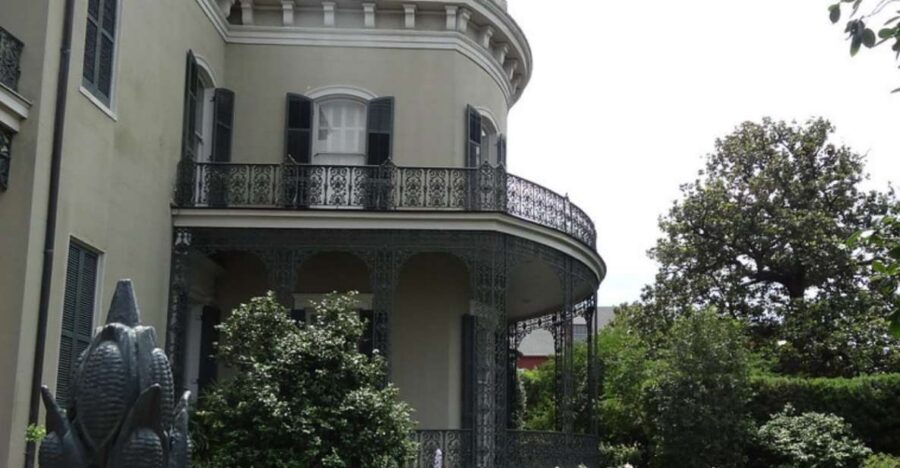
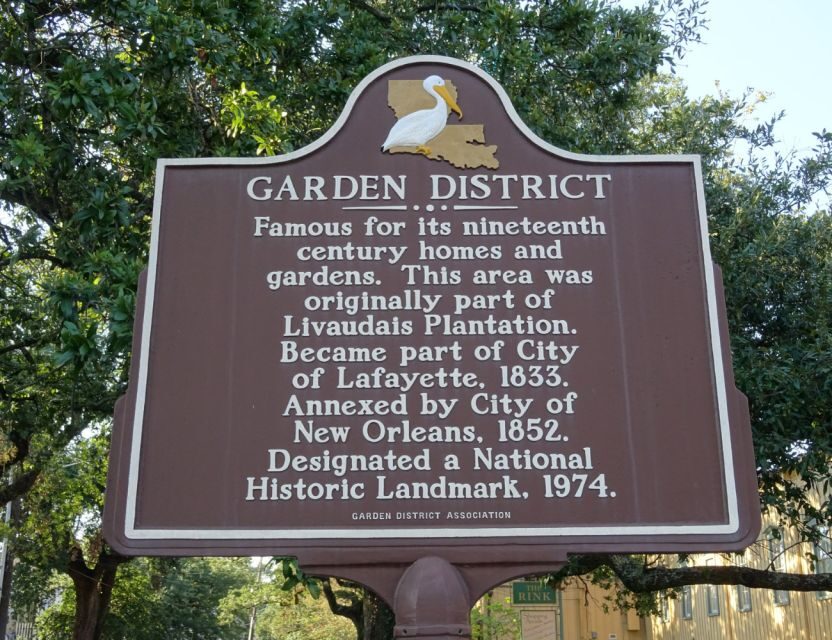
The tour meets at a historical marker for Colonel Short’s Villa, 1448 Fourth Street. It’s a good spot to get oriented right away because you’re already in the Garden District / Uptown zone, where the buildings change from street to street in ways you can feel. Since there’s no transportation included, you’ll want to arrive ready to walk and take a few minutes to check the weather.
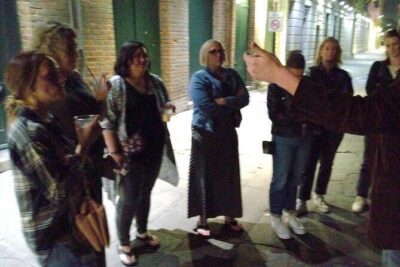
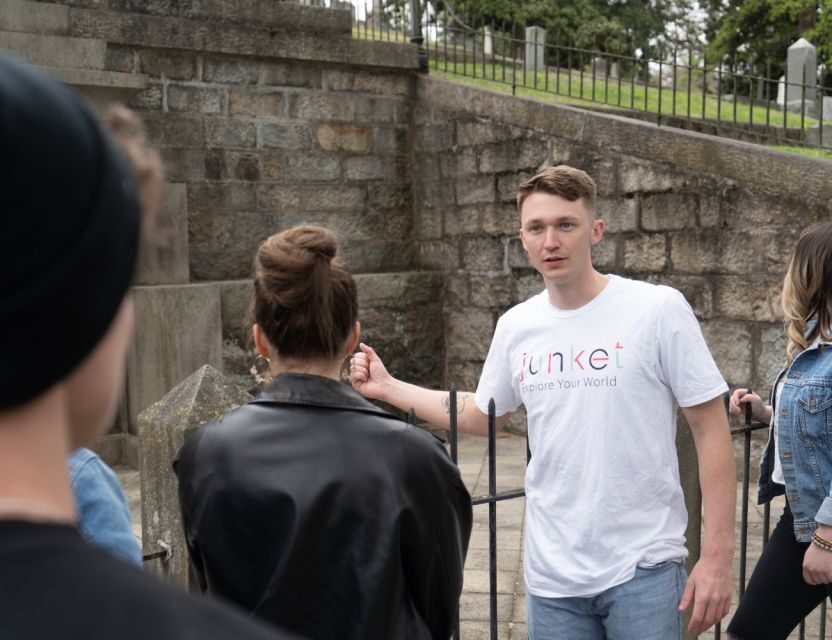
This is also where you’ll meet your live English guide. The experience is built around a local, story-forward approach—think street-level details plus the bigger meaning behind them. In at least one version of the tour, the guide Craig gets singled out for being an engaging, accomplished historian who makes sure the stories attached to specific sites get told well, not just name-dropped.
Practical note: photography is great here, but the rules are clear—no video recording. If you like filming, plan to use photos instead and save your phone for stills when the best façade shots appear.
You can also read our reviews of more tours and experiences in New Orleans.



Lafayette Cemetery: above-ground tombs that change your view of the city

The tour begins at Lafayette Cemetery, and that choice sets the tone: this is where New Orleans’ funeral architecture stops being abstract and becomes real. The cemetery is known for its above-ground tombs, and the guide explains why that approach took hold and how the tomb spaces relate to what you see today.
I like this start because it teaches you how to look. You’re not just taking in spooky vibes. You learn to read the shapes, placement, and design choices as part of a larger story about the city. Even if you’re not usually a cemetery person, the context makes it more understandable and less scary-in-a-movie-way.
A heads-up: because this is a walking tour in a fixed time window, you won’t linger forever at each stop. That’s usually a good thing—two hours keeps the energy up—but it means you should be ready to absorb fast and ask questions if something grabs you.
Prytania Street stories: star power meets real neighborhoods
Next comes Prytania Street, where the tour leans into the idea that the Garden District doesn’t just preserve history—it attracts big personalities too. One of the most memorable stories tied to this area is that Nicolas Cage wrote blank checks to two New Orleans families. It’s the kind of detail that sounds like pop culture trivia until you place it into the neighborhood’s human scale.
What I like about this segment is how it connects modern fame to older roots. You see how celebrity narratives often orbit around tangible places: homes, streets, and the social fabric that formed them. That turns the street walk from scenery into story.
The guide also frames the setting so you understand what you’re looking at. Instead of random facts, you start to notice patterns: where the grandeur sits, how the street edges shape views, and how the architecture reflects the people who built and lived with it.
If you’re the type who loves getting a quick mental map—this part helps you build one fast.
The swill milk scandal: the “first food safety law” story
One of the most surprising stops is the swill milk scandal. This is where the tour stretches beyond architecture and into public health history—specifically, how the situation helped produce the country’s first food safety law.
I appreciate this because it reminds you that New Orleans history isn’t only about cemeteries, mansions, and movie-like streets. It’s also about hard problems, practical changes, and the ways communities responded. The guide’s storytelling here is the kind that makes you think, oh wow, policies start because real people got hurt or sick.
Even in just two hours, this topic gives your brain a reset. One moment you’re looking at façades; the next you’re hearing about regulation and why it mattered. It adds variety and keeps the tour from becoming one long architectural lookbook.
Greek and gothic architecture: what to watch for on your walk
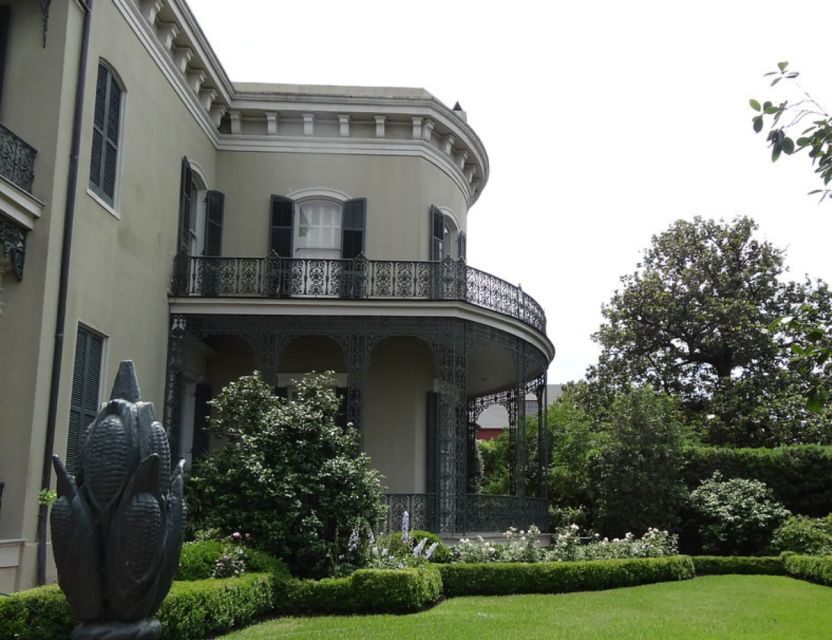
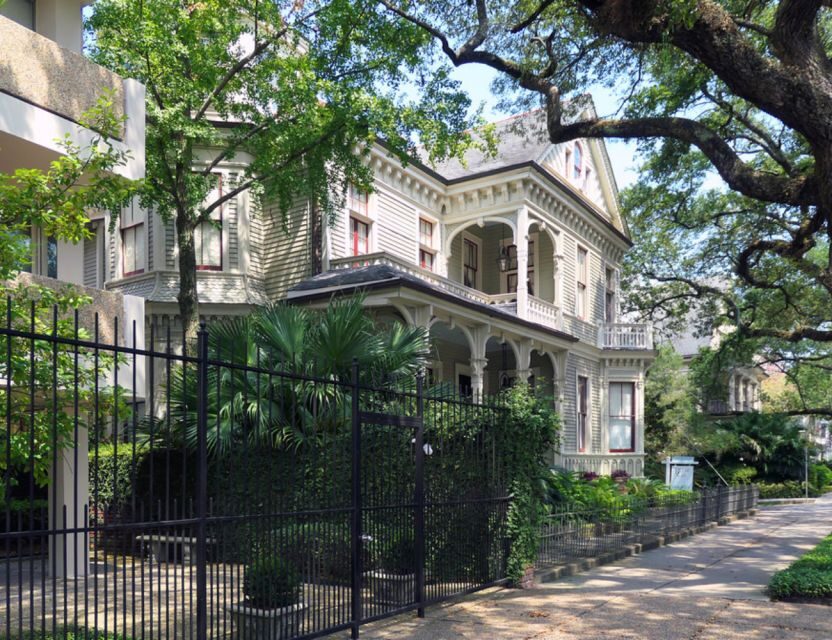
As you move through the neighborhood, you’ll talk about different architectural styles, including Greek and gothic elements. This isn’t just terminology. The guide points you toward visual cues so you can make sense of what’s in front of you without needing an architecture degree.
Greek style often shows up as strong, orderly shapes—think symmetry and classical influences. Gothic style tends to bring in darker, more dramatic lines and details. The magic trick here is learning to spot what signals the style at a glance, then linking that look to the era and the ambitions of the builders.
I love this segment because it trains your eye for the rest of your trip. After you learn what to look for on this walk, the Garden District becomes easier to explore on your own later. You’ll recognize the language of the buildings, even when the specific story behind each house isn’t spelled out.
One caution: if it’s hot, you’ll want to pace yourself. Architecture tours can make people speed up just to “see it all.” Take a breath. Stop when you want a clean shot or a better look at one façade detail.




American Horror Story photos at the Jackson Avenue mansion
One of the headline moments is seeing a real filming location used as American Horror Story’s Robichaux Academy for Witches. The tour points you to the Jackson Avenue mansion tied to that production, making it a fun crossover for TV fans who also like authentic place-based travel.
This is where photography tends to take over. The guide gives you enough context so you’re not just taking a picture for a fandom moment—you understand why the building works on screen and what makes it part of the neighborhood’s built character.
If you care about movie locations, this stop is a satisfying payoff. If you don’t, it still works because the guide connects the building back to architecture and the area’s story. Either way, you get that “oh, it’s real” feeling that’s hard to fake.
Remember: no video recording. If you want to recreate a still frame from the show, take photos instead and focus on angles that match your memory.
The Merrick-Jones House and its connection to the Manson Murders
The tour also promises a fascinating connection involving the Merrick-Jones House and the Manson Murders. This is the kind of topic that draws people in because it’s tense, famous, and tied to a larger national story.
What makes it valuable on a guided walk is the framing. Instead of treating the house like a horror prop, the guide ties the connection to place. You get to see the building as a building, then understand why it matters historically and culturally.
I like that the tour includes both sides of New Orleans fascination: part of it is genuinely local and architectural, and part of it connects to broader American mythology. When both are handled thoughtfully, the result feels more meaningful than “just another creepy stop.”
Bonus stop energy: the Eiffel Society Building and the old Eiffel Tower restaurant
There’s time for bonus stops, and one you’ll likely enjoy is the Eiffel Society Building. The guide also shares the detail that a restaurant once sat on top of the Eiffel Tower, adding a layer of weird-and-wonderful New Orleans history to the walk.
This kind of stop is why I find shorter guided tours so useful. You get a few “signature stories” that are memorable on their own, but also show you what kind of neighborhood details you’d miss if you only relied on guidebooks.
The Eiffel connection also helps shift the vibe from heavy to playful. One minute you’re dealing with cemeteries and scandals; the next you’re hearing about a building and a restaurant story that feels almost too strange to be true. It keeps the tour from becoming grim.
How the 2-hour format really works for you

This is a 2-hour walking tour, and that duration matters. Two hours is long enough to hit several meaningful sites, but short enough that you won’t feel lost. You’ll cover a good chunk of the Garden District world—tombs, celebrity-linked streets, architecture styles, and at least one major pop-culture filming location.
It runs rain or shine, so plan for weather that might force you to slow down. Comfortable shoes are non-negotiable. If you’re wearing anything that pinches, you’ll regret it before the halfway point.
The tour is not recommended if you cannot walk more than a mile. Also, it’s not suitable for people with mobility impairments. If your mobility is limited but you can still move steadily, you might consider whether this “mile-plus” requirement is realistic for you on uneven sidewalks.
Group size can be flexible. In one booking, the group ended up effectively private when there were only two participants, and the guide was accommodating. So if you’re hoping for more interaction, it can be worth checking availability and aiming for time slots that aren’t the busiest.
One more practical perk: there’s mention of an express security check with skip-the-line access. Since transportation isn’t included, you’ll likely be arriving on foot, rideshare, or transit, and this helps keep the start from dragging.
Price and value: is $38 worth 2 hours of walking?
At $38 per person for a 2-hour guided walk, you’re paying for three things: a local guide, condensed storytelling, and an organized route that saves you research time. If you tried to piece this together on your own, you’d spend time deciding what’s worth your attention and then digging for the right context on each site.
In other words, the value comes from interpretation. Architecture and cemetery stops can feel like postcard viewing unless someone gives you the language to read them. Here, the guide helps connect details—like above-ground tomb design, swill milk history, and specific houses—into a coherent walk.
It’s also a good value for people who want memorable moments without a full day. You get serious history topics plus modern pop-culture payoffs like the American Horror Story filming location, all without needing to commit to a long excursion.
If you’re picky about tours, focus on your preferences: if you like architecture, true local stories, and a guided explanation at street level, you’ll probably feel the $38 is money well spent. If you mostly want to lounge and wander without structure, the pace may feel a bit tight.
Should you book the Garden District Tombs and Mansions tour?
Book it if you want a practical, story-led walk through one of New Orleans’ most visually distinctive neighborhoods—and you’d like your photos, architecture spotting, and history to be connected by a real guide. The combination of Lafayette Cemetery, Prytania Street stories tied to Nicolas Cage, the swill milk scandal, and the American Horror Story filming stop gives you variety in only two hours.
Skip it if you can’t handle more than about a mile of walking, if mobility issues make sidewalk walking difficult, or if you’re looking for a longer, slower “take your time” tour. Also, if you strongly prefer self-guided wandering, you might not use the guide’s routing value as well.
FAQ
How long is the tour?
The tour is 2 hours.
Where is the meeting point?
Meet your guide in front of the historical marker for Colonel Short’s Villa, at 1448 Fourth Street, New Orleans.
Is transportation included?
No. Transportation is not included.
Does the tour run in bad weather?
Yes, the tour takes place rain or shine.
What should I bring?
Bring comfortable shoes and weather-appropriate clothing.
Is the tour suitable for people with mobility impairments?
No, it is not suitable for people with mobility impairments.
How much walking is involved?
It is not recommended for people who cannot walk more than a mile.
What’s not allowed during the tour?
Smoking, alcohol, drugs, and video recording are not allowed.
Is there a cancellation option?
Yes. You can cancel up to 24 hours in advance for a full refund.
Is the tour in English?
The live tour guide provides the tour in English.