REVIEW · NEW ORLEANS
N’awlins Luxury: Whitney Plantation Tour with Transportation
Book on Viator →Operated by Nawlins Luxury Tours · Bookable on Viator
A plantation tour with no soft edges. This small-group ride takes you out from New Orleans to Whitney Plantation, where you get admission included and then move through the site at your own pace with a 75-minute audio walking tour. I like the convenience of hotel pickup and drop-off, especially when you’re also dealing with morning timing and roads outside the city. One thing to consider: once you arrive, the experience is largely self-guided rather than a live historian walking you through every room.
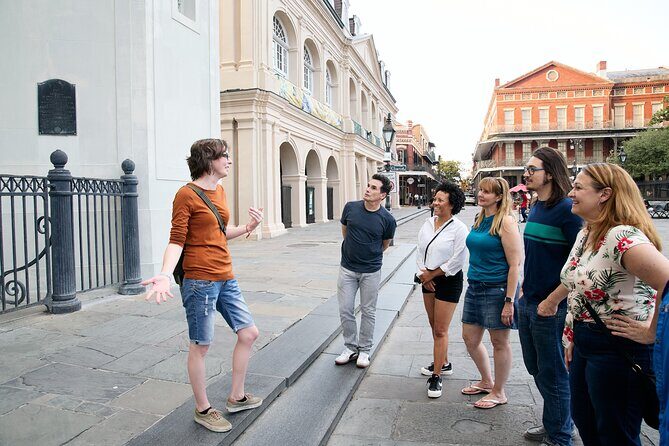
The drive part matters more than you’d think. On the way out, your driver gives route and area context, including what you’re passing along Great River Road. If you’re lucky, you’ll get a guide like Edward, described as entertaining, or Dionne, who added real context along the route.
Plan for a serious visit. Whitney focuses on enslaved people who built and worked the plantation, and it uses memorial artwork plus first-person slave narratives. You’ll also do a moderate amount of walking, and the tour operates in weather, so dress for what the day gives you.
In This Review
- Key Takeaways Before You Go
- Why Whitney Plantation Works Better by Van
- The Door-to-Door Drive and Great River Road Context
- Whitney Plantation at a Glance: Creole Buildings and Memorial Space
- The 75-Minute Audio Walk: Pace the Hard Parts
- Time, Walking, and What to Bring on a Weather-Minded Day
- Price and Value: What $80 Actually Covers
- Who This Tour Fits Best (and Who Might Prefer Another Plan)
- Should You Book This Whitney Plantation Tour?
Key Takeaways Before You Go
- Door-to-door transport: Hotel pickup and drop-off make the long drive feel easy.
- Admission included: You don’t have to budget extra just to get into Whitney Plantation.
- Audio-led pace: A 75-minute self-guided walk lets you stop, read, and absorb.
- Small group size: With a max of 26 people, it’s easier to stay together and keep timing tight.
- A purposeful focus: Whitney centers enslaved people’s lived experience, not plantation owners’ perspectives.
- It’s a morning commitment: Expect about 5 hours 30 minutes total, including time on-site.
Why Whitney Plantation Works Better by Van

Whitney Plantation is the kind of place that benefits from getting out of New Orleans quickly and then slowing down once you’re there. This tour gives you both. You get the straight-shot transportation out of town, then you’re not rushed through exhibits by a large bus crowd.
The site is built around hard truths. Whitney includes restored structures created by enslaved labor and uses exhibits and memorial artwork meant to give enslaved people voice and respect. You’re also walking through real plantation buildings tied to daily work life, not just looking at a few isolated plaques.
I also like that the experience is designed to be personal without being overly precious. You’ll be in control of your pace during the audio walk. If a story hits, you can sit with it a moment. If you want to scan and keep moving, you can do that too.
This isn’t a stop-for-photos-and-coffee type of tour. It’s more like a focused, thought-forward morning.
You can also read our reviews of more tours and experiences in New Orleans



The Door-to-Door Drive and Great River Road Context
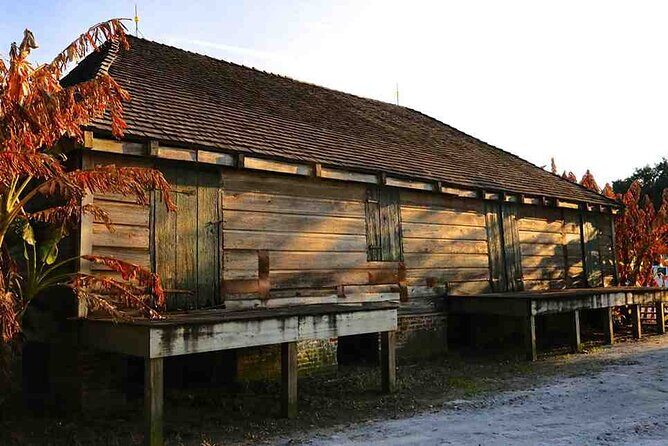
The tour starts with hotel pickup, which is a big deal in New Orleans. Parking and drop-off logistics can eat up time, and public transit to the plantation area is not the point of this day. Instead, you ride out with a driver/guide who helps you get oriented fast.
Expect about an hour of driving each way. Along the route, you’ll pass the kind of impressive homes and plantation-era landscapes that Great River Road is known for. The driver commentary is practical—helpful context so you can understand what you’re seeing and how it fits into the broader plantation story.
In the reviews, the driving commentary is one of the most praised parts. People mention drivers who were fun and informative, and not just silent shuttle operators. Still, here’s the balanced note: the level of on-board interpretation can vary by driver. Some people felt their van ride leaned more toward general transport than a detailed talk.
So if you want the most interpretation, keep your expectations flexible. The main value is the Whitney experience itself once you’re on-site.
Whitney Plantation at a Glance: Creole Buildings and Memorial Space
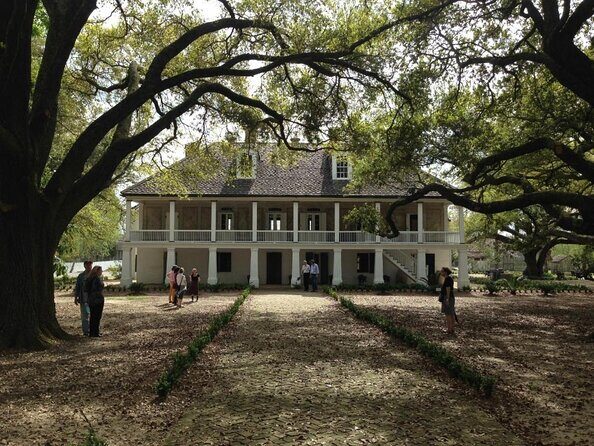
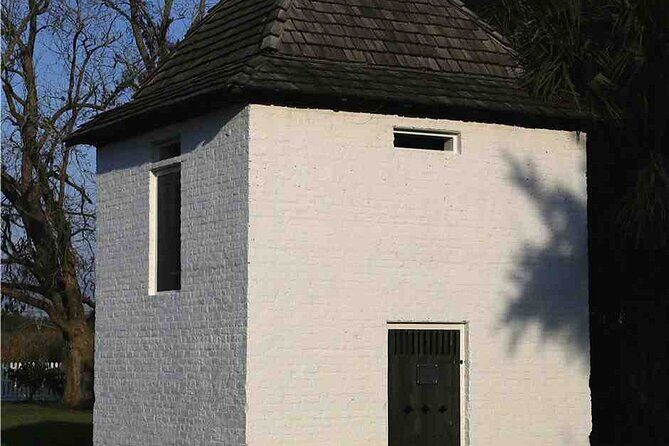
Once you arrive, the site itself does the heavy lifting. Whitney Plantation is on the National Register of Historic Places, and the physical structures are part of the message. You’ll see major features including the last surviving example of a true French Creole barn, what’s believed to be the oldest detached kitchen in Louisiana, and the Big House, described as an early and well-preserved raised Creole cottage in the state.
What makes this special is not the architecture alone. Those original structures were built by enslaved people, and the buildings sit with the sense of place created by a working sugar cane field setting. That combination can make the history feel less like a chapter in a textbook and more like lived reality.
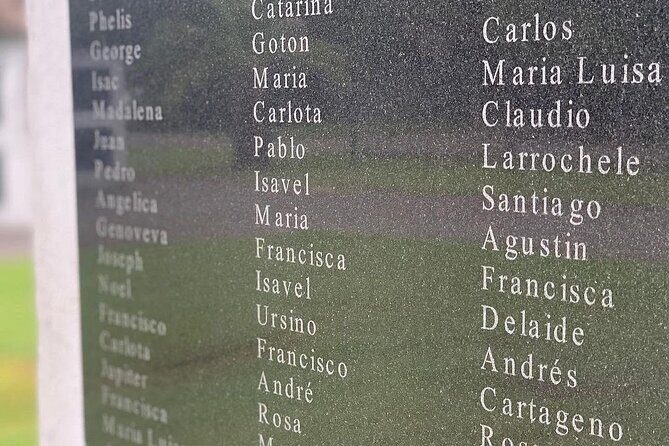
Whitney also uses museum exhibits, memorial artwork, and thousands of first-person slave narratives. The emphasis is on the people who lived, worked, and died there—presented with dignity rather than sanitized nostalgia.
You’re likely to leave with the kind of awareness that doesn’t fade after a photo. Even people who already know some plantation history often come away with new details, including references to events like the slave revolt.
The 75-Minute Audio Walk: Pace the Hard Parts

Your time at Whitney is about 2 hours 15 minutes, and a key component is the 75-minute self-guided audio walking tour. That means you’re not locked into a strict group script while you’re standing in front of the site’s most emotional sections.
For many visitors, that’s exactly the right approach. The audio tour helps you connect the buildings and memorial spaces to the larger story of enslaved life—especially when you want to read the text slowly. Several people specifically praised how the audio experience lets you go at your own pace, which matters a lot at a site like this.
Here’s the practical way to use that time. Start with a calm pace. Let the audio guide you through the main stops, then give yourself a few extra moments at the sections that you can’t skim. The audio is there to support understanding, but your attention is what turns a visit into something memorable.
A potential downside: if you’re hoping for a live guide-style explanation for every exhibit, this tour won’t fully match that expectation. The structure here is transportation plus audio-led self-navigation.
If you like to learn by reading and listening rather than by hearing facts out loud, you’ll probably love this format.
Time, Walking, and What to Bring on a Weather-Minded Day
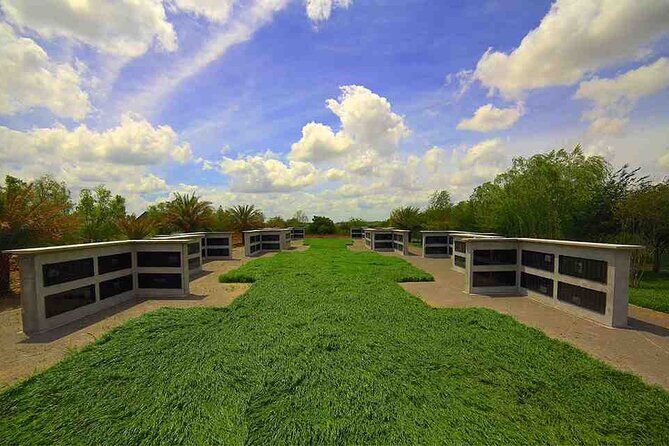
This tour runs about 5 hours 30 minutes total. That includes the drive time plus your on-site visit. The walking is described as moderate, so think of it as a fair amount of time on your feet, not a light stroll.
Also note how the tour handles weather. It operates in all weather conditions, and you’ll want to dress accordingly. That’s a helpful reminder: you may be outside more than you expect depending on where the audio stops take you.
What to bring is simple and doable:
- Comfortable walking shoes
- A layer for sun or breeze
- Rain protection if the forecast looks iffy
- Water, since food and drinks are not included
One more timing tip: because the day is about history and reflection, I’d treat it like a slow-morning appointment. Eat beforehand so the lack of food on the tour isn’t a stress point halfway through.






Price and Value: What $80 Actually Covers
At $80 per person, this package isn’t trying to be cheap. It is trying to be convenient and complete. What you get is the combination that usually costs more if you buy pieces separately.
Here’s the value logic:
- You pay for hotel pickup and drop-off, which removes the toughest logistics.
- Whitney admission is included, so you’re not adding a separate entry fee.
- The 75-minute audio walking tour is included, so you’re not relying on your own guessing once you arrive.
- A driver/guide handles the transport and keeps the day moving.
Food and drinks are not included, so you’ll want to plan a meal before you leave or after you return. But in exchange, the tour is focused: you’re buying time, access, and a guided-with-aids experience.
Compared with a do-it-yourself plan, this can be a stronger value if you don’t want to manage timing, parking, and navigation. Compared with some larger tours, it also benefits from a small-group feel, with a max size of 26 people.
And one more detail: the driver commentary on the way out is one of the most praised parts in the feedback. When that’s good, it makes the drive feel like part of the learning, not just dead time.
Who This Tour Fits Best (and Who Might Prefer Another Plan)
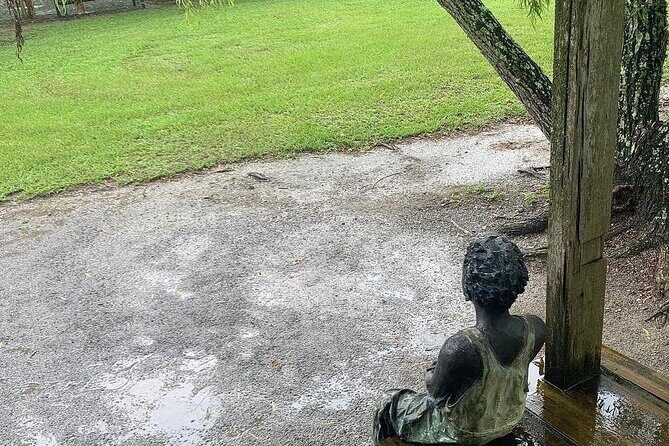
This tour fits best if you want a serious plantation visit with thoughtful structure. You’ll likely enjoy it if you:
- Prefer a small-group experience over a big bus
- Like the idea of a self-guided audio tour so you can pause and read at your own speed
- Want transportation handled for you out to Whitney
It may feel less ideal if you:
- Expect a live, in-depth talk through the exhibits the entire time on-site
- Are hoping for lots of time at the site beyond the roughly 2 hours 15 minutes
- Want a tour that includes a meal as part of the package
Also, this is the kind of content that lands differently for different people. If you need a lighter day after absorbing heavy material, you might want to pair it with something quieter later in the trip rather than stacking it with intense activities.
In terms of mood, go in prepared for a site that doesn’t sugarcoat slavery. That’s not a criticism—it’s the point.
Should You Book This Whitney Plantation Tour?
If you’re visiting New Orleans and you care about understanding plantation history from the perspective of enslaved people, I think this is a strong booking. The combination of admission included, hotel pickup/drop-off, and the audio-led walk makes it efficient without feeling rushed.
I’d especially consider booking if you want to avoid the hassle of getting out to the plantation area on your own. The tour’s average booking window is about 18 days in advance, which suggests it can fill up—so don’t treat this like a last-minute impulse.
The main decision check is format. If you’re good with self-guided learning supported by audio, you’re in the right place. If you need a fully live guided walkthrough once you arrive, you may feel like you wanted more interpretation on-site.
If you want a morning that challenges your assumptions and gives you a respectful, grounded experience, book it—and plan to bring comfortable shoes and a calm mindset.