REVIEW · NEW ORLEANS
New Orleans: 2-Hour Sinister Criminal Intentions Murder Tour
Book on GetYourGuide →Operated by Unique NOLA · Bookable on GetYourGuide
New Orleans has a dark side on foot. In a 2-hour walk through the French Quarter, you’ll hear grisly cases tied to the city’s most notorious murders, and you’ll stand in front of the buildings where the stories unfolded.
I really like the small-group feel (max 15), which keeps the mood from getting lost in the crowd. I also like that the tour homes in on landmark names and cases, including the story around Madame LaLaurie and the unsettling tale tied to Katrina Cannibal. Guides such as Randy, Sean, and Jess are often praised for keeping the stories clear and interactive.
One thing to consider: this is mature content for 16 and over, and it’s a rain-or-shine walking tour, so come prepared for a heavier, sometimes graphic hour-and-a-half.
In This Review
- Key highlights to look for
- A 2-Hour French Quarter Walk With Murders in the Foreground
- What the Tour Covers, From Early Crimes to Modern-Day Echoes
- Your First Steps: The Meeting Point and How You’ll Get Oriented
- Stop-by-Stop Style: How the French Quarter Becomes the Crime Scene
- Madame LaLaurie: Why This Socialite Story Still Draws a Crowd
- Katrina Cannibal: The Unsettling Tale and the Why Behind It
- True Crime Storytelling: The Guide Is the Difference
- Price and Value: Is $37 Worth It?
- Practical Tips So You Don’t Hate the Experience
- Who Should Book This Tour (and Who Might Pass)
- Should You Book This 2-Hour Sinister Criminal Intentions Tour?
- FAQ
- How long is the New Orleans murder tour?
- Where do I meet the guide?
- Is the tour in English?
- What is the minimum age to join?
- How large is the tour group?
- Does the tour run in bad weather?
- Is the content appropriate for all ages?
- Can I get a refund if my plans change?
- Is there a pay-later option?
Key highlights to look for
- French Quarter streets, crime-linked stops: You’ll walk block by block and see the buildings tied to the cases.
- LaLaurie story with fact-vs-myth framing: You’ll hear the version that aims to separate reality from rumor.
- The Katrina Cannibal case, murder and suicide: The tour covers the full, disturbing arc.
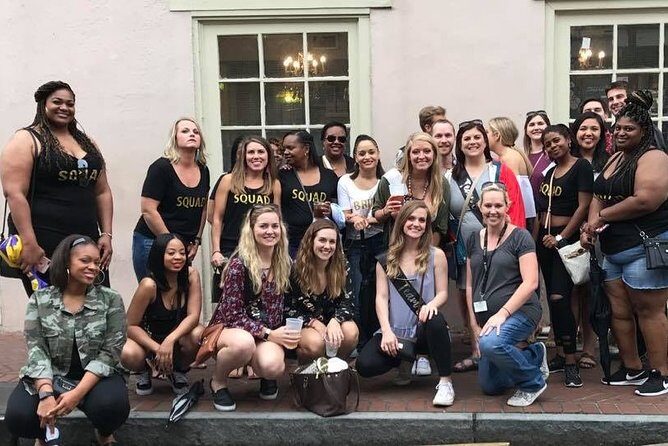
- Max 15 people: Small groups help you hear the guide and ask questions.
- English live guide: You’ll get a real human storyteller leading the pace.
- Designed as a focused 2-hour experience: Enough time to connect the timeline without dragging on.
A 2-Hour French Quarter Walk With Murders in the Foreground
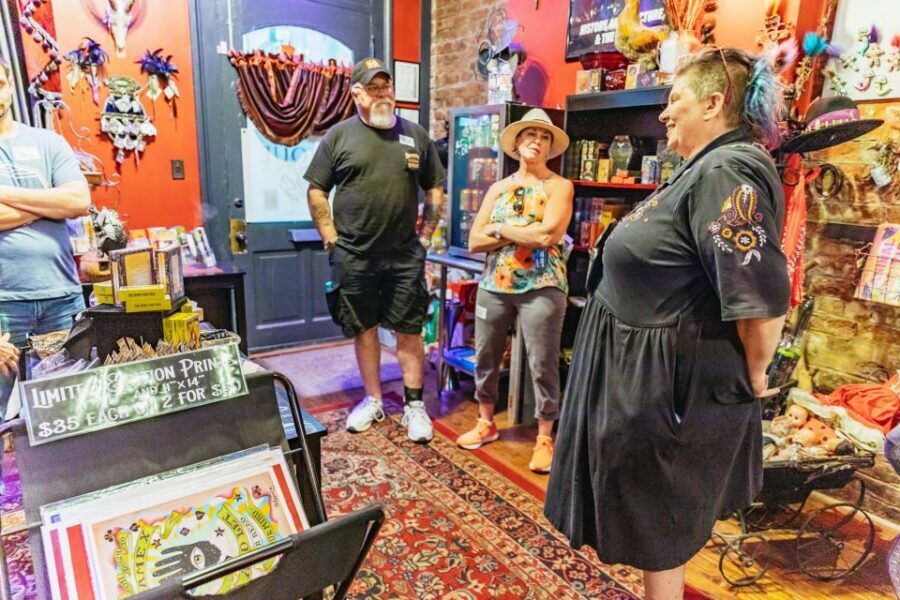
New Orleans is known for music, balconies, and late-night doughnuts. But it also has a darker pulse that shows up in old neighborhoods and old walls. This tour leans hard into that side—built for people who like true crime, but also for anyone curious how a city’s reputation gets shaped.
In two hours, you’re not doing a huge, complicated route. You’re doing something more effective: a guided walk through the French Quarter where the guide ties stories to street corners and historic buildings. The goal isn’t just fear. It’s context—how these crimes fit into the city’s social mess, then and now.
You’ll start with an overview of why the city attracted trouble in the first place. The tour points to the early period when France’s settlements included people described as the worst of prisons and poorhouses. It’s not an abstract history lesson. It’s the setup for why the streets you’re walking have always carried a second, grim narrative alongside the charm.
You can also read our reviews of more tours and experiences in New Orleans

What the Tour Covers, From Early Crimes to Modern-Day Echoes
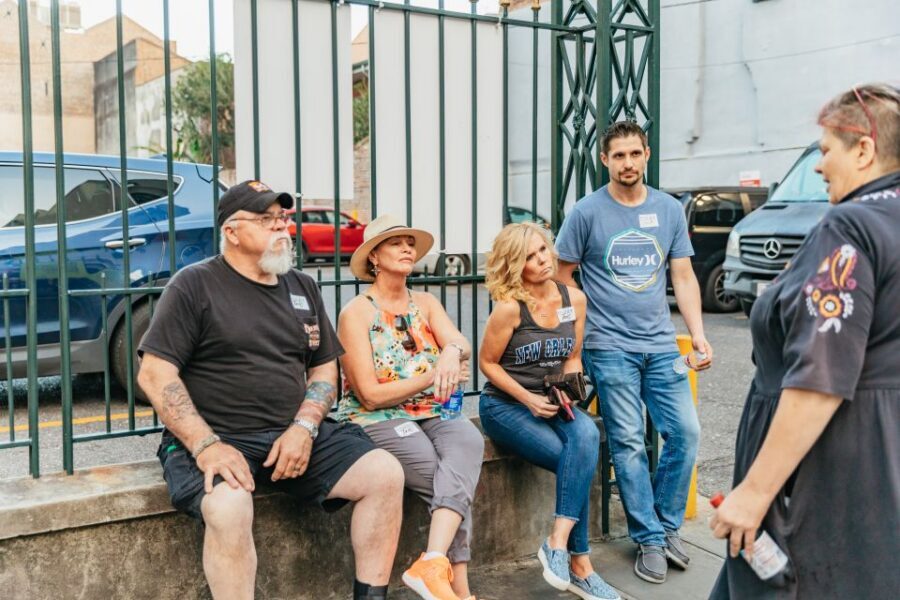
This is a murder tour that spans a long timeline. You’ll hear cases that stretch from the early 1800s up through more recent times, all connected to places in the French Quarter. That wide span matters because it shows a pattern: the city changes, but certain human behaviors keep repeating in different disguises.
As you walk, the guide frames each story the same way: what happened, who was involved, what the aftermath looked like, and why the case stuck in local memory. If you like a beginning-to-end narrative, this format is built for you. A few guides—like Randy and Sean—are praised for telling the crime story all the way through, not just stopping at the shocking moment.
You’ll also hear more than one layer of meaning. The tour doesn’t treat these murders like isolated events floating in time. It links them to social conditions, power, and the uncomfortable question of how people can rationalize harm.
And yes, the subject matter is intense. The content is labeled for 16 and over, and the stories are meant to be stomach-turning. If you’re hoping for ghost stories that feel campy or light, you may find this takes the darker route on purpose.
Your First Steps: The Meeting Point and How You’ll Get Oriented
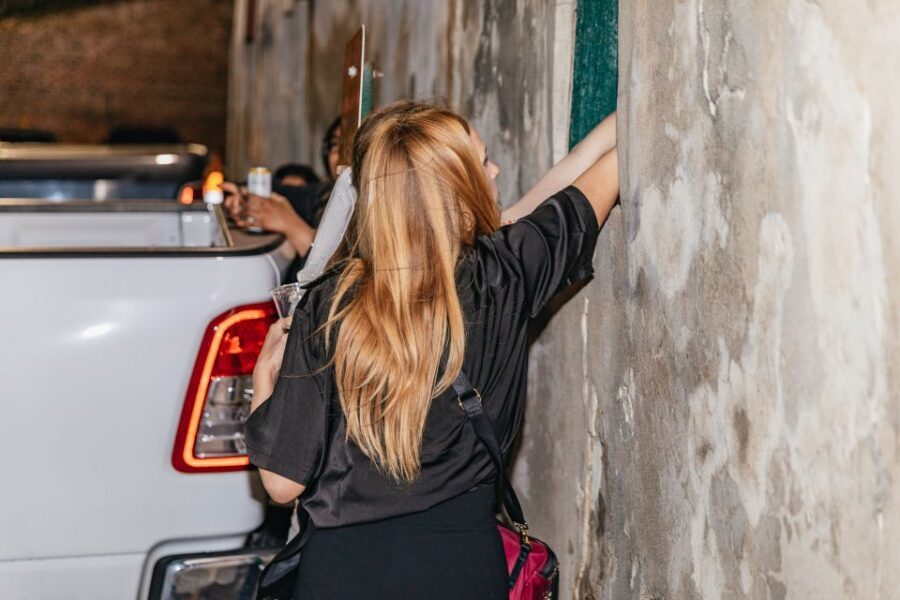
You meet inside the Unique NOLA Tours shop. That matters because it’s a real start point, not a mystery corner where everyone hopes the group forms correctly. Expect a quick introduction, then you’ll head out into the French Quarter on foot.
This is a walking tour, so your comfort affects your experience. Wear shoes you trust for uneven sidewalks and lots of stopping. The best version of this tour is the one where you can keep your footing and stay focused on the guide’s words—not on your sore ankles.
Because the tour is only two hours, the pace is intentionally tight. You won’t be wandering for long stretches without context. Instead, you move from one case-linked stop to the next, with the guide connecting each one to what you saw a few minutes ago.
Stop-by-Stop Style: How the French Quarter Becomes the Crime Scene
You won’t be visiting a single museum room. You’ll be outside, standing near buildings that are still there if they survived. That’s a big part of the power of the tour: you’re not imagining where it happened. You’re looking at the kind of structure where a crime could have happened and thinking about how everyday life used to work around it.
The tour is built around seeing and listening together:
- You’ll pass locations in the French Quarter tied to violent acts.
- The guide will explain what happened in that specific setting.
- If a building still stands, you’ll learn what it was used for and why the story attached to it still lingers.
One practical plus: small group size helps the guide keep names and details clear. It’s easier to follow a timeline when you’re not drowned out by a crowd.
A possible drawback is also practical. Because it’s outside and rain or shine, you’ll want a backup plan for wet weather—something quick-drying, and a jacket you can actually move in. This is one of those tours where weather doesn’t pause the story.
Madame LaLaurie: Why This Socialite Story Still Draws a Crowd
The Madame LaLaurie case sits at the center of the tour’s marketing for a reason. It’s a name people recognize, but the tour doesn’t treat recognition as the finish line. You’ll be told the story with an emphasis on the truth—aimed at separating the legend from the reality.
What I like about including LaLaurie is that it shows how horror can be tied to status. You’re not just hearing about violence. You’re hearing about social power—how a person’s position can distort who gets believed, who gets ignored, and what kind of cruelty can hide behind manners.
The guide also connects the case to the broader “seedy side” of the city’s origins. That link helps the story make more sense. New Orleans didn’t just produce famous criminals by accident. It produced them inside a system—economic strain, shifting laws, and communities that could turn a blind eye when it benefited someone.
If you’re the type who likes a case to come with interpretation, not just shock, LaLaurie is where the tour earns its keep.






Katrina Cannibal: The Unsettling Tale and the Why Behind It
The tour’s other headline story is the one linked to Katrina Cannibal. The guide tells the story of the case, including the murder and suicide portion of the arc. Even if you’ve heard the name before, you’ll get the broader timeline and how it was understood in its moment.
This is the kind of story that can feel disturbing even before you get the details, because the title alone is designed to stick in your head. The value of the tour is that it doesn’t leave you with just a label. It gives you structure: what happened, what led to it, and how the case ended.
What you take from it may depend on your sensibilities. Some people leave thinking about how desperation and violence can collide. Others focus on how rumor, media, and fear helped shape a lasting “brand” for a case. Either way, the walk outside adds a strange extra layer—standing in real streets while the guide talks through a nightmare that doesn’t feel like it belongs to the past.
Because this is a mature-content tour, you should expect no softening. Come with the mindset that you’re here to understand the darker side of the city’s story, not to be protected from it.
True Crime Storytelling: The Guide Is the Difference
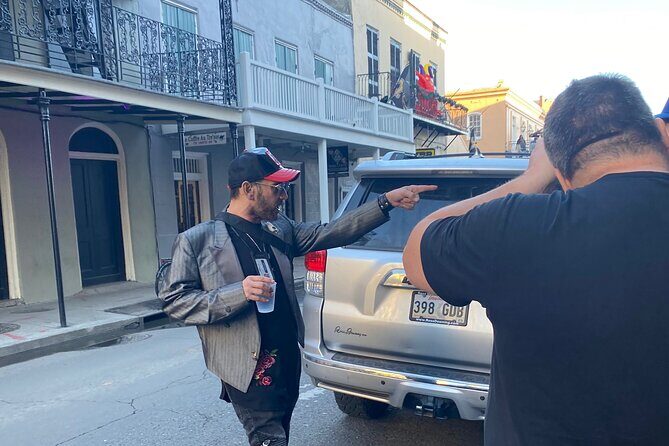
The tour lives or dies by its guide, and the feedback here is strong on that point. A lot of names come up in positive notes—Randy, Sean, Jess, Monique, David, Therese, and others. The common thread isn’t just that they know facts. It’s that they tell the story like they’re leading you through the streets, not reading to you off a page.
Look for these traits when you’re deciding:
- Interactive energy: you can ask questions and follow the logic as the story unfolds.
- Clear timeline: start-to-finish case narration helps you keep up.
- Local connection: guides who speak like locals make the French Quarter feel lived-in, not staged.
Even if you’re familiar with true crime, you may still learn something. One of the best compliments for this kind of tour is that it changes how you see buildings you thought you already understood. After a tour like this, the French Quarter’s facades stop being just scenery. They become witnesses.
Price and Value: Is $37 Worth It?
At $37 per person for a 2-hour guided walk, you’re paying for three things: a live storyteller, time in a highly specific area, and a narrative that ties together multiple crimes and eras. In other words, you’re not just buying access to a route—you’re buying someone’s ability to connect street-level details to the bigger picture.
Is it worth it? For true crime fans, it usually is, because the tour is designed as a fast, focused hit of story rather than a long museum-style slog. Plus, the group size max of 15 helps you actually get the guide’s attention.
If your idea of travel is mostly about light atmosphere, food stops, and pretty photos, then $37 for murder stories might feel like the wrong use of time. But if you enjoy dark history and can handle the subject matter, this is good value: two hours, one guide, and a walk that gives you a different lens on a place you’re likely already visiting.
You’ll also be glad it’s English, since the guide’s pacing and word choice matter a lot in this format. This is one tour where comprehension isn’t a bonus—it’s the whole point.
Practical Tips So You Don’t Hate the Experience
This is a walking tour with mature content. That combo leads to simple, practical prep.
First: wear comfortable clothes and shoes. The route is in the French Quarter, so expect uneven sidewalks and repeated stops. Don’t count on being able to sit down often.
Second: dress for the weather. The tour runs rain or shine, which means your plan should assume you’ll still walk and still hear the story. A light rain layer helps. So does something that won’t soak through and make you uncomfortable fast.
Third: bring the right mindset. You’re going to hear about murders tied to real locations and a mix of early and later cases. It’s not meant to be funny.
If you’re going with friends, I suggest you warn them upfront about the tone. This isn’t the type of tour where you can “just see what happens” and then bail halfway without affecting your group vibe.
Who Should Book This Tour (and Who Might Pass)
This tour fits best if you:
- Like true crime and want a guided timeline rather than random internet facts.
- Prefer walking tours where the guide links stories to what you can see outside.
- Want to understand the French Quarter beyond music and architecture—its darker social history too.
You might pass if you:
- Don’t want graphic, mature content.
- Hate being outside in bad weather.
- Want travel that feels light and relaxing.
For the right visitor, though, this tour has a special kind of payoff. It turns a familiar neighborhood into something you notice differently—like you’re reading the city’s past with your feet.
Should You Book This 2-Hour Sinister Criminal Intentions Tour?
If you’re intrigued by New Orleans’ dark reputation and you can handle 16+ mature content, I’d book it. The format is short enough to stay sharp, and the French Quarter setting makes the stories feel immediate instead of distant.
Choose it if you want a focused, live-guided experience with story clarity. Guides are often praised for storytelling that keeps you engaged and moving, and the small group size helps you actually stay part of the moment.
If you’d rather stick to lighter sightseeing, save this for another trip—or another season, when you’re more up for a heavy theme. But if your curiosity leans toward the dark side of human behavior, this is one of the easiest ways to get that answer on foot.
FAQ
How long is the New Orleans murder tour?
The tour lasts 2 hours.
Where do I meet the guide?
You meet inside the Unique NOLA Tours shop.
Is the tour in English?
Yes, the tour is guided in English.
What is the minimum age to join?
You must be over 16 years old.
How large is the tour group?
The maximum group size is 15 persons.
Does the tour run in bad weather?
Yes, the tour takes place rain or shine.
Is the content appropriate for all ages?
No. It is mature content for ages 16 and over.
Can I get a refund if my plans change?
You can cancel up to 24 hours in advance for a full refund.
Is there a pay-later option?
Yes. You can reserve now and pay later.