REVIEW · NEW ORLEANS
New Orleans Creole History and Culture Ride
Book on Viator →Operated by A Street Tour Named Desire · Bookable on Viator
There is no better way to start learning fast. I love how this bike ride turns Creole history into real streets you can feel, and I especially like the easy pace that leaves room for questions instead of rushing you past the good stuff. You’ll roll from Washington Square Park to the Marigny and into the Bywater, with stories that connect neighborhoods, music, food, and major historical moments.
One thing to consider: you’ll be outside for about three hours, so if the weather turns, the tour can be canceled and you’ll need a backup date or a refund. Still, the flow is practical, the guide keeps it friendly, and it’s a great alternative to spending every hour glued to Bourbon Street.
In This Review
- Key things I’d bet you’ll notice
- Entering New Orleans via Washington Square Park and Frenchmen Street
- Faubourg Marigny: Creole neighborhoods on slow streets
- Bywater Historic District and the Mississippi River stories
- Marie’s Bar and Kitchen: a local finish that feels like a breather
- Bicycles, pace, and how the ride really works
- Price and value: what $55 gets you in real terms
- Before you go: timing, weather, and the smooth stuff
- Who should book this Creole history and culture ride?
- Should you book it?
- FAQ
- How long is the New Orleans Creole History and Culture Ride?
- What is the meeting point and where does the tour end?
- What time does the tour start?
- What is included in the price?
- Is the tour in English?
- Are alcoholic drinks included?
Key things I’d bet you’ll notice
- Small group size (max 10) keeps the ride personal and makes it easier to ask questions
- Washington Square Park orientation helps you understand where you are fast, before the deeper stops
- Creole neighborhoods on quieter streets gives you a better feel for everyday life than postcard stops
- Bywater history ties to national events including the Plessy vs Ferguson story
- Marie’s Bar and Kitchen turns the end of the ride into a relaxed local hangout (drinks not included)
Entering New Orleans via Washington Square Park and Frenchmen Street
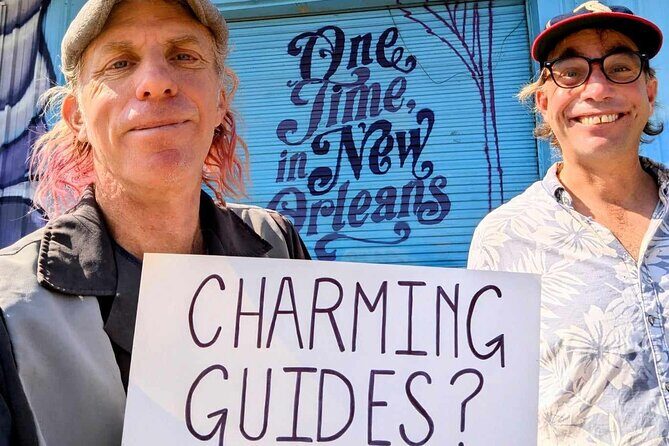
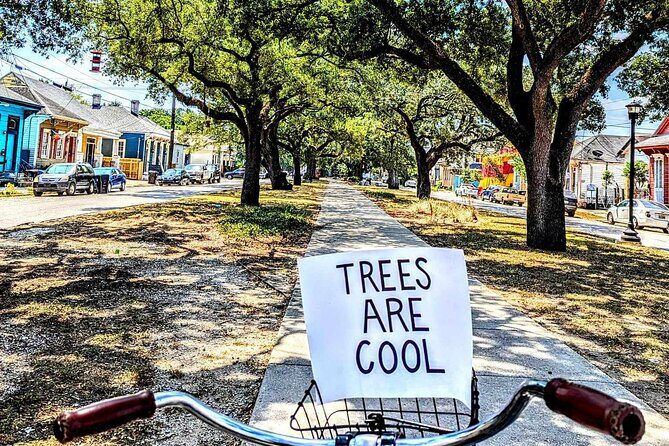
The tour starts at 634 Elysian Fields Ave and begins at 10:00 am, with a meet-up that gets you moving right away. Stop one is Washington Square Park, a classic pocket of green lined with Louisiana oak trees, and it dates back to the early 1800s. If you feel rusty on a bike, this is also where you can do a quick practice loop before the guide starts the history thread.
What I like here is the way orientation is built into the ride. You’re right next to Frenchmen Street, so the guide can point out what you’re seeing in the broader neighborhood context. Frenchmen gets the music energy, but the point of this park stop is bigger: it helps you understand why the stories that come later make sense. When you can picture the city as a connected map, the culture lessons land better.
Drawback-wise, if you’re expecting a fast, adrenaline-style cycling tour, this first part is calm on purpose. The best use of this stop is to get your bearings and let the guide set the storyline.
You can also read our reviews of more historical tours in New Orleans

Faubourg Marigny: Creole neighborhoods on slow streets
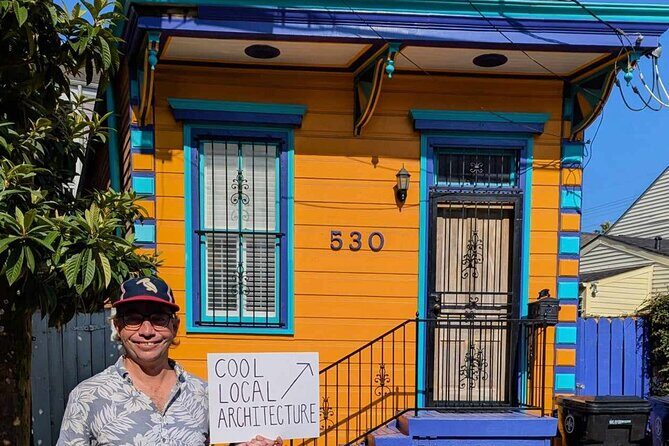
After Washington Square Park, the ride glides into Faubourg Marigny, described as the oldest of the “suburbs” around the French Quarter. This stop is one long, rolling lesson in place. The guide keeps you moving slowly through quiet streets where the architecture and day-to-day vibe aim to stay recognizable, even as the modern world presses in.
Marigny is the kind of neighborhood where culture is not just on the walls. It’s in the music people play, the food people cook, and the feeling that the area still lives by its own rhythm. The tour timeframe for this section is about 1 hour 30 minutes, which is long enough to notice patterns: how homes sit along the street, how people move through the neighborhood, and how the streets sound when you’re not in a nonstop party zone.
If you love walking tours but want something with more motion, Marigny is where bike travel shines. You cover ground without feeling like you’re sprinting. Still, because the pace is intentionally unhurried, it may not feel thrilling if your main goal is to rack up major photo landmarks.
Bywater Historic District and the Mississippi River stories
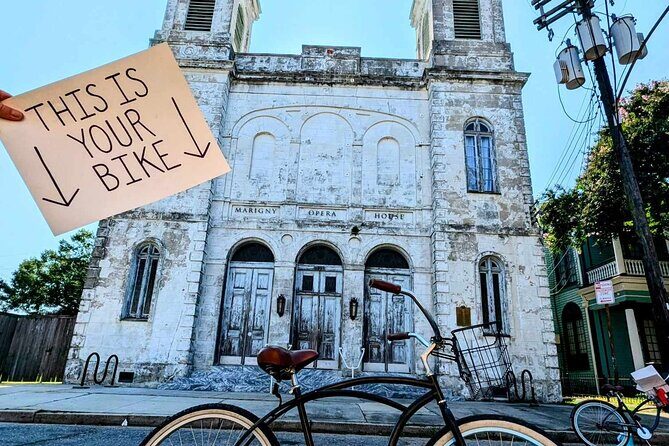
The next stretch takes you into the Bywater Historic District, and this is where the tour earns its name beyond “pretty streets.” You’ll make stops at a few points that explain who New Orleans is, past and present.
One of the most striking moments is seeing the spot tied to the Plessy vs Ferguson case and how that legal story helped shape the nation’s path. It’s not just a trivia stop. The point is to understand how the city’s history intersects with national history—and why the same places you see today still carry older meaning.
From there, you’ll also encounter the levee wall and look toward the Mississippi River, which brings a practical layer to the culture conversation. New Orleans isn’t just a postcard city; it’s a river city. The water and the levee matter for how the town has changed, planned, and survived.
The ride also includes examples of local art and places connected to the kinds of music people love most. That combination is what I’d call the sweet spot of the Bywater portion: the tour keeps your eyes open while your guide keeps the story anchored.
A small caution: because Bywater is changing before your eyes, some parts will feel like contrasts—old and new side by side. If you hate seeing change, you might find that a bit bittersweet. If you enjoy watching a city evolve, this stop will feel like it belongs.
Marie’s Bar and Kitchen: a local finish that feels like a breather
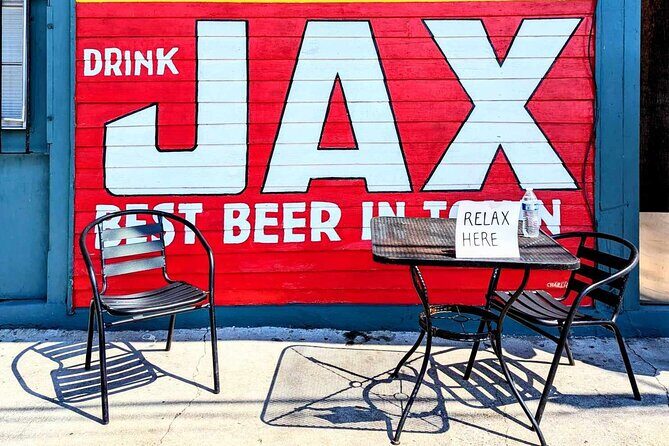
The tour’s last scheduled stop is Marie’s Bar and Kitchen, a neighborhood tavern that dates back to the 1930s. For many people, the best part is the shift in tone: you’ve been riding and listening, and now you get a relax-and-ask-anything pause.
You’ll have time at outdoor tables along the old street, and the guide can share recommendations—music schedules are handy, and there are also food suggestions you can use right after the tour. The drink stop also works as a mental reset. If you’re the type who asks questions while walking, you’ll love this ending format.
Two practical notes to keep expectations straight:
- Alcoholic beverages are not included in the tour price.
- If there are children on the tour, the guide may stop at a different place—but it’s still meant to stay fun and appropriate.
The smartest way to use this ending: come with a couple of question topics. Ask about where the locals actually go for live music, what neighborhoods make sense for you based on your interests, or what to avoid if you want to spend less time in tourist traps.
Bicycles, pace, and how the ride really works
This is a 3-hour bike tour with a small cap of 10 travelers, which matters more than you’d think. With a group that size, the guide can keep track of everyone’s comfort level, pause when you need a better look, and still keep momentum.
The guide uses English, and the tour includes bottled water plus a basket for carrying small bags. That basket is not flashy, but it’s practical if you bring a small camera, a phone, or a light layer. It also keeps you from needing to hold everything in your hands while you pedal.
The ride isn’t described as a rugged cycling route, and most people can participate. Still, it is biking. If your knees get cranky, you may want to take the guide’s practice-lap suggestion seriously and go at an easy pace right out of the gate.
The guide name that comes up in the experience is Danny, and the big takeaway is how he handles people—friendly conversation and remembering names for the whole group. That kind of guide approach can turn a history tour into something social, which is exactly what helps the stories stick.





Price and value: what $55 gets you in real terms
The cost is $55 per person, and for three hours it can feel either cheap or pricey depending on what else you would do in New Orleans.
Here’s why I think the value is solid:
- You get a bicycle and the basic comforts that keep the day smooth (water and a basket).
- The tour focuses on neighborhoods and historical landmarks, not just viewpoints.
- You also get a built-in planning bonus: a local bar stop where you can grab the guide’s recommendations for where to go next.
What costs extra is simple: drinks are not included. The schedule includes the drink stop, but you’re not forced to buy alcohol just to participate. If you want a non-alcoholic option or just a break, you can use the time for conversation and questions.
If you’re already comfortable biking and you like self-guided exploration, you could try to stitch together a similar route on your own. But you’d miss the thread that connects Creole culture, landmark points, and the city’s changes—especially the national-history connection in Bywater.
Before you go: timing, weather, and the smooth stuff
The tour runs at 10:00 am and ends back at the meeting point. It’s offered with a mobile ticket, and you’ll want your confirmation as you book. The experience also requires good weather, and if it can’t operate due to conditions, you’ll be offered a different date or a full refund.
Because you’re biking and outdoors, dress like you’re in New Orleans—sun protection helps, and you’ll likely appreciate a light layer if conditions feel changeable. Bring a small day bag if you have one, since the basket is for smaller items.
Who should book this Creole history and culture ride?
This tour is a good match if you want:
- Creole culture in a way that connects to real streets, not just facts on a sign
- A balanced mix of history, music, and neighborhood life
- A low-pressure bike experience where you can ask questions and get answers
It may not be your best pick if you only want big-ticket monuments or if you’re not comfortable cycling for about three hours. But if your goal is to understand how New Orleans works—Creole roots, river-side realities, and neighborhood change—this ride does a lot of teaching without turning into a lecture.
Should you book it?
Yes, I’d book it if you’re trying to get beyond the surface in a limited amount of time. The stops hit the right balance: orientation in Washington Square Park, slow neighborhood immersion in Faubourg Marigny, and the more weighty moments in the Bywater—including the Plessy vs Ferguson connection—followed by a relaxed ending at Marie’s Bar and Kitchen.
Book it earlier in your trip if you want the recommendations to help shape the rest of your day. And if the weather looks iffy, plan for the possibility of a reschedule. When things go well, this tour is one of the easiest ways to feel the city’s Creole roots in motion.
FAQ
How long is the New Orleans Creole History and Culture Ride?
It runs for about 3 hours.
What is the meeting point and where does the tour end?
The meeting point is 634 Elysian Fields Ave, New Orleans, LA 70116. The tour ends back at the meeting point.
What time does the tour start?
The start time is 10:00 am.
What is included in the price?
The tour includes use of bicycle, bottled water, and a basket for carrying small bags.
Is the tour in English?
Yes, it is offered in English.
Are alcoholic drinks included?
No. There is a drink stop, but alcoholic beverages are not included in the tour price.