REVIEW · NEW ORLEANS
New Orleans Culture Second Line Tour in NOLA
Book on Viator →Bookable on Viator
A Second Line is moving history. This New Orleans Culture Second Line Tour with King Hollis Burton is built for you to experience the parade up close in Treme and understand the stories behind it, from Mardi Gras Indians to Social Aid & Pleasure Clubs. I also like that you’re not just watching: you’re part of the street energy, plus you get included bottled water to keep your day comfortable.
Just know the day is loud and the group moves. Plan on lots of walking and expect times when you may not hear the guide clearly during the noisiest moments.
In This Review
- Key things you’ll notice right away
- A Second Line in Treme is more than a parade
- Meeting King Hollis Burton at 1111 Canal St
- Stop 1 in Treme: Mardi Gras Indians, Social Aid & Pleasure Clubs, and the street rhythm
- Stop 2: Following the Second Line parade route like you belong
- When it gets loud, here’s how to stay in the loop
- Price, value, and what the $30 actually buys you
- What to bring: shoes, rain gear, and cash
- Group size and the reality of keeping up
- Where this tour shines (and who should skip it)
- Booking tips that make the day smoother
- Should you book this New Orleans Second Line Tour?
- FAQ
- How long is the Second Line Tour?
- Where do I meet for the tour?
- Is the tour in English?
- What’s included in the price?
- What should I wear or bring?
- What happens if the tour can’t run due to weather or minimum travelers?
Key things you’ll notice right away
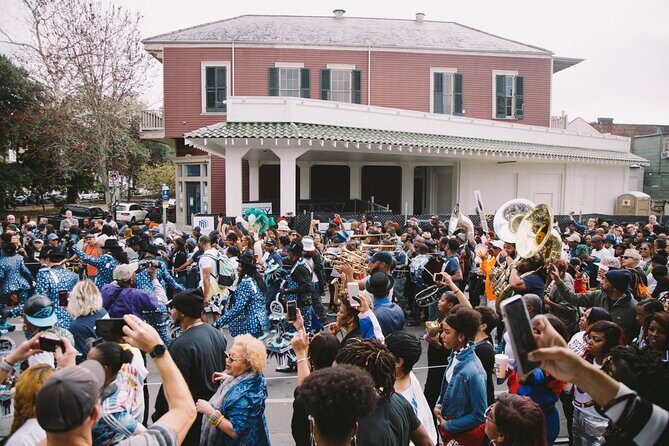
- Treme focus: You start in Treme and get context before the parade gets moving.
- Real participation: You’re around the brass bands and dancers, not behind a rope.
- Music + meaning: You connect the Second Line to Mardi Gras Indian culture and Social Aid & Pleasure Clubs.
- Route flexibility: The exact streets can vary based on where the parade is going.
- Comfort basics included: You get bottled water, but you still need the right shoes.
- Small-group feel: Max group size is listed as 50 travelers.
A Second Line in Treme is more than a parade
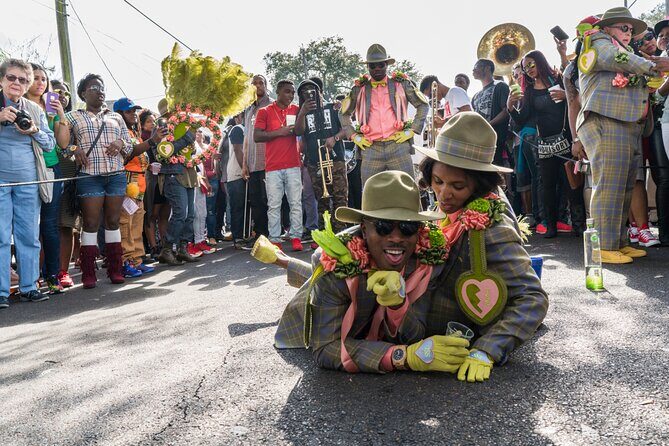
New Orleans doesn’t treat a Second Line like a side show. It’s a living tradition—street-level music, community style, and a whole lot of dancing. The best part of this tour is that it gives you the why before the parade roar takes over, so your experience doesn’t fade after the photos.
You’ll start with Treme, a neighborhood tied to some of the city’s most important cultural traditions. Then you’ll head into the heart of the action: brass bands, dancers, and that contagious feeling that you’re watching something that belongs to the people who made it.
You can also read our reviews of more tours and experiences in New Orleans.


Meeting King Hollis Burton at 1111 Canal St
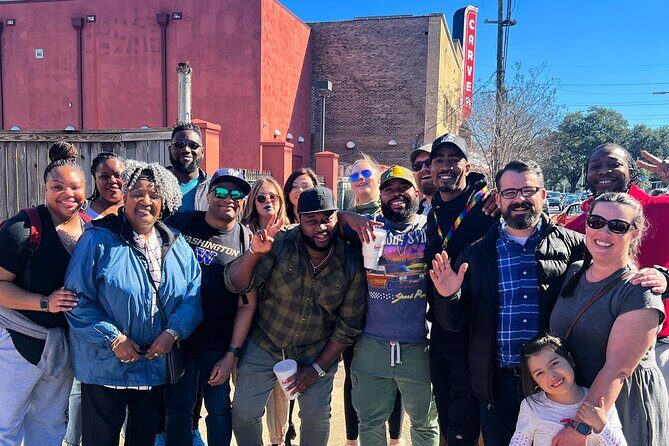
Your tour meets at 1111 Canal St (New Orleans). It ends back at the same meeting point, so you’re not dealing with a complicated drop-off plan.
Timing matters here. The listed Sunday window runs from 12:00 PM to 4:00 PM, and the tour is about 2 hours 30 minutes. I’d treat it like a short afternoon mission: arrive early, be ready to walk, and keep an eye on any messages updating you about where to meet along the way. One drawback that’s shown up in guest feedback is that the meet-up spot can change day-of, so don’t rely on a single saved pin—confirm right before you go.
The guide for this experience is King Hollis Burton, and his role is part historian, part hype-man. You’ll get story and context as you walk, not just a lecture before you go. That matters because the parade feels different once you understand where the Second Line comes from.
Stop 1 in Treme: Mardi Gras Indians, Social Aid & Pleasure Clubs, and the street rhythm
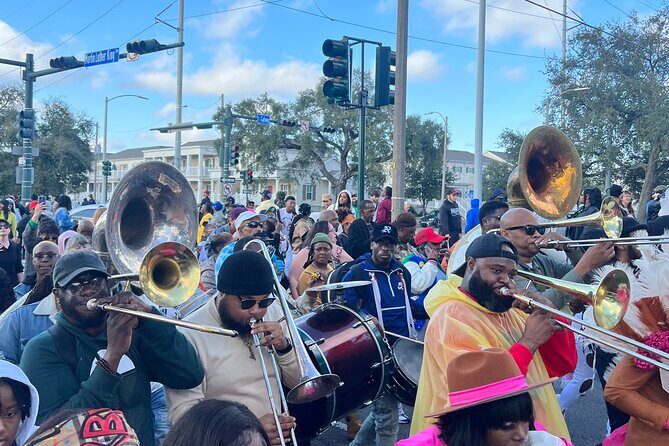
The tour’s first stop is Treme, where you’ll learn the cultural threads that make a Second Line make sense. You’ll hear stories connected to Mardi Gras Indians and the legacy of Social Aid & Pleasure Clubs—two cornerstones of how communities organize celebration, support, and pride in New Orleans.
On these streets, music isn’t background. It’s the soundtrack to the neighborhood’s identity. You’ll also get the chance to connect the big party with quieter cultural landmarks, including Congo Square, mentioned as part of the experience. It’s a reminder that this city’s traditions aren’t only fireworks—they’re also roots, memory, and community gathering.
What makes this stop work for you is pacing and context. You’re not dropped into a parade cold. You’re walking, learning, and then turning that knowledge into understanding once the brass bands start moving.
One consideration: you’ll be on foot. The walking isn’t optional, and some ground can be uneven depending on the route. Bring shoes you’d trust for a long city stroll, not just a pretty photo.
Stop 2: Following the Second Line parade route like you belong
Once the tour hits the parade portion, you’ll likely experience a Second Line tradition that’s described as Sunday Funday style with Treme Luxury Experience. In practical terms, that means brass bands, dancers, and spectators turning into participants as the parade rolls through the neighborhood streets.
Here’s the key cultural context you’ll keep hearing: Second Lines have origins tied to jazz funerals. That doesn’t mean it’s solemn every second of the route—New Orleans does not do one-note emotions. Instead, it means the celebration has meaning. The energy is there because the community is there, and the music carries more than entertainment.
The parade route can change, and you should expect the streets you see to be driven by what’s happening in real time. That flexibility is a feature, not a bug. You’ll see the city as it moves, not as a pre-packaged timeline.
When it gets loud, here’s how to stay in the loop
This is where you need a simple strategy. The music and crowd energy are intense, so don’t plan on hearing every single sentence from far back. Stay close to the front of the group when you can. In past experiences, some guests noted it was hard to hear the guide once the parade got crowded, and the pace can move quickly as people reposition.
If you want the most from the tour, focus on what you can do in the moment:
- Watch the rhythm the band is driving.
- Notice how participants interact—calling, answering, dancing in place, then moving.
- Listen for key bits of history during walking sections, when it’s easier to catch details.




Price, value, and what the $30 actually buys you
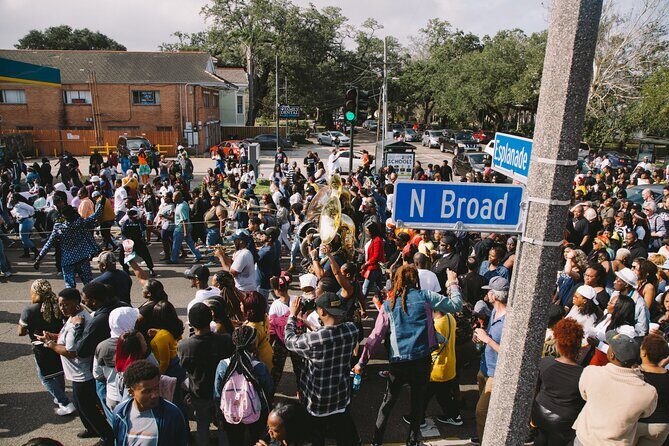
At $30 per person, this tour is priced like an affordable, guided cultural experience, not a premium museum-style outing. And the value is in the combination: context + participation + local guide energy + included bottled water.
A big point here is that the parade side is effectively free to watch in many ways. But what you’re paying for is the guide’s interpretation and the way you get to connect with the neighborhood rather than drifting through as a detached spectator. The tour listing also notes admission ticket free, which aligns with this idea: your cost goes to the guided experience, not an additional gate fee.
What to budget beyond the tour: food and drinks along the route can be available from vendors. Cash is recommended based on guest tips, and some folks advise bringing money for snacks and alcohol. So yes, the tour includes bottled water, but treat it as hydration plus guidance—not as a full meal plan.
What to bring: shoes, rain gear, and cash
Do not show up underprepared. Even on a great day, the Second Line environment is a workout.
Here’s what you should bring:
- Comfortable walking shoes (real traction helps).
- Poncho or umbrella. The event is rain or shine style, and Louisiana weather loves plot twists.
- Cash for food and drinks along the parade route (you might want to buy something as you go).
- Water is included, but you can still bring a little extra if you know you get thirsty.
Also think about noise. You can’t make the parade quieter, so come ready for it. If you’re sensitive to loud sound, you might still enjoy the cultural experience—just plan on stepping away briefly if you need a break.
Group size and the reality of keeping up
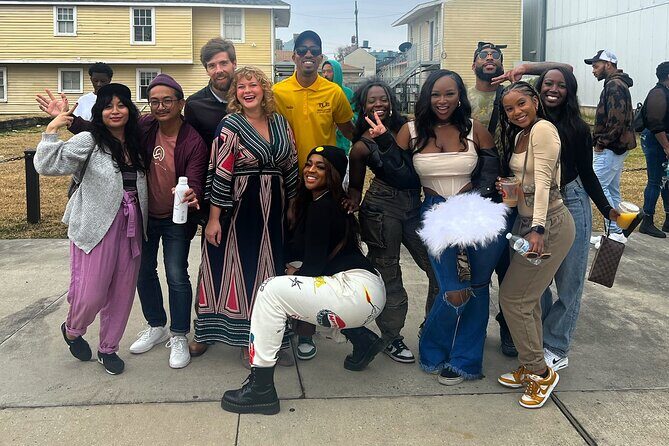
The max group size is listed as 50 travelers. That’s large enough that you’ll have a lively group vibe, but small enough that it can still feel personal when you’re in the right pocket of the parade.
The catch is crowd dynamics. When bands start playing and dancers fill the street, the group can spread out. Guests have mentioned needing to quickly walk to catch up with the parade at times, and that it could get tricky to spot the guide in dense crowds. That doesn’t mean the tour isn’t worth it. It means you should manage your expectations: treat it like a moving party with history notes, not a slow guided museum walk.
My practical advice: before the parade starts, make sure you know where the group is. Stay close, and don’t assume you can wander and return later without losing the moment.
Where this tour shines (and who should skip it)
This tour is a strong match if you want:
- A culture-first New Orleans experience outside the usual shortcuts.
- The history behind Second Lines, not just the sightseeing photo moment.
- A lively street day with music and dancing.
- A guide who explains traditions like Mardi Gras Indians and Social Aid & Pleasure Clubs while you walk.
You might want to choose something else if:
- You dislike walking for 2+ hours in city conditions.
- You hate loud environments.
- You need lots of quiet, lecture-style time during the main parade.
This isn’t about sitting. It’s about moving with the city.
Booking tips that make the day smoother
I’d book this with your calendar as the main driver. It’s described as often booked about 21 days in advance, so if you’re traveling in peak periods, lock it in earlier rather than gambling.
Also, keep your phone ready. Mobile tickets are part of the setup, and last-minute meet-up details matter. One issue reported by a small number of guests involves changes to the meet-up address day-of, so don’t assume your first message is the final word. Confirm before you head out.
Lastly, bring a bit of flexibility. Parade routes shift. Crowds change. That’s New Orleans doing its thing.
Should you book this New Orleans Second Line Tour?
If your goal is to feel New Orleans culture in your feet and ears—not just your camera roll—I think this tour is worth booking. The pairing of Treme storytelling with actual Second Line participation gives you meaning, not just motion.
I’d especially recommend it if you like street-level culture, music you can’t ignore, and learning traditions while you’re actually inside the celebration. Just show up with good shoes, rain gear, and cash for food and drinks, and you’ll be set.
FAQ
How long is the Second Line Tour?
The tour is listed at about 2 hours 30 minutes.
Where do I meet for the tour?
The meeting point is 1111 Canal St, New Orleans, LA 70112, and the tour ends back at the same location.
Is the tour in English?
Yes, the tour is offered in English.
What’s included in the price?
The price is $30 per person and includes bottled water. The experience is listed as having admission ticket free for the parade portion.
What should I wear or bring?
Wear comfortable shoes because there is a lot of walking and some uneven ground. Bring a poncho or umbrella since it’s rain or shine. Bring cash for food and drinks that may be available along the parade route.
What happens if the tour can’t run due to weather or minimum travelers?
This experience requires good weather. If it’s canceled due to poor weather, you’ll be offered a different date or a full refund. If it’s canceled because the minimum number of travelers isn’t met, you’ll be offered a different date/experience or a full refund.