REVIEW · NEW ORLEANS
New Orleans: Felicity Plantation Guided Tour
Book on GetYourGuide →Operated by St. Joseph Planting and Manufacturing CO LTD · Bookable on GetYourGuide
Sugarcane meets Greek Revival in Vacherie. Felicity Plantation lets you walk a still-working sugarcane farm and tour a preserved 1840s home, with working agriculture right alongside the architecture. The subject matter can be heavy, since the tour interpretation talks openly about enslavement and labor.
What I like best is the mix: you get beautiful details on the house and grounds, then you get a real explanation of who built and worked it, including the people who stayed and worked after emancipation. One more thing to consider: this tour is not suitable for wheelchair users or visitors with mobility impairments, so you’ll want comfortable shoes and a bit of flexibility.
In This Review
- Key highlights worth your time
- Felicity Plantation on the River Road: the farm, the house, the real people
- 1844–1847 architecture: Greek Revival with a Creole backbone
- The Waguespack connection and why the sugarcane story doesn’t end
- What the guided hour covers inside Felicity
- Movie and TV locations: recognizing Felicity in pop culture
- Price and logistics: getting value out of $24
- Should you expect a big group feel or a more personal tour?
- Who this tour fits best (and who might want another option)
- FAQ
- FAQ
- How much does the Felicity Plantation guided tour cost?
- How long is the tour?
- Where do I check in?
- What is included in the ticket price?
- Is transportation or food included?
- Is the tour skip-the-line?
- What should I bring and wear?
- Is alcohol allowed during the tour?
- Is it accessible for wheelchair users?
- Should you book the Felicity Plantation guided tour?
Key highlights worth your time
- Working sugarcane fields: the farm’s agriculture is still part of what’s happening here today
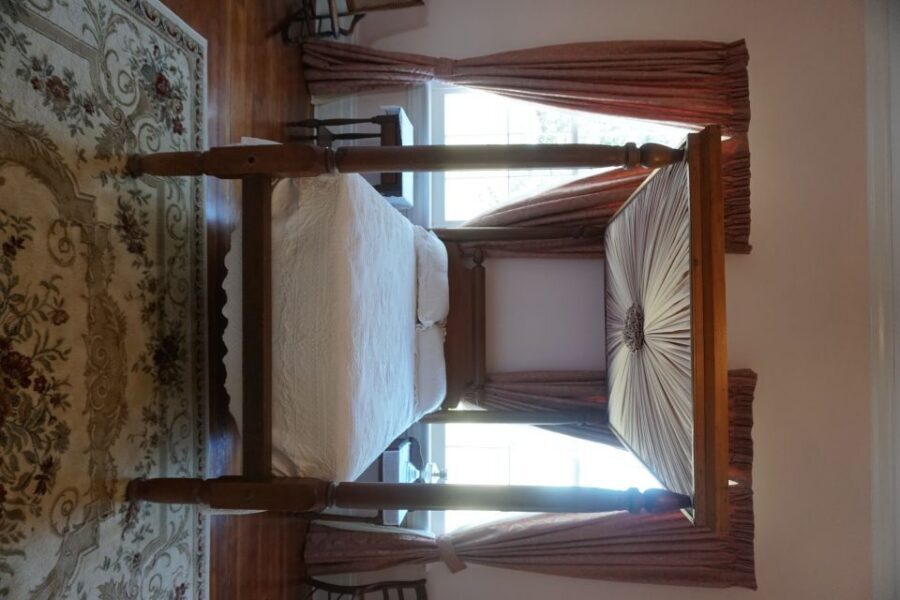
- Greek Revival meets Creole influence: a mid-19th-century home with strong Louisiana character
- Plantation labor stories: interpretation covers enslaved and free labor and how work continued after emancipation
- Movie and TV backdrops: Felicity shows up in productions including Skeleton Key and 12 Years a Slave
- A guide who tells the stories clearly: guides like Sylvie focus on people, not just dates
Felicity Plantation on the River Road: the farm, the house, the real people
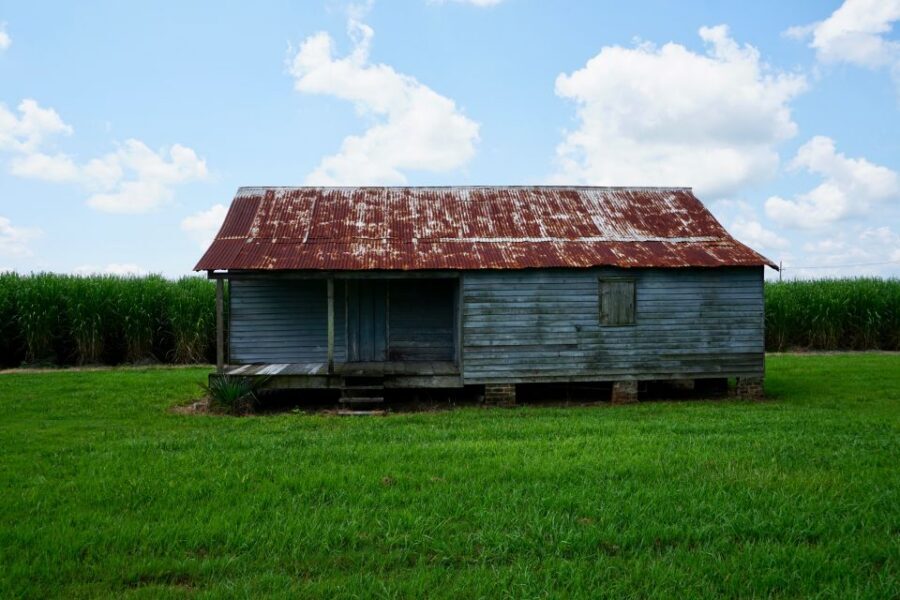
Felicity Plantation sits along Louisiana’s River Road in Vacherie, where sugarcane shaped the economy and daily life. The tour experience hits a smart balance. You don’t just look at a pretty old home; you also see how that home connected to a farm that continued producing long after the plantation era changed.
This is also one of those places where the setting feels cinematic even before you start naming productions. The home’s form, the porch views, and the surrounding grounds all help you picture how people lived here. One thing I especially appreciate is that the tour doesn’t keep things safely in the past. It brings you through construction (1844 to 1847), the later shift in ownership, and the way sugarcane work carried forward.
You can also read our reviews of more guided tours in New Orleans



1844–1847 architecture: Greek Revival with a Creole backbone
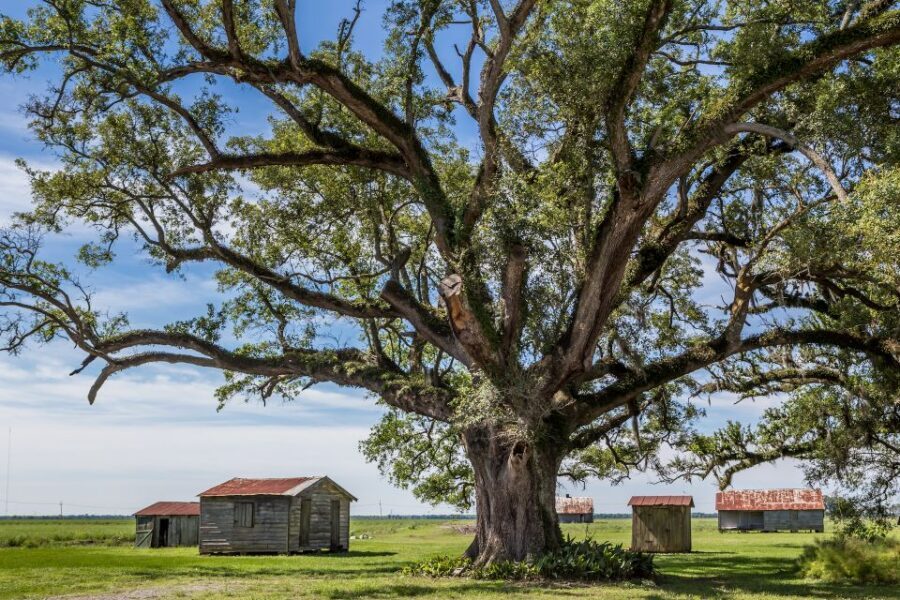
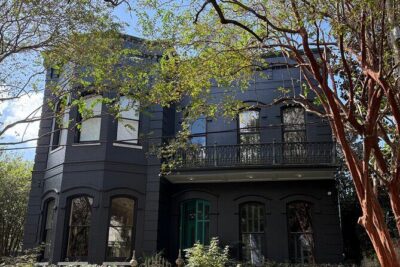
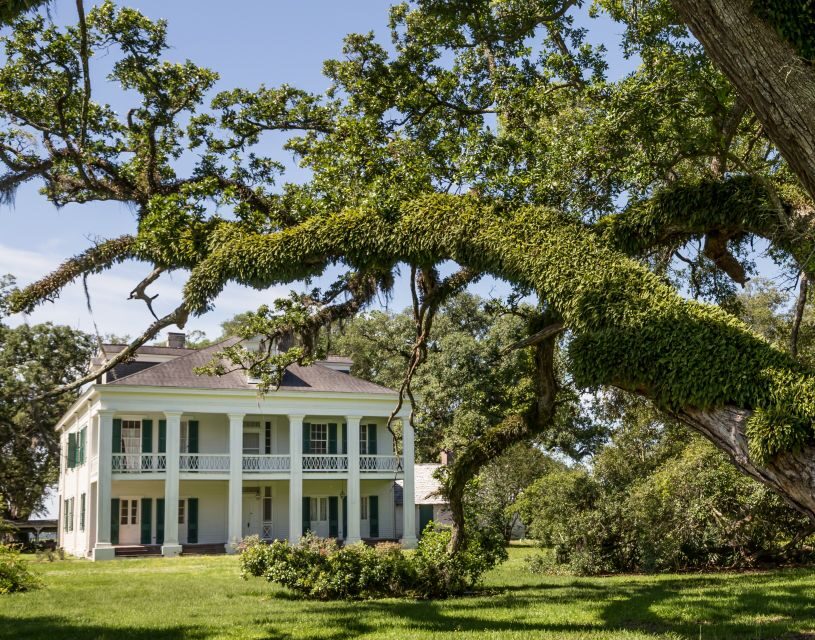
If you like architecture, Felicity gives you something you can actually spot while the guide points it out. The house is a strong example of mid-19th-century Louisiana architecture, built between 1844 and 1847 and widely recognized as a striking landmark along the Mississippi River.
The main visual story is the blend. The home leans into Greek Revival styling while also showing strong Creole influence. That combination matters because it reflects who had power, taste, and resources in that period, and how Louisiana’s culture mixed European design ideas with local Creole realities.
One practical note: Felicity is often compared to its neighboring plantation, St. Joseph, and many people find Felicity’s interior more decorated. It’s also smaller, which can make the guided time feel tighter and more focused on what you’re seeing rather than rushing past rooms.
The Waguespack connection and why the sugarcane story doesn’t end
Plantation history can get stuck in a timeline. Felicity helps you avoid that trap. After the home’s early years, the ownership story becomes part of how the sugar business evolved.
In 1877, the Waguespack family bought Felicity and neighboring St. Joseph at a sheriff’s sale. By 1901, both estates were folded into a single 2,500-acre sugarcane operation. What I like about this is how it explains continuity. Even when slavery ended, plantation-style labor systems and agricultural production didn’t simply vanish. They changed shape, but the demand for field labor remained.
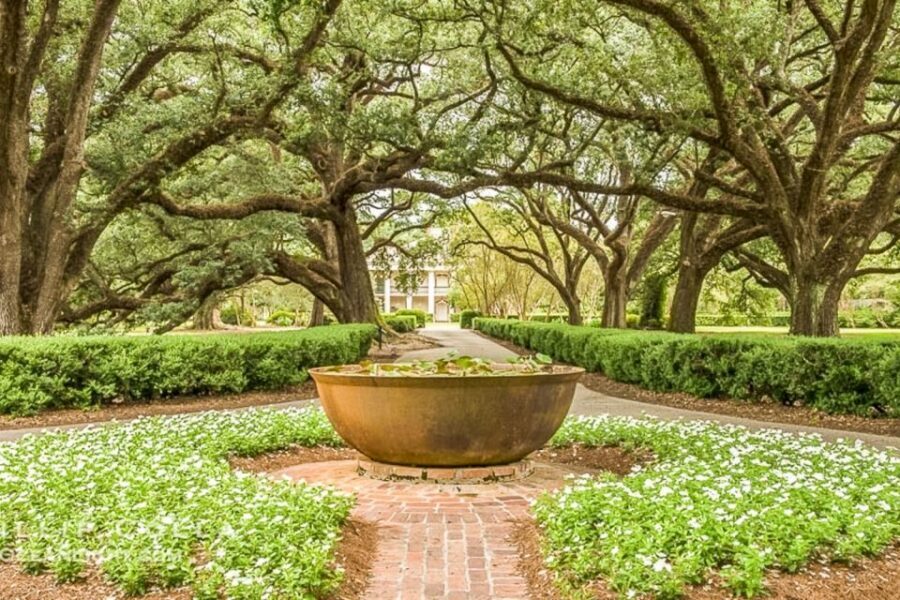
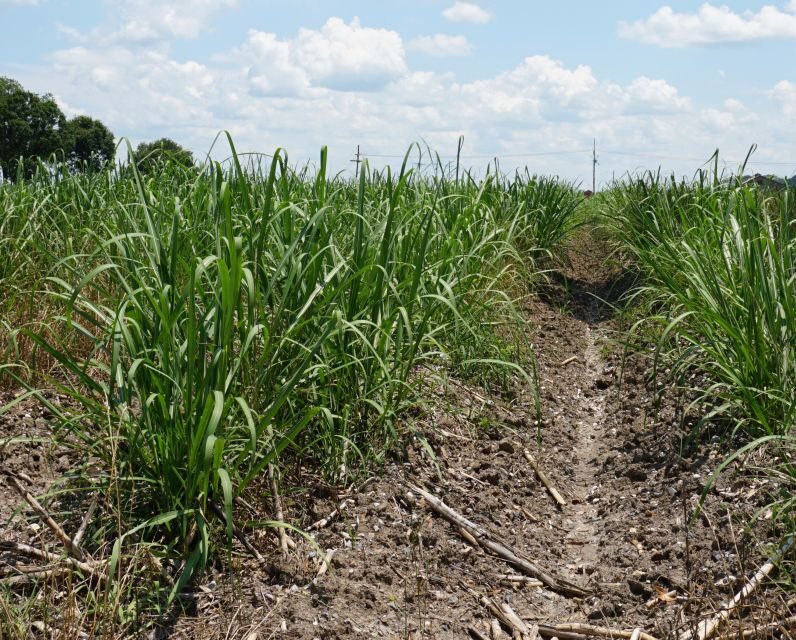
Today, sugarcane is still grown and harvested on the estate grounds. That means the tour can connect a mid-1800s house to a working crop in a way that feels concrete, not abstract. You’re not just learning about agriculture as an idea. You’re seeing agriculture as an ongoing practice tied to the land.
What the guided hour covers inside Felicity
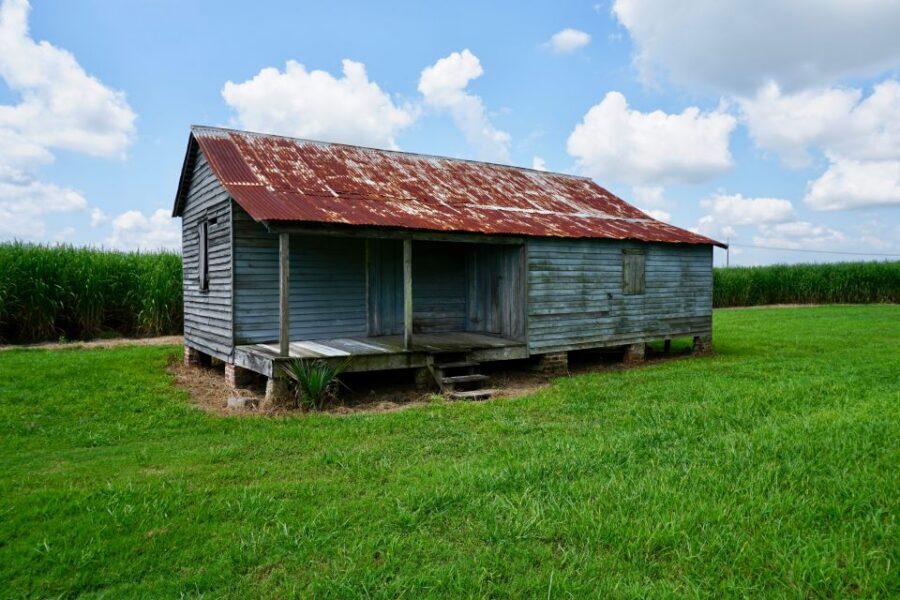
The tour is built around a guided walkthrough of Felicity Plantation’s preserved home and grounds, with time to do some light exploring afterward. The total tour booking is 90 minutes, but the guided portion at Felicity is about one hour. That timing is usually ideal: long enough to learn the main themes, short enough that you can digest it without feeling rushed.
Here’s what you should expect your guide to focus on:
- how the home’s design connects to the plantation era
- what daily life looked like for the people who lived and worked here
- how the tour interpretation addresses enslaved people, then the generations of workers who remained after emancipation
- how labor and agriculture supported the plantation into the 20th century
A guide can make or break a plantation tour. The best experiences here feel personal and human. On this tour, you’ll hear stories told with context and care. Guides such as Sylvie are known for sharing the stories as lived realities, not just facts on a timeline.
Also, keep expectations realistic about what you’ll see. You’re touring a preserved site with interpretation. You’re not doing a full archaeology of the entire estate in one sitting, and you’re not touring a large network of buildings. Still, Felicity’s smaller size can be an advantage if you want a focused guided experience.
Movie and TV locations: recognizing Felicity in pop culture
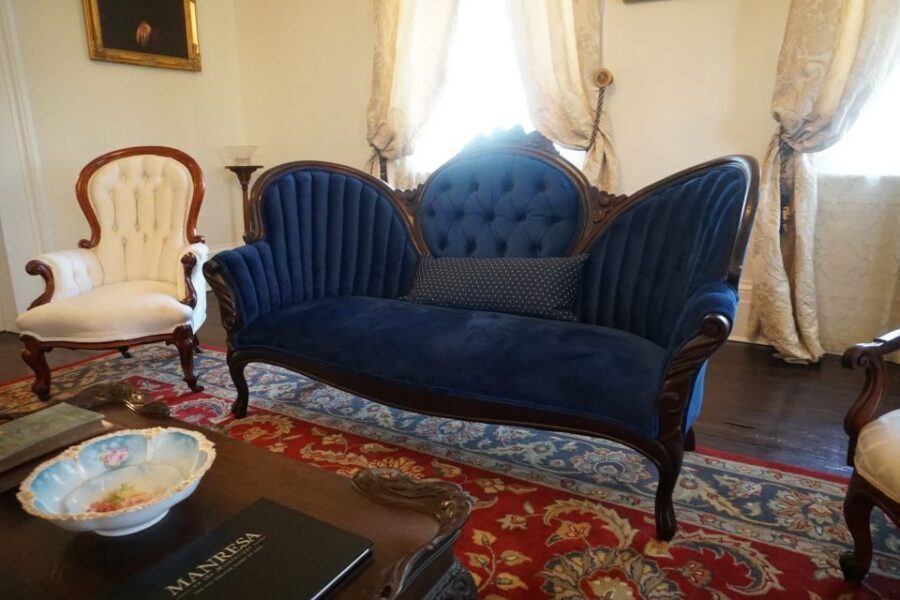
One of the fun parts of Felicity is that you can pair education with recognition. The home and setting have been used as film and television backdrops, including productions such as Skeleton Key and 12 Years a Slave, plus titles like the remake of Roots, Underground, and Filthy Rich.
Even if you don’t watch movies for locations, this helps you understand why Felicity looks so dramatic on screen. The house has that strong, memorable silhouette that directors love. The grounds also provide a sense of place that reads immediately as Louisiana plantation country.
Just remember what the guide emphasizes during the tour. Film location facts can spark interest, but the real payoff is the interpretation of the people and labor tied to the site. The best moments happen when you can connect the movie look to the historical reality.






Price and logistics: getting value out of $24
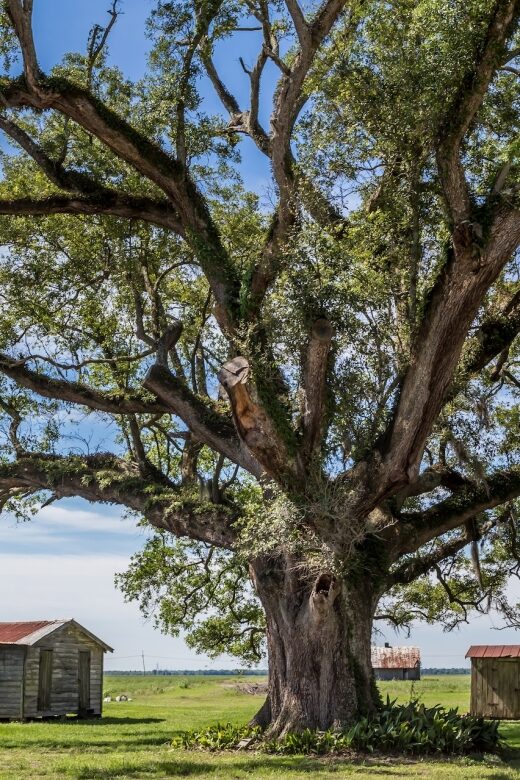
At about $24 per person, Felicity Plantation isn’t priced like one of the mega-bus plantation stops. You’re paying for a guided visit to a preserved plantation home with interpretation that includes enslaved labor and the longer post-emancipation story, plus the chance to see the estate as part of a working sugarcane operation.
The value also comes from the format:
- Live guide in English
- Guided tour of the Felicity home with an option to walk around and view the grounds
- Skip the ticket line
- No transportation included, so you’ll need your own ride or local plan
Timing matters too. Check in at least 15 minutes early. The tour doesn’t start with the house. Your first step is the check-in process at the gift shop next door at St. Joseph Plantation, 3535 LA-18, Vacherie, LA 70090. From there, you’re set up for the Felicity-guided portion.
What to bring is simple: comfortable shoes. That’s not a cute suggestion; this is an outdoor historic site where you’ll want stable footing. Also, plan to avoid bare feet. Alcohol and drugs aren’t allowed.
One more practical thought: since this isn’t recommended for wheelchair users or visitors with mobility impairments, you’ll want to assess your own comfort level with walking on historic grounds. If you’re unsure, it’s worth choosing a different tour style.
Should you expect a big group feel or a more personal tour?
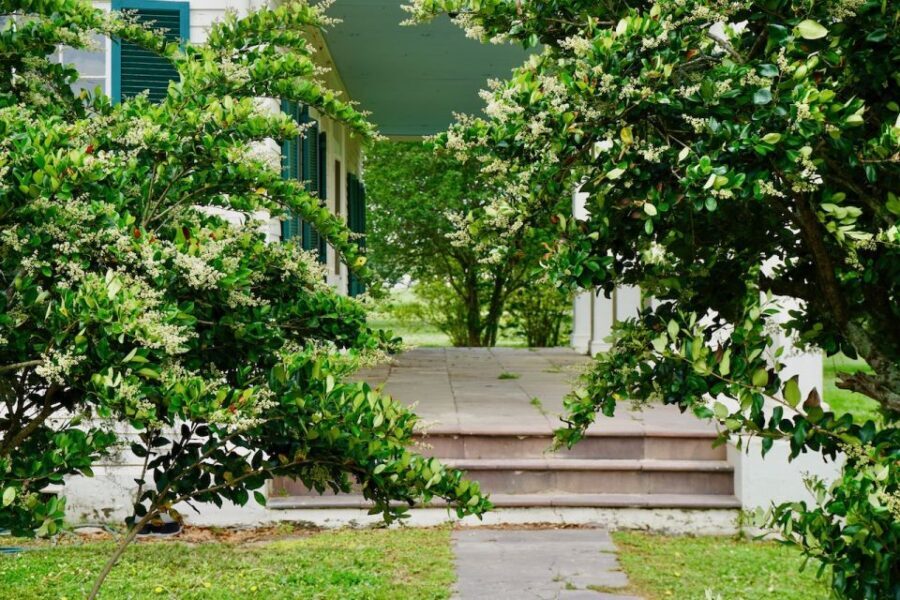
Felicity’s setup often feels more intimate than the largest plantation attractions. The site is not trying to move hundreds of people through fast. Instead, the guide has room to explain why things matter.
That personal pace showed up in one experience where the tour was just two people, making the history and agricultural context feel like a one-on-one lesson. Even if your group isn’t that small, the tour’s structure still tends to feel less like a conveyor belt and more like a conversation with guidance.
If you’ve done a bigger plantation tour before and you liked the subject but not the crowd pressure, Felicity is a strong alternative. It keeps the focus on the people and the labor.
Who this tour fits best (and who might want another option)
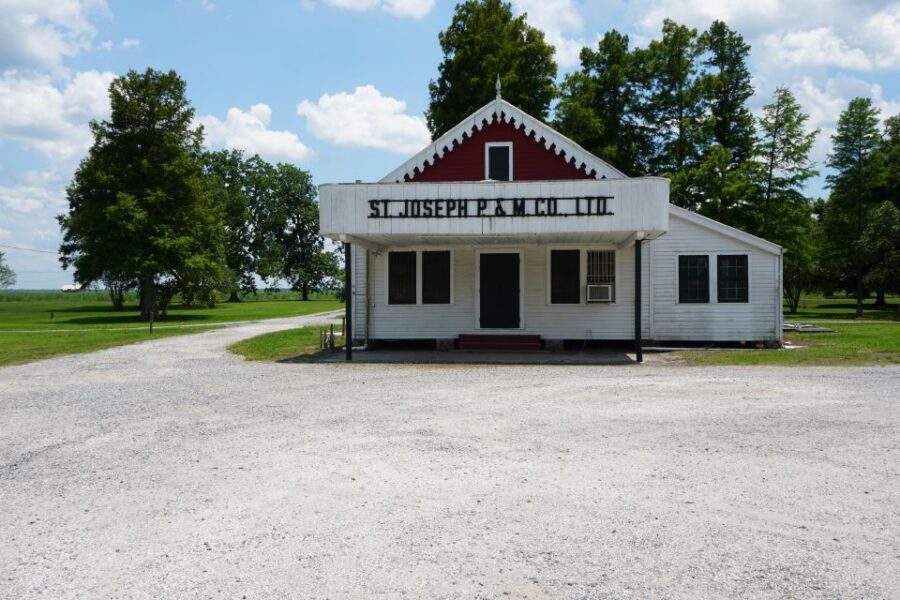
This is a great fit if you want:
- a New Orleans-area plantation tour that also connects to working sugarcane
- Greek Revival and Creole-influenced architecture you can actually interpret with a guide
- plantation history told with attention to enslaved and free labor, and the way labor systems shifted over time
- a shorter tour window that still covers the essentials
It’s less ideal if:
- you use a wheelchair or have mobility limitations that make historic grounds difficult
- you want a mostly light, entertainment-focused tour (the interpretation includes enslavement realities)
- you need food included (none is included—bring your plans for before or after, not during)
FAQ
FAQ
How much does the Felicity Plantation guided tour cost?
The ticket price is $24 per person.
How long is the tour?
The experience runs for 90 minutes total, and the guided tour of Felicity Plantation is about 1 hour.
Where do I check in?
Check in at the gift shop at St. Joseph Plantation, next door to Felicity: 3535 LA-18, Vacherie, LA 70090. Arrive at least 15 minutes early.
What is included in the ticket price?
Your ticket includes the guided tour of Felicity Plantation, with an option to walk around and view the grounds.
Is transportation or food included?
No. Transportation and food and drinks are not included.
Is the tour skip-the-line?
Yes, the experience includes skip the ticket line.
What should I bring and wear?
Bring comfortable shoes. Bare feet are not allowed.
Is alcohol allowed during the tour?
No, alcohol and drugs are not allowed.
Is it accessible for wheelchair users?
No. The tour is not suitable for people with mobility impairments and wheelchair users.
Should you book the Felicity Plantation guided tour?
I’d book this if you want a plantation visit that connects architecture to agriculture and doesn’t skip the hard parts of labor history. The working sugarcane element adds a layer you can’t fake, and the house itself is visually memorable without being the only focus.
Skip it if mobility is a concern, or if you’d rather avoid tours that clearly address enslavement and its aftermath. If you’re comfortable with that context and you’re ready for a focused, guide-led hour at Felicity, this is a strong use of time in the Vacherie area.