REVIEW · NEW ORLEANS
New Orleans: French Quarter Walking Tour
Book on GetYourGuide →Operated by 504tours · Bookable on GetYourGuide
New Orleans has a crackling story in 2 hours. This walk links beignet showmanship at Cafe du Monde with the steady heartbeat of Preservation Hall, so you see how food and music grew from the city’s ups and downs.
You’ll also cover big, hard moments, from Katrina defenses to slavery and fires, and that can feel intense if you want a lighter stroll. The practical catch: wear solid shoes, because you’re on foot the whole time and it runs rain or shine.
In This Review
- Key points at a glance
- French Quarter tour route: 529 St. Ann Street to Jackson Square
- Cafe du Monde beignet making: sweet craft and street-level proof
- Hurricanes and Katrina: learning how a city protects itself
- Chartres Street and the 1788 Great Fire: a turning point with a name
- The French Market and Ursuline Convent: colonial-era endurance
- Danny Barker, banjo, and why traditional jazz survived
- Sicilian immigrants and the macaroni factories
- Slavery sites you can’t ignore: the St. Louis Hotel and Exchange
- Preservation Hall and Madame de Pontalba: jazz at the finish line
- Price and value: what $50 buys in 2 hours
- Who this tour fits best (and who might skip it)
- Should you book this French Quarter walking tour?
- FAQ
- How long is the New Orleans French Quarter Walking Tour?
- Where does the tour start?
- How much does it cost?
- Is the tour in English, German, or both?
- Is any food included?
- Does the tour run in bad weather?
- Is it wheelchair accessible?
- Cancel up to 24 hours in advance?
Key points at a glance
- Cafe du Monde beignet making: Watch the process up close, not just the final product
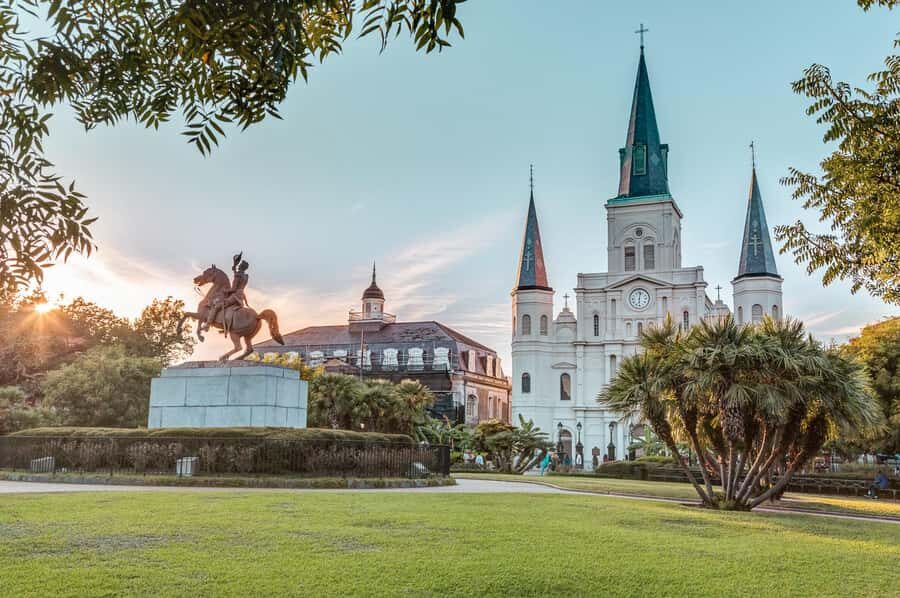
- Jackson Square orientation: Start at 529 St. Ann Street, in the shadow of the Pontalba Rowhouse
- Hurricane planning and Katrina: Learn how the city tried to protect itself, and what changed after the storm
- A 1788 Great Fire clue on Chartres Street: The fire that erased much of the city began with careless human choices
- St. Louis Hotel and Exchange: See where thousands of Africans were sold into slavery
- Preservation Hall and Danny Barker: Traditional jazz, plus the banjo player who helped keep it alive
French Quarter tour route: 529 St. Ann Street to Jackson Square
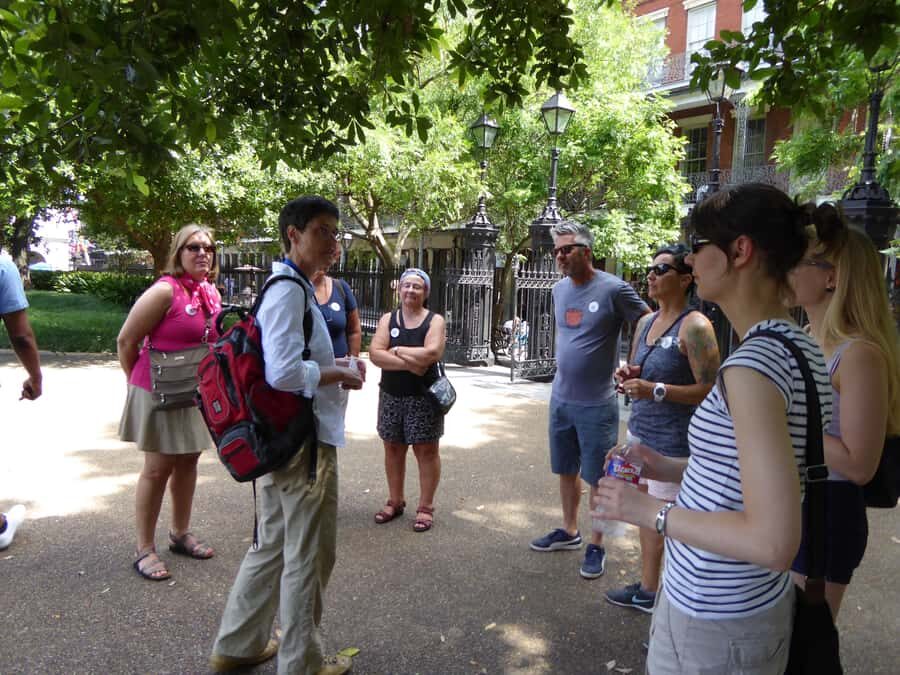
This is a focused 2-hour walking tour through the French Quarter. It starts outside 529 St. Ann Street, in the lower Pontalba Rowhouse adjacent to Jackson Square, with the storefront now occupied by Fives Bar. From Jackson Square, you’ll find it mid-block to the left as you face the river, about half a block from the Chartres Street corner at St. Ann.
I like that the start gives you context fast. Jackson Square isn’t just a postcard stop; it’s also a place with a long life as a public gathering spot, historically used as a parade ground and today filled with musicians, tarot card readers, and street performers. That mix of old and new sets the tone for the walk you’re about to take.
You’ll end back at Jackson Square after a stop at Preservation Hall. That creates a satisfying loop: you begin with a sense of the square’s energy and you finish with a story about the people who shaped its look and feel.
You can also read our reviews of more walking tours in New Orleans


Cafe du Monde beignet making: sweet craft and street-level proof
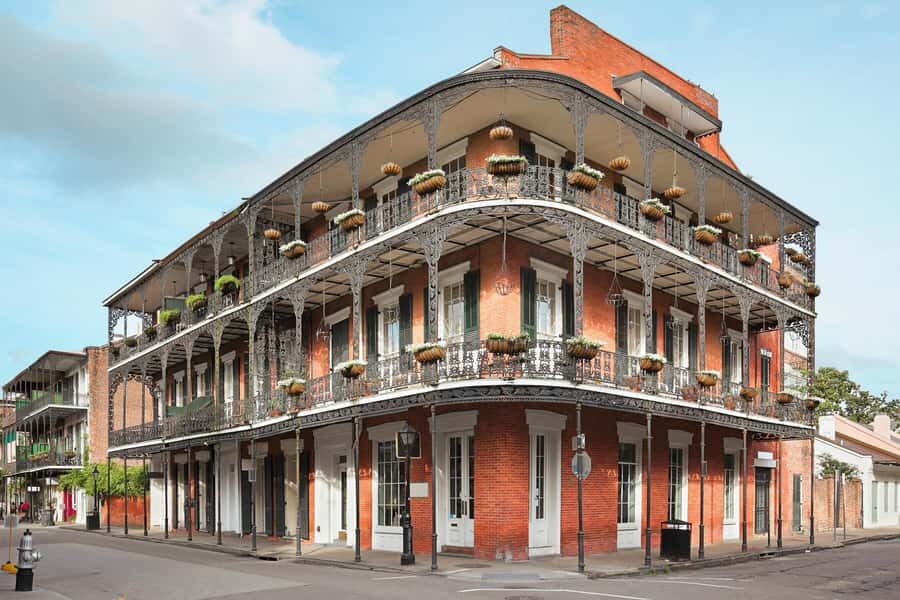
One of the best parts of this tour is the beignet stop at Cafe du Monde, where you watch how the famous pastries get made. It’s not just trivia. Watching the process is a fast way to understand why this kind of street food became part of New Orleans identity.
I especially like that this moment comes early enough to keep your brain awake. After a few minutes of pastry technique, you’re ready to handle the tour’s heavier history later on. It’s also a nice reminder that the French Quarter runs on practical skills—food, music, and survival strategies all show up in the same streets.
A small consideration: the tour is not built around food service. If you want to actually eat something, you’ll need to do that on your own schedule before or after the walk.
Hurricanes and Katrina: learning how a city protects itself
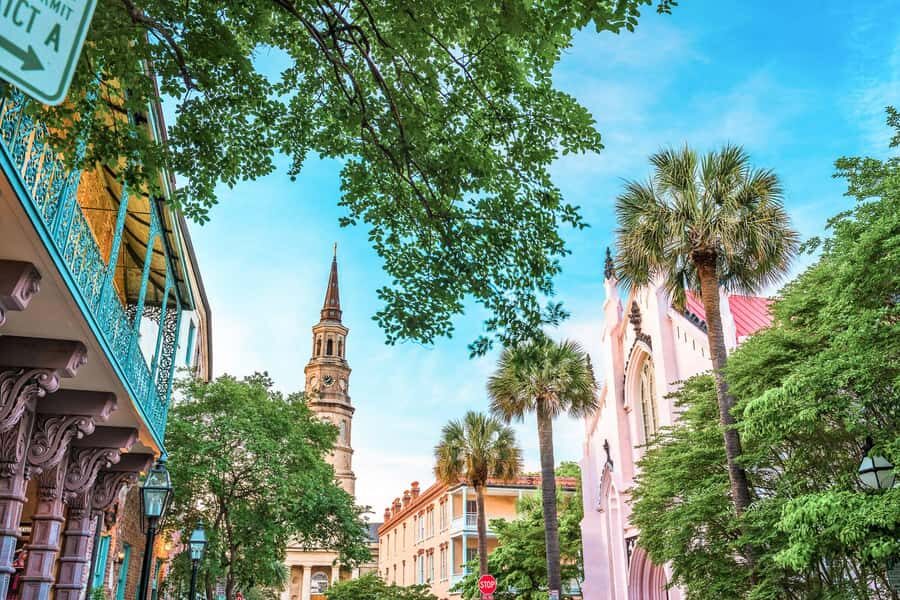
As you walk, you’ll learn how New Orleans has protected itself from the threat of hurricanes. The tour also connects that history to the deadly storm Katrina.
Even if you already know the headline facts, I think this stop works because it frames the city as someone constantly planning, rebuilding, and adapting. The French Quarter looks like it’s frozen in time, but the stories on this route make it clear that protection and disaster are part of the city’s real timeline.
This section is also the first moment where the tour’s tone can shift. If you’re the type who wants only legends and fun, you might find the hurricane material a bit sober.
Chartres Street and the 1788 Great Fire: a turning point with a name
Next, you’ll get the story behind the house on Chartres Street where a careless Spaniard started the Great Fire of 1788. That’s a dramatic kind of history, but the real value here is the lesson behind it: disasters often begin with ordinary mistakes, not mythical villains.
It’s the kind of stop that helps you read the city differently. Instead of seeing architecture as decoration only, you start looking for the timeline of cause and effect—how one catastrophic event can reshape what’s standing in front of you now.
The French Market and Ursuline Convent: colonial-era endurance
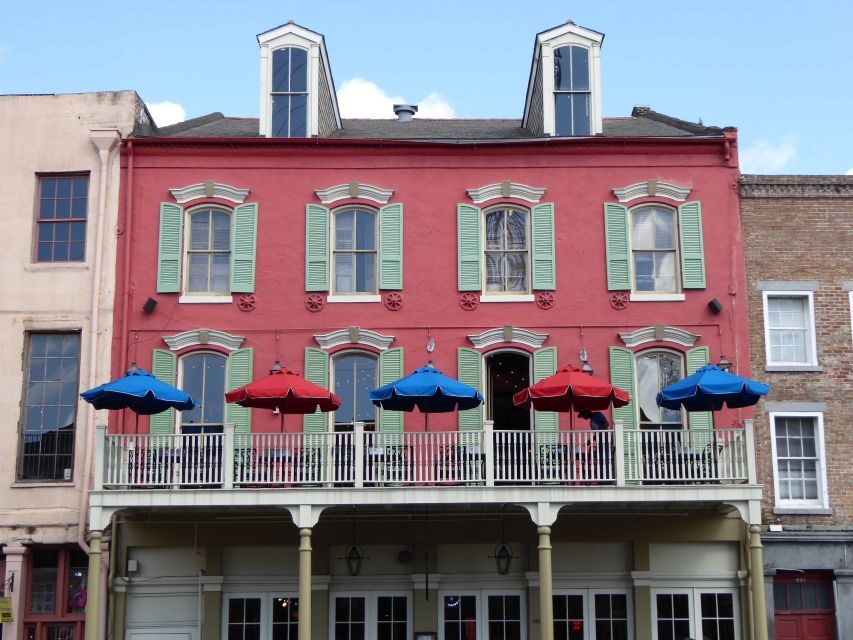
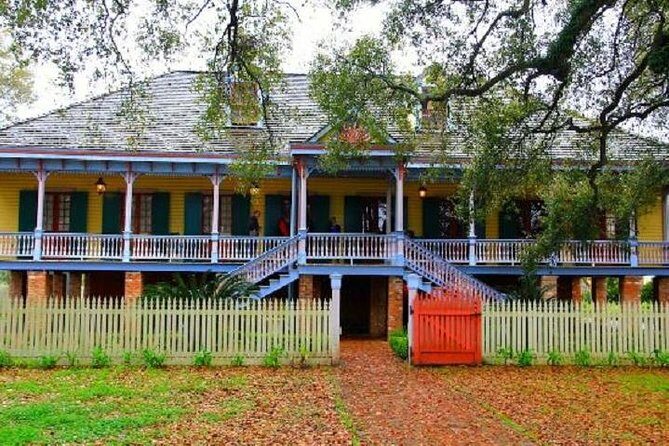
The route goes downriver along the old French Market before you reach the Ursuline Convent. This stop is described as the oldest building in the Mississippi Delta from Colonial times, and it connects you to early 1700s life through the story of the nuns who lived there.
I like this part because it expands the tour beyond 19th-century legends and into the kind of long survival that history books often skip. The nuns you’ll hear about are portrayed as adventurous and courageous, and that spirit makes the building feel more human than museum-like.
It also gives you a real break from the densest streets of the Quarter. Even in a compact walking tour, the change in setting matters.




Danny Barker, banjo, and why traditional jazz survived
One of the most culture-forward stops is the house tied to Danny Barker, the legendary banjo player who played a big role in preserving traditional jazz. If jazz history feels abstract to you, this stop turns it into something grounded in place.
I also like the placement. By the time you reach Danny Barker’s story, you’ve already seen the city deal with hurricanes and fire, and you’ve confronted the consequences of slavery and commerce. Then you get a different kind of continuity: music as memory, music as protection, music as a way people kept their identity intact.
Sicilian immigrants and the macaroni factories
As the walk continues, you’ll pass one of the former macaroni factories of the lower French Quarter. This is where Sicilian immigration shows up in a very practical way: food production, trade, and working life.
It’s an easy detail to overlook if you’re only chasing the big icons. I like that this tour makes immigrant labor and local industry visible, not just the names of the famous.
If you’re into the way cultures blend through everyday work, this section rewards you.
Slavery sites you can’t ignore: the St. Louis Hotel and Exchange
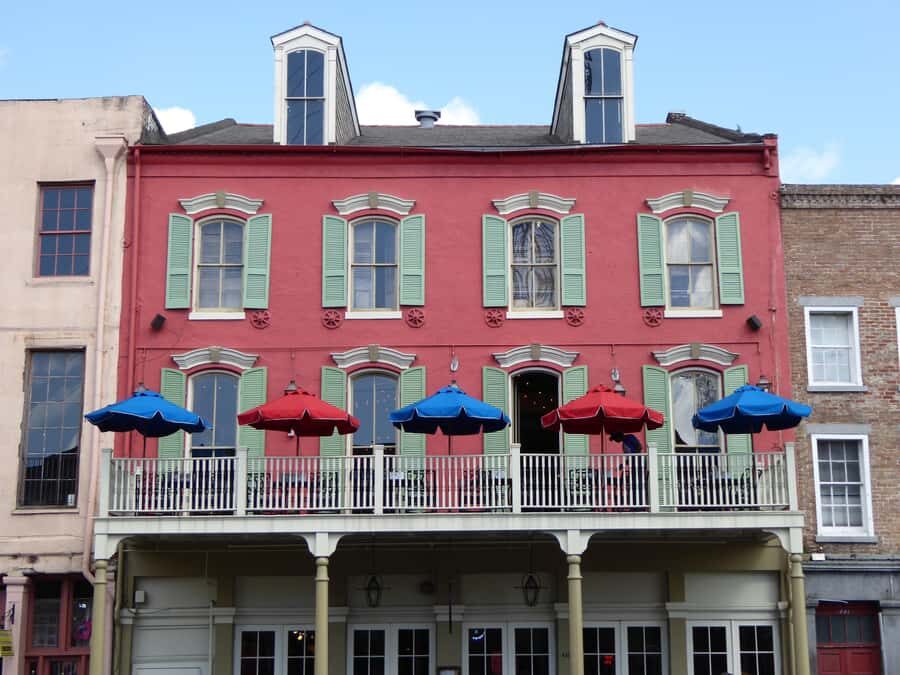
The tour includes a hard stop at the former St. Louis Hotel and Exchange, where thousands of Africans were sold into slavery. It also points out several former slave markets and teaches you about Jean Francois Merieult, described as an influential and powerful Creole businessman and slave trader.
This is not the kind of walking tour that avoids ugly details. It gives you names, locations, and scale—especially with the St. Louis Hotel and Exchange piece, which focuses on the thousands of people sold there.
If you’re visiting with kids or someone sensitive to intense history, plan for the fact that this tour doesn’t stay in a comfortable tone. For others, it’s exactly the point: understanding New Orleans means understanding what was traded and what was stolen.
Preservation Hall and Madame de Pontalba: jazz at the finish line
After the slavery and industry-heavy sections, you’ll stop at Preservation Hall, the city’s holy grail for traditional jazz. This is a strong emotional shift from the earlier lessons, and that contrast is part of what makes the tour feel complete.
Then you return to Jackson Square with a story about Madame de Pontalba, a French baroness and businesswoman known for her eye for beautiful architecture. Ending here matters because Jackson Square isn’t just a scenic frame for photos; it’s where you connect the human stories to the built environment.
I think that ending works well. You start the walk at a lively public square, you learn how people shaped the city through disaster and commerce, and you finish with architecture as a result of business, taste, and power.
Price and value: what $50 buys in 2 hours
At $50 per person for a 2-hour guided walk, this tour feels like good value if you want depth without spending your whole day in “history mode.” You’re not paying for a long bus ride or a half-day schedule. You’re paying for a guide who organizes a tight route and points you at specific places tied to the city’s big turning points.
You also get a mix that’s hard to find together: beignets at Cafe du Monde, hurricane protection and Katrina, the 1788 fire, slavery sites, Sicilian food industry, Danny Barker and traditional jazz, and finally Preservation Hall plus Madame de Pontalba. That’s a lot of major ground for a short time window.
One more value point: the tour is available in English and German and is wheelchair accessible. If that matters for your group planning, it’s a practical advantage.
Who this tour fits best (and who might skip it)
I think this is a strong match if you want a tour that feels like New Orleans as a system: food, music, architecture, disaster planning, and the darker parts of the city all tied together. If you care about traditional jazz, the combination of Danny Barker’s story and the Preservation Hall stop is a big draw.
It may be less ideal if you want only light entertainment. The route includes Katrina-related lessons, the Great Fire of 1788, and multiple slavery locations, including the St. Louis Hotel and Exchange and the former slave markets. Some people like knowing that up front, so they can decide how much emotional weight they want during their trip.
Should you book this French Quarter walking tour?
Book it if you want a tight 2-hour loop that links the French Quarter’s icons to the real events and people behind them. The beignet making at Cafe du Monde and the Danny Barker plus Preservation Hall pairing are the fun side, and the hurricane, fire, and slavery stops keep the story honest.
Skip it only if you’re specifically avoiding heavier topics or you’d rather spend your time on purely scenic wandering. For everyone else, it’s a smart way to see more than one side of the Quarter without turning your day into a long slog.
FAQ
How long is the New Orleans French Quarter Walking Tour?
It’s a 2-hour guided walk.
Where does the tour start?
Meet outside the former Louisiana Welcome Center at 529 St. Ann Street, near Jackson Square. The storefront there is now Fives Bar, and you should look for your 504tours guide. It’s mid-block to the left of Jackson Square as you face the river.
How much does it cost?
The price is $50 per person.
Is the tour in English, German, or both?
The live guide offers English and German.
Is any food included?
No. Food and drink are not included.
Does the tour run in bad weather?
Yes, it runs rain or shine.
Is it wheelchair accessible?
Yes, the tour is wheelchair accessible.
Cancel up to 24 hours in advance?
You can cancel up to 24 hours in advance for a full refund.