REVIEW · NEW ORLEANS
New Orleans Voodoo History Walking Tour
Book on Viator →Operated by Haunted History Tours · Bookable on Viator
Voodoo history sounds spooky. It’s not jump-scare scary. This 1.5-hour evening walking tour brings you to real voodoo altars and teaches the religion’s roots in New Orleans, not the Hollywood version. I like the educational tone that stays respectful, and I also like how guides such as Juliet, Chrissy, and Brie are praised for making the stories clear and engaging. One drawback: if you’re expecting a horror show or constant “wow” scenes, you may find it more lecture than action—plus it’s not recommended for younger children.
Plan on moderate walking and a start time that matters. The tour takes off around 7:30pm, and you’ll want to arrive about 20 minutes early so you’re not rushing in the dark. It runs rain or shine, so good shoes and weather-ready clothes really pay off.
In This Review
- Key Points Before You Go
- Why This 7:30pm Voodoo History Walk Feels Different
- Getting There: Meeting Spot, Group Size, and the Pace
- Stop 1 at Reverend Zombie’s Voodoo Shop: Where the Tour Gets Real
- Bourbon Street: Learning the Myths and Moving Past the Stigma
- Royal Street and the “Hysteria” Thread Through Old New Orleans
- Bourbon Orleans Hotel: The Orleans Ballroom and a Haunted-Story Bonus
- Marie Laveau and New Orleans Origins: Why It’s Not Just Ghost Stories
- Guides Matter: The Tone You’ll Probably Get
- Is $30 Good Value for a Voodoo 101 Evening?
- Who Should Book This (and Who Should Skip)
- Quick Tips to Get the Most From the Tour
- Should You Book This New Orleans Voodoo History Walking Tour?
- FAQ
- Where is the meeting point?
- What time does the tour start?
- How long is the voodoo history walking tour?
- How much does it cost?
- What days is the tour offered?
- Is the tour walking-heavy?
- What’s the tour like for children?
- Is food and drinks included?
- Does it run in bad weather?
- Can I get a full refund if I cancel?
Key Points Before You Go
- Real voodoo altars on the route for a firsthand look (and a reality check on movie myths)
- Myth vs. religion focus—this is history and practice, not a scary performance
- Evening timing at 7:30pm keeps the tone right for the stories and the city’s mood
- Small-ish group size (max 28) makes it feel easier to follow along
- Moderate walking and lots of street stops means you’ll stand at times, even if it’s not a long trek
Why This 7:30pm Voodoo History Walk Feels Different
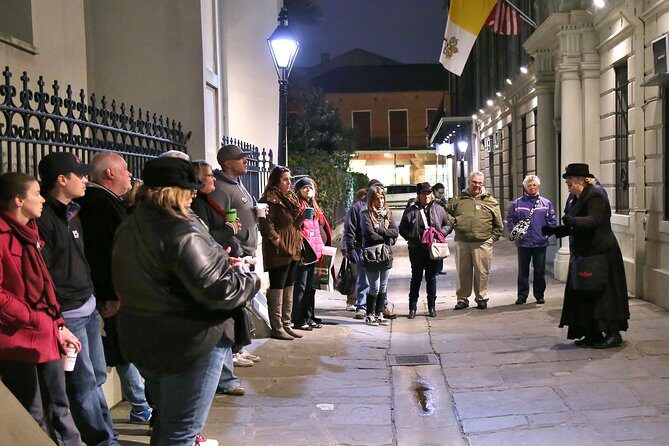
New Orleans does night well. This tour is scheduled for 7:30pm, which gives it a natural rhythm: street corners become story corners, and the history lands with more weight than it would in daylight.
What makes the evening visit especially useful is the tour’s purpose. You’re not just hearing legends. You’re learning how voodoo developed, how it fit into New Orleans life, and what’s still practiced today. The approach is grounded, and that’s why reviews often describe it as a lecture—clear, sometimes animated, and built to educate.
The other thing I like about the timing is how it helps you choose your moment in your trip. If you book early, the city’s voodoo references start making sense fast. If you book late, you’ll still get value, but you’ll have to do more mental catching up.
You can also read our reviews of more walking tours in New Orleans


Getting There: Meeting Spot, Group Size, and the Pace
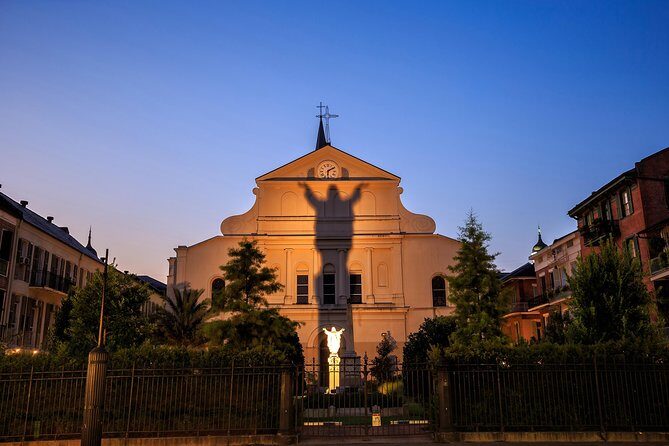
The tour starts at Vampire Apothecary Restaurant & Bar, 725 St Peter, New Orleans, LA 70116. The departure is timed for about 7:30pm, and the guidance is straightforward: arrive around 20 minutes early.
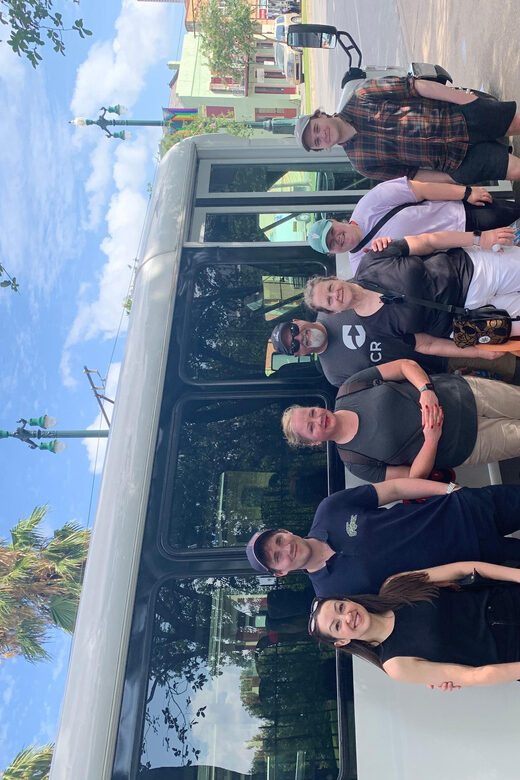
Expect a small group, capped at 28 travelers. That’s big enough for a lively group, but small enough that you’re not just listening to a voice disappear into a crowd.
The walking load is described as moderate, not marathon. Still, you’ll want comfortable shoes, because the route is built around short street stops. Also remember it operates rain or shine, so you’ll be out there even if the weather isn’t cooperating.
One practical note: the tour language is English, and it uses a mobile ticket. If you’re the type who wants everything ready on your phone before leaving the hotel, do that ahead of time and skip the last-minute app fiddling.
Stop 1 at Reverend Zombie’s Voodoo Shop: Where the Tour Gets Real
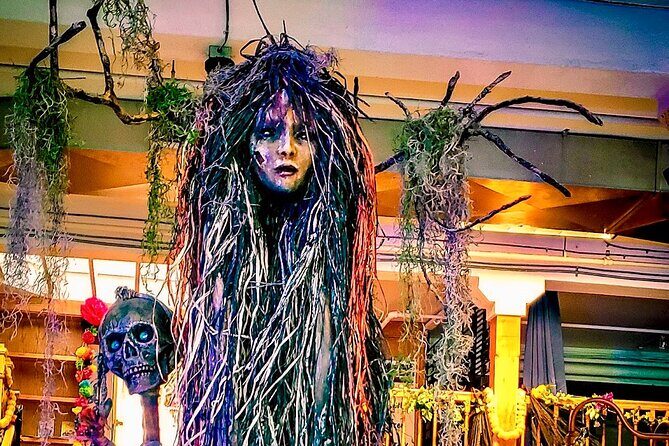
The first stop is Rev. Zombie’s Voodoo Shop, located on St. Peter Street between Bourbon and Royal. This is where the evening’s tone gets set, because you begin with context rather than just vibes.
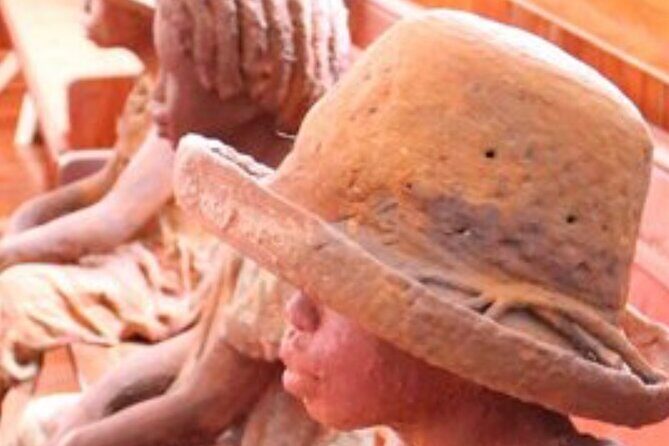
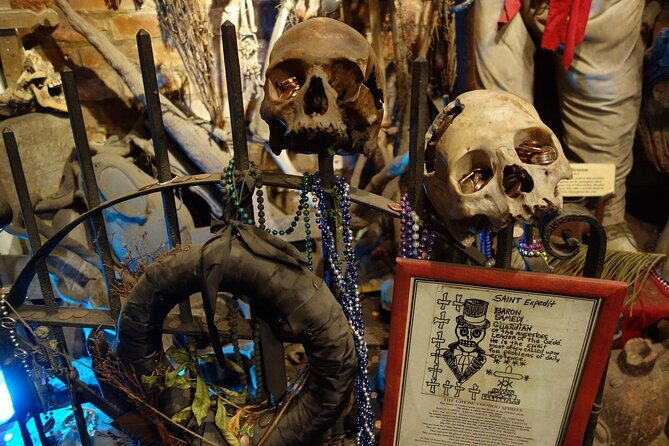
This is also the place where the tour’s big promise shows up: you’re not only hearing about voodoo—you’re learning in the presence of real voodoo altars. That matters, because it shifts the conversation away from stereotypes and toward actual practice and meaning.
The shop stop functions like your foundation. You’ll hear how voodoo came about and how it took shape in New Orleans over time. If you’re trying to understand why the subject gets misunderstood, this is the part that gives you the tools.
One consideration: since the tour content is described as not recommended for young children (and it happens in the evening), you should treat this as an adult-friendly history experience. It’s also a good fit for anyone who wants to ask themselves, Is this just myth, or is there a real religion here? This stop points you toward the answer.
Bourbon Street: Learning the Myths and Moving Past the Stigma
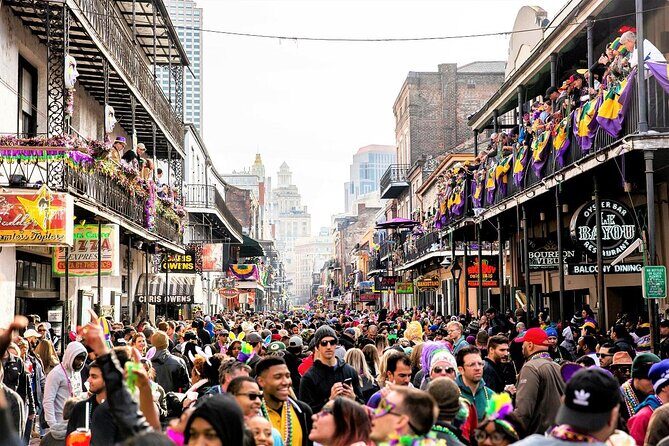
Next up is Bourbon Street, and the tour uses it for something useful: sorting Hollywood fear from cultural reality. That’s a tall order on Bourbon Street, but it’s a smart choice because the area is famous for exaggeration—so it becomes a perfect classroom.
At this stop, the tour’s goal is to dispel myths and reduce stigma. You’ll hear historical and educational context about how people have misunderstood voodoo for generations, and how New Orleans shaped the religion through a mix of cultures.
A heads-up for expectations: Bourbon Street is loud by nature. If you’re hoping for a quiet, museum-like experience, you might find some moments compete with street noise. Bring patience and listen closely—your guide’s job is to translate the street’s drama into real history.
Also, this is where your tour becomes more than facts. It starts to change how you see the city—why certain stories stick around, why fear spreads, and why the religion’s actual traditions get flattened into punchlines.
Royal Street and the “Hysteria” Thread Through Old New Orleans
The route then turns to Royal Street, where the stories shift from myth-busting to old-world context. Here, the tour focuses on a period when New Orleans saw hysteria for over one hundred years.
That’s not random drama. It’s the backdrop for understanding why voodoo became such a target of rumor and fear. When you understand the social pressure—what people believed, what they feared, and how that fear got repeated—you understand why stigma has lasted so long.
Royal Street is also visually different from Bourbon Street, and that helps. The tour’s structure uses those contrasts on purpose: you move from a party-famous street into a slower-feeling corridor of shops and history. The walk starts to feel like a guided tour of how narratives travel through a city.
You can also read our reviews of more historical tours in New Orleans




Bourbon Orleans Hotel: The Orleans Ballroom and a Haunted-Story Bonus
One stop includes the Bourbon Orleans Hotel, specifically the Orleans Ballroom. This is described as the oldest ballroom in New Orleans, and it’s also said to be haunted by a girl dancing.
Important practical detail: the stop notes that admission for this part is not included. So if you’re hoping to go inside for anything beyond the exterior/area view, don’t assume it’s covered.
Still, even with that caveat, the “haunted” angle can add texture. It doesn’t replace the voodoo education—it sits alongside the broader New Orleans tradition of mixing belief, story, and place. Think of it like a cultural side note that helps you understand why this city loves both history and legend.
If you’re the type who gets impatient waiting around inside buildings (or if you prefer to keep moving), plan to stay flexible here. This is one moment where the tour may pause a bit more than you’d expect.
Marie Laveau and New Orleans Origins: Why It’s Not Just Ghost Stories
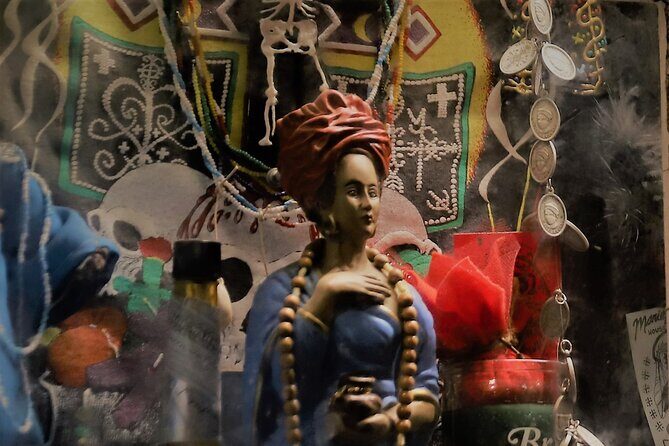
The final story thread centers on Marie Laveau and the birthplace of New Orleans, as the tour follows along with those references. Marie Laveau’s name comes up so often in pop culture that it’s easy to treat her like a costume or a character.
This tour aims to do something different: place her within what’s known about New Orleans voodoo culture and how it connected to the city’s identity. Whether you already know who Marie Laveau is or you’re starting from scratch, this part helps you put a face (and a timeframe) on the religion’s New Orleans story.
What I like here is the direction: it brings you from street stops into named history. That makes everything else click. Once you understand why a specific person mattered, you can re-read the city’s old references with better context.
Guides Matter: The Tone You’ll Probably Get
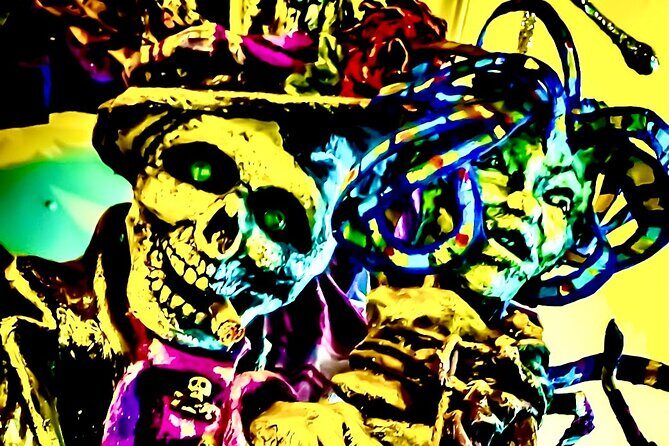
Guides are the heart of this kind of walking tour. Reviews repeatedly praise the guides’ ability to keep the stories clear and engaging, often with humor that doesn’t derail the point.
Names that come up often include Juliet, Chrissy, and Brie—all described as good at balancing historical facts with an upbeat delivery. One theme stands out: it’s not a shock-horror experience. Even when there are legends, the tour tends to frame them inside education.
On the flip side, there are also negative experiences tied to pacing or style. If you’re sensitive to fast talking, jokes that feel too “dad joke” for you, or guides going on tangents, this is worth keeping in mind. Your best move is simple: focus on the history beats—origins, practice, and what’s still practiced today—and ignore the small side detours.
Also, don’t mistake “adult-only” vibes for guaranteed thrills. The tour is built around the religion’s background. If you come for a scare, you’ll likely leave underfed.
Is $30 Good Value for a Voodoo 101 Evening?
At $30 per person, this tour is priced like a serious history experience, not a high-ticket attraction. You get a local guide and about 90 minutes of guided walking and storytelling.
That’s solid value if your main goal is context. New Orleans has plenty of ways to entertain yourself, but not many that take the time to separate myth from religion while still using real places. The tour’s biggest value-add is that it’s structured: you’re led stop to stop, and the guide connects the dots between origin stories, city history, and lived practice.
It’s also a good deal because it’s not requiring you to buy extra items mid-tour. The only exception is that if you want anything beyond the normal route experience at the hotel stop, admission isn’t included there.
The main “cost” is your time and energy. There’s no food or drinks included. So if you’re hungry, eat before you go and keep water handy. Evening tours work best when you don’t feel like you’re negotiating your stomach while trying to focus.
Who Should Book This (and Who Should Skip)
Book this tour if you want:
- A Voodoo 101 type evening that explains origins and modern practice
- A route that uses the city’s street names and spaces to teach context
- A respectful tone that focuses on why stigma exists and how myths formed
Skip it if you want:
- A constant stream of hands-on exploration or “hidden doors” to chase
- A big scare factor or thrill ride
- Something ideal for young kids (the tour’s content and timing aren’t recommended for them)
This is also a smart choice if you’re the kind of visitor who likes to learn first, then roam after. Get the background on voodoo in New Orleans, and suddenly you’ll notice more details on your own walks.
Quick Tips to Get the Most From the Tour
- Arrive about 20 minutes early so you’re ready when the group sets off.
- Wear comfortable shoes. You’ll stand at street stops.
- Bring your curiosity, not your assumptions. The point is to replace Hollywood fear with real context.
- If you get easily bored by lecture-style experiences, mentally frame it as history education with a bit of local storytelling, not a haunted attraction.
Should You Book This New Orleans Voodoo History Walking Tour?
I’d book it if you want to understand New Orleans voodoo with clarity and respect. At $30, the tour offers a strong chunk of guided time, real-place context, and a clear mission: explain where the stories came from and what the religion actually involves.
I wouldn’t book it if you want pure scares, nonstop movement, or a kid-friendly outing. This one is for people who enjoy stories that teach, even when they’re delivered with a little humor.
If you want, tell me your travel dates and what you’re hoping to get out of New Orleans (history, food, ghosts, culture). I can help you decide if this should be your first voodoo stop—or your last.
FAQ
Where is the meeting point?
You meet at Vampire Apothecary Restaurant & Bar, 725 St Peter, New Orleans, LA 70116.
What time does the tour start?
The tour starts around 7:30pm, and you should arrive about 20 minutes early.
How long is the voodoo history walking tour?
It lasts about 1 hour 30 minutes (about 90 minutes).
How much does it cost?
The price is $30.00 per person.
What days is the tour offered?
It runs on Fridays, Saturdays, and Sundays.
Is the tour walking-heavy?
It includes a moderate amount of walking, and you should wear comfortable shoes.
What’s the tour like for children?
It isn’t recommended for young children, due to the content and the fact that it takes place in the evening.
Is food and drinks included?
No. Food and drinks are not included.
Does it run in bad weather?
Yes. The tour operates rain or shine.
Can I get a full refund if I cancel?
Yes, there is free cancellation, and you can cancel up to 24 hours in advance for a full refund.