REVIEW · NEW ORLEANS
New Orleans: Oak Alley Plantation Tour and Transportation
Book on GetYourGuide →Operated by 2nd Line Tours · Bookable on GetYourGuide
Oak Alley hits fast, then stays with you. This tour pairs the Greek Revival grandeur with guided historical commentary, starting with pickup from near Canal Street.
I like the practical hotel transportation setup, especially if you do not want to rent a car for the trip to Edgard. You also get a structured visit that keeps the day from turning into guesswork.
One thing to keep in mind: the balance of what gets emphasized can feel uneven, so if your top priority is a fuller focus on enslaved people’s stories, plan to ask questions and be ready to add your own reading afterward.
In This Review
- Key things to know before you go
- Getting From Canal Street To Edgard: Transportation That Actually Works
- The Oak-Lined Approach and the 300-Year-Old Alley
- Greek Revival Mansion Tour: What You’ll Learn Inside
- Learning the Human Story: Owners, Enslaved People, and the Hard Parts
- How Much Time You Have: Making 270 Minutes Feel Enough
- Price and Value at $75: What You’re Paying For
- Who This Tour Suits Best (and Who Might Prefer Another Plan)
- Should You Book Oak Alley Plantation With Transportation?
Key things to know before you go
- The iconic Oak Alley photo lane: A famous oak-lined pathway sets the tone before you even reach the mansion.
- Guided mansion + grounds: You’re not just walking; you have commentary on what you’re seeing across the property.
- Greek Revival architecture: The main house is an early 19th-century style highlight.
- Pickup starts at 8:00 AM: Be ready on time, with a small grace period for drivers.
- Food is not included: Bring water and be ready for a long, standing-and-walking visit.
- Coverage can vary in emphasis: Some people want more focus on enslaved lives; you may want to supplement if that matters most.
Getting From Canal Street To Edgard: Transportation That Actually Works
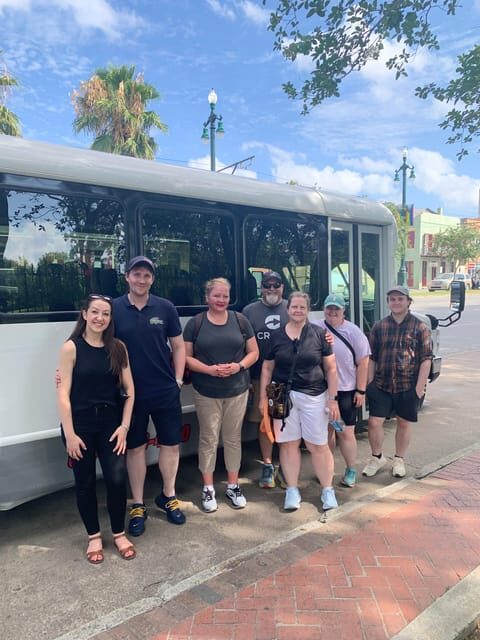
This tour is built around one big convenience: you get transportation out of New Orleans, plus complimentary hotel pickup for many stays near 414 Canal St. That means you can spend your morning thinking about the plantation, not wrestling with parking, timing, and directions.
Pickups begin at 8:00 AM, and drivers make multiple stops along the route. There’s a 30-minute grace window, but don’t treat that like a plan. If you’re even slightly late, you’ll lose time that could’ve gone to the tour and your own wandering.
If your hotel or Airbnb is outside the pickup zone, you’ll meet the driver at 414 Canal St. I like that this is clearly stated, because it removes the annoying uncertainty some half-day tours create. You just show up at one place, at one time, and go.
For a smooth day, go simple: comfortable clothes, comfortable shoes, and water. Even if the day feels mild, plantations involve sun, walking, and waiting your turn inside and outside.
You can also read our reviews of more tours and experiences in New Orleans.



The Oak-Lined Approach and the 300-Year-Old Alley
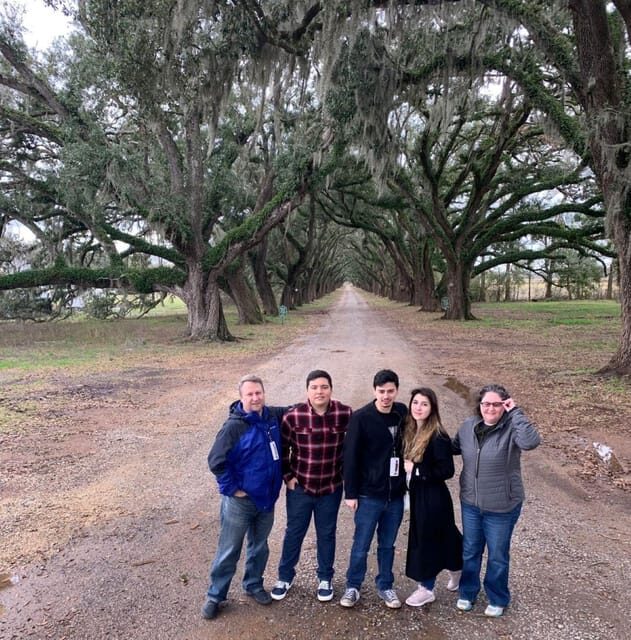
The first wow moment is the approach itself. Oak Alley is known for its iconic oak-lined pathway, and you feel it immediately. The trees create a tunnel effect that makes the property look bigger and older than it already is on paper.
This part is more than a postcard. Walking beneath those oaks changes your pace. You slow down for photos, but you also slow down to actually look at the scale—of the road, of the house above the trees, and of the way the property was designed to impress.
Practical tip: wear shoes you trust. The grounds are meant for strolling, not for sprinting in flip-flops. If you get tired easily, this is one of those tours where good footwear is the difference between enjoying the walk and just surviving it.
And yes, you’ll likely want your phone or camera ready. The alley is a straightforward photo setup: long lines, repeating trunks, strong lighting patterns. If you care about pictures, you’ll be tempted to linger here—do it, but remember you still have a guided portion and time to explore afterward.
Greek Revival Mansion Tour: What You’ll Learn Inside
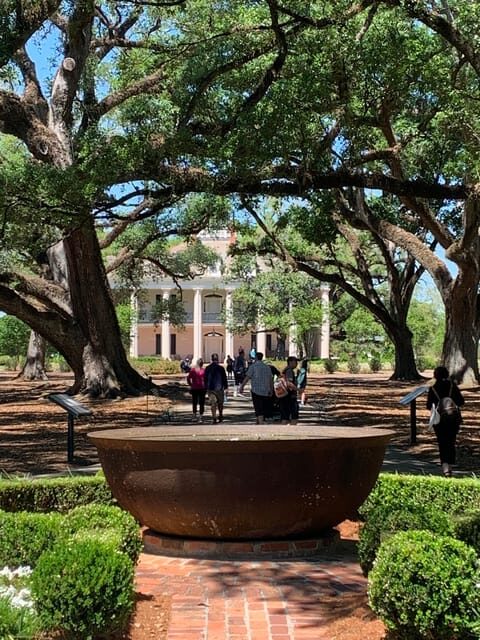
Once you reach the mansion area, the tour shifts into guided history. The main house is a Greek Revival structure dating to the early 19th century. That architecture matters because it signals power—how the owners wanted the plantation to be viewed, both practically and socially.
During the guided portion, you’ll explore the Greek Revival mansion and the surrounding grounds. Guides are meant to connect what you see—rooms, layout, and property features—to what life was like there in that era.
Here’s the reality check: the tour’s narration can put a heavier focus on the owners and their lives than on enslaved people’s experiences, compared with what some visitors expect. That does not mean the enslaved story is ignored, but the emphasis may feel lopsided if you’ve come specifically for that angle.
Still, if your goal is to understand how the plantation operated as a physical place—how families lived alongside the systems that exploited others—you’ll probably find the mansion visit informative. It’s the kind of tour where the building itself teaches you something, even before you absorb every detail from the guide.
Learning the Human Story: Owners, Enslaved People, and the Hard Parts
Oak Alley’s guided commentary is described as covering the lives of the plantation’s owners and also the enslaved individuals who shaped its legacy. That’s important because plantation history is not just about architecture or agricultural success. It’s about human choices, forced labor, and the consequences that still echo today.
I find it helpful to think of the tour as a starting point, not the final word. Some guides provide clear context about daily routines and the broader social and cultural environment of the time. And even when the tone feels uneven, the tour can still give you key terms and themes that make self-guided reading afterward easier.
One review-style concern to take seriously: if you want a fuller, more centered look at enslaved people’s daily lives and resistance, you may feel like you need to do extra work after the tour. So before you go, decide what you’re hunting for. If your priority is the enslaved story above all else, ask your guide what they cover and be ready with a follow-up plan.
A simple strategy: after the guided part, use your remaining time to explore the grounds with intention. Look for interpretive signs, take notes for questions you still have, and don’t assume you’ll leave with every answer. The plantation is large enough that the details can be easy to miss if you’re only half-paying attention.
How Much Time You Have: Making 270 Minutes Feel Enough

The listed duration is 270 minutes. That’s about 4.5 hours, which sounds long until you remember it includes travel time and pickup timing. In practice, this is a half-day tour where you get a guided structure first, then you’re allowed to breathe and explore what remains.
Because the tour includes transportation, you should treat your schedule like a meeting: show up early, stay flexible, and don’t plan a rushed jump to your next activity. I’m especially cautious if you have a flight later the same day. Plantation tours have a way of expanding in real time—people take longer walking, photos take time, and pickup can add friction.
Also note what’s not included: food and drinks. That’s a big one. In the Louisiana sun, water matters more than you expect. If you get thirsty, you’ll waste time waiting instead of walking and learning.
Plan for comfort. Bring water, keep a light layer if you’re sensitive to AC on the ride back, and expect some standing and walking on uneven ground.






Price and Value at $75: What You’re Paying For
At $75 per person, the math comes down to what you’re avoiding. You’re paying for a guided visit plus round-trip transportation from New Orleans with pickup in the 414 Canal St area.
If you can drive yourself, you might save money. But when you factor in stress—parking, timing, and getting the schedule right—this tour can be a fair bargain for first-timers. The pickup also matters because Edgard is not a place you just hop to during lunch.
I’d call this good value if you:
- want a guide to point out what to notice
- don’t want the logistics headache
- prefer a timed group experience over solo planning
I’d rethink it if you:
- need a very specific historical focus (especially if that focus is enslaved people’s experiences above all else)
- have a tight departure window and can’t absorb delays
Either way, the plantation experience is what you’re really buying: the oak-lined setting, the guided mansion visit, and the structured way to process a difficult part of American history.
Who This Tour Suits Best (and Who Might Prefer Another Plan)
This tour fits best if you want a classic Oak Alley introduction with guided context and a ride that gets you there and back without a car.
It’s a solid match for:
- first-time visitors to Oak Alley who want a clear starting point
- people who enjoy architecture and built environments tied to historical interpretation
- travelers who prefer guided structure but also plan to read and think afterward
It may not be the best match if:
- you’re looking for a heavily centered, in-depth focus on enslaved people’s lived experience and resistance
- you need absolute schedule predictability for a same-day flight
- you dislike tours where the narration feels more spent on certain narratives than others
If your heart is set on the enslaved story above everything else, I’d treat Oak Alley as one stop on a bigger history path. Pairing it with another plantation site designed for that focus can make your overall understanding more complete.
Should You Book Oak Alley Plantation With Transportation?
If you’re coming to New Orleans and you want to see Oak Alley with the convenience of pickup and a guided walkthrough, I think this is worth considering. The oak-lined alley and the Greek Revival mansion give you a strong sense of the place quickly, and the tour provides a guided entry point into plantation-era life.
Just book with your eyes open. This is not a one-size-fits-all history lesson for every visitor. If enslaved people’s experiences are your top priority, plan to do a bit of homework after the tour, and be ready to ask your guide what they emphasize.
With comfortable shoes, water in your bag, and a schedule that allows a little breathing room, this half-day outing can be both moving and useful.