REVIEW · NEW ORLEANS
New Orleans Haunted Legends & Scandals Small Group Tour
Book on Viator →Operated by WeVenture New Orleans · Bookable on Viator
A stroll through New Orleans with spooky stories. This 2-hour French Quarter tour ties ghostly legends to real landmarks—starting at Jackson Square and threading through prisons, pirate streets, and voodoo lore. It’s the kind of haunted walk that feels more like history class with better lighting and just enough creep.
I especially like the way the guide-led storytelling keeps facts and legends in the same frame. You’ll get plenty of context about what you’re seeing—like why the Cabildo area mattered during Spanish rule and how the cathedral’s site has held major religious events and darker chapters. I also like the small group size (max 12). It makes it easier to hear your guide clearly and ask questions without turning the walk into a cattle drive.
One heads-up: this isn’t built for maximum jump-scare horror. The tone is more history-forward than full-on spooky theater, and some stops aren’t guaranteed, so go in expecting a flexible route rather than a strict checklist.
In This Review
- Key highlights that make this tour worth your time
- Haunted legends that stay grounded: what this tour is really like
- Starting in Jackson Square: where the French Quarter’s big names all cluster
- Presbytere and St. Louis Cathedral: Spanish colonial angles and big-city church history
- French Quarter streets: legends in the air, music on the side
- Cabildo’s prison past and how names carry clues
- Pirate’s Alley: what’s in a name (and why you should care)
- Voodoo queen stories and the shops you’ll pass
- Mansions, slavery, and how the tour handles the darker side
- Price, timing, and what you’re really paying for
- Who this tour suits best (and who should skip it)
- Quick practical tips before you go
- Should you book New Orleans Haunted Legends & Scandals?
- FAQ
- How long is the New Orleans Haunted Legends & Scandals small group tour?
- Where does the tour start and where does it end?
- What’s included in the ticket price?
- Are food and drinks included?
- Is the tour ticket mobile?
- What group size should I expect?
- Can I cancel for a full refund?
- Are service animals allowed?
Key highlights that make this tour worth your time
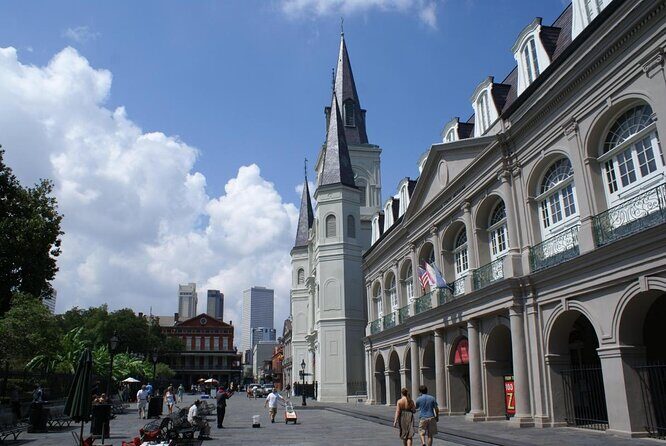
- Jackson Square as the launching pad, with St. Louis Cathedral and the Cabildo in view right from the start
- Pirate’s Alley + Cabildo prison history, explained with names, legends, and the “why that matters” angle
- St. Louis Cathedral context, including its long presence since 1794 and stories tied to major events
- Voodoo stories and nearby shops, presented as culture and history, not gimmicks
- A more history-than-horror vibe, so you’ll learn while you’re getting a little chills
- Crescent Care donation included, so your ticket supports a local cause while you walk
Haunted legends that stay grounded: what this tour is really like
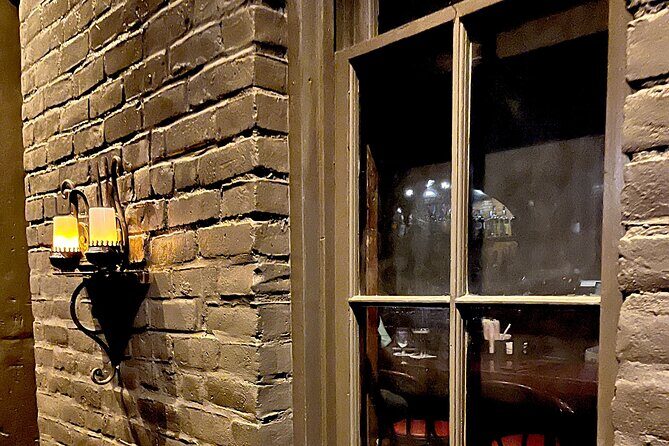
This tour sells “haunted legends,” but the experience feels more like New Orleans storytelling at street level. You’re not stuck in a dark room with cheap sound effects. Instead, you’re outside, walking between recognizable landmarks, with your guide connecting the creepy parts to the places themselves.
That matters, because New Orleans can get myth-heavy fast. Here, the spooky tales are treated as part of the city’s layered identity—pirates and prisoners, voodoo practices and misunderstandings, famous buildings with complicated pasts. The result is a walk that’s both entertaining and useful.
It also helps that the group is capped at 12 travelers. In a short 2-hour format, you want a guide who can manage pacing and keep everyone together. This setup gives you a better chance of hearing the details without constantly turning around or craning your neck.
And yes, you’ll still get ghostly flavor. Just expect it to be more “fact-based ghost stories” than “scream-your-face-off.”
You can also read our reviews of more tours and experiences in New Orleans.


Starting in Jackson Square: where the French Quarter’s big names all cluster
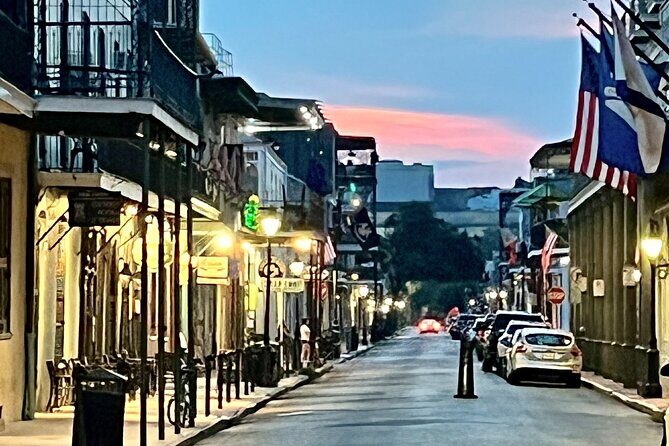
Your tour begins at 615 Pere Antoine Alley and kicks off at Jackson Square, one of the easiest places to get your bearings. The square gives you instant context because you’re surrounded by key sights at once, including the St. Louis Cathedral, the Cabildo, the Presbytere, and Washington Artillery Park.
From there, your guide ties the landmarks to stories. You’ll also see the equestrian statue in the center of Jackson Square, which points back to Andrew Jackson’s 1815 Battle of New Orleans and his time as the seventh U.S. president. That single statue is a neat example of how this tour blends national history with local streets.
Two practical notes that make Jackson Square a smart starting point:
- It’s a central hub for the French Quarter, so the walk doesn’t feel like you’re being sent miles away from everything.
- You’re starting with free, outdoor sights, which helps if you’re short on time.
If you’re wondering whether you’ll feel “lost” before the tour starts, this is one of the safer bets in New Orleans because you can visually track what’s coming next.
Presbytere and St. Louis Cathedral: Spanish colonial angles and big-city church history
A neighbor to the cathedral, the Presbytere is one of those buildings people notice but often don’t understand. Here, you’ll get a short stop that spotlights its formal colonial Spanish architecture. Even if you only catch a glimpse from where you’re standing, it’s a helpful contrast to the surrounding French Quarter vibe.
Then you move toward one of the stars of the tour: the St. Louis Cathedral. The cathedral has been standing since 1794, and the tour connects that longevity to major themes—crusading Catholics, popes interred within, and an infamous bombing tied to its story.
This stop is valuable because it doesn’t treat the cathedral like a postcard background. Your guide gives you a reason to look up at the building and consider why it mattered long before the French Quarter became the tourist magnet it is today.
Time-wise, you’ll have a short visit (around 15 minutes). That’s actually a plus. Stopping for too long would slow the entire walk. In a 2-hour tour, you want your guide to hit the high points without turning it into a lecture marathon.
French Quarter streets: legends in the air, music on the side
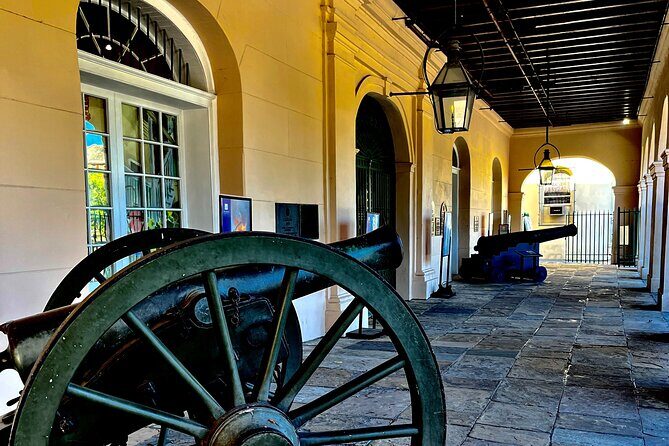
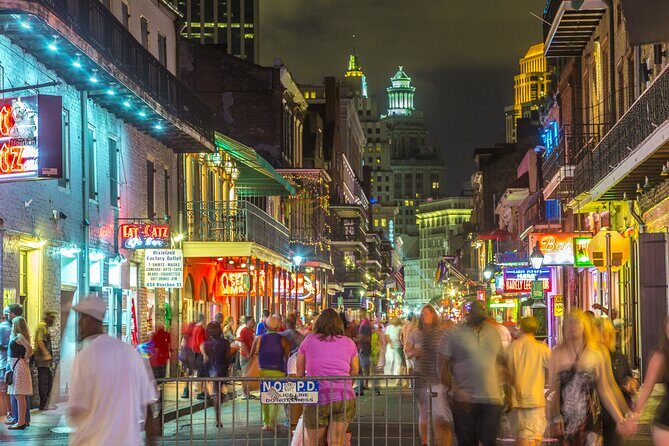
Midway through, you’ll spend about an hour in the French Quarter itself. This is where the tour shifts from landmark-to-landmark storytelling into street-level atmosphere.
You’ll hear about the neighborhood as a place of diversity—people arriving, working, trading, moving through—all tied to characters who were sometimes colorful and sometimes criminal. The walk helps you understand why the French Quarter has that feeling of layered life: it wasn’t built for one chapter of history.
Your guide may also point out a nearby street where you’ll likely see street musicians, artists, and horse-drawn carriages. Even if you don’t stop for photos, that detail matters because it shows how the “old” stories are living right alongside the modern scene.
Cabildo’s prison past and how names carry clues
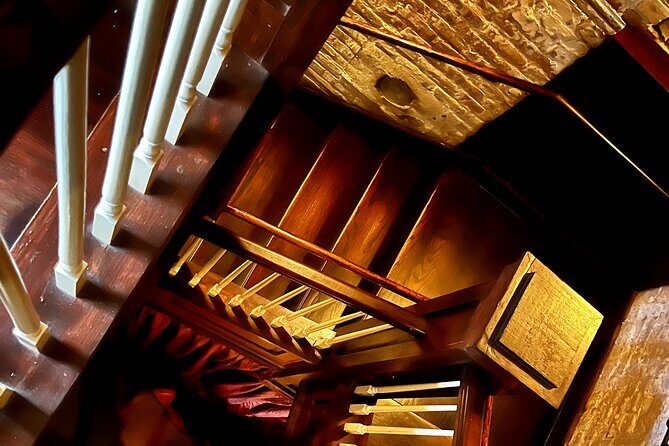
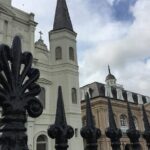
The tour includes a stop at the Cabildo, described as the former Spanish municipal government site before the Louisiana Purchase—and specifically, a place that served as a prison during Spanish rule.
This is the kind of stop where a guide makes a real difference. The Cabildo can look like just another historic building unless you’re told what happened there. Hearing about it as a prison adds weight to what might otherwise seem like a pretty facade.
The Cabildo is also a great “anchor” sight because it sits right near Jackson Square. So when your guide talks about Spanish rule, punishment, and control, you’re hearing it in the setting where those decisions played out.




Pirate’s Alley: what’s in a name (and why you should care)
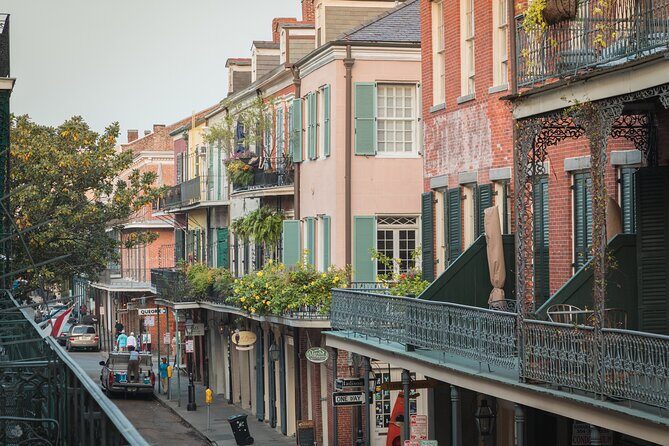
One of the most fun segments is walking through Pirate’s Alley and learning the legends behind the name. Alleyways in New Orleans often feel like you’ve stepped into a story already in progress, and Pirate’s Alley is no exception.
You’ll also pass by the Pirate’s Alley Cafe, where the tour notes the famous connection to absinthe. The guide may share a couple of tales that help explain why the place (and the alley) carry the reputation they do.
Even if you don’t stop to drink anything, this is a good moment to take in how New Orleans marketing and myth grew together. Names here are rarely accidental.
Voodoo queen stories and the shops you’ll pass
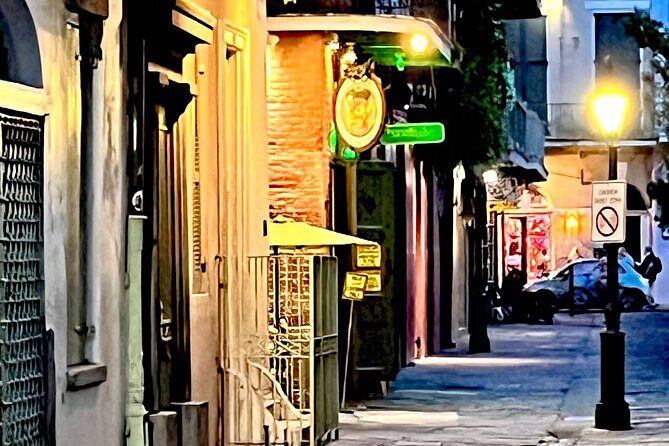
No French Quarter haunted legends tour is complete without voodoo references, and this one includes that theme. You’ll hear about voodoo’s presence in local legend and how the tour connects it to a figure sometimes called a voodoo queen, now interred in one of the city’s above-ground cemeteries.
You’ll also pass near voodoo-related shops. One stop may be a decades-long shop sharing the legacy of voodoo culture through historic relics like paintings and sculptures. Another voodoo-focused shop may specialize in dolls, talismans, and services like on-site psychic readings.
A balanced way to approach this: use these passes as context, not as a demand to participate. If you’re curious, you can pop inside on your own after the tour. If you’re not, it’s still useful to see how commercial life and cultural storytelling overlap in the neighborhood.
Mansions, slavery, and how the tour handles the darker side
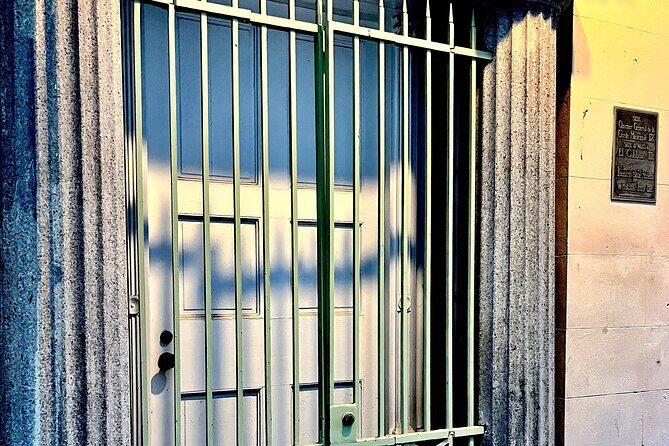
New Orleans doesn’t shy away from difficult topics, and this tour points to that directly. Along the route, you may pass a historic mansion that serves as a setting for ghost tours, and the darker details connect to enslaved people and cruel treatment tied to slavery.
That’s the part where the tour’s tone matters. If you’re hoping for spooky entertainment only, this may feel too blunt. If you want haunted stories that acknowledge real suffering, you’ll probably appreciate that the guide doesn’t treat the past like a cartoon.
You’ll also hear about the city’s heritage leading up to the American Civil War, including references tied to a raised park overlooking the Mississippi that reminds you of the war’s complicated legacy.
This tour works best when you’re willing to let “haunted” mean haunted by history, not just haunted by ghosts.
Price, timing, and what you’re really paying for
The price is $39 per person for about 2 hours. For New Orleans, that’s a fair rate for a guided, small-group walk that hits major landmarks in a tight footprint.
Here’s why it feels like value rather than an upcharge:
- You’re getting a local English-speaking guide doing the connective work between sites.
- The tour includes a local donation to Crescent Care, which is built into the ticket cost.
- You’re touring at key nodes in the French Quarter rather than spending a big chunk of time in transit.
What’s not included is also clear: food and drink, museum admissions if applicable, souvenirs, and tips. So if you plan to snack at Cafe du Monde (or elsewhere), budget for it separately.
Also note: not every location listed is guaranteed. That’s common on walking tours, especially when crowds, timing, or street conditions change. The good news is that the “spine” of the tour—Jackson Square, major French Quarter landmarks, and the legend storytelling—stays consistent.
Who this tour suits best (and who should skip it)
This experience is best for you if you want:
- A compact way to see the French Quarter without trying to research ten different sites on your own.
- A guide who connects stories to buildings instead of treating the city like one big jump-scare maze.
- A ghost-themed tour where the scariest part is often what humans did to each other.
Skip it if you want:
- A heavy horror experience with staged effects and peak “spook” energy.
- A strict itinerary where every named business or building is guaranteed to be visited exactly as listed.
If you’re the type who loves history but still wants a little chill in the air, you’ll likely enjoy the balance.
Quick practical tips before you go
- Wear shoes you trust on city sidewalks; you’ll be walking through a very active area.
- Keep a light layer handy. Weather in New Orleans can change quickly, and the guide still needs to keep the group moving.
- Have a little flexibility. The tour is short, so your guide may prioritize the best stops based on timing and conditions.
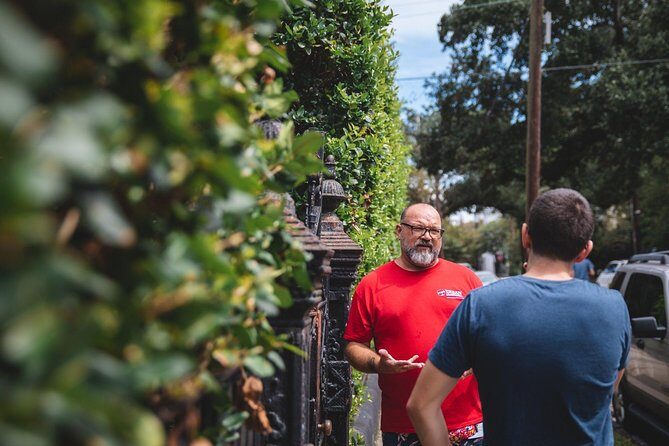
One name that shows up in guide feedback is Neil, described as kind and accommodating even in rain, with strong command of the legends and history. That’s the style that makes a tour like this feel smooth rather than rushed.
Should you book New Orleans Haunted Legends & Scandals?
I’d book it if you want a 2-hour introduction to the French Quarter that goes beyond names on a map. This tour gives you a guided thread through Jackson Square, the cathedral area, Pirate’s Alley, voodoo-connected stories, and the Cabildo’s prison history—plus it nudges you to think about slavery and the Civil War era instead of treating the city’s past as spooky wallpaper.
Don’t book it only if your goal is pure horror. If you want ghosts with context—history you can stand next to—this one fits.
FAQ
How long is the New Orleans Haunted Legends & Scandals small group tour?
It runs for about 2 hours.
Where does the tour start and where does it end?
It starts at 615 Pere Antoine Alley, New Orleans, LA 70116, USA, and ends in the French Quarter, New Orleans, LA.
What’s included in the ticket price?
You get a local English-speaking guide, storytelling of local legends, and a local donation to Crescent Care.
Are food and drinks included?
No. Food and drink are not included.
Is the tour ticket mobile?
Yes, the tour uses a mobile ticket.
What group size should I expect?
The tour has a maximum of 12 travelers.
Can I cancel for a full refund?
Yes. You can cancel up to 24 hours in advance for a full refund. If you cancel less than 24 hours before the start time, the amount paid is not refunded.
Are service animals allowed?
Yes, service animals are allowed.