REVIEW · NEW ORLEANS
New Orleans: Honey Island Swamp Tour
Book on GetYourGuide →Operated by Dr. Wagner’s Honey Island Swamp Tours · Bookable on GetYourGuide
The swamp runs on a different clock. This New Orleans Honey Island Swamp boat tour takes you out for two hours on calm bayou water with a wetland ecologist guiding what you see, from hanging moss to cypress trees. I like the way the ride stays quiet and photo-friendly, and I also love that you get real swamp ecology explanations while you’re actually there.
One thing to plan for: the tour includes live commentary and a local guide, but food and drinks aren’t included, so you’ll want to handle that on your own before or after your ride.
In This Review
- Key Things I’d Plan For
- Meeting at Cajun Encounters and Getting Set for Two Hours
- Two Hours in Honey Island Swamp: Calm Water, Hanging Moss, Cypress Shade
- The Wetland Ecologist Factor: What You Learn While You Ride
- Wildlife Spotting Without the Guesswork
- Louisiana Fishing Heritage: Why the Stories Matter
- Photography on the Bayou: Capturing Moss, Light, and Wildlife
- Logistics That Actually Affect Your Day
- Price and Value: Is $38 a Fair Deal?
- Who This Tour Fits Best (and Who Might Skip It)
- Should You Book Dr. Wagner’s Honey Island Swamp Tour?
- FAQ
- Where do I check in for the Honey Island Swamp Tour?
- How long is the tour?
- What times is the tour usually offered?
- What language is the tour guide?
- What’s included in the ticket price?
- Is food and drinks included?
- What should I bring?
- Is there a cancellation option with a refund?
Key Things I’d Plan For
- Wetland ecologist onboard: You get interpretive info as you travel through the swamp, not a dry script after.
- Cypress + hanging moss scenery: The boat glides under the kind of shade that makes photos look instantly “Louisiana.”
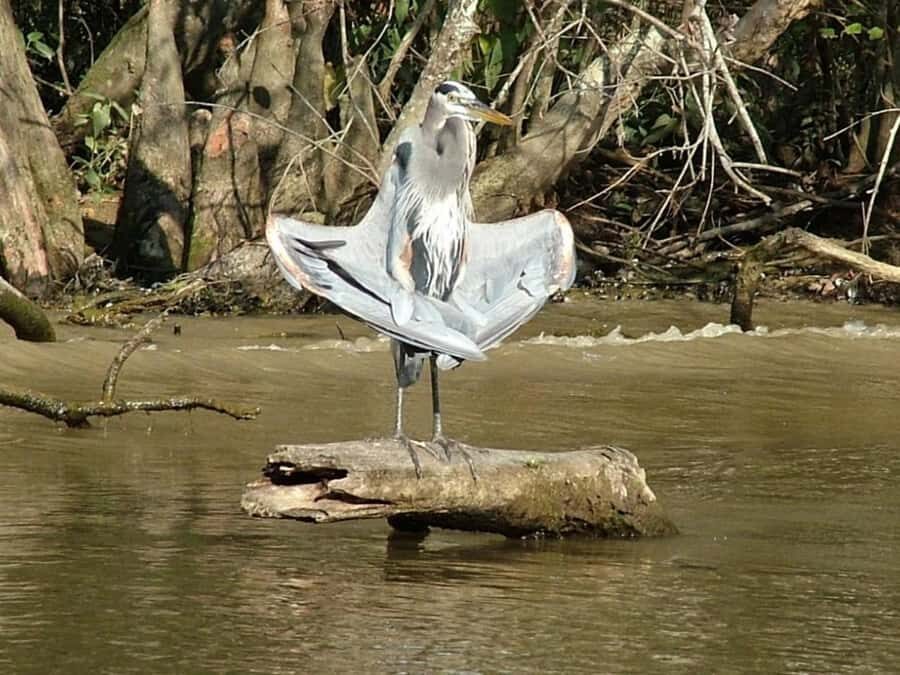
- Wildlife spotting is part of the payoff: Otters, turtles, egrets, and alligators are all on the watch list.
- Fishing heritage stories: You’ll connect the ecosystem to how locals have used the water and resources.
- Lake Pontchartrain area setting: You’re out on the protected reserve system around the lake.
- Guides who keep it lively: Names that show up in recent experiences include Yahyah, Hunter, Mark, and captains like Scott and Steve.
Meeting at Cajun Encounters and Getting Set for Two Hours
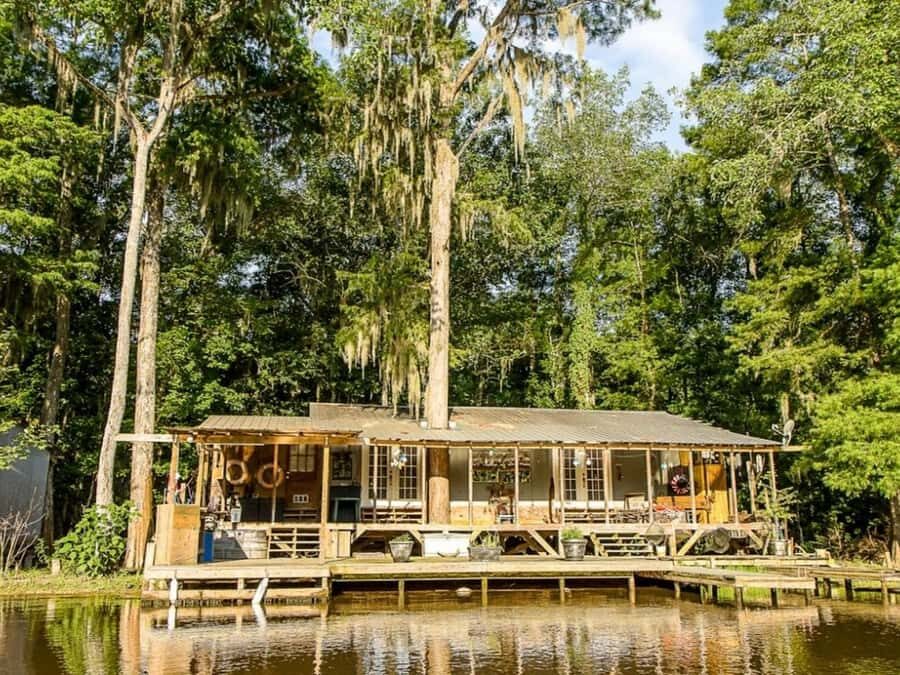
If you’re using New Orleans as your base, the smartest mindset for this tour is simple: you’re trading city noise for slow water and birdsong. You’ll check in at the Cajun Encounters gift shop, which makes the start feel straightforward instead of mysterious. Once you’re checked in, you’ll get moved toward the swamp area and the boat portion of the experience.
This is a 2-hour outing, and that time factor matters. You’re not committing to a full day in a way that forces you to rearrange everything else in your trip. It also means the guide can focus on the living details right in front of you—plants, animals, and how the swamp functions—without turning the tour into a long endurance test.
Recent trip coordination has included drivers such as Deric and Cynthia, and that’s a nice bonus when you want an easy start and helpful local direction before you even step onto the boat. It’s not just logistics; it’s the tone. When the ride out is smooth, you arrive ready to pay attention.
You can also read our reviews of more tours and experiences in New Orleans.


Two Hours in Honey Island Swamp: Calm Water, Hanging Moss, Cypress Shade
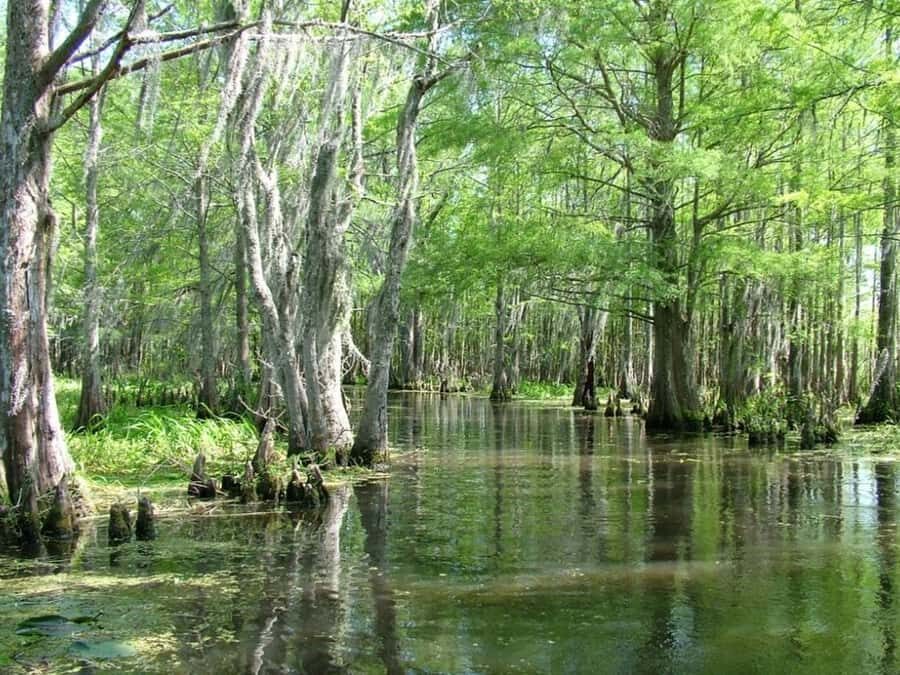
The heart of this tour is the boat ride through Honey Island Swamp, where the water tends to be calm enough for you to watch closely. This matters more than you might think. When the ride isn’t frantic, you can actually look around instead of bracing yourself. And in a swamp, looking is half the fun.
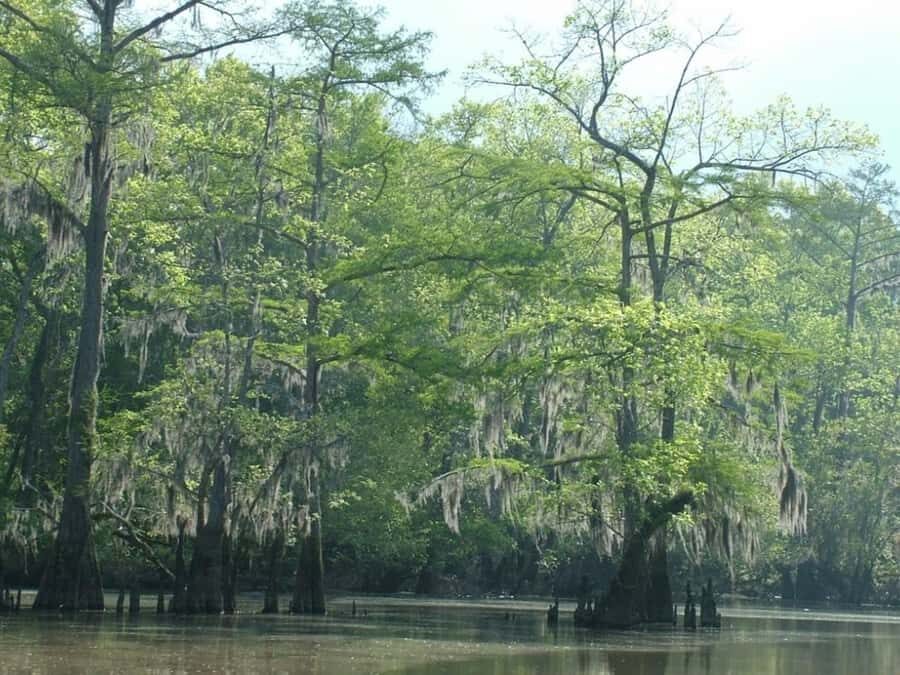
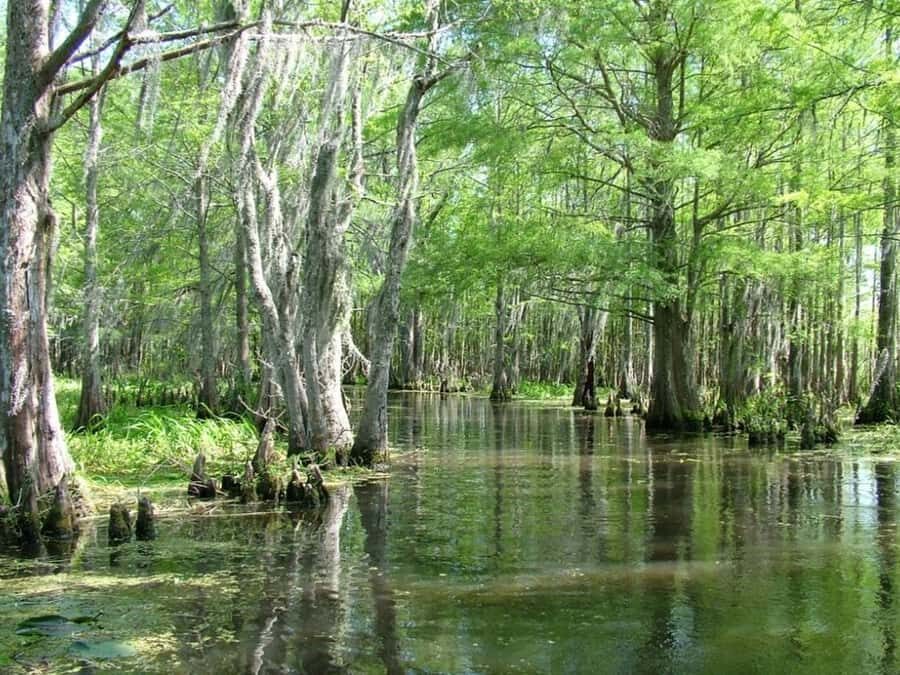
As you glide along, you’ll pass through the scenery that makes people talk about Louisiana bayous in the first place: towering cypress trees and hanging moss. The moss doesn’t just look pretty. It creates that layered, almost cathedral-like feeling in the canopy, and it also changes what you can spot—birds and smaller wildlife often use the edges and shaded zones.
The tour is described as a protected nature reserve on the shores of Lake Pontchartrain, and that’s the practical angle: this setting supports wildlife without being constantly churned up by commercial show-boating. You’re getting the feeling of a functioning ecosystem, not a staged spectacle.
Because the tour is only two hours, expect a pace that stays efficient. You’ll likely get a good mix of cruising time and focused stops where the guide points out what’s happening—then you move on and keep searching.
The Wetland Ecologist Factor: What You Learn While You Ride
The biggest quality upgrade here is that the commentary is led by a wetland ecologist. I love tours where the guide explains things you can immediately verify with your own eyes. Here, that means you’re hearing about local flora and fauna, the swamp ecosystem, and how the environment supports wildlife.
This is also where the tour becomes more than scenery. A swamp can look like “just trees and water” to someone who hasn’t been taught how to read it. Ecologist-style interpretation helps you understand why certain animals show up where they do, and how the plants and water shape each other.
A few guide names that have come through recent experiences include Yahyah and Hunter, and there’s a recurring theme in their approach: they keep it engaging while staying focused on real biology and the swamp’s workings. Captains like Steve and Scott also show up in recent notes for strong on-the-water explanation, so you’re not stuck with one voice only. You get a mix of land-based knowledge and practical boat experience.
And the swamp ecology lesson has an added payoff: it changes how you look at the water. After a good set of explanations, you start noticing patterns—edges of vegetation, movement near cover, and how light affects what you can see.
Wildlife Spotting Without the Guesswork
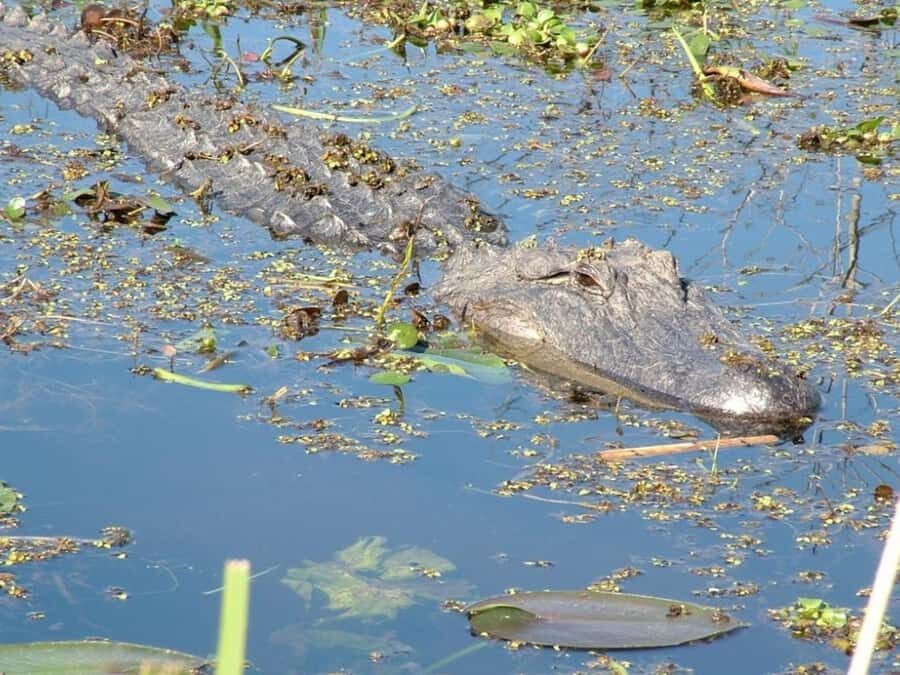
Let’s be honest: you come to Honey Island Swamp hoping to see wildlife. The tour’s highlights specifically put otters, turtles, egrets, and alligators on your radar, and that watch list is realistic for this kind of habitat.
I’d frame wildlife spotting as a combination of three things:
1) Your chance to see wildlife in the first place, because this is a real swamp ecosystem.
2) Your ability to recognize what you’re seeing, because the guide is helping you interpret signs.
3) Your patience, because swamp animals do not follow a timed itinerary.
If you’re lucky, you’ll catch clear alligator activity and other sightings. Recent experiences mention lots of gator viewing, and even surprises like a raccoon and a golden orb web spider. Those kinds of moments are exactly why the ecologist commentary matters: you don’t just see something—you understand why it’s there.
A practical tip: when the guide points something out, shift from searching to watching. Staring is a skill in a swamp. I’d also keep your eyes moving between the water surface, the tree lines, and the edges of shaded cover. Egrets and other birds often use the margins where feeding is possible.
Also, expect the tour to balance excitement with safety and respect for wildlife. You’re in a protected environment. The best viewing happens when you keep your attention calm and your behavior consistent.
Louisiana Fishing Heritage: Why the Stories Matter
One of the most interesting parts of this tour is how it connects today’s swamp ecology to Louisiana’s fishing heritage. That may sound like “story time,” but it’s not random. Fishing heritage is part of how communities understand these waterways—where resources are found, how seasons affect conditions, and why certain ecosystems matter for livelihoods.
The guide narrative connects the ecosystem with the human side of the bayou. You’ll hear how the swamp supports wildlife that people rely on, and how the water shapes the food web. That’s the kind of context that makes your photos feel more meaningful, too. Instead of just capturing animals, you’re also capturing a relationship between people and place.
This also contributes to the tour’s feel of being non-commercialized in tone. You’re not being funneled through gimmicks. You’re learning why the swamp works, and how that system has shaped local practices for generations.





Photography on the Bayou: Capturing Moss, Light, and Wildlife
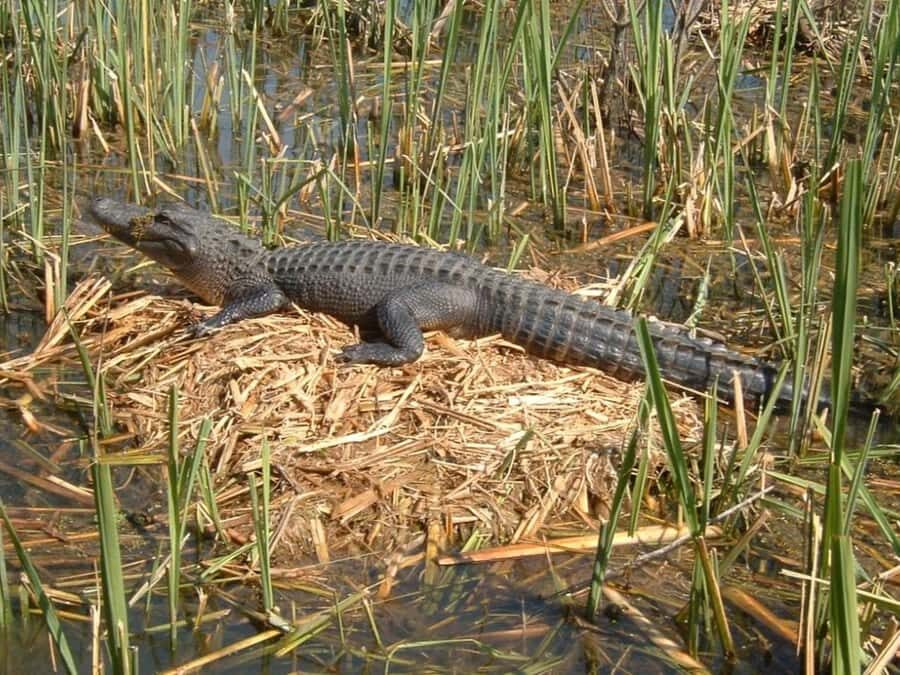
You’ll want your camera ready. The tour is built around nature photography opportunities, and the scenery supports that goal. Hanging moss against a shaded cypress canopy creates strong visual contrast, and the calm water helps you frame animals without constant motion blur.
For wildlife photos, the key is patience rather than zooming wildly. When the guide spots something, pause your frantic adjustments and lock in. You’re more likely to get a sharp shot by staying steady and letting the animal do its thing.
Lighting is another advantage. Swamps can look flat in the wrong light, but the cypress shade gives you texture, and the moss adds a layered foreground. If you’re bringing a phone camera, keep in mind that dusk-ish conditions and shaded areas can push exposure. Switching to a simple portrait or panorama mode can help, but the biggest fix is still: wait for the angle the guide points out.
Also, don’t overlook the small things. One recent highlight mentioned a web spider sighting. If you’re the type who likes details, you’ll probably find plenty to photograph beyond the big reptiles.
Logistics That Actually Affect Your Day
Here’s the practical stuff that changes how enjoyable the tour feels.
Duration: Two hours. You’ll get your swamp fix without draining your whole day.
Meeting point: Check in at Cajun Encounters gift shop. This is your anchor point, so don’t overcomplicate it.
Timing: The tour is usually available in the morning, afternoon, and evening, which helps if you’re trying to build a day around weather or bird activity.
Language: English guided commentary.
Food and drinks not included: This is the biggest planning item. If you’re doing this between meals, bring water and plan a snack or plan to eat right after. The swamp experience is relaxing, but you’re still out for two hours, and you don’t want to start feeling “hangry” while you’re trying to focus.
What to bring: Weather-appropriate clothing. In a swamp setting, weather affects comfort fast. Dress for the conditions you’ll actually meet outside, not the sun you see on your way in.
Price and Value: Is $38 a Fair Deal?
At $38 per person for a two-hour guided boat tour, I think the value is strong if you care about learning and wildlife. This price isn’t just paying for movement on water. You’re paying for a guided format with live commentary and a local guide, plus the benefit of a wetland ecologist bringing structure to what you see.
The included items are clear: live commentary and a local guide. There’s no food or drinks included, so you should treat the ticket like an experience fee, not a meal plan. Once you factor that in, the math gets easier: you’re buying time in a protected swamp ecosystem with interpretive guidance, and that’s exactly what you’re there to do.
Where the value really shows is in the balance. You get:
- A guided format that helps you spot and understand wildlife
- A short enough duration to stay efficient
- A setting that looks stunning without requiring extra paid stops
If you’re only looking for a photo stop, there are cheaper options in the region. But if you want a guided swamp education experience with real wildlife potential, $38 feels reasonable.
Who This Tour Fits Best (and Who Might Skip It)
This is a great fit if you want:
- An easy half-day nature experience from New Orleans
- Guided ecology explanations in plain, practical language
- A realistic chance to spot animals in their habitat, especially alligators and birds
- Plenty of chances to photograph moss, cypress trees, and wildlife
You might want to skip or rethink if:
- You hate being outside in changing weather conditions. You’ll need weather-appropriate clothing.
- You’re expecting the tour to include a full meal. Food and drinks are not included, so plan accordingly.
If you’re traveling as a couple, this kind of tour can work really well because it feels calm and shared. Families can also enjoy it, especially if the kids like animals and watching for movement in the water and trees. Solo travelers tend to like it too, since the guided commentary gives you something to focus on instead of just sitting quietly.
Should You Book Dr. Wagner’s Honey Island Swamp Tour?
I’d book this if you want a short, well-guided escape into a real swamp ecosystem near New Orleans. The combination of a wetland ecologist, scenic cypress and hanging moss, and a wildlife watch list that includes otters, turtles, egrets, and alligators gives you a strong payoff for the time.
Just go in with two expectations set: bring weather-appropriate clothing, and handle food and drinks yourself. Do that, and you’ll get what this tour seems built for—quiet observation, good learning, and the kind of bayou moments you remember long after the city traffic is back.
FAQ
Where do I check in for the Honey Island Swamp Tour?
You check in at the Cajun Encounters gift shop.
How long is the tour?
The tour lasts about 2 hours.
What times is the tour usually offered?
It is usually available in the morning, afternoon, and evening.
What language is the tour guide?
The live tour guide provides commentary in English.
What’s included in the ticket price?
The ticket includes live commentary and a local guide.
Is food and drinks included?
No. Food and drinks are not included.
What should I bring?
Bring weather-appropriate clothing.
Is there a cancellation option with a refund?
Yes. You can cancel up to 2 days in advance for a full refund.