REVIEW · NEW ORLEANS
Small-Group French Quarter History Walking Tour
Book on Viator →Operated by New Orleans Secrets Tours · Bookable on Viator
French Quarter details add up fast. I like how this tour gives you small-group attention while still covering a lot of ground in about two hours. I also love that the walk is built around smart stops for context and momentum: river trade, famous snack prep, and alleyway lore you’ll actually remember. One possible drawback: the sidewalks are uneven, so comfy shoes are not optional.
The guide is a licensed local, and the pacing is friendly for a daytime stroll. With a max of 9 people, you get chances to ask questions and get real recommendations for what to do next in the Quarter. Just go in knowing it’s a standing-and-walking tour, not a sit-down history lecture.
In This Review
- Key things that make this tour worth your time
- Two hours of French Quarter lore without the map headache
- Price and value: what $49 buys in the real world
- Starting at Kilwins and finishing by Jackson Square
- What to expect on the walk: comfortable shoes and calm pacing
- Stop 1 around the Quarter’s core: culture, beauty, and the weird truth
- Mississippi River stop: the trade lifeline behind the city
- Cafe Du Monde prep: how to order beignets like a pro
- Bourbon Street context: party, yes—history, too
- French Market: more than souvenirs—food and local makers
- Pirates Alley: dueling stories with sharp edges
- The oldest building in the Mississippi River Valley: what to look for
- Why the guide matters more than you think
- Practical tips before you go: make the day easier
- Who this tour is best for (and who might not love it)
- Should you book this French Quarter History Walking Tour?
Key things that make this tour worth your time
- Small group (max 9): you’re not shouting over a crowd to get answers
- French Quarter coverage on foot: you get the layout plus the stories behind it
- Mississippi River context: understand how trade shaped the city, not just the scenery
- Cafe Du Monde game plan: you leave ready to order beignets the right way
- Pirates Alley history: dueling rumors and dramatic past tucked into a short stop
- End near Jackson Square: you finish right where most first-timers want to be anyway
Two hours of French Quarter lore without the map headache
If you’ve ever wandered the French Quarter and felt like you were only seeing the postcard parts, this is the fix. The French Quarter is packed. Streets fork. Signs repeat. And without context, you can end up taking pictures of pretty walls while missing the why.
This tour is designed to help you get your bearings fast. You start near Kilwins Ice Cream on Decatur, then your guide keeps you moving through the Quarter with purposeful stops. The idea is simple: every chunk of walking pairs with a story or a practical tip, so the time actually feels like progress instead of just exercise.
And yes, you get photo breaks. This is important here. The Quarter’s details are everywhere—ironwork, courtyards, doorways, and narrow passages that look like they were invented for legends. The tour gives you time to frame those shots without feeling like you’re constantly asking the group to pause.
You can also read our reviews of more walking tours in New Orleans


Price and value: what $49 buys in the real world
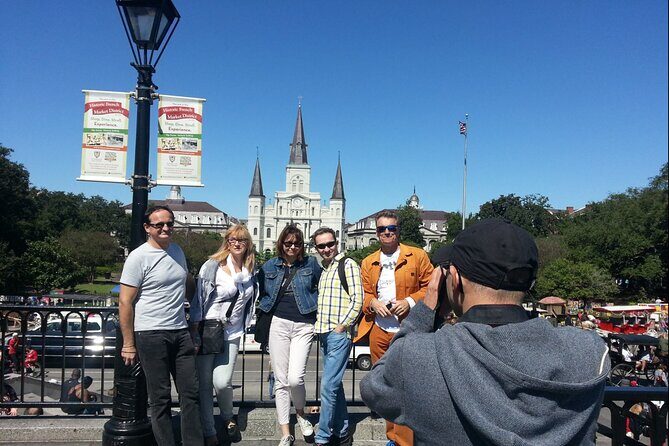
At $49 per person, this isn’t a budget “grab-and-go” street walk. You’re paying for a licensed local guide and the kind of storytelling that helps you connect the dots between places that look similar at first glance.
Here’s what that means for value:
- You’re paying for interpretation, not just directions. The Mississippi River stop isn’t just scenery. It’s the trade lifeline that shaped how New Orleans grew.
- You’re paying for personalized recommendations. That matters because New Orleans is all about what you do after the tour. A good guide can steer you toward a next step that fits your interests and your time.
- You’re paying for group size control. A max of 9 travelers changes how a tour feels. You’re more likely to get answers, and the guide can keep an eye on pacing.
Gratuity isn’t included, so if the tour works for you (and many reviews signal it does), plan to tip.
Starting at Kilwins and finishing by Jackson Square
Your tour starts at Kilwins Ice Cream – Chocolate – Fudge, 600 Decatur St, Suite 106. That location is handy because it’s in the heart of the Quarter—easy to find, easy to meet, and close to where you’ll likely want to wander afterward.
You finish at 800 Chartres St, near Jackson Square. That finish point is smart. Most first-time visitors gravitate toward Jackson Square anyway, and finishing there means you don’t have to fight for transportation or backtrack just to get back to your next plans.
The start time is 10:00 am, so you’ll be walking during daylight hours when the Quarter’s details pop and the temperature (usually) isn’t at its toughest.
What to expect on the walk: comfortable shoes and calm pacing
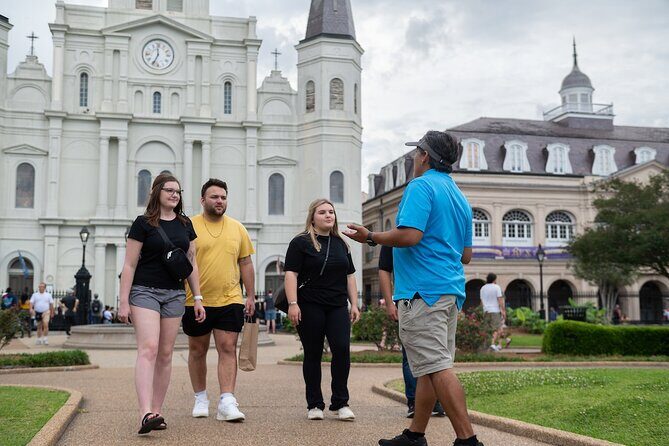
This is a walking tour, and you should expect to be on your feet for the full experience. The French Quarter has uneven sidewalks, so comfortable walking shoes are the move. If you’re tempted to wear fashionable shoes that feel “almost okay,” don’t. You’ll regret it by stop two.
Pacing-wise, the tour keeps things moving but doesn’t cram every location into one sprint. Some stops are short—think 5 to 10 minutes—so you get quick hits of story and then slide into the next stretch.
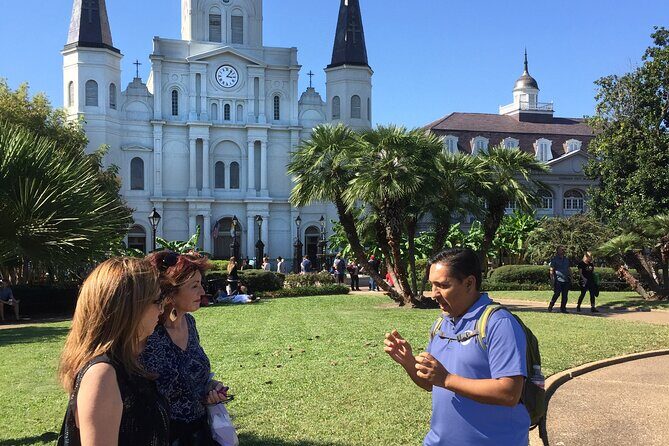
Stop 1 around the Quarter’s core: culture, beauty, and the weird truth
The first stop is all about setting the tone: culture and beauty, plus the kind of stories that make you tilt your head and go, Okay, that happened. The French Quarter has a reputation for drama, and your guide uses that energy to point you toward what makes the area tick—historical contradictions, surprising character, and the idea that the weird parts often aren’t made up.
Why this matters: if you learn how the Quarter “works” early, everything later clicks faster. You start to notice the things you’d otherwise pass without thinking—street layout, famous corners, and architectural cues that hint at older eras.
A small note for your expectations: this isn’t a quiet museum stop. It’s a lively street-story moment that prepares you to enjoy the rest of the walk with better context.
You can also read our reviews of more historical tours in New Orleans

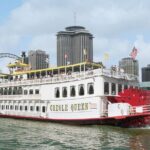




Mississippi River stop: the trade lifeline behind the city
Next up is a stop connected to the Mississippi River, described as the city’s lifeblood. This is where you get something bigger than local gossip. The guide shares fun facts about the Mighty Mississippi and how it stayed integral as a national trade route.
Even if you’ve heard the name before, it helps to frame the river as an engine—movement of goods, movement of people, money flowing through the city. That context is what turns “pretty waterfront scenes” into “this explains why New Orleans looks and feels the way it does.”
Time-wise, it’s a short stop (about 10 minutes), and admission is listed as free. You’ll want to be ready with your phone camera, but also ready to listen. The payoff is in the story, not in lingering for scenery.
Cafe Du Monde prep: how to order beignets like a pro
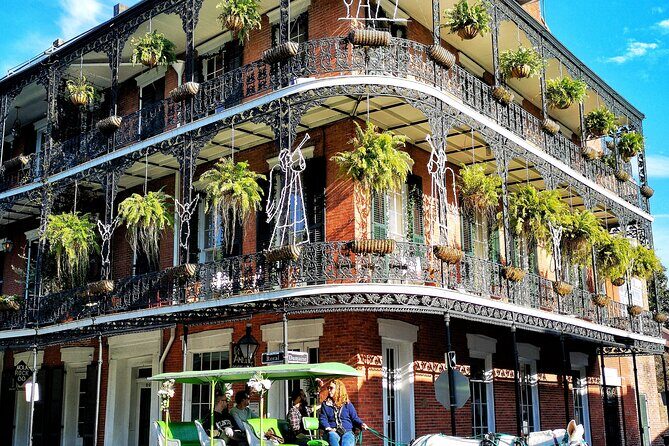
The tour includes a practical stop focused on Cafe Du Monde. The key word here is preparation. You get the secrets so you’ll be ready to enjoy beignets at their fullest after the tour.
This is one of my favorite parts of the schedule because it doesn’t force you into a long food detour during the walk. Instead, it sets you up with a plan. You can treat beignets as your reward, not a rushed snack.
What you’ll likely find useful from the guide’s tips:
- how to approach the experience so it feels less like chaos and more like a tradition
- how to time it with your own post-tour wandering
- what to pay attention to when you show up
Since beignets are not indicated as included, think of this as a “get ready” moment. Your reward is after.
Bourbon Street context: party, yes—history, too
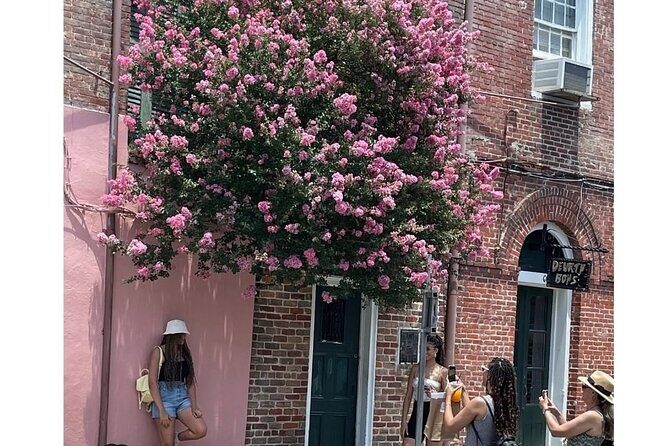
Another stop targets the Quarter’s most famous party reputation, explaining what it is and why it became known worldwide. You also get recommendations for fun places you might want to enjoy on your own after the tour.
This is a smart balance. Bourbon Street can feel like a blur if you only see it at night, but daytime context helps you understand what you’re looking at when you return later—or if you decide to skip the loudest hours.
Practical value: the guide isn’t just saying it’s a party street. They’re helping you connect the dots so you don’t treat it like one-note entertainment. That makes your choices after the tour feel more intentional.
French Market: more than souvenirs—food and local makers
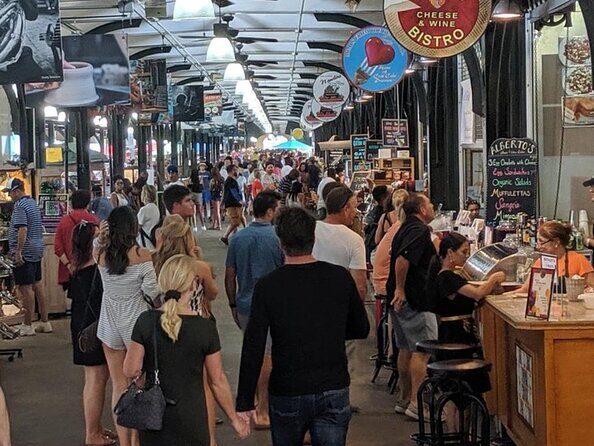
The itinerary then shifts to a market area packed with eateries, souvenirs, shops, and artists. You’ll learn what makes this market special, and the tour’s approach helps you look beyond the obvious “buy a magnet” trap.
This stop is valuable because markets are where history shows up in everyday life. You’re not just hearing about the past—you’re watching how people still trade, snack, browse, and create.
What to watch for on your own after the tour:
- food spots that feel lively but not chaotic
- local makers and crafts that match the Quarter’s character
- how the market connects to the rest of the walking grid, so you can extend your time without getting lost
Pirates Alley: dueling stories with sharp edges
Next is Pirates Alley, a shorter stop designed to land a punchy bit of lore. Here you learn about dueling history and… pirates. Even if the exact details are wild, the point is the same: the French Quarter is full of narrow spaces where big stories live.
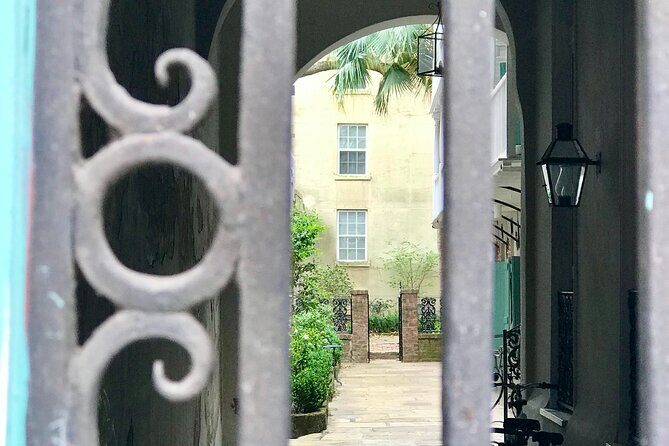
This is also where the tour earns its “hidden corners” reputation. Alleyways are often photogenic because the lines compress and pull your eye inward. With a guide, you’re more likely to pause at the best angles instead of just walking past because it looks like an ordinary passage.
The stop is listed at about 5 minutes, and admission is free. Treat it as a quick story hit: listen, look, take a photo if you can, then keep moving.
The oldest building in the Mississippi River Valley: what to look for
Later, you’ll reach a stop tied to the claim that it’s the oldest building in the entire Mississippi River Valley. The guide sets you up to imagine the secrets a place like that could hold.
Even without getting overly technical, this kind of stop changes how you view architecture. When you know a building is older than you expected, you start noticing details:
- how it’s positioned
- the style and materials that signal age
- how the street layout frames it like a stage
This is one of those “slow down for a minute” moments. The tour gives you a chance to focus on one building instead of bouncing between highlights.
Why the guide matters more than you think
This tour has one main engine: the licensed local guide. The best walking tours do two things at once—tell stories and help you interpret what you see. This one aims to do both, and the reviews consistently support that the guide’s friendliness and depth of story are standout parts.
Also, personalized recommendations are included. That sounds like a small bullet point, but in practice it changes how your next hours go. Instead of wasting your first afternoon hunting for the “right” place, you can follow the guide’s suggested direction and keep your trip feeling smooth.
With a small group (max 9), it’s also easier for the guide to read the room. If you want more history, you can ask. If you want more food and photo stops, you can steer the conversation.
Practical tips before you go: make the day easier
A couple of small things help a lot:
- Wear comfy walking shoes. The Quarter is uneven.
- Plan for a morning start. A 10:00 am start gives you daylight walking and smoother timing.
- Bring a fully charged phone for photos. Stops are short, so you’ll want your camera ready.
- Think about your post-tour food plan. The Cafe Du Monde tips are meant to set you up for beignets after the walk.
Also, service animals are allowed. Pets are not.
Who this tour is best for (and who might not love it)
This tour is a great fit if you:
- want a first-time-friendly French Quarter orientation with stories
- like history that feels like street-level storytelling, not a textbook
- want beignets with less guesswork afterward
- prefer a smaller group where you can actually interact
You might skip it if you:
- hate walking for around two hours and don’t want uneven sidewalks in the mix
- prefer self-guided touring with lots of control and no schedule
- expect a stop that feels like a long museum-style visit (this is paced as a walk-with-stories experience)
Should you book this French Quarter History Walking Tour?
I think you should book it if you want the French Quarter to make sense fast. For $49, you’re getting a licensed local guide, a compact timeline that covers major story zones, and recommendations that help your afternoon and evening feel more planned.
If you’re the type who enjoys alleys as much as famous streets, and you want river history tied to what you’re seeing right now, this is a strong match. Just show up with good shoes, a phone for photos, and a willingness to pause and listen when the guide turns a simple corner into a story.