REVIEW · NEW ORLEANS
Tale of Two Cities: Uptown Bike Tour in New Orleans
Book on Viator →Operated by Flambeaux Bicycle Tours · Bookable on Viator
A bike tour in New Orleans feels like speed-walking with better views. This one is a smooth 3-hour ride that takes you into the Garden District while your guide connects street corners to stories like Jazz’s origins and the area’s post–Louisiana Purchase settlers. I also love that you can cover a lot of ground without the usual traffic-and-parking headache.
Two things I really like: you get an easy pace with flat terrain, and you’re not stuck figuring out gear—bikes and helmets are included, plus bottled water. Guides such as Barrett, Eric, and Jonathan have been singled out for turning facts into entertaining, clear storytelling, with extra attention to keeping the group safe around busier stretches.
One drawback to plan around: this is not a casual stroll. You need a strong fitness level, you must be at least 13, and you can’t ride in flip-flops—wear something that grips properly.
In This Review
- Key Highlights You’ll Care About
- Starting in the French Quarter on a Ride That Actually Feels Easy
- Why 3 Hours on Bikes Beats a Long Walking Day
- Stop 1: Perdido-Rampart and the Jazz Origins Story
- Stop 2: Touring the Garden District Streets and Antebellum Sights
- Stop 3: Lafayette Cemetery No. 1 Even Though It’s Closed
- Stop 4: Lafayette Square and the Former City’s Public Core
- Bikes, Helmets, and a Guide Who Watches the Road
- Price and Value: Is $55 a Fair Deal for NOLA Sightseeing?
- Who This Bike Tour Fits Best (and Who Might Want Another Option)
- Should You Book This Uptown Bike Tour?
- FAQ
- Where is the tour meeting point?
- What time does the tour start?
- How long is the tour?
- What is included in the $55 price?
- Are food and drinks included?
- What are the age and height requirements?
- Do I need to rent a bike or helmet?
- Is the ride easy, and what should I wear?
- How does the tour handle Lafayette Cemetery No. 1 if it’s closed?
- Is free cancellation available?
Key Highlights You’ll Care About
- Flat, comfortable route that makes an easy ride realistic for most people
- Bikes and helmets included, so you avoid rental hassles
- Jazz origin stories along the Perdido-Rampart corridor
- Garden District architecture focus with stops that make neighborhoods easier to read
- Lafayette Cemetery No.1 from outside the gates (it’s closed for repairs)
- Small group size (max 10) for better pacing and attention from your guide
Starting in the French Quarter on a Ride That Actually Feels Easy
The tour starts at 626 N Rampart St, right in the French Quarter area. From minute one, you’re in “move-efficiently” mode. You’re not searching for street parking, and you’re not waiting for a pack of people to finish a photo.
What I like most is the tone: this is guided sightseeing on two wheels, not a fitness boot camp. The route is described as flat, so the ride is meant to feel fun and manageable. And because the tour ends back where it begins, you’re not juggling the usual “now what?” logistics.
You’ll also get a mobile ticket, which keeps things simple when you arrive. That matters here because the schedule is tight enough that you don’t want to spend time hunting for paperwork.
You can also read our reviews of more cycling tours in New Orleans



Why 3 Hours on Bikes Beats a Long Walking Day
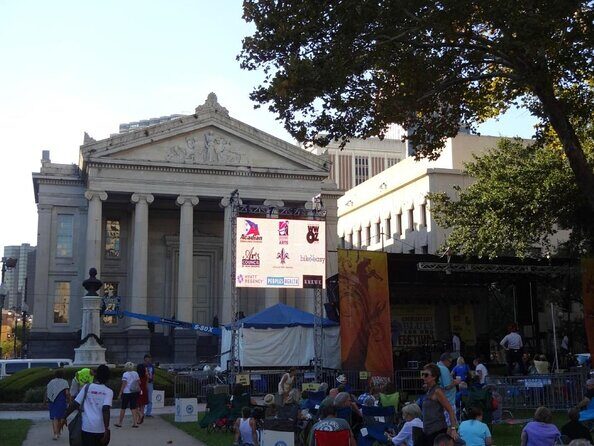
In New Orleans, walking can be great—until it isn’t. Heat, long blocks, and constant stops can wear you down faster than you expect. This tour gives you a practical middle ground: enough time to learn several neighborhood layers, but not so long that you’re toast by the end.
For me, the best part is the “coverage” effect. In a walking tour, you often see the outside of buildings and then rush to keep up. On a bike, you glide between key areas and let your guide’s stories frame what you’re looking at as you pass.
The duration is about 3 hours, which is also a sweet spot for pairing with other plans. If you want, you can do this earlier in the day and still have energy for lunch, a museum, or a slow night walk after.
Stop 1: Perdido-Rampart and the Jazz Origins Story
You’ll set off from the Flambeaux Bicycle Tours meeting location and ride toward the area tied to the former city of Lafayette. Early on, you make stops along the Perdido-Rampart corridor, and that’s where the guide’s storytelling earns its keep.
This is the kind of stop that works because the guide isn’t just naming streets—they connect them to why they matter for music history. The tour focuses on the origins of Jazz along that corridor, so you’re hearing the “why” while your wheels roll past the geography.
From there, you continue into the Garden District route to set up the next layer of history: American settlers who came to New Orleans after the Louisiana Purchase. You don’t need to be a history student to follow it. It’s structured like a guided walk, except you’re moving through the city faster.
And yes, this stop also sets expectations for the ride style. You’ll be in “listen and look” mode, and you’ll feel how the guide paces the group through sections that may feel busier than the quiet neighborhood streets.
Stop 2: Touring the Garden District Streets and Antebellum Sights
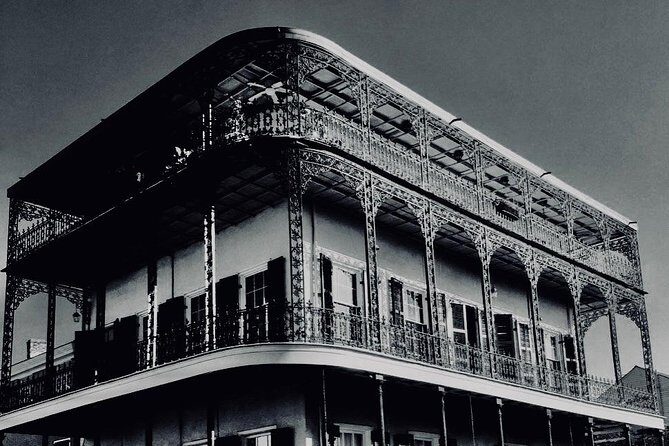
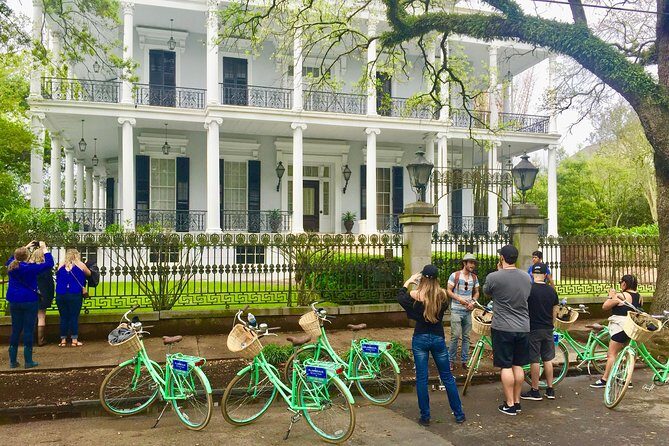
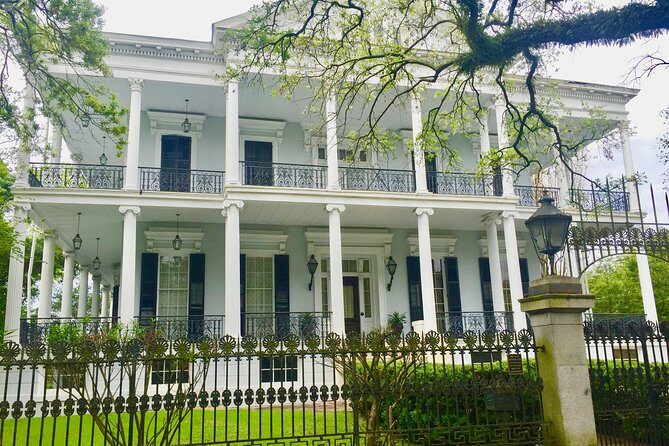
Once you’re in the Garden District, the emphasis shifts to what you can see: antebellum architecture and the feel of the neighborhood. You’ll explore by bike, so you can actually sample the rhythm of the streets rather than just hitting a few quick landmarks.
This is where the architecture-focused storytelling pays off. The Garden District isn’t only about big homes; it’s also about how the neighborhood is laid out and how the past keeps showing up in everyday sightlines. Riding helps you notice patterns—blocks, gates, facades, and the way streets funnel your view toward certain details.
If you like neighborhood “reading,” this stop is a strong one. Your guide’s job is to help you connect the buildings to the stories—so when you look at what’s right in front of you, it means something beyond postcard value.
One practical note: because it’s a residential-style area, you’ll likely feel a shift from busier streets to quieter ones. That makes it a nice break in the middle of the tour, and it helps the ride stay pleasant.
Stop 3: Lafayette Cemetery No. 1 Even Though It’s Closed
Lafayette Cemetery No. 1 is a big name in New Orleans, so it’s worth discussing what happens here. The tour notes that the cemetery is currently closed for repair. You don’t go in, and you don’t tour inside.
Instead, you stop outside the gates, and the guide explains the burial process as you’re standing in the right spot to understand the setting. This is a smart compromise: you still get the context and the meaning, without pretending you can access closed areas.
For me, the value of this stop is the framing. Cemeteries can be intimidating if you don’t know what you’re looking at. Hearing the “how it works” part right where it belongs helps you avoid turning it into a random photo stop.
Also, if you’ve ever worried about wasting time waiting for access to a specific site, this design helps. You get the learning moment even when you can’t enter.






Stop 4: Lafayette Square and the Former City’s Public Core
After the cemetery stop, you move toward Lafayette Square, where the guide explains the public square of the former city of Lafayette. This is the “civic” counterpart to the more personal, residential and cemetery stops.
Squares in old cities tend to be where people gathered, where daily life happened, and where the town’s identity showed up in a visible way. Here, you’re getting that context while your bike tour keeps momentum. You’re not stuck in a single location long enough to lose the thread.
This final stop also helps you connect the earlier parts of the ride. Jazz origins, the post–Louisiana Purchase settlers, and the cemetery culture all sit inside a broader story of how the city was organized. Lafayette Square ties that together by showing you the idea of a public center.
And then, just like that, you’re back near where you started—no last-minute scramble.
Bikes, Helmets, and a Guide Who Watches the Road
One of the simplest advantages of this tour is that bike rental and a helmet are included. That means you’re not wasting time or money lining up gear. It also helps you show up ready to ride right away.
The ride itself is described as flat terrain, which is a big deal in a city where walking can feel relentless. Still, the tour expects you to have a strong physical fitness level. So think “comfortable cycling,” not “sit back and do nothing.”
Safety is part of the experience. A guide’s pacing matters when you mix cyclists, pedestrians, and traffic. Past experiences with guides like Jonathan have been praised for taking precautions around more trafficked areas, which is exactly what you want on a bike tour in a major city.
What to wear matters more than people think. The tour strongly discourages flip flops/slippers while riding because they’re hazardous. Bring shoes with solid grip and a strap that stays put.
Price and Value: Is $55 a Fair Deal for NOLA Sightseeing?
At $55 per person for about 3 hours, this bike tour lands in the “serious but not crazy” category. The value is strongest when you count what’s included: a professional guide, bicycle use, helmet use, bottled water, and the tour being set up so you don’t deal with traffic or parking.
A walking tour can be cheaper, but you often pay for it with time and effort. Here, the bike lets you cover more stops without feeling like you’re sprinting between them. If you’re the kind of person who wants stories plus efficiency, the math starts to look good fast.
Also, the group size cap of 10 travelers matters. Smaller groups tend to get more attention, and that’s especially important on bikes. Your guide can keep the ride smoother and adjust pacing for everyone.
One more small detail that adds value: the tour uses a mobile ticket. It sounds minor, but in real life it saves time and reduces stress at check-in.
If you’re planning ahead, the typical booking window is about 17 days in advance. That’s not panic-level early, but it’s a good nudge to lock it in sooner rather than later—especially if you’re in town on a busy weekend.
Who This Bike Tour Fits Best (and Who Might Want Another Option)
This tour is a great match if you want to see the Garden District and learn the stories behind it, without spending your whole day walking. You’ll also like it if you enjoy neighborhood history explained in a way that connects street-level details to bigger themes like music origins and settlement patterns.
It’s not designed for little kids. The minimum age is 13, and there’s a height requirement: all participants must be over 4’11”. That’s there for real riding comfort and safety.
You also need to be comfortable with the idea that this is an active tour. The requirement calls for strong physical fitness, and you should be prepared for sustained cycling for a few hours.
If you’re traveling with mobility limitations or you want a fully relaxed pace, this probably won’t be the best fit. But if you’re already the type who can do a couple of miles of walking, this ride style is likely right up your alley.
Should You Book This Uptown Bike Tour?
I think you should book it if you’re aiming for smart time use, want the Garden District on a bicycle, and like your history delivered as real-world storytelling. The combo of flat riding, included gear, and stops tied to Jazz origins plus Lafayette Cemetery No. 1 (from outside) makes it feel like more than just sightseeing.
Skip it if you hate cycling, can’t ride safely without supportive shoes, or you’re hoping for an inside-access cemetery tour. The cemetery is closed for repairs, so you’ll get explanations from outside the gates—not a full entry experience.
If you’re on the fence, here’s my simple rule: if you can comfortably ride a bike for a few hours and you enjoy guided stories tied to places, this is a strong buy for New Orleans.
FAQ
Where is the tour meeting point?
The tour meets at 626 N Rampart St, New Orleans, LA 70116.
What time does the tour start?
The start time listed is 10:00 am.
How long is the tour?
The tour runs for about 3 hours.
What is included in the $55 price?
The price includes a professional guide, bicycle use, helmet use, and bottled water.
Are food and drinks included?
No. Food and drinks are not included, unless specified.
What are the age and height requirements?
The minimum age is 13 years, and participants must be over 4’11”.
Do I need to rent a bike or helmet?
No. Bike rental and helmet use are included, so you don’t need to rent them separately.
Is the ride easy, and what should I wear?
The route is described as flat and meant to be fun and easy, but you should have a strong physical fitness level. The tour discourages flip flops/slippers because they’re hazardous while riding.
How does the tour handle Lafayette Cemetery No. 1 if it’s closed?
The cemetery is closed for repairs, so the tour makes a stop outside the gates and explains the burial process from there.
Is free cancellation available?
Yes. There’s free cancellation up to 24 hours in advance for a full refund. If you cancel less than 24 hours before the start time, you don’t get a refund.