REVIEW · NEW ORLEANS
New Orleans Creole Odyssey Small-Group Bike Tour
Book on Viator →Operated by Flambeaux Bicycle Tours · Bookable on Viator
Pedal past history on two wheels. This New Orleans Creole Odyssey bike tour turns the city into a moving lesson, with stops led by guides like Eric or Gomez that connect Creole stories to what you actually see. I especially love the flat, easy ride that still feels like you are going somewhere different, and I also love the mix of neighborhoods from the French Quarter edge all the way to watery Bayou St. John. One possible drawback: it is still a full 3 hours in the saddle, so you should be comfortable riding steadily and not rely on fancy bike gears.
I also like that it is a small group (max 10) with a real professional guide, not a rushed stampede. Bikes, helmets, and bottled water are included, which makes the value much easier to swallow when you are trying to budget a New Orleans trip.
In This Review
- Key things that make this tour worth your time
- Why this Creole Odyssey bike ride beats a basic French Quarter loop
- Meeting at Flambeaux Bicycle Tours: gear, pace, and what to expect
- French Quarter warm-up: an older New Orleans start, not a hurried hit-and-run
- Faubourg Marigny and Frenchmen St.: where music and street culture do the talking
- Mid-City for two hours: the part that makes it feel like the real city
- St. Louis Cemetery No. 3: burial practices explained while you stand still
- City Park and Cafe du Monde: a real break in a huge urban space
- Bayou St. John: the watery edge that changes the mood fast
- Congo Square: jazz origins in a place with spiritual weight
- Price and value: why $55 makes sense for what you get
- Practical tips: footwear, fitness, and how to avoid silly mistakes
- Who should book this tour (and who might prefer something else)
- Should you book the New Orleans Creole Odyssey bike tour?
- FAQ
- How long is the New Orleans Creole Odyssey small-group bike tour?
- Where does the tour start?
- What is included in the tour price?
- Do I need to bring my own bike or helmet?
- What footwear is allowed for riding?
- Are there age or height requirements?
- How many people are in the group?
- What happens if the tour is canceled due to weather or if I cancel?
Key things that make this tour worth your time
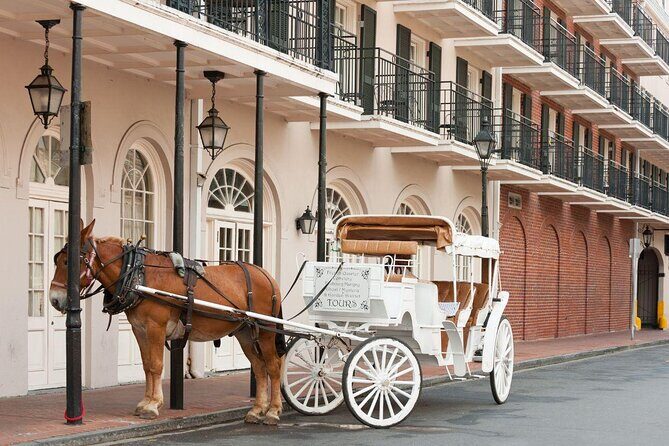
- French Quarter first, then off the tourist main drag with a route that keeps you moving but never frantic
- Faubourg Marigny and Frenchmen St. for that music-and-culture feel without needing a ticket to enjoy the streets
- Two hours through Mid-City so the tour does not just skim the headline spots
- St. Louis Cemetery No. 3 with a clear explanation of local burial practices
- City Park plus a short Cafe du Monde break in a place that feels like a change of pace
- Bayou St. John and Congo Square to finish with water history and jazz origins
Why this Creole Odyssey bike ride beats a basic French Quarter loop
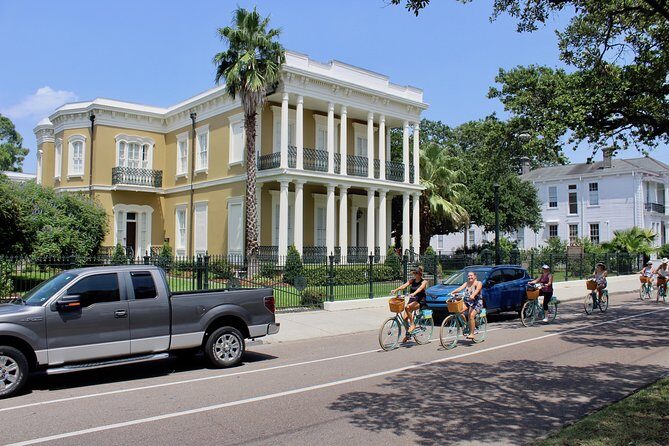
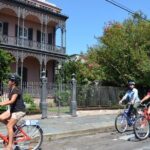
If your New Orleans plan so far looks like French Quarter, maybe a quick cemetery photo, and then back to dinner, this tour changes the rhythm fast. You are not just sightseeing. You are riding through the city’s different “rooms”: older streets, residential blocks, a huge park, cemetery grounds, and then the watery edge at Bayou St. John.
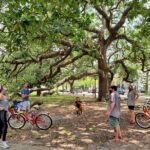
What makes it work is balance. You get a flat, leisurely route (oak-lined avenues, leafy parks, and that spooky-cool cemetery setting), and your guide gives context as you pass key landmarks. The result feels more like learning how the city fits together rather than collecting a checklist of stops.
It is also built for people who want something active but not punishing. The tour is 3 hours total, with your longest ride stretch through Mid-City. If you can handle that steady pedal time, you will feel the payoff.
You can also read our reviews of more cycling tours in New Orleans

Meeting at Flambeaux Bicycle Tours: gear, pace, and what to expect
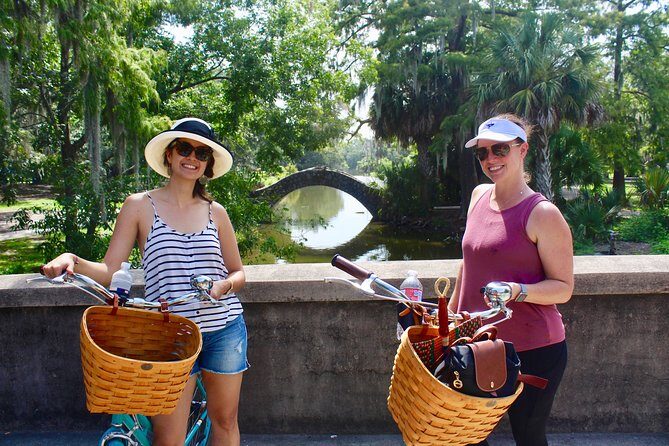
Your tour starts at 626 N Rampart St, at Flambeaux Bicycle Tours. You’ll get going after a short first stop at the shop (about 10 minutes). This is where you confirm you have your bike fit right and where the guide sets expectations for the ride.
Bottled water is included, and you will have a helmet and bicycle rental provided. That matters more than it sounds. New Orleans heat plus casual “I’ll just borrow a bike” plans can turn stressful fast. Here, you show up with closed-toed shoes and you leave with the basics handled.
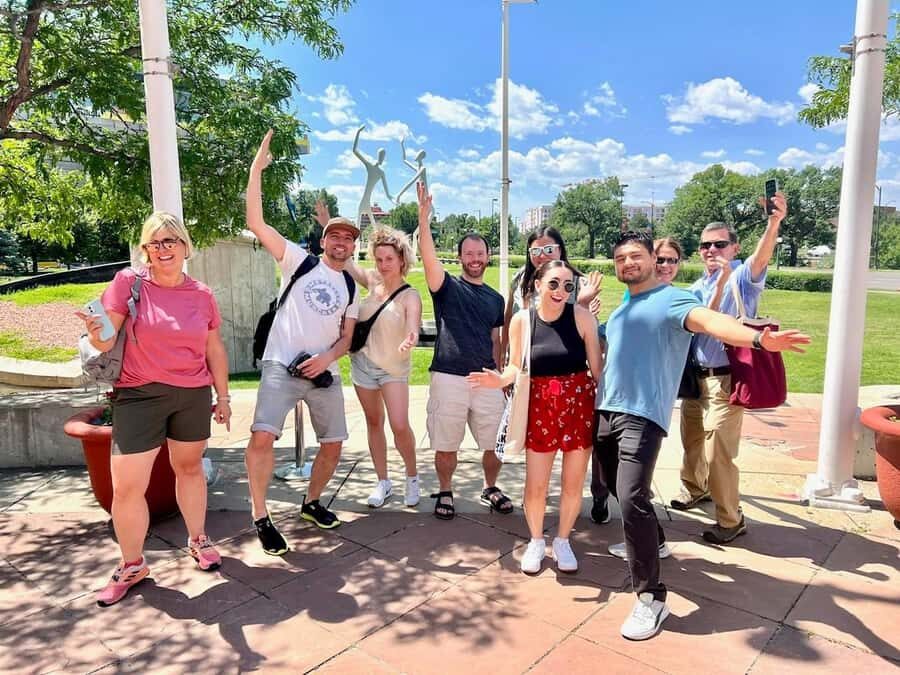
Group size is capped at 10 people. That usually means you can actually hear your guide at stops and keep together without feeling like you are sprinting to stay in the same photo.
French Quarter warm-up: an older New Orleans start, not a hurried hit-and-run
The first neighborhood stop is in the French Quarter, with a stop designed to show you the oldest building in the city. You also get to roll through the lively streets right after meeting, so the tour does not wait around while you get your bearings.
This part is short (around 15 minutes), which is smart. You are in the neighborhood most people already plan to see, so using that time for one high-impact piece of context helps you move on faster. You are not just skating past the postcard stuff; you are learning what came first and why it matters.
Practical tip: if you start the day with strong coffee (there is Twelfth Night Coffee right next door), you’ll be fine. Just plan your timing so you are not juggling a drink while hopping on the bike.
Faubourg Marigny and Frenchmen St.: where music and street culture do the talking
Next comes Faubourg Marigny, about another 15 minutes. The focus here is the culture around Frenchmen St.—the kind of place where the vibe is local, not stage-managed.
I like this stop because it shifts the feel without turning the tour into a party crawl. You still get historical framing, but the streets themselves tell part of the story. It is a good match for people who want to experience New Orleans beyond the French Quarter’s main lanes.
If you are someone who thinks you will only ever visit French Quarter sights, this section is a quick correction. It gives you a sense of where the city’s energy flows when the crowds thin out.
Mid-City for two hours: the part that makes it feel like the real city
The long ride segment is through Mid-City, lasting about 2 hours. That is the backbone of the tour, and it is why this experience feels different from short, single-neighborhood bike trips.
Instead of repeating the same sights, you settle into a steady rhythm. You pass through areas that feel more like everyday New Orleans than theme-park New Orleans. Your guide uses the movement to connect the dots—how streets, neighborhoods, and city growth shape the Creole story you are hearing about.
The trade-off is simple: Mid-City is time in motion, not time standing still. If you hate being on a bike longer than 30 to 45 minutes at a time, you might find the pedal stretch tiring. On the other hand, if you enjoy cruising, this is where the tour gets its legs—literally and figuratively.





St. Louis Cemetery No. 3: burial practices explained while you stand still
Then you slow down at St. Louis Cemetery No. 3 for about 20 minutes. This is not treated like a quick photo stop. Your guide focuses on local burial practices and what that tradition looks like in the context of the neighborhood.
Cemeteries can feel eerie in the best way, but the best part is the explanation. Without context, you might just feel spooked and move on. With the context, you start noticing details you would normally skip—how people handled burial, how the cemetery functions as a cultural statement, and why it sits where it does.
One consideration: cemetery time means you are standing (or moving slowly) in place. Bring shoes that feel stable and comfortable for walking on uneven ground. The tour recommends closed-toed shoes, and I agree.
City Park and Cafe du Monde: a real break in a huge urban space
After the cemetery, you cycle into City Park, stopping for about 20 minutes. City Park is the largest urban park in the city, and the ride through it feels like an instant reset from the street noise.
The tour includes a 10-minute break at Cafe du Monde’s City Park location. This is not a long café mission. It is a breather: water, a quick snack if you brought or bought something, and a chance to cool down.
This is a smart inclusion for two reasons. First, it breaks up the ride so the last stretch feels easier. Second, it gives you time to regroup with your group. If you are the kind of person who gets distracted watching scenery, this short stop helps you get back into the tour’s flow.
Bayou St. John: the watery edge that changes the mood fast
Now you get to the part the tour sells in big letters: Bayou St. John. You ride along this natural and historic waterway for about 15 minutes, near the edge of town.
The guide ties it to local history—how Native Americans and early French settlers traversed these waters. That context matters because the bayou is not just a pretty bike path. It becomes a clue to how people moved, lived, and built the city’s relationships with surrounding land and water.
I like the emotional shift here. New Orleans history often feels like it is all stone and wrought iron. Bayou St. John brings in water scale and a different pace. Even if you have seen photos of the French Quarter a hundred times, the water-side feel can still surprise you.
Congo Square: jazz origins in a place with spiritual weight
The final major cultural stop is Congo Square, about 15 minutes. The focus is on the origins of jazz in this sacred location.
This stop gives your trip a “why this matters” ending. You are not only hearing about old buildings and historic burial practices. You are also learning how music and culture connect to people, memory, and sacred spaces.
It is a good way to wrap up a ride that otherwise spans everything from cemeteries to parks to water edges. The whole tour becomes more than neighborhoods. It becomes how Creole life shaped what people later called jazz and kept developing over time.
Price and value: why $55 makes sense for what you get
At $55 per person for about 3 hours, this tour is priced like a mid-range city activity, but it has one big advantage: the basics are included.
You get:
- a professional guide
- bike and helmet rental
- bottled water
You do have to cover your own food and drinks, and tips are not included. Still, for many visitors, “bike tour” often turns into an expensive add-on once you price rentals separately. Here, the bike-related costs are handled up front, which makes planning easier.
You also get a route that hits multiple major areas: French Quarter, Faubourg Marigny, Mid-City, a major cemetery, City Park, Bayou St. John, and Congo Square. That is a lot of distance and context for one single time block.
One more value point: the tour maxes at 10 participants. Smaller groups help you stay together and keep your attention on the guide instead of the logistics.
Practical tips: footwear, fitness, and how to avoid silly mistakes
This is a bike tour in real street conditions, so a little prep saves a lot of annoyance.
- Footwear matters: flip-flops and slippers are hazardous and prohibited. Sandals with heel straps are the recommended alternative, and closed-toed shoes are preferable.
- Bring weather-ready layers: the tour advises dressing for the weather. In New Orleans, that usually means planning for sun and humidity.
- Be ready for steady pedaling: the route is described as flat and easy for most fitness levels, but the tour info also calls for a strong physical fitness level. Translation: you should feel comfortable riding for 3 hours even if the route is not hilly.
- Minimums are real: minimum age is 13, and everyone must be over 4’11”.
A small note from feedback: some bikes may feel old-school. One review flagged an old-fashioned one-speed setup and a more primitive seat. The good news is the route stays easy, so gears matter less than comfort.
Who should book this tour (and who might prefer something else)
This is a great fit if you:
- want history with context tied to specific places, not just a walking script
- like cycling at a relaxed pace and are okay spending real time on the bike
- want to see areas beyond the French Quarter without building your own DIY route
It may not be the best match if you:
- get uncomfortable riding for long stretches (Mid-City is about 2 hours)
- need frequent breaks beyond what the scheduled stops provide
- are not able to meet the height and footwear rules
If you are traveling with teenagers, the small-group format and clear stop plan can work well. One standout detail from the experience reports is that families with teens found it engaging, including riders in the 13+ range.
Should you book the New Orleans Creole Odyssey bike tour?
Yes—if you want a New Orleans outing that feels like a local perspective instead of a French Quarter loop.
Book it when you want:
- Creole storytelling delivered by a guide (Eric and Gomez are repeatedly mentioned)
- a route that covers neighborhoods many visitors skip
- a flat, manageable ride with meaningful stops like St. Louis Cemetery No. 3, City Park, Bayou St. John, and Congo Square
Two quick timing tips before you hit reserve. First, this tour is often booked about 23 days in advance, so plan ahead. Second, bring closed-toed shoes and skip flip-flops unless you like paying for your own bandaids.
If you do it right, this one gives you a fuller picture of New Orleans in just a few hours. You will pedal out with a better sense of where the city came from—and where its culture moved next.
FAQ
How long is the New Orleans Creole Odyssey small-group bike tour?
The tour runs for about 3 hours.
Where does the tour start?
The meeting point is 626 N Rampart St, New Orleans, LA 70116, USA.
What is included in the tour price?
You get a professional guide, use of a bicycle, use of a helmet, and bottled water.
Do I need to bring my own bike or helmet?
No. Bike and helmet rental are included with the tour.
What footwear is allowed for riding?
Flip-flops and slippers are hazardous and prohibited. Closed-toed shoes are preferable, and sandals with heel straps are an alternative.
Are there age or height requirements?
Yes. The minimum age is 13, and all participants must be over 4’11”.
How many people are in the group?
The tour has a maximum of 10 travelers.
What happens if the tour is canceled due to weather or if I cancel?
If it is canceled due to poor weather, you are offered a different date or a full refund. You can cancel up to 24 hours in advance for a full refund; cancellations made less than 24 hours before the start time are not refunded.