REVIEW · NEW ORLEANS
New Orleans Music Walking Tour
Book on Viator →Operated by NOLA Historic Tours · Bookable on Viator
Follow the music trail in New Orleans. This 2-hour music walking tour connects West African traditions, early jazz, and later styles as you move through iconic landmarks with a guide who makes the city’s sound feel tangible. If you’re lucky, your guide is David, a high-energy storyteller who uses iPad sound bites and video snippets to help it all stick.
I like the way the tour links origin points, not just famous streets. You also get major stops like J&M Studios and the New Orleans Musicians Tomb alongside the traditional New Orleans hubs, which makes the music feel like a timeline you can actually walk through.
One consideration: Preservation Hall is the finish line, and its admission is not included. Also, the tour lists a moderate fitness level and depends on good weather, so plan for a real walk in the afternoon sun.
In This Review
- Key highlights worth your attention
- A $25 afternoon that turns streets into a music timeline
- Meet your guide: David, the “stop what you’re doing” teacher
- Your route: Congo Square to Preservation Hall in about two hours
- Stop-by-stop at Congo Square, Armstrong Park, and Basin Street’s origin
- Storyville District, May Bailey’s Place, and Bourbon Street traditions
- The part you’ll want to plan for: Preservation Hall
- Where the extra landmarks fit in (Musicians Tomb, J&M Studios, Tango Belt)
- Price and logistics: who this tour is for
- Tips to help you enjoy it more
- Should you book this New Orleans Music Walking Tour?
- FAQ
- How long is the New Orleans Music Walking Tour?
- What is the price per person?
- Where does the tour start and end?
- What time does the tour begin?
- Is the tour conducted in English?
- Do I need a printed ticket?
- How large is the group?
- Is Preservation Hall admission included?
- What fitness level is required?
- Is weather a factor?
Key highlights worth your attention
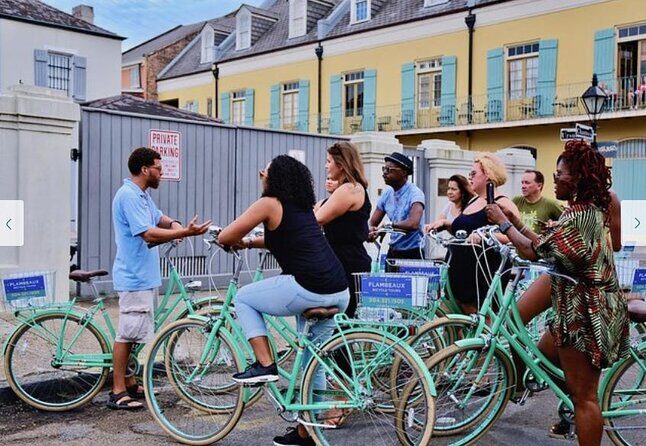
- David’s on-the-go media (iPad sound bites and video snippets) helps landmarks make sense fast
- West African roots at Congo Square explained through the Bamboula connection
- Storyville District stops with recorded music and a replica parlour at May Bailey’s Place
- Basin Street Blues origin stop at Basin St. Station, not just a photo op
- Small group size (max 14) means you’re more likely to get questions answered
A $25 afternoon that turns streets into a music timeline
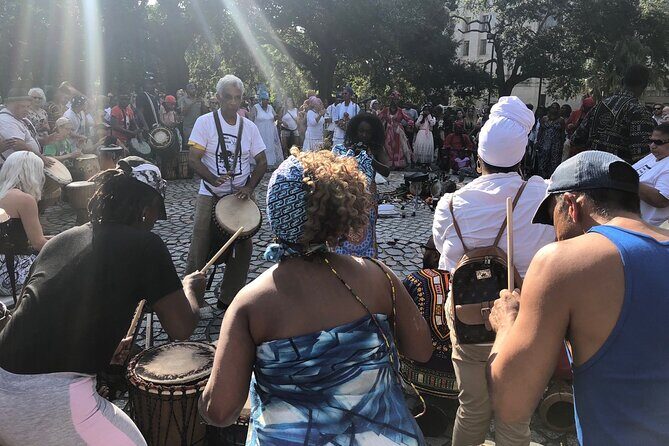
At $25 per person for about 2 hours, this tour lands in the sweet spot for a first-time New Orleans plan. You’re not paying big-money theatre ticket prices, but you are paying for guidance that turns famous names—Congo Square, Bourbon Street, Preservation Hall—into a clear story of how music evolved.
The value is in the structure. You start with deep roots, then work forward into jazz history and later styles tied to specific places you can stand in. If you like your vacation with a bit of direction, this gives you that without locking you into a museum schedule.
You can also read our reviews of more walking tours in New Orleans


Meet your guide: David, the “stop what you’re doing” teacher
From the reviews, one name comes up again and again: David. He’s described as energetic, happy, and full of music love, and he doesn’t just talk facts while you drift past buildings. He uses iPad sound bites and video snippets, which is a smart move in a city where you’ll see a lot and remember less unless you connect it to sound.
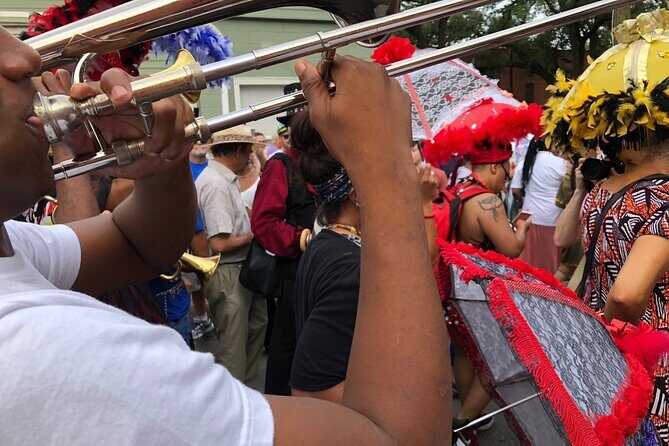
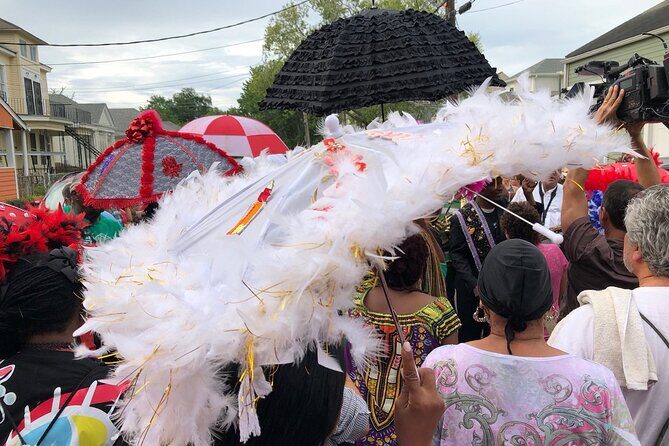
I also appreciate the interactive approach. David asks questions about what you’re into, which can change the way the story gets told as you walk. And when the street gets busy—like during a parade—he’s shown he can keep the group moving and on track.
Small groups matter here. With a max of 14 travelers, it’s easier for the guide to keep everyone together and still respond to interests rather than giving the exact same script to 40 people.
Your route: Congo Square to Preservation Hall in about two hours
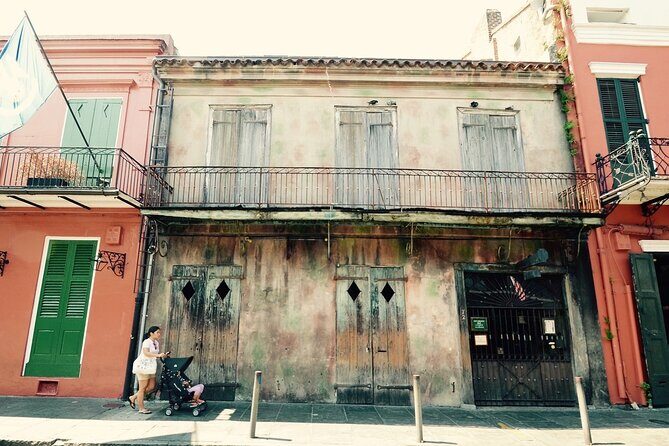
This tour starts at Rampart Treehouse, 740 N Rampart St, at 2:00 pm, and it ends at Preservation Hall, 726 St Peter. You’ll cover a mix of neighborhoods that connect directly to how New Orleans music developed—so it feels like moving through eras, not just hopping between random stops.
You should also know what kind of walking this is. The tour notes a moderate physical fitness level, and it’s timed for about two hours. Bring water, wear shoes you can trust, and expect afternoon pacing through the French Quarter area.
Also, it’s offered in English, and you’ll receive a confirmation at booking plus a mobile ticket. That’s useful when your phone is already your map and itinerary.
Stop-by-stop at Congo Square, Armstrong Park, and Basin Street’s origin
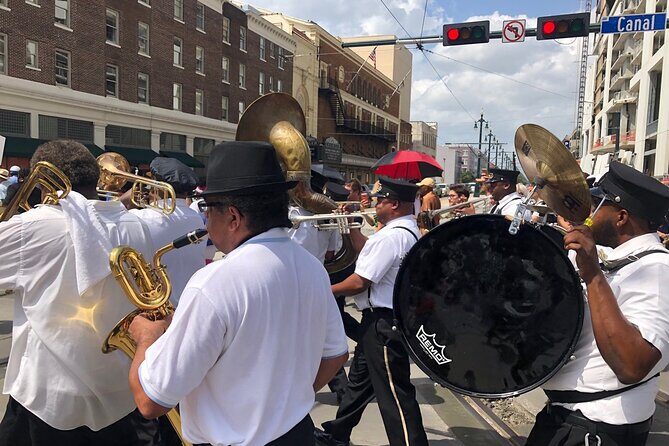
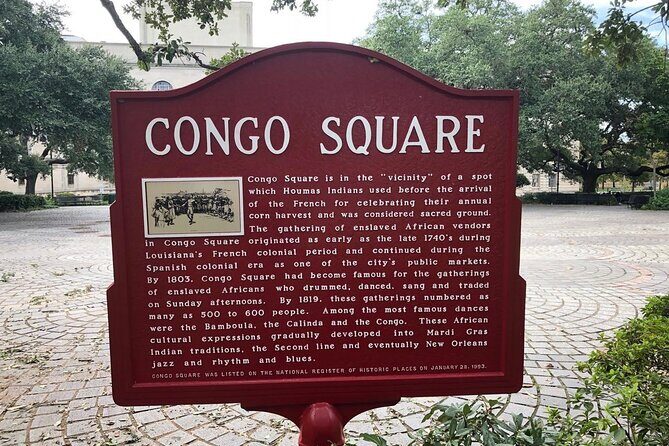
Stop 1: Congo Square is where you start tracing West African influence on New Orleans music, specifically through the Bamboula. Even if you’ve heard of Congo Square, you’ll likely enjoy it more with a guide pointing out the musical tradition link rather than treating it like a historic marker you pass by. It’s also marked as a free ticket stop.
Next comes Louis Armstrong Park, where the tour frames New Orleans music styles across time and mood: opera, the second line, and back to opera again. That may sound like a word salad until you realize the point. New Orleans music isn’t one lane. It bends, repeats, and cross-pollinates, and this stop helps you hear the city as one connected system rather than separate genres.
Then you reach Basin St. Station for a focused lesson on the origins of the song Basin Street Blues. This is a good example of why the tour feels more satisfying than just looking at buildings. You’re learning how a song ties to a place, and you’ll likely remember the street name because you connected it to a specific origin story.
A small note: several stops list free admission tickets, but that doesn’t mean the tour is free. It means your tour experience is doing the heavy lifting on interpretation, with minimal pay-to-enter friction along the way.
Storyville District, May Bailey’s Place, and Bourbon Street traditions
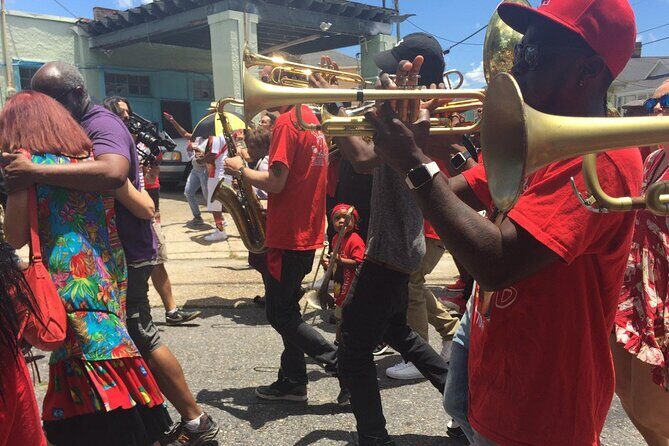
Stop 4: Storyville District shifts tone into early jazz and recorded music. The setting is important here: the tour ties the sound to Storyville’s early era in the red light district. That framing helps you understand jazz not as something that appeared fully formed, but as something shaped by social life, venues, and real-world entertainment culture.
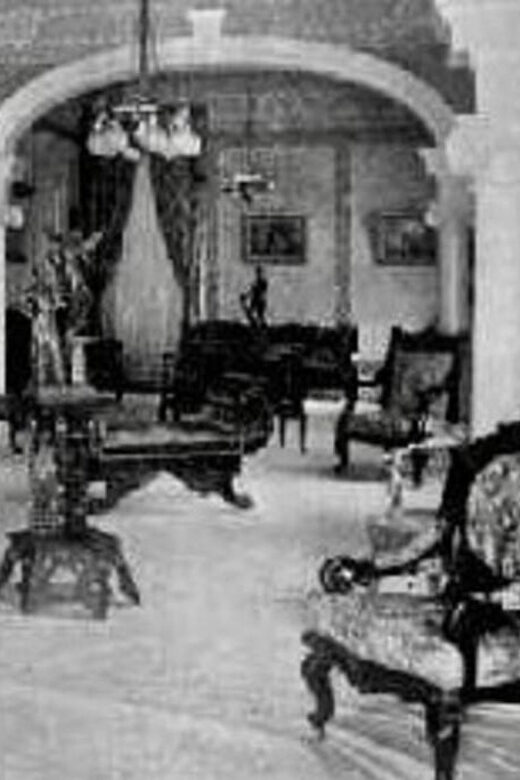
Then you enter May Bailey’s Place, described as a replica of a Storyville parlour. A replica can be either a letdown or a shortcut, depending on what you’re trying to get out of it. Here, it’s useful because it gives you a sense of how spaces were used, not just when music happened. You’re learning context—how a room can shape what audiences expect to hear and how performers present it.
Finally, Bourbon Street brings the lesson into the present-day street view. This stop focuses on the French Opera and R&B traditions tied to one of the most famous streets in New Orleans. If you’re worried Bourbon Street will feel like noise and neon, that’s where a guide helps. You’ll still see the street for what it is, but you’ll also connect the current energy to older musical influences instead of treating it like a carnival-only stop.




The part you’ll want to plan for: Preservation Hall
Your tour ends at Preservation Hall, and it’s positioned as the place where the past, present, and future of New Orleans music converge. That’s not just marketing language on the tour page. It’s a helpful way to set your expectations: this is the finale where you can listen with better context than you had at the start.
One practical detail matters for your budget: Preservation Hall admission is not included. So you’re choosing between two good options:
- If you care about the performance, budget time and money for entry at the end.
- If you don’t plan to go inside, you may still enjoy standing near the venue and using the tour’s history as your lens.
Either way, finishing here gives you a clean next step. You’re not left with a vague end point that sends you guessing where to go.
Where the extra landmarks fit in (Musicians Tomb, J&M Studios, Tango Belt)
The tour highlights mention additional key landmarks that broaden the timeline beyond the main stop list. These include:
- The New Orleans Musicians Tomb
- J&M Studios, described as the true birthplace of rock n’ roll
- The Tango Belt
- The French Opera House
Even if you focus most on the named stops, these additions are what help the walk feel like New Orleans music history in a nutshell. You’re not only hearing about jazz-era culture. You’re also connecting it to later music transformations tied to specific places in the city.
If you’re the kind of traveler who loves a strong “then and now” connection, this is a big selling point. You can stand in front of a landmark and understand why that location matters musically.
Price and logistics: who this tour is for
At $25, you’re paying for guided storytelling plus a short, walkable route that includes multiple free-ticket stops. Compared with paying for many separate attractions, this often feels like the better first step for people who want structure without locking themselves into a full-day plan.
This tour is a great match if you:
- want a foundation in New Orleans music without doing research first
- enjoy walking tours where you learn as you go
- like the idea of ending at Preservation Hall with your ears more tuned
It may be less ideal if you:
- hate walking for about two hours at a moderate fitness level
- need a fully seated experience
- are sensitive to weather changes, since the tour requires good weather
The size limit (max 14) also matters. It tends to support a more personal feel, rather than a rushed group shuffle.
Tips to help you enjoy it more
A few practical things will make the tour smoother and more memorable:
- Wear shoes for uneven sidewalks and a real walking pace.
- Bring water, especially since it’s an afternoon start time.
- Keep your phone charged so you can use your own map app for landmarks after the tour.
- If you’re into music sound, pay attention early. The iPad snippets and video cues are most useful when you’ve set your expectations by the first couple of stops.
Also, because it ends at Preservation Hall, decide ahead of time whether you want to stay for a show. That way you don’t end the tour thinking you should have planned better.
Should you book this New Orleans Music Walking Tour?
If you want an efficient way to understand how New Orleans music developed—from West African influence at Congo Square through jazz-era places like Storyville, ending with a legendary venue—this tour is easy to recommend. The guide, David, is a strong reason to book, especially if you like interactive explanations and music-related media on the go.
I’d book it if you’re doing New Orleans for the first time or you feel a little lost about where to start. You’ll leave with a cleaner map of how the sounds connect to the streets.
Skip it only if you can’t handle an afternoon walk or you know you won’t be able to use the end payoff at Preservation Hall (since admission isn’t included).
FAQ
How long is the New Orleans Music Walking Tour?
It runs for about 2 hours.
What is the price per person?
The price is $25.00 per person.
Where does the tour start and end?
It starts at Rampart Treehouse, 740 N Rampart St, New Orleans, LA 70116, USA and ends at Preservation Hall, 726 St Peter, New Orleans, LA 70116, USA.
What time does the tour begin?
The start time listed is 2:00 pm.
Is the tour conducted in English?
Yes, the tour is offered in English.
Do I need a printed ticket?
No. The tour uses a mobile ticket.
How large is the group?
The maximum group size is 14 travelers.
Is Preservation Hall admission included?
No. Preservation Hall is the end point, but its admission is not included.
What fitness level is required?
The tour notes a moderate physical fitness level.
Is weather a factor?
Yes. It requires good weather, and if it’s canceled due to poor weather you’ll be offered a different date or a full refund.