REVIEW · NEW ORLEANS
New Orleans Small-Group Garden District Walking Tour
Book on Viator →Operated by Lucky Bean Tours · Bookable on Viator
Garden District gossip meets cemetery stories. On this New Orleans walk, you move through leafy, 19th-century streets and learn how this neighborhood got its look and its legends, with a local guide who can go from mansions to graves in the same breath. I particularly like how the tour uses real details to explain why the homes and streets feel the way they do, like what guide Tim did for my group.
I also love the pacing. The walk is long enough to feel like an actual neighborhood stroll, but short enough that the guide can stop often for questions and photos, which shows up in how guides like Lesley and Renée lead with story-first, not speed-first.
One thing to consider: the sidewalks can be rough underfoot in places. If you show up in worn-out shoes, you’ll feel it more than you expect.
In This Review
- Key points before you go
- Why this Garden District walk is more than pretty houses
- Lafayette Cemetery No. 1: why you visit without going inside
- Garden District mansions: how the guide helps you read what you’re seeing
- What the 2-hour walk feels like in real life
- Small-group size: when it turns into an actual conversation
- Meeting at 2727 Prytania St: start smart, not stressed
- What’s included for $35 (and what you should budget for)
- Who this tour suits best
- Practical tips to make your walk smoother
- Book it or skip it?
- FAQ
- How long is the Garden District walking tour?
- How many people are in the group?
- What does the $35 price include?
- Where do you meet, and where does the tour end?
- Do you go inside Lafayette Cemetery No. 1?
- What happens if weather is bad or you need to cancel?
Key points before you go

- Lafayette Cemetery No. 1 from the gates: you get a clear look outside while your guide explains the burial practices.
- Architecture you can spot on the street: you’ll learn what to notice in styles and details like columns, stained glass, and rooflines.
- Small group, max 12 in most cases: designed for better Q and A, not a lecture you can’t interrupt.
- About two hours with regular stops: the “walking” part stays manageable.
- Meet at 2727 Prytania St and start moving quickly: easy to reach with public transportation nearby.
- Local storytelling from guides like Tim, Renée, Lesley, Yvonne, and James: each guide brings their own personality and focus.
Why this Garden District walk is more than pretty houses

New Orleans has plenty of sights that look great from the sidewalk. This tour goes one step further: it helps you read the place as you walk. You’re not just staring at facades. You’re learning what shaped the neighborhood, why certain building styles show up, and what the city did with memory and loss at Lafayette Cemetery No. 1.
It also helps that the experience is small-group focused. When you’re in a group of around a dozen (maximum 12 is the stated cap), it’s easier to ask questions without feeling like you’re chatting over a loud speaker. That matters in the Garden District, because once you start noticing architectural details, you’ll want explanations.
And at $35 for about two hours, the value is strong if you like guided context. You’re paying for a local who can connect street-level clues to bigger themes: class, migration, cemetery culture, and how New Orleans became the New Orleans you see on postcards.
You can also read our reviews of more walking tours in New Orleans



Lafayette Cemetery No. 1: why you visit without going inside
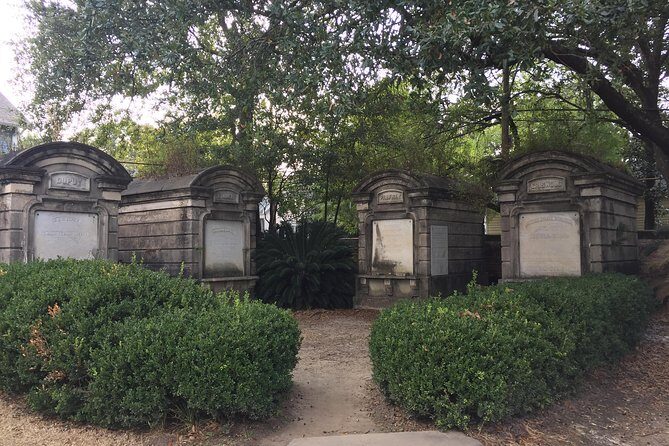
Stop one is Lafayette Cemetery No. 1, and you’ll see it up close even though the cemetery is closed to the public. You look through the large gates while your guide shares what makes this site so distinctive, including the unique interment practices.
This part of the tour is emotional in a very specific way. Even from the outside, the cemetery’s layout and the gate views make it hard to treat this as just another photo stop. Your guide gives meaning to what you’re seeing, so the cemetery feels less like a set piece and more like a living tradition.
A practical note: since you’re not touring inside, don’t expect to wander through the grounds. Expect to stand, look, and listen, then move on. If you like cemetery history and local customs, this is the strongest “story anchor” on the walk.
One extra tip from the vibe of the tour: if you’re the type who gets distracted by architecture while you should be listening, this is the stop where you’ll want to actually focus. Your guide’s explanations land best when you’re facing the gates and taking in the scene rather than drifting toward your camera.
Garden District mansions: how the guide helps you read what you’re seeing

After the cemetery, you head into the Garden District proper, where the atmosphere changes fast. The streets are quieter. The landscaping is part of the story. And the homes start to feel less like random big houses and more like a timeline you can walk through.
Your guide points out architectural nuance and specific details—things you might miss if you’re on your own. Based on how guides talk about the neighborhood, you can expect explanations tied to visible features such as:
- Greek Revival, Italianate, and Gothic Revival elements
- columns, balconies, and gallery-like spaces
- gingerbread-like ornament, stained glass, and roofline styles
- “spec houses” and other signs of how the neighborhood grew
This is where the tour can really feel different from the usual mansion-watching. You’re learning how to spot the clues, so you leave with a checklist in your head rather than just a set of photos. That’s also why people often talk about the tour as a good counterpart to a French Quarter day: the Garden District is quieter and more American in flavor, while the French Quarter is louder and more Creole and Afro-Caribbean in tone. Doing both gives you a fuller mental map of the city.
You may also hear who lived in certain homes over time, because the neighborhood’s history includes famous residents and cultural moments. One small consideration: if you only want building mechanics and not the human stories, you might wish for even more architecture and less famous-name talk. But for most people, that mix is the point. The houses are stories you can walk around.
What the 2-hour walk feels like in real life

This tour runs for about two hours and is designed to be an easy walking experience for most people. In practice, it’s not a constant grind. The guide builds in breaks while they explain details and answer questions, so you get frequent pauses to rest your feet and refresh your eyes.
That helps a lot because Garden District walking isn’t just about distance. It’s about attention. You’re stopping to look at facades, then moving a few blocks, then stopping again. That rhythm is why the tour works better in a group than as a DIY stroll.
Two things I’d plan around:
- Bring comfortable shoes. At least one issue raised in feedback was that sidewalks can be rough.
- If you need a bathroom break, the meeting-area bakery situation can help. One guide mention notes access to a bakery near the start, with baked goods and bathroom availability—use it before you start.
If you like museums but prefer moving through real streets, this is a good in-between option. It’s structured, but it still feels like you’re simply out for a neighborhood walk with someone who knows the backstory.
Small-group size: when it turns into an actual conversation
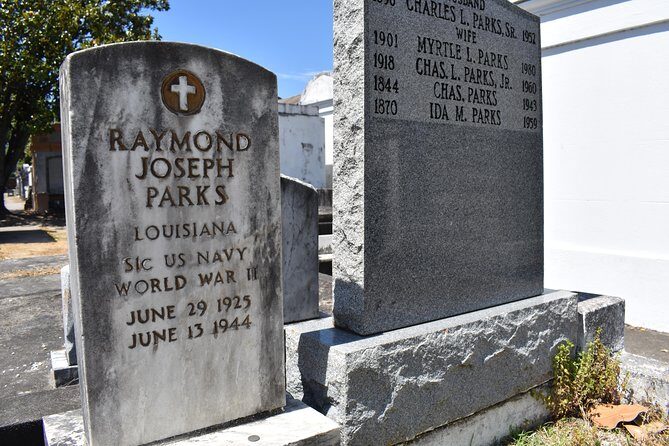
The tour is built as a small-group walking tour with a maximum of 12 travelers, and that size is a big part of why it earns such strong marks. With fewer people, you can ask follow-up questions about architecture, burial practices, or why the Garden District looks the way it does.
You’ll also notice that guides adjust their storytelling. Some guides are clearly set up for Q and A, and they read the group energy. Guides named in feedback include Tim, Renée, Lesley, Yvonne, and James, and each one gets praised for turning the walk into something you can interact with—not just sit through.
One honest consideration: while the tour aims for 12 or fewer, there can be last-minute situations that push the group slightly higher. That matters mostly for viewing angles at stops and how quickly you can ask questions. If you’re sensitive to crowding, you’ll feel it more at the cemetery gate and any tight spots on the sidewalks.






Meeting at 2727 Prytania St: start smart, not stressed

You start and end at 2727 Prytania St, New Orleans, LA 70130. That repeat location is helpful if you want to plan what comes next without guessing where you’ll end.
Also, the meeting area matters. Feedback includes a suggestion to get coffee at Gracious Bakery if that’s where you meet. Even if you’re not doing coffee, it’s smart to show up early enough to buy a quick drink and get oriented.
Because the tour is near public transportation, it’s not a hassle to arrive from other parts of town. And since the tour is English language and uses a mobile ticket, it’s usually straightforward to check in and get moving.
Plan to dress for weather. The tour runs in all weather conditions, with instructions to dress appropriately, and poor-weather cancellations can happen if conditions make it unsafe or unpleasant. If rain is in the forecast, bring a small packable jacket or poncho.
What’s included for $35 (and what you should budget for)

At $35 per person for about two hours, what you’re really paying for is expert local guidance and access to a story-heavy route that would be harder to assemble on your own without context.
What’s included:
- a local guide
- the small-group walking tour
- free access related to the cemetery stop (listed as free admission ticket)
What’s not included:
- food and drinks (you can purchase before the tour)
This matters because you may want time at the start for coffee or a quick snack, especially if you’re doing other New Orleans walking later in the day. The good news is the tour format keeps you moving through stops without requiring meal timing. Just don’t assume the walk will include breaks for restaurants.
If you’re trying to do New Orleans with a budget, this is the kind of activity that fits well: you get guided context for a relatively low cost, and you’re not paying extra for entry fees as part of the cemetery visit. In other words, the value sits in what the guide teaches rather than what you pay at the door.
Who this tour suits best

This is a strong pick if you:
- want to understand the Garden District beyond pretty streets
- care about architectural details you can point to after the walk
- like local storytelling that connects the past to what you’re seeing in front of you
- prefer small groups and interactive Q and A
It’s also a good fit if you’re pairing this with time in the French Quarter. Many people do the Quarter first, then come uptown for the calmer, mansion-filled contrast. That order helps you see how different parts of New Orleans tell different stories.
If you’re walking with mobility limitations, the tour is described as suitable for most travelers, but you should still assume you’ll be on your feet and navigating uneven sidewalk conditions. If you’re unsure, you can plan by wearing the most supportive shoes you own and going into it with realistic expectations.
Practical tips to make your walk smoother
Here’s how to set yourself up for a great experience:
- Wear sturdy walking shoes. The sidewalks can be rough.
- Bring a light layer. Weather shifts in New Orleans can feel sudden.
- Arrive a few minutes early so you can find the meeting spot and grab coffee if you want.
- If you have a must-see house style or topic, it’s worth asking your guide what they can highlight during the time you have. One piece of feedback noted the guide may not fit every specific house into a two-hour walk, but guides can do their best with requests.
- At the cemetery gate, slow down and listen. That stop is the “why” behind what you’re looking at.
Small planning moves like these can change the whole feel of a walking tour. You’ll enjoy it more, and your photos will be better because you’ll actually be present at the right moments.
Book it or skip it?
Book it if you want a guided Garden District experience that teaches you how to see. The $35 price works because you’re buying local context for about two hours, and the tour’s structure makes it easy to ask questions rather than just watch houses go by.
I’d be cautious if you hate any walking on uneven sidewalks or if you only care about architecture and nothing else. This tour mixes building details with people and culture, and while most folks love that balance, it’s not a pure architecture lecture.
If you’re deciding between doing nothing uptown and taking a small-group walk, this one is an easy yes. It gives you street-level New Orleans, cemetery storytelling, and architectural clues you can carry home.
FAQ
How long is the Garden District walking tour?
It lasts about 2 hours.
How many people are in the group?
The tour has a maximum of 12 travelers.
What does the $35 price include?
You get a local guide and the small-group walking tour. The cemetery stop lists free admission ticket, and food and drinks are not included.
Where do you meet, and where does the tour end?
The tour starts and ends at 2727 Prytania St, New Orleans, LA 70130, USA.
Do you go inside Lafayette Cemetery No. 1?
No. The cemetery is closed to the public, but you’ll get a good look through the large gates while your guide explains the interment practices.
What happens if weather is bad or you need to cancel?
The tour operates in all weather conditions, but it requires good weather. If it’s canceled due to poor weather, you’ll be offered a different date or a full refund. You can cancel up to 24 hours in advance for a full refund; within 24 hours, the amount paid is not refunded.