REVIEW · NEW ORLEANS
New Orleans: Tremé African American & Creole History Tour
Book on GetYourGuide →Operated by French Quarter Phantoms LLC · Bookable on GetYourGuide
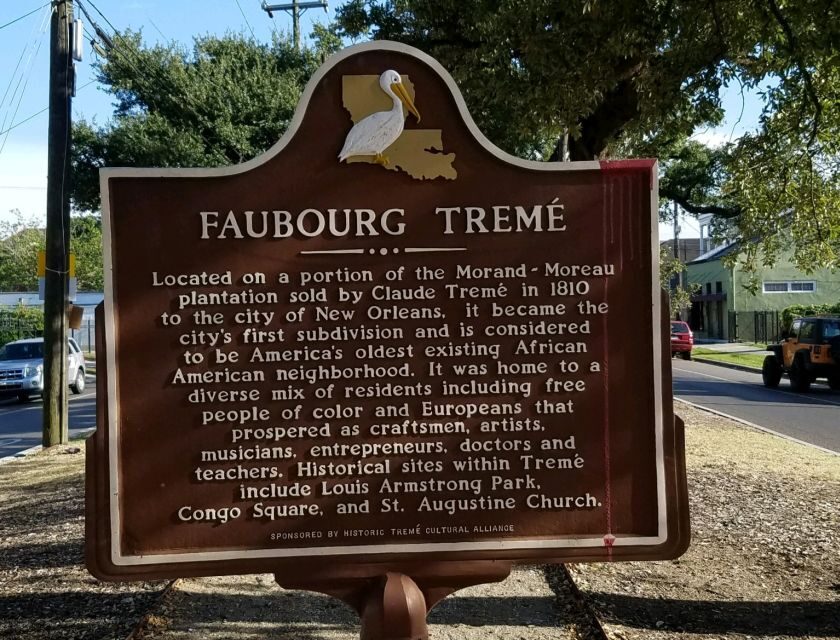
Tremé is where New Orleans’ music DNA starts. This guided walking tour takes you through the neighborhood that shaped Creole culture and helped launch jazz and the civil rights story, street by street. You’ll also spot real-world locations tied to the HBO series Tremé, which turns a TV concept into a place you can actually stand in.
I especially like how the tour connects people to place. You hear about major figures tied to the area—Jelly Roll Morton, Alphonse Picou, and Trombone Shorty—and you go beyond “big names” into how the neighborhood’s music scene kept evolving.
One thing to plan for: it’s a 105-minute walk in the open air. Bring comfortable shoes and sun protection, because there’s no way around getting some time on your feet.
Congo Square and music origins you can picture
- You’ll learn how major community spaces helped shape the sound of New Orleans.
St. Augustine Church stop with real meaning
- This isn’t just architecture spotting; it’s a landmark tied to the neighborhood’s story.
Tomb of the Unknown Slave
- A solemn stop that adds weight to the civil rights and African American history you’ll hear about.
The HBO Tremé filming locations
- Watching the show is one thing. Seeing the street context makes it click.
A Rock and Roll Hall of Fame laundromat
- Yes, a laundromat made that list, and the tour explains why it matters.
Local historian guides set the tone
- Names that come up a lot include Nika and Erin—both praised for clarity, pacing, and making nuanced history feel human.
In This Review
- Meeting at The Voodoo Lounge: Your starting point up in the French Quarter
- Tremé on foot: learning African American and Creole history block by block
- Jazz legends born here: from Jelly Roll Morton to modern brass bands
- HBO Tremé locations: turning TV memory into street-level reality
- St. Augustine Church and the Tomb of the Unknown Slave: meaning you can’t ignore
- St. Augustine Church
- The Tomb of the Unknown Slave
- The Rock and Roll Hall of Fame laundromat: an unexpected detour with purpose
- How the 105 minutes actually works: pace, shade, and what to wear
- Price at $22: why this is good value for a story you’ll remember
- Who should book this Tremé African American & Creole History Tour?
- Should you book this Tremé history tour?
- FAQ
- Where does the tour start?
- How long is the tour?
- Is the tour a walking tour?
- What’s included in the price?
- Is food included?
- What language is the tour conducted in?
- Is the tour wheelchair accessible?
- Are luggage or large bags allowed?
- Can I cancel for a full refund?
Meeting at The Voodoo Lounge: Your starting point up in the French Quarter
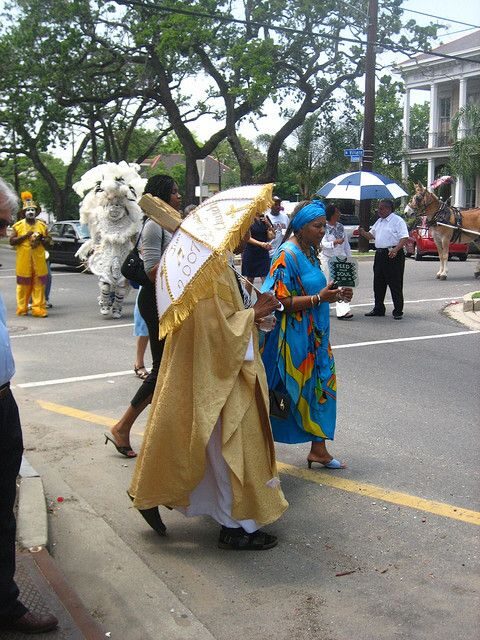
The tour starts back at The Voodoo Lounge, 718 N. Rampart St., right on the corner of N. Rampart Street and Orleans Street. Since it begins at the top of the French Quarter, it’s easy to roll in from a morning of wandering before you switch gears into neighborhood history.
The walk is designed so you end where you started. That’s a nice payoff if you don’t want to hunt for a rideshare afterward or time your dinner plans too tight.
Tremé on foot: learning African American and Creole history block by block
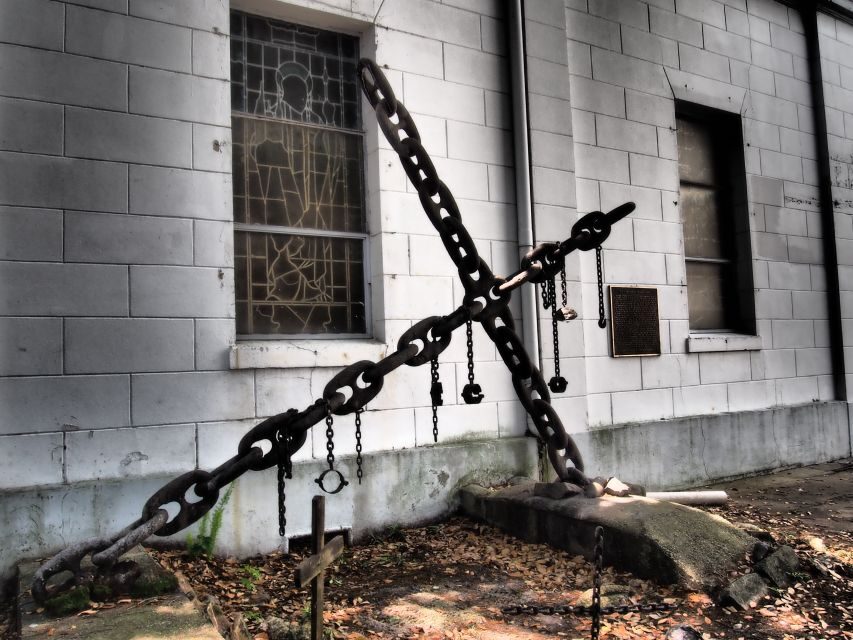
This is a licensed walking tour led by a local historian, focused on the Tremé neighborhood as the center of African American culture and Creole life. You’re not just getting a quick outline of New Orleans history; you’re getting the kind that explains how culture, music, and community shaped each other over time.
What makes Tremé special is that it’s not frozen in the past. As you walk, the tour frames how today’s musicians, artists, and craftsmen are still part of the neighborhood story. That matters because it keeps the tour from feeling like a cemetery of old facts.
You also get the civil rights thread. The guide weaves the rise of the movement into what you see, so the landmarks don’t feel random. Instead, they connect into a bigger story about people building power, community, and space.
You can also read our reviews of more historical tours in New Orleans


Jazz legends born here: from Jelly Roll Morton to modern brass bands
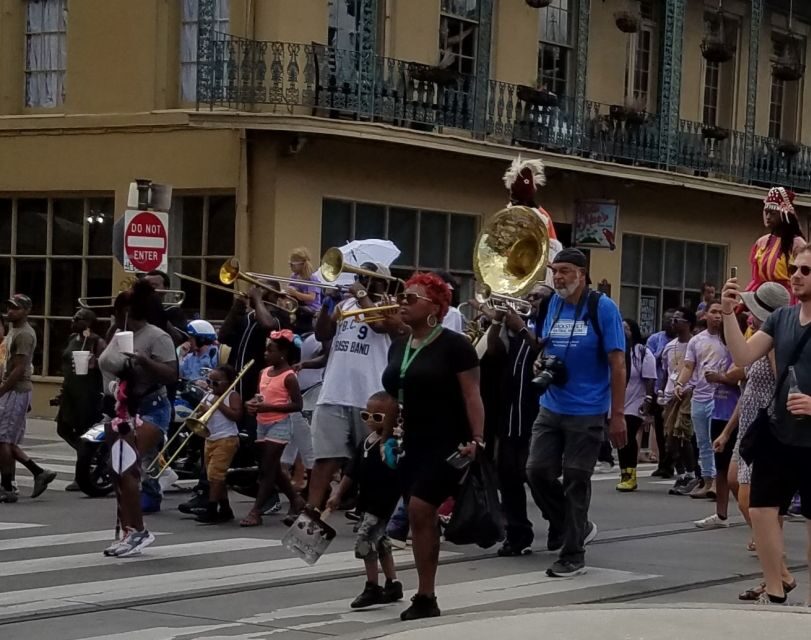
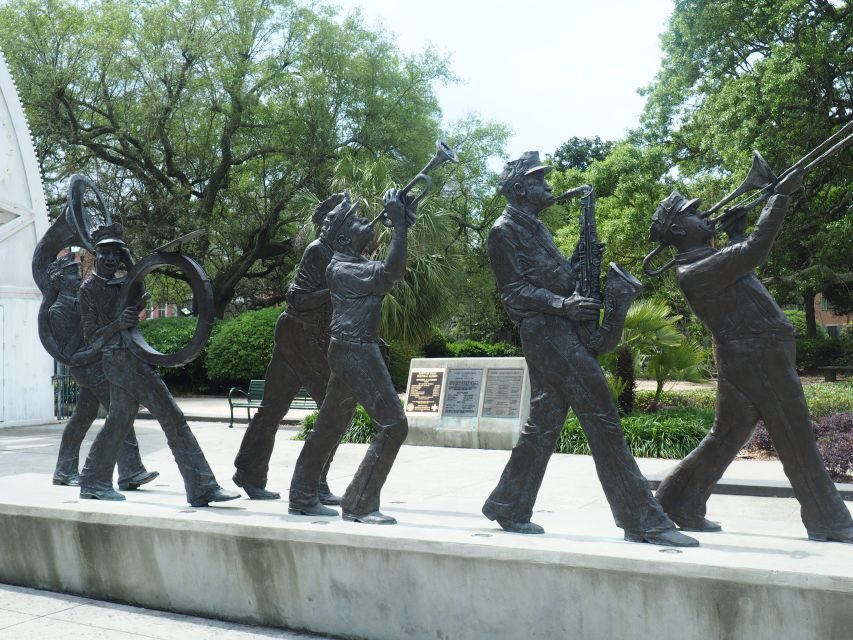
One of the best parts is the way the tour treats jazz as something local and ongoing—not a distant myth. You’ll hear about New Orleans jazz greats who were born in Tremé, including Jelly Roll Morton, Alphonse Picou, and Trombone Shorty.
You’ll also learn about the neighborhood’s modern brass band tradition. That’s key, because brass bands aren’t just “music for parades.” They’re a living community system—how neighborhoods train talent, celebrate identity, and keep culture moving forward.
A detail that really adds context is Congo Square. It comes up in the kinds of stories guides tell on this tour, and the point isn’t trivia—it’s showing how community gatherings and cultural traditions shaped the rhythms and social energy that feed New Orleans music.
HBO Tremé locations: turning TV memory into street-level reality
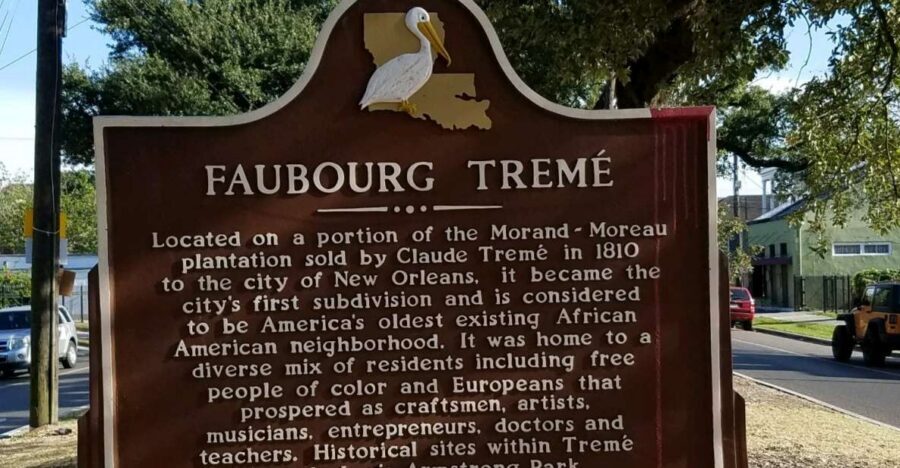
This tour includes stops tied to locations from the HBO series Tremé. If you’ve watched the show, you’ll probably notice a shift in how you understand it once you’re standing on the block.
Even if you haven’t watched, the filming locations still help you read the neighborhood. The guide uses them as signposts for what life looked like, what traditions meant, and how Tremé’s story became part of wider attention.
This is one of those tours where the entertainment layer helps you pay attention. The TV connection is a good hook, but the tour keeps you grounded in the real history behind the streets.
St. Augustine Church and the Tomb of the Unknown Slave: meaning you can’t ignore
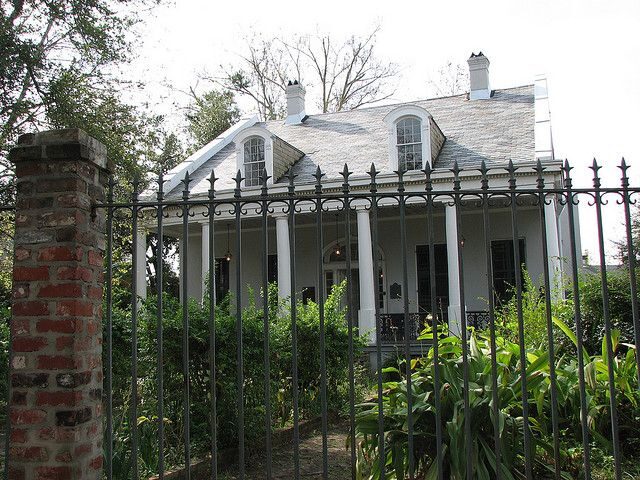
The tour includes major stops that carry emotional weight, not just visual interest.
St. Augustine Church
You’ll visit St. Augustine Church, and the guide uses it to explain how community institutions shaped identity and endurance in Tremé. Think of this as a “place that holds memory,” and not a quick photo stop.





The Tomb of the Unknown Slave
Then you’ll see the Tomb of the Unknown Slave. This is a stop that shifts the tone of the tour in the right way. It’s a reminder that the history you’re learning isn’t abstract. It’s anchored in real loss and real resilience.
If you’re the type who likes your history with human gravity, these two stops are a big reason this tour earns its high marks. And if you prefer a lighter vibe, you’ll still be glad you included them—you just might want to pace your feelings and take your time at the solemn parts.
The Rock and Roll Hall of Fame laundromat: an unexpected detour with purpose
One of the tour’s standout claims is that you’ll see the only laundromat that made its way into the Rock and Roll Hall of Fame. That’s the kind of detail that makes you stop and ask, why here, why this?
On the tour, the answer isn’t “because it’s famous.” It’s because places like that reflect daily life, social gathering, and the ordinary routines that support music culture and community connection.
That’s the value of Tremé as a theme here: it’s not only about famous stages. It’s about where life happened—where people met, worked, raised kids, and kept the culture alive.
How the 105 minutes actually works: pace, shade, and what to wear
This tour runs about 105 minutes, and you’ll be walking throughout. The duration is long enough to feel like you covered more than a single neighborhood block, but short enough that it’s realistic to fit into a busy day.
What to bring is simple:
- Comfortable shoes
- Sun protection (recommended)
Also note what you can’t bring: luggage or large bags. So pack light. If you’re carrying a daypack, keep it small enough to manage comfortably while walking.
Heat can be a real factor in New Orleans, and guides tend to manage that by choosing information breaks and shaded spots when possible. The best experiences on this tour often come from guides who keep the group moving without rushing the story.
Price at $22: why this is good value for a story you’ll remember
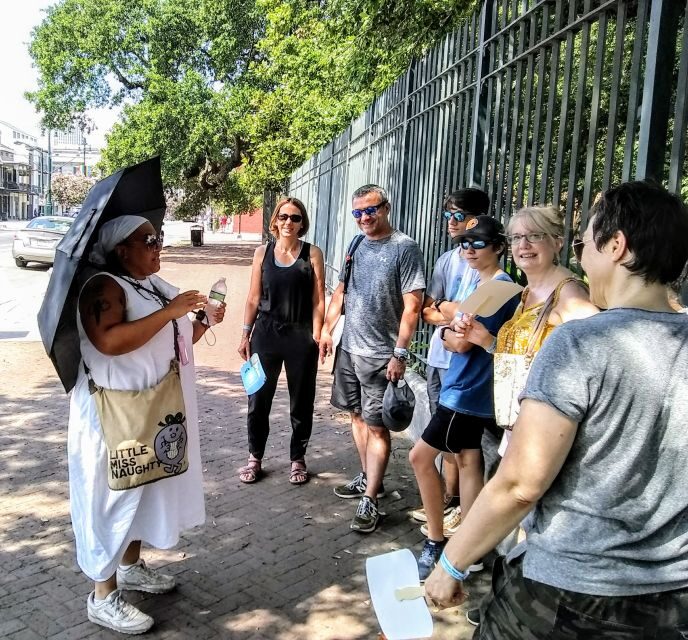
At $22 per person, this tour is priced for access, not exclusivity. You’re paying for something that’s hard to replicate on your own: a trained guide who can connect cultural context to specific streets and landmarks.
Museums are great, but they don’t always explain the everyday community mechanics that build music and identity over generations. This tour does that by keeping you outside and focused on place. The guide brings the “why” behind the sights, plus the civil rights and culture themes you won’t easily stitch together from a map.
Also, because food and beverages aren’t included, you can plan your next meal exactly how you like it. You don’t get stuck with a rigid package schedule.
In short: for $22, you’re buying a guided explanation of Tremé’s role in jazz and Creole culture, with real landmarks you can revisit afterward.
Who should book this Tremé African American & Creole History Tour?
This tour is a strong match if you want New Orleans that isn’t limited to the postcard version of the French Quarter. If you’re interested in how African American history and Creole culture shaped the city’s music and social life, this is the kind of tour that gives you a framework for understanding what you’ll see elsewhere.
It’s also a good pick for people who like a guided narrative and don’t want to piece together history from multiple stops. The tour structure keeps you in one story arc: Tremé’s cultural center role, jazz origins, civil rights themes, and the modern music tradition.
If you want a totally easy, minimal-walking experience, you may find the open-air pace a bit much. But with good shoes and basic sun protection, the format works well for most visitors.
Should you book this Tremé history tour?
Yes, if you’re craving a deeper, more human New Orleans experience than you get from just walking main streets. For $22 and about 105 minutes, you’ll get meaningful landmarks, jazz and brass band context, and Tremé series locations that make the story feel real.
You should probably book it now if you value local perspective and want your time in New Orleans to focus on the neighborhoods that created the city’s sound and shaped its civil rights history.
FAQ
Where does the tour start?
It starts at The Voodoo Lounge, 718 N. Rampart St., at the corner of N. Rampart Street and Orleans Street.
How long is the tour?
The duration is 105 minutes.
Is the tour a walking tour?
Yes. It’s a guided walking tour of Tremé.
What’s included in the price?
The tour includes a licensed guide who is a local historian.
Is food included?
No. Food and beverages are not included.
What language is the tour conducted in?
The tour is conducted in English.
Is the tour wheelchair accessible?
Yes, the tour is listed as wheelchair accessible.
Are luggage or large bags allowed?
No. Luggage or large bags are not allowed.
Can I cancel for a full refund?
You can cancel up to 24 hours in advance for a full refund.