REVIEW · NEW ORLEANS
New Orleans: Voodoo History Guided Walking Tour
Book on GetYourGuide →Operated by Hottest Hell Tours · Bookable on GetYourGuide
Marie Laveau still haunts New Orleans history. This guided walk turns the usual horror-movie talk into a clear-eyed look at voodoo as a real religion shaped by slavery, survival, and culture. You’ll start on Basin Street and move through key places tied to ceremonies, medicine, and the stories people repeat when they don’t understand the truth.
What I like most is how the guide gives you straight distinctions early on, separating Haitian Voodoo, New Orleans voodoo, Santeria, and Hoodoo before the spooky headlines kick in. I also like the stop-by-stop pace, because you’re not just hearing names. You’re learning why Congo Square mattered, why Laveau is central, and what people got wrong about dolls and zombies.
One possible drawback: this is history, not a light party stroll. You’ll cover racial crimes, propaganda, and violent folklore, so bring a steady mindset and dress for weather since it’s outdoors for two hours.
In This Review
- Key things you’ll notice on this voodoo history walk
- Meeting on Basin Street Station’s St. Louis side and learning the voodoo map
- Congo Square: sacred ground where ceremonies became part of daily life
- Marie Laveau’s old home and the Dauphine Street stories that connect family and faith
- The truth about voodoo dolls and zombies, minus the cheap spook show
- Sanite Dede and why voodoo became visible enough to be banned
- What it’s really like on the ground: 2 hours, walking pace, and focus
- Price and value: $37 for a guided walk that corrects the record
- Practical tips so you enjoy it (and not just tolerate it)
- Who should book this tour, and who might skip it
- Should you book this voodoo history guided walking tour?
- FAQ
- How long is the voodoo history guided walking tour?
- What does the tour cost?
- Where do I meet the guide?
- What language is the tour guide?
- Is the tour wheelchair accessible?
- What should I bring?
- Can I cancel for a full refund?
- Is pay later available?
Key things you’ll notice on this voodoo history walk
- A fast beginner guide to Haitian Voodoo vs New Orleans voodoo vs Santeria vs Hoodoo
- Congo Square as sacred ground, not a jump-scare backdrop
- Marie Laveau’s old home stories that mix family life with spiritual work
- Zombies and voodoo dolls explained in terms of lore, medicine, and misunderstanding
- Sanite Dede and how early influences helped voodoo become visible in the city
Meeting on Basin Street Station’s St. Louis side and learning the voodoo map
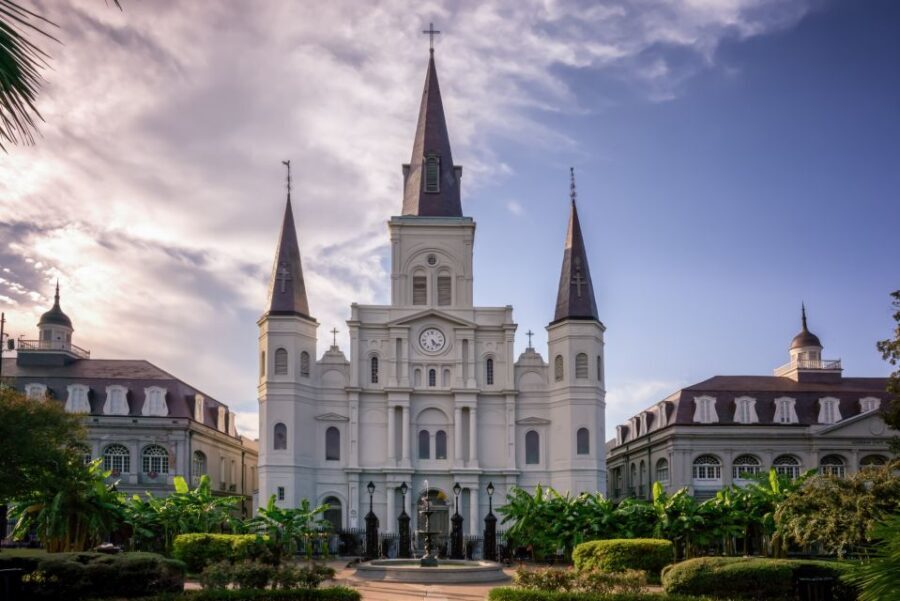
You meet on the St. Louis side of the Basin Street Station Visitors’ Center, and you stay outside the building. It’s a good setup because Basin Street is easy to find, and you’re close to one of the most famous Marie Laveau landmarks people point to in New Orleans.
Before you head into the walk, the guide does a quick lesson that matters. Voodoo gets treated like one uniform thing, but it isn’t. You’ll learn the differences between Haitian Voodoo, New Orleans voodoo, Santeria, and Hoodoo. That one step changes how you’ll read everything else you see in the city. Instead of chasing random myths, you can place what you’re hearing into the right cultural bucket.
You’ll also get some grounding on why this religion gets painted as demonic in Louisiana’s history. The guide frames voodoo as something outsiders misunderstood and outsiders exploited, especially through the lens of older Christian colonizer attitudes. It’s not just background noise. It’s the reason a lot of the stories you’ve heard are bent out of shape.
You can also read our reviews of more walking tours in New Orleans


Congo Square: sacred ground where ceremonies became part of daily life
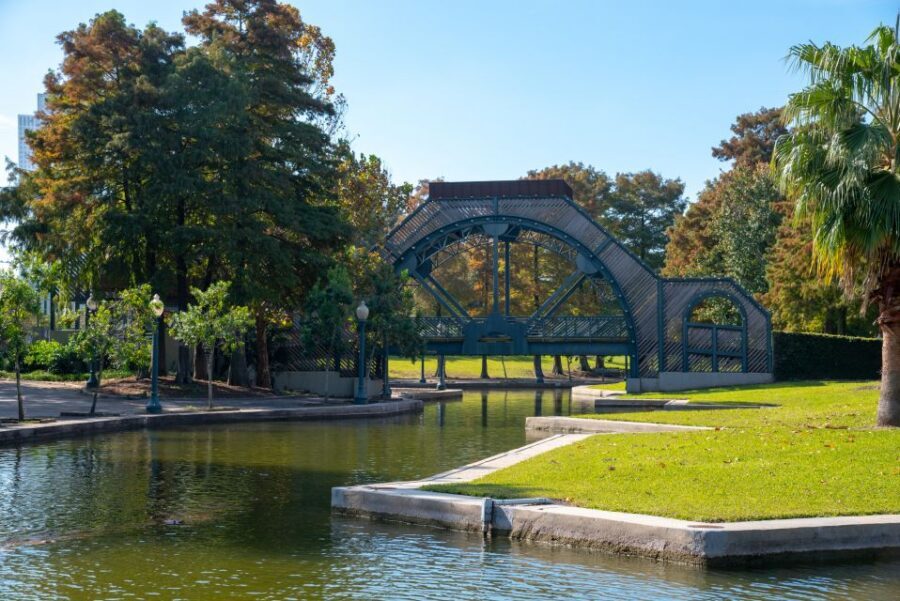
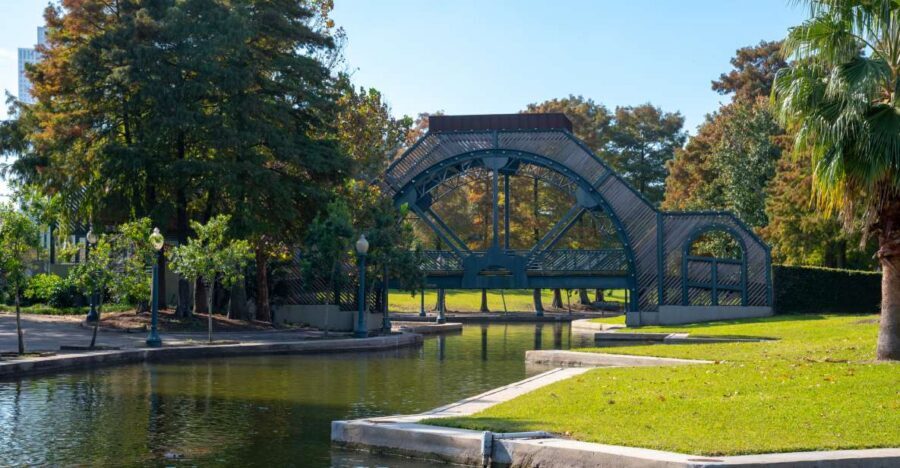
Next you go to Congo Square, described as the sacred grounds tied to Marie Laveau’s countless ceremonies and rituals. This is the heart of the walk for a reason. Congo Square isn’t a generic “voodoo spot.” It’s where community culture and spiritual practice showed up in public life.
What you should do here is slow down. Congo Square is the kind of place where the guide’s context helps you see beyond the postcard version of New Orleans. You’ll hear about ancestor worship and the way spiritual practice lived alongside daily realities. That matters because voodoo in New Orleans wasn’t invented in a vacuum. It grew in a world that tried to crush belief systems and then left room for people to keep practicing anyway.
A lot of voodoo stories get stuck on props: dolls, candles, snakes. But the tour steers you toward what people were doing and why. You’re not just collecting eerie facts. You’re learning how religion, community, and survival work together.
Marie Laveau’s old home and the Dauphine Street stories that connect family and faith
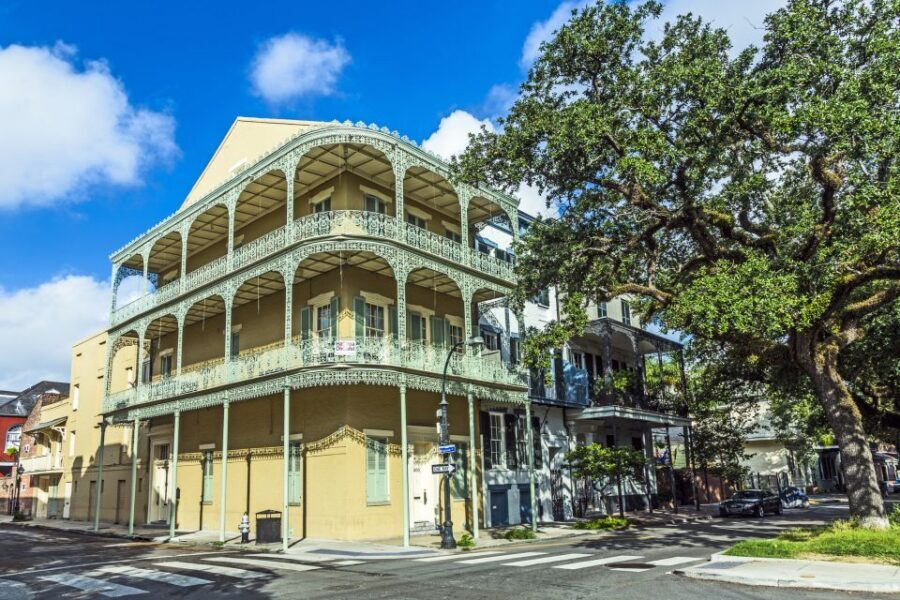
From Congo Square, the tour heads toward Laveau’s old home, with a stop on Dauphine Street. This is where the walk starts feeling like New Orleans history at full volume. The guide paints a picture of Laveau raising her children by day and practicing spiritual workings at night, including lore about a snake around her neck.
This part is also where the tour pivots from myth into explanation. You’ll hear the guide break down zombie lore, plus historical ideas around disease and pandemic history that connect to how zombies are discussed in Caribbean and New World folklore.
Then comes one of the most practical parts of the tour: the guide addresses Afro-Caribbean medicine and how it was often more effective than Western medicine in certain contexts. Even if you don’t remember the details, the takeaway is clear. When people talk about voodoo as if it’s only tricks, they miss that spiritual practice was also tied to healing knowledge.
The truth about voodoo dolls and zombies, minus the cheap spook show
You’ll hear the tour tackle a lot of what people repeat as if it’s fact: voodoo dolls, zombies, and other sensational elements. The guide’s approach is to separate what’s sensational from what’s meaningful.
Here’s the key for you: instead of taking the horror-story version, you’ll learn how these ideas became popular while being distorted. Voodoo dolls, for example, are often treated like movie props. The guide brings them back toward traditional meaning and toward the broader world of ancestor-related practice. You’ll also get the idea that misunderstandings can spread faster than understanding.
For zombies, the tour ties the lore to the way people historically explained illness, death, and the fear of not knowing what killed someone. The goal isn’t to turn this into a science lecture. It’s to show you why the stories formed, and why they stayed.
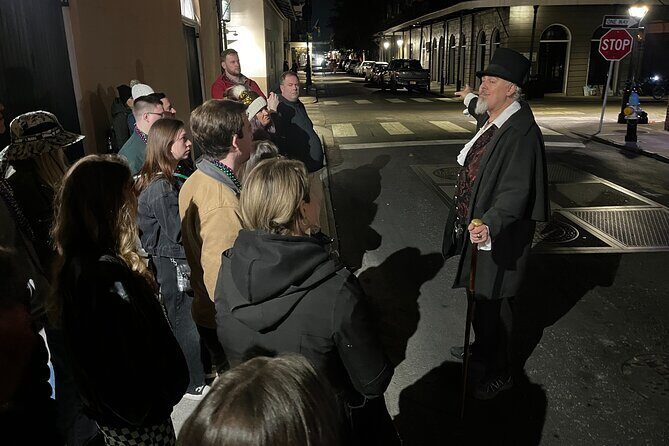
And yes, the guide keeps the tone engaging. Based on past tour leadership, guides like Doug use story pacing that makes the history easy to follow without turning it into a ghost-hunt. The vibe stays on facts, not jump scares.
Sanite Dede and why voodoo became visible enough to be banned
One of the tour’s most distinctive stops is learning about Sanite Dede, the woman introduced as a key early figure who paved the way for Marie Laveau. This is where the walk stops being just about one celebrity name and becomes about a lineage—how beliefs and practices traveled, changed, and took root in the city.
You’ll also hear how voodoo was once popular enough that it had to be banned from the French Quarter entirely. That detail is a reminder that the authorities treated religious practice as a threat, or at least as something they couldn’t control. For you, it helps explain the later mix of fear, propaganda, and rumor that turns into the misinformation tourists usually chase.
This section also connects voodoo history with bigger social currents. You’ll hear about love affairs, documented miracles, radical healings, and spirit summoning, all filtered through ancestor worship. The guide also includes shocking racial crimes and points to the beginnings of the abolition movement, showing how spiritual practice and political change overlapped in real lives.
If you like history that ties culture to power, this is the portion that will stick with you.
You can also read our reviews of more guided tours in New Orleans



What it’s really like on the ground: 2 hours, walking pace, and focus
This is a 2-hour walking tour. That duration is short enough that you can do it on a first or second day in town, but long enough for the guide to build context instead of just listing names.
Because it’s a walking tour, the “how” matters. Come with comfortable shoes, and plan to pay attention in every stop. The best moments aren’t just the biggest sites. They’re the guide’s explanations that connect one place to the next.
The guide will teach in English, and the tour is listed as wheelchair accessible, which is a real plus if you want a structured history experience without needing a car.
Price and value: $37 for a guided walk that corrects the record
At $37 per person for a roughly two-hour guided experience, this sits in the range where you’re paying primarily for interpretation. You’re not just buying access to a site. You’re buying a guide who helps you understand what you’re seeing and why the myths spread.
There’s also value in the operator side of things: the tour is run by a licensed, insured, and bonded provider. You’ll feel it most in the consistency of the experience: meeting point clarity, a live guide, and a planned route.
If you’re the type of traveler who hates generic “scary stories,” this price can feel even more reasonable. The tour’s framing is the point. It gives you a historical backbone and then lets the folklore make more sense instead of feeling random.
Practical tips so you enjoy it (and not just tolerate it)
To get the most from the walk, keep it simple.
- Bring comfortable shoes. The tour is outdoors and paced for walking.
- Bring your camera if you like photos, but also bring your attention. Some of the value is in what the guide says as you look around.
- Bring cash. The tour notes cash as something useful to have.
- Dress for the weather. Two hours in New Orleans can shift fast.
Also, go in with the right mindset. This is about religion, not a theme park. If you treat it that way, the experience gets better quickly.
Who should book this tour, and who might skip it
This tour is a strong fit if you’re:
- New to New Orleans and want a clear starting point on voodoo without misinformation
- Interested in how history, religion, and racism shaped each other
- Curious about Marie Laveau beyond the tabloid version
- The kind of traveler who likes stories grounded in context, not just scare tactics
You might skip it if you’re only looking for a light, casual walk with minimal heavy topics. This one includes dark history and serious cultural material. It’s not graphic, but it doesn’t pretend the past was pleasant.
Should you book this voodoo history guided walking tour?
I’d book it if you want to leave New Orleans with a more accurate mental map. The biggest win is the tour’s insistence on separating misunderstanding from reality early on. Once you learn the differences between Haitian Voodoo, New Orleans voodoo, Santeria, and Hoodoo, the rest of the stops land with more meaning.
I’d also recommend it if you enjoy guides who tell stories with energy while sticking to historical framing. Past leadership like Doug has shown how fun this can be without turning into a spooky-ghost circus.
If you’re looking for a short, guided, history-based walk with real context—this one is a smart use of two hours.
FAQ
How long is the voodoo history guided walking tour?
It lasts about 2 hours.
What does the tour cost?
The price is $37 per person.
Where do I meet the guide?
You meet on the St. Louis side of the Basin Street Station Visitors’ Center, and the meeting point is outside the building.
What language is the tour guide?
The tour is guided in English.
Is the tour wheelchair accessible?
Yes, it’s listed as wheelchair accessible.
What should I bring?
Wear comfortable shoes, and bring a camera, cash, and weather-appropriate clothing.
Can I cancel for a full refund?
Yes. You can cancel up to 24 hours in advance for a full refund.
Is pay later available?
Yes. You can reserve now and pay later, keeping your travel plans flexible.