REVIEW · NEW ORLEANS
New Orleans Voodoo, Storyville, Treme, Walking Tour
Book on Viator →Operated by Historic New Orleans Tours · Bookable on Viator
New Orleans has a talent for telling hard stories with music—and this walking tour stitches together Storyville, Treme, and the cultural roots of voodoo and jazz in just over two hours. You’ll walk past places tied to the city’s earliest jazz scene, then swing into neighborhoods where faith, resistance, and Black community life shaped the music you hear today.
I especially like that the tour focuses on specific landmarks, not vague generalities. You get pointed context at places like Congo Square and St. Augustine Catholic Church, with guides who keep the pace human and the details clear.
One thing to consider: if you’re hoping for a tour that leans heavily into voodoo beliefs, you should expect that some guide styles may stress music and musicians more than voodoo practice. It’s still part of the theme, but the emphasis can shift.
In This Review
- Key things to know before you go
- Price and value: what $29 buys you in New Orleans
- The meeting point on Basin St and the walk’s overall rhythm
- Storyville’s last surviving buildings: where jazz got its first strange stage
- Our Lady of Guadalupe Church: the oldest surviving church story you can actually walk to
- Congo Square: where African culture, music, resistance, and voodoo roots meet
- Louis Armstrong Park: a famous name, with real neighborhood context
- St. Augustine Catholic Church: oldest predominantly Black Catholic parish in the US
- The Tomb of the Unknown Slave: the memorial you didn’t know you needed
- Backstreet Cultural Museum area: why the closed museum still matters
- Guides that get mentioned most: what to expect from the best narrators
- Who this walk suits best (and who should look elsewhere)
- Should you book New Orleans Voodoo, Storyville, Treme, Walking Tour?
- FAQ
- How much does the tour cost?
- How long is the walking tour?
- Where does the tour start and end?
- What’s included in the price?
- Is the tour in English?
- How many people are in the group?
- Is there a mobile ticket?
- Is admission included for the stops?
- Is the tour suitable for all fitness levels?
- What happens if the weather is bad?
- What is the cancellation window?
Key things to know before you go
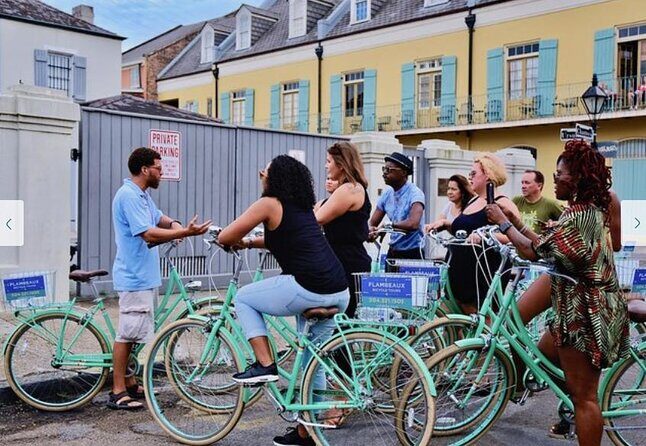
- Small group size (max 20) keeps the walk more conversational than lecture-like.
- Licensed guides are central to the experience, and guide personality makes a real difference.
- Real landmarks, no extras: every stop is designed to be walked and explained, with no paid entry listed.
- You’ll hit both celebration and pain—jazz origins in Storyville and memorial history near St. Augustine.
- Name-brand New Orleans moments: Louis Armstrong Park is part of the route.
- Weather matters since it’s an outdoor walking tour.
Price and value: what $29 buys you in New Orleans
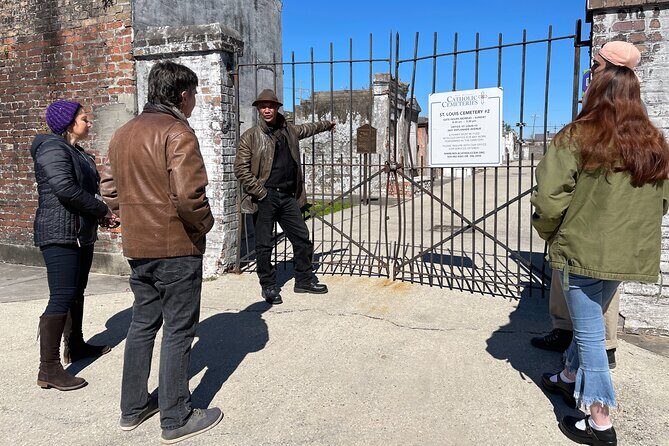
For $29 per person, you’re buying two big things: time with a licensed guide and a route that covers major cultural stops without you having to stitch together directions on your own. With an approximate duration of 2 hours 15 minutes and a maximum group size of 20, this isn’t “sit and shuffle” tourism. It’s enough time to get context, but short enough that you won’t feel dragged through the whole city.
Also worth noting: the tour is listed as including expert licensed guides, while dinner isn’t part of the price. If you plan it early or around lunch, you can turn the rest of the day into your own choice of food and music.
In plain terms: if you’re the kind of visitor who likes why something matters—rather than just what it is—this is solid value.
You can also read our reviews of more walking tours in New Orleans


The meeting point on Basin St and the walk’s overall rhythm
You meet at Backatown Coffee Parlour, 301 Basin St #1, New Orleans, and the tour ends at Saint Augustine Catholic Church, 1210 Governor Nicholls St (with the Tomb of the Unknown Slave nearby on the church side).
The stop lengths are short and practical. That’s good. New Orleans heat (or surprise rain) has a way of turning a long walk into a slog. This one is paced so you can absorb the stories, take a few photos, and keep moving without feeling exhausted.
You’ll also want moderate physical fitness—not for “athlete mode,” just because it’s a walking tour with multiple stops. If you’re sensitive to longer standing, bring a little patience and smart shoes. And yes, service animals are allowed, and it’s near public transportation, which helps if you’re using streetcars or buses to position yourself.
Storyville’s last surviving buildings: where jazz got its first strange stage
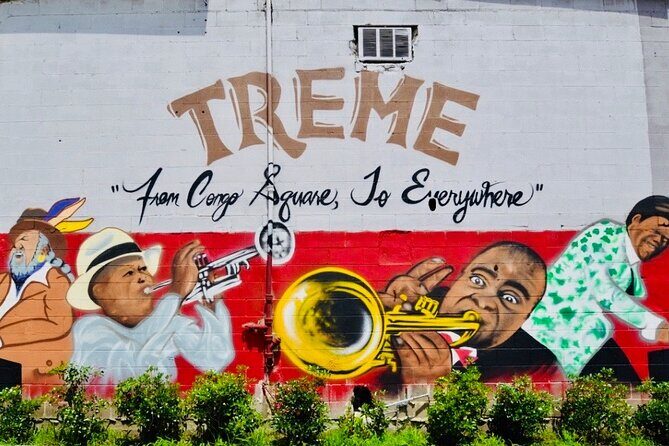
Your first stop is Storyville District, with the focus on the three remaining buildings from the notorious red light district. This is where the early jazz scene took shape, not in a museum-perfect way, but in the messy real world where music was part of nightlife and street-level life.
What I like about starting here: it forces you to understand that jazz didn’t grow in a clean vacuum. It developed in a place shaped by commerce, inequality, and human risk. That context matters because it helps you hear early jazz as something tied to survival and social life—not just entertainment.
The drawback is also part of the package. This is adult history tied to exploitation. The tour handles painful topics with respect, but if you prefer only uplifting stories, you might find the emotional tone heavier than the rest of the route.
Time is tight here—about 10 minutes—so don’t expect lingering photo sessions. Treat this first stop like a quick, powerful “set the stage” moment.
Our Lady of Guadalupe Church: the oldest surviving church story you can actually walk to
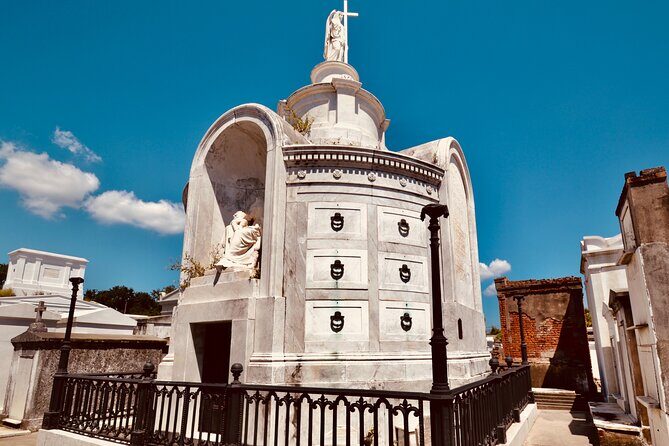
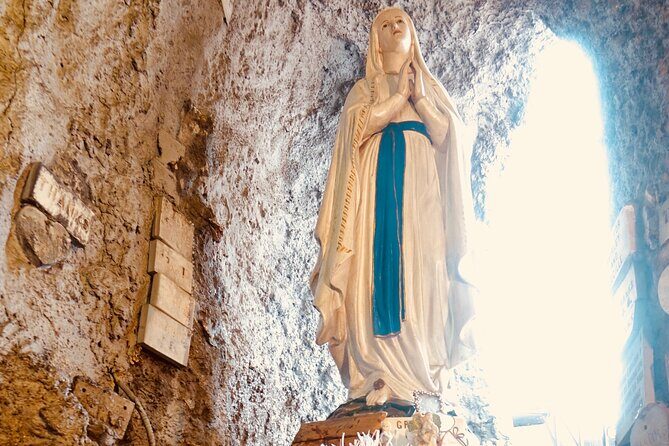
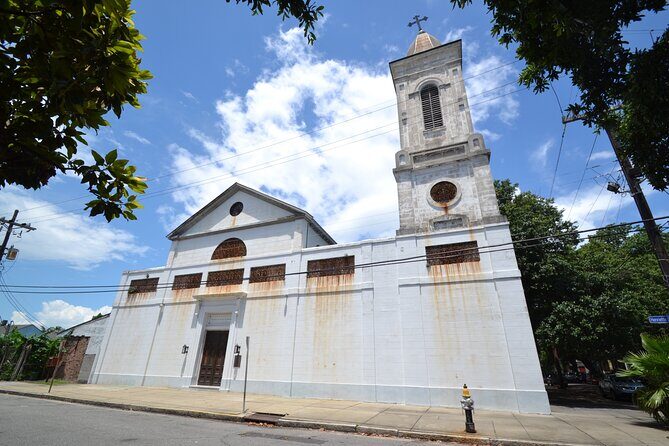
Next you’ll visit Our Lady of Guadalupe Church, described as the oldest surviving church in New Orleans. Your guide will tour you through the church and explain its history.
This stop works because it shifts the energy from the street-level adult history of Storyville to something rooted in worship, community memory, and long-lived structures. Churches in New Orleans often act like anchors for stories—who lived here, how faith survived different eras, and how neighborhoods held onto identity.
At about 20 minutes, you’ll likely get enough time to understand the “why” without getting stuck in details that don’t translate into the rest of your walk. If you’re the type who loves architecture, you’ll enjoy the chance to slow down and look beyond the facade.
One practical consideration: churches mean you should be ready to follow local rules—quiet voices, respectful behavior, and attention to where you’re allowed to stand.
Congo Square: where African culture, music, resistance, and voodoo roots meet

Then comes Congo Square, with the tour framing it as a historic gathering place of African slaves—an origin point for much of New Orleans culture. This is the stop where the tour theme gets more overt. You’re not just hearing about entertainment history now; you’re hearing about culture formed under pressure.
Here’s why I think this stop is central for first-timers: Congo Square represents how community memory and artistic expression survive even when people are forcibly denied freedom. Music becomes language. Gathering becomes resilience. And in New Orleans, the threads of belief, rhythm, and identity often travel together.
You’ll get about 15 minutes here. That’s short, but the payoff is that the guide can connect it back to what you’ve just learned in Storyville. You’ll start seeing jazz not as a single invention, but as a conversation between communities, eras, and lived experiences.
One more note to keep your expectations honest. The tour’s title includes voodoo, but the degree to which a guide emphasizes voodoo versus music can vary. If you want voodoo to be the main event, choose a guide known for that focus—or go in ready to treat voodoo as part of the broader cultural system rather than a standalone spectacle.




Louis Armstrong Park: a famous name, with real neighborhood context
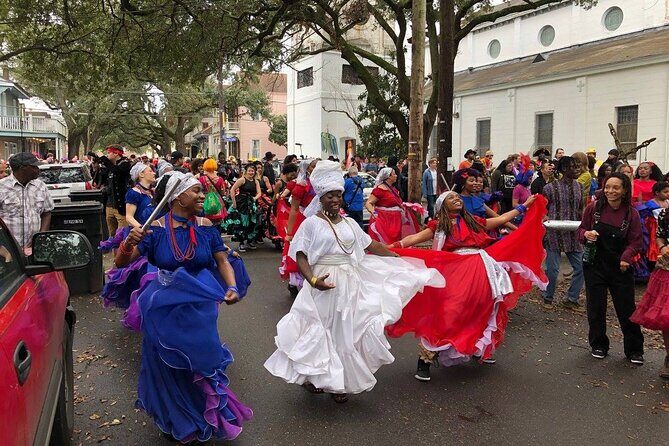
At Louis Armstrong Park, you’ll visit a park named for New Orleans’ most famous son. This is where a lot of first-time visitors pause for photos and move on. The tour helps you do the opposite: it gives you context so the park becomes a memory marker, not just a landmark.
Time here is about 15 minutes, so think of it as a waypoint. You’ll connect Armstrong’s legacy to the city’s musical DNA you’ve been tracing—from Storyville’s early scene to the larger cultural roots around Congo Square and Treme.
The possible drawback: if you’ve already done a heavy Armstrong-focused day, you might feel like this stop is a quick touch instead of a deep dive. Still, the value is in the way it ties themes together—music, identity, and place—using a recognizable name.
St. Augustine Catholic Church: oldest predominantly Black Catholic parish in the US
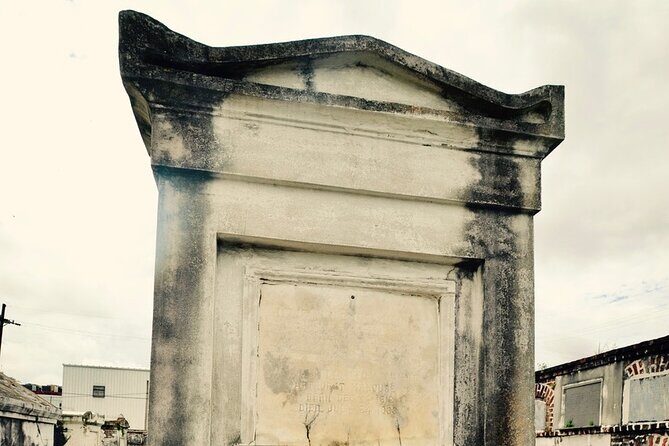
Next is St. Augustine Church, where you’ll visit the historic site and hear about its importance as the oldest predominantly Black Catholic parish in the country. This is not just a sightseeing stop. It’s a statement of survival, faith, and community continuity.
At about 20 minutes, the guide should have time to explain why this church matters beyond the walls: it represents how Black Catholics built institutions in the face of exclusion and still shaped the city’s moral and cultural life.
It’s also a turning point emotionally. You leave the music-and-culture thread and shift into something more institutional and long-term—how communities organize, worship, and remember.
If you prefer tours that honor serious history without making it feel like a lecture, this is usually where you’ll feel the most respect in the pacing.
The Tomb of the Unknown Slave: the memorial you didn’t know you needed
Across the street from the former Backstreet Cultural Museum, the tour highlights the Tomb of the Unknown Slave, described as the only memorial of its kind in America.
This is one of those places that changes your sense of the city. New Orleans can make you feel like history is always around the corner in a fun costume. This stop strips that away. It forces you to recognize slavery as a lived, lasting reality—not just a chapter in a textbook.
It’s paired with the St. Augustine area, which makes the emotional arc stronger. You’ve seen cultural origins. You’ve seen neighborhood identity. Now you see an insistence on memory—written into stone.
At about 20 minutes, you’ll have time to absorb the meaning. Don’t treat this like a quick “check the box.” Even if you’re not a memorial person, this is the kind of stop that gives you a more honest sense of what the music came from.
Backstreet Cultural Museum area: why the closed museum still matters
The tour mentions the area across from the now-closed Backstreet Cultural Museum and uses that proximity to land on the Tomb of the Unknown Slave. That detail matters. It tells you that some of the city’s storytelling infrastructure changes over time—but the need to remember doesn’t go away.
Practically, this is a quiet moment in the walk. You’ll likely have a few minutes of stillness where you can look, read what you can, and let the guide’s explanation frame it for you.
The potential drawback: if you’re expecting a museum interior visit, you won’t get that here. The tour is built around walking stops and landmark context rather than museum time.
Guides that get mentioned most: what to expect from the best narrators
Guide style makes a difference on a walking tour, and this one has enough moving parts that the narrator’s energy is noticeable.
Some guide names you’ll see associated with strong experiences include New Orleans Nate and David Higgins (and Mr. Higgins). The recurring traits from those praised guides are: loud enough storytelling so you can actually hear, strong command of details with supporting examples, patience for photos, and a fun personality that keeps heavy topics from turning into grim slog.
One important expectation-check: if you’re chasing voodoo emphasis specifically, know that a substitute guide situation can shift the focus. In one case, the content leaned more toward music and musicians. So if voodoo is your top priority, go in open-minded—and ask yourself whether you’re more excited by cultural roots or by any single practice topic.
Who this walk suits best (and who should look elsewhere)
This is a great fit if you:
- want a first-timer-friendly route that connects neighborhoods, music, and belief systems in one walking day
- like a guide who tells stories with specifics, not broad claims
- want to see both the light side (jazz origins, public gathering spaces) and the hard side (slavery memorial)
It might be less ideal if you:
- want only upbeat history
- need a tour that guarantees the voodoo portion will be the main focus
- don’t do well with standing and walking across several stops
Should you book New Orleans Voodoo, Storyville, Treme, Walking Tour?
Yes—if you want the kind of New Orleans experience that feels local, focused, and honest. The route is built around key cultural places: Storyville’s jazz-start context, Congo Square’s cultural origins, Louis Armstrong Park as a musical anchor, and St. Augustine plus the Tomb of the Unknown Slave for the memory that keeps things real.
At $29 for a licensed-guided, 2+ hour walk with a small group limit, it’s a good deal for first-time visitors—especially if you’re arranging your days around learning what to explore next on your own.
If you’re booking specifically for voodoo content, go in with flexible expectations about how each guide frames the topic. Still, even when the emphasis leans toward jazz and musicians, the overall cultural story is strong.
FAQ
How much does the tour cost?
The tour costs $29.00 per person.
How long is the walking tour?
It’s approximately 2 hours 15 minutes.
Where does the tour start and end?
It starts at Backatown Coffee Parlour, 301 Basin St #1, New Orleans, LA 70112, and ends at Saint Augustine Catholic Church, 1210 Governor Nicholls St, New Orleans, LA 70116. The Tomb of the Unknown Slave is on the side of St. Augustine Catholic Church.
What’s included in the price?
The tour includes expert licensed guides.
Is the tour in English?
Yes, it’s offered in English.
How many people are in the group?
The tour has a maximum of 20 travelers.
Is there a mobile ticket?
Yes, the tour uses a mobile ticket.
Is admission included for the stops?
Admission is listed as free for the stops included in the itinerary.
Is the tour suitable for all fitness levels?
It’s recommended for travelers with a moderate physical fitness level.
What happens if the weather is bad?
The tour requires good weather. If it’s canceled due to poor weather, you’ll be offered a different date or a full refund.
What is the cancellation window?
You can cancel for free up to 24 hours in advance for a full refund. If you cancel less than 24 hours before the start time, the amount paid is not refunded.