REVIEW · NEW ORLEANS
New Orleans: Whitney Plantation + Soul of New Orleans Tour
Book on GetYourGuide →Operated by 2nd Line Tours · Bookable on GetYourGuide
History hits hard fast. This combo tour links the Whitney Plantation story to what happened to enslaved people once they reached New Orleans streets on the Soul of New Orleans city route.
I love two things right away: the Whitney audio sets you up for reflection through firsthand-style narratives, and the second half of the day connects that history to what grew out of it—jazz origins, Black masking culture, Mardi Gras Indians, and Creole identity.
One possible drawback: it’s an 8-hour day with heavy themes. You’ll want a calm mindset, good shoes, and a little extra patience for a long, meaningful route.
In This Review
- Key takeaways before you go
- How the 8-hour combo tour flows (and why it works)
- Whitney Plantation: self-guided audio that centers enslaved voices
- What you’ll see on the Whitney grounds (and what to notice)
- Between parts of the day: River Road bus time and antebellum sightlines
- Lunch break: use it to reset, not rush through
- Soul of New Orleans city tour: from neighborhood slavery to jazz and identity
- Culturally specific stops you’ll want to pay attention to
- Hurricane Katrina aftermath and the 9th Ward legacy
- Price and value: what you’re really paying for at $120
- Who should book this tour (and who might rethink it)
- Booking decision: should you go for Whitney + Soul of New Orleans?
- FAQ
- FAQ
- What’s the duration of the Whitney Plantation + Soul of New Orleans tour?
- How much does the tour cost?
- Is hotel pickup and drop-off included?
- What time does the pickup begin?
- Is there a grace period if I’m not ready exactly at 8:00 AM?
- Do I get a guide for the whole day?
- Is entry to Whitney Plantation included?
- Do I get headsets for the Whitney audio?
- Is there time to eat during the day?
- Can I cancel and get a refund?
- Is there a pay-later option?
Key takeaways before you go
- Whitney Plantation is self-guided by audio, with headsets so you can hear clearly at your own pace
- River Road bus time helps you spot antebellum plantations along the way and understand the setting
- The city tour traces “urban slavery” through neighborhoods like Congo Square and Tremé
- Culture isn’t treated as separate from pain: jazz, masking traditions, Mardi Gras Indians, and Creole identity are connected on purpose
- Real history after slavery is included, including Hurricane Katrina aftermath and the legacy of the 9th Ward
- You’ll learn about major resistance in U.S. history, including the largest slave rebellion in the United States history
How the 8-hour combo tour flows (and why it works)
This is a single-day, two-part experience: first, you focus on plantation-era slavery at Whitney Plantation. Then you shift to New Orleans, where a live guide helps you understand how slavery shaped the city’s neighborhoods, labor, and culture.
The timing matters. Whitney can be emotionally intense and physically slow at ground level—then you transition to a bus-and-walk-style city tour where context and connections help everything click. You also get a lunch break mid-day, which is a smart way to avoid burning out before the afternoon themes kick in.
You’re paying for more than transportation. At $120 per person, you’re buying: hotel pickup and drop-off, entry tickets, a River Road bus segment, a live English guide for the city portion, and headsets for the Whitney audio. In other words, you’re not stitching together multiple tickets and guides on your own.
You can also read our reviews of more tours and experiences in New Orleans.


Whitney Plantation: self-guided audio that centers enslaved voices
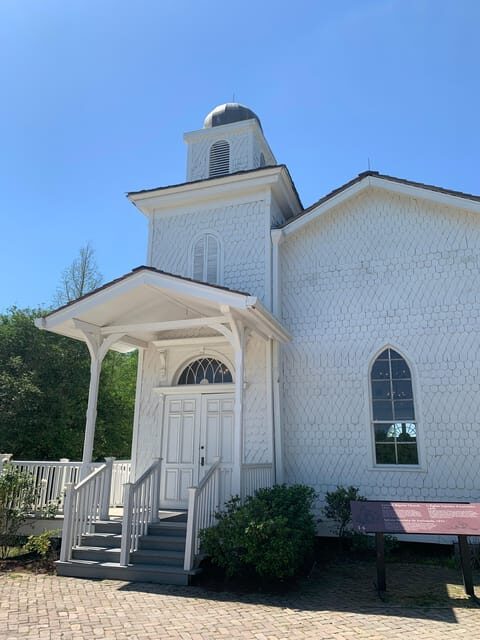
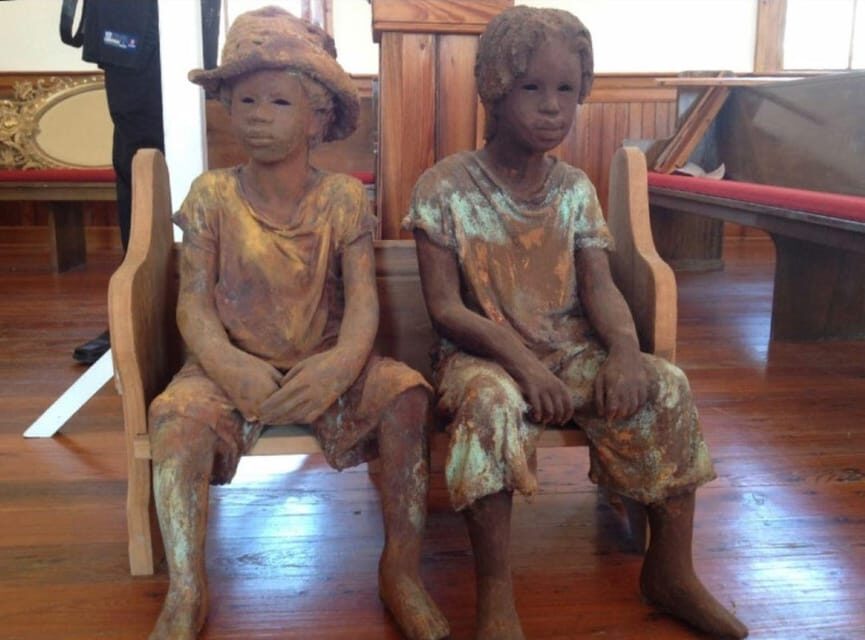
Whitney Plantation is the anchor of the day. It’s described as Louisiana’s only museum dedicated to interpreting the lives of enslaved people through their own voices and perspectives. That approach changes the tone immediately. Instead of treating slavery as background information, the museum keeps returning to lived experience and what people endured.
What makes it work for your day is the setup: you get an audio self-guided tour with headsets. That means you’re not stuck listening to a script in a crowd. You can slow down at the preserved areas and memorials, pause when something hits, and move on when you’re ready.
If you’re the type who likes to read at your own pace—this part is built for you. If you prefer a faster, talk-everywhere tour style, the self-guided nature may feel like you’re moving alone for a bit. But even then, the headsets keep you anchored.
What you’ll see on the Whitney grounds (and what to notice)
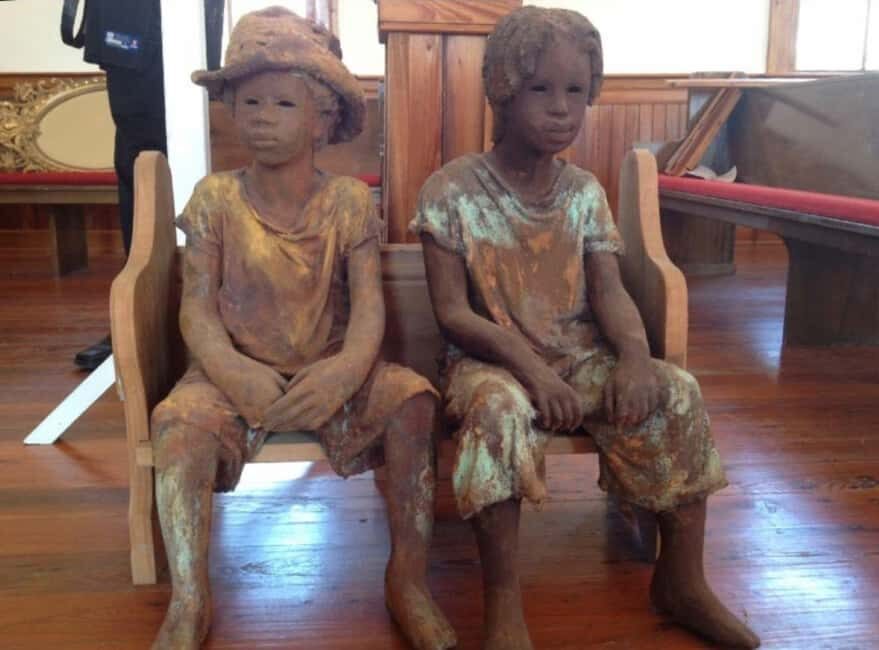
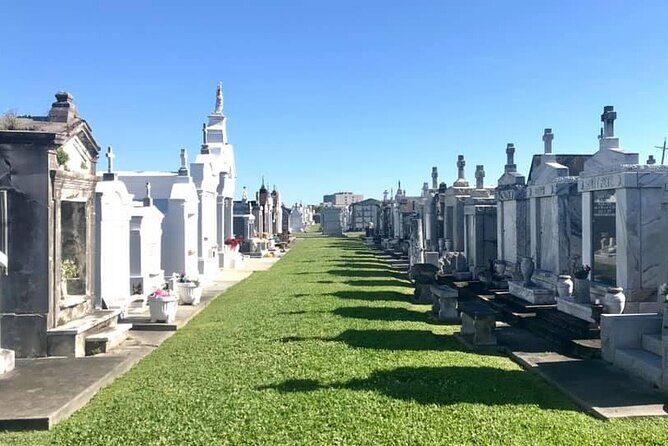
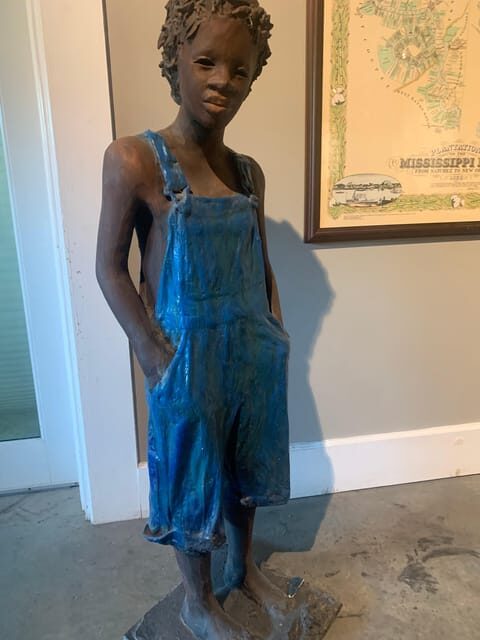
You’ll be walking preserved property tied to slavery-era life and memory. The highlights include preserved slave cabins, powerful memorials, and firsthand narratives delivered through the audio.
A few things I’d pay attention to as you walk:
- How the audio directs your attention: it repeatedly returns to people’s voices and experiences, not just dates or generalities
- The memorials and naming: these aren’t just “decorations.” They give form to loss and survival
- The preserved structures: cabins and other buildings are there to make the scale of confinement and the reality of daily life feel specific
The included tour elements you’ll notice in the museum’s interpretive areas include items like an Antebellum Guest House and other on-site spaces described as part of the day’s content. You might also encounter references connected to film scenes—because the grounds have appeared in media—so keep your focus on the museum message, not the production trivia.
There’s also a key historical thread woven into Whitney’s programming: you’ll learn about the largest slave rebellion in United States history. If you’ve heard the phrase before but never had it explained in context, plan to give that segment extra time. It’s the kind of story that changes how you read the rest of the museum.
Between parts of the day: River Road bus time and antebellum sightlines
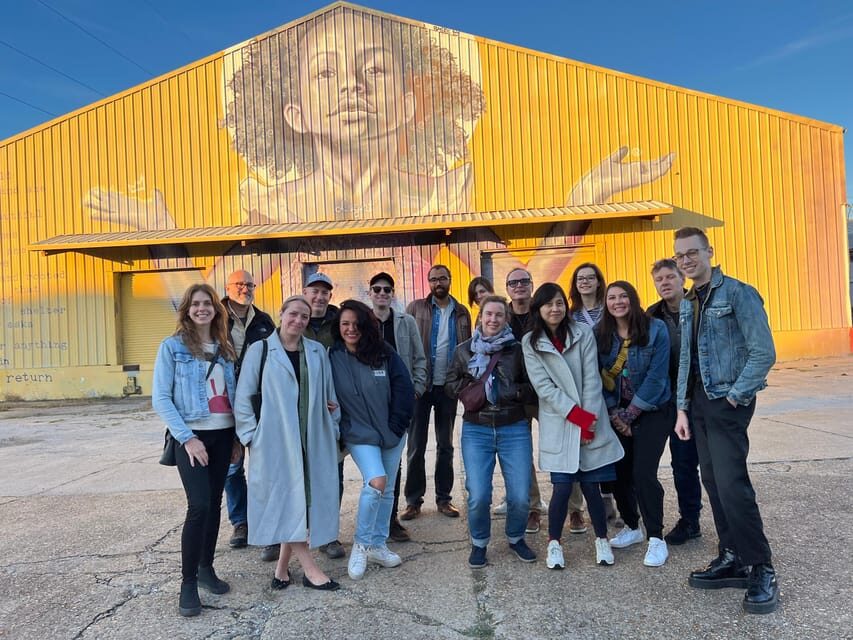
After Whitney, the route turns toward the River Road experience. This is one of the reasons the combo tour feels like one story instead of two separate stops. The bus component sets the landscape—literally—and gives you a sense of what the plantations meant spatially.
You’ll pass by antebellum plantations on the River Road, and the bus tour context helps you interpret what you’re seeing. It’s not just a scenic drive. It helps explain why this region became a backbone of plantation slavery and how geography shaped daily labor, transportation, and control.
This is also where I think the “gap” between plantation life and city life gets bridged. New Orleans wasn’t far away. Enslaved people, goods, and systems moved through networks, not isolated bubbles. The bus segment makes that connection feel practical instead of abstract.
Lunch break: use it to reset, not rush through
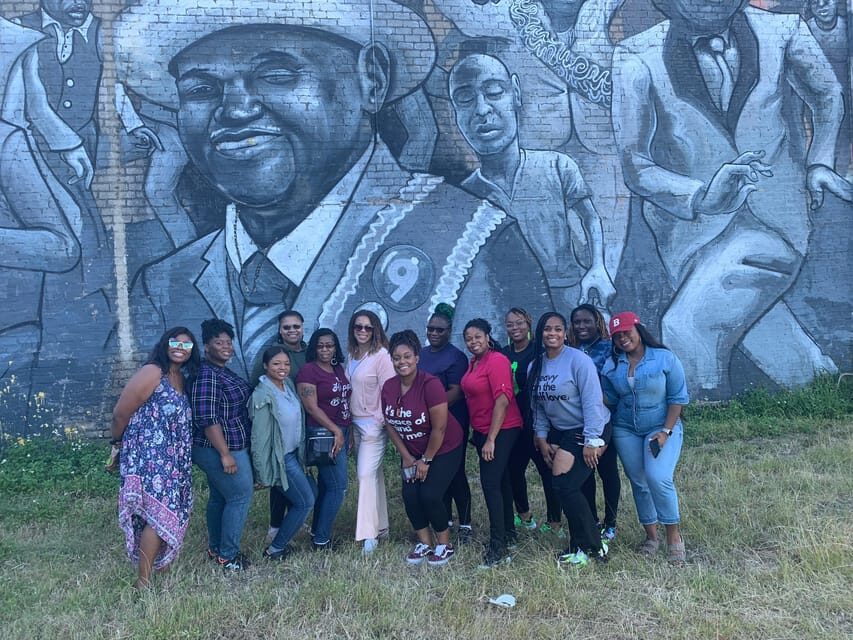
The schedule builds in a lunch break after Whitney. That’s a small detail with a big impact on how you’ll handle the afternoon.
Here’s my advice: don’t treat lunch like a checkout line where you eat fast and carry on with your thoughts. Take a real pause. If you’re sensitive to heavy content, you’ll appreciate having a little time to cool down before the city tour shifts into culture, art, and resilience.
And because this is a combo day, energy matters. You’ll be doing a lot of meaningful walking and listening. A break helps you keep your attention sharp for the next section.





Soul of New Orleans city tour: from neighborhood slavery to jazz and identity
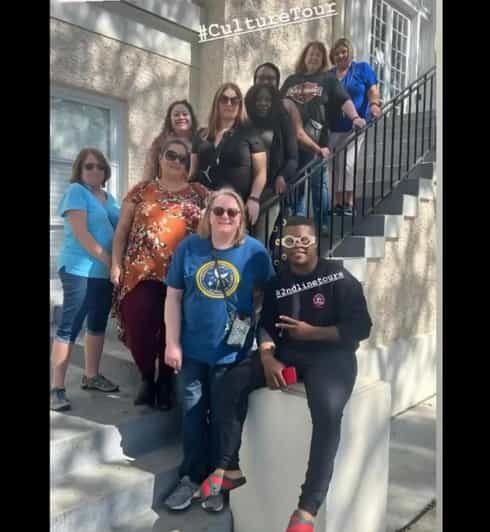
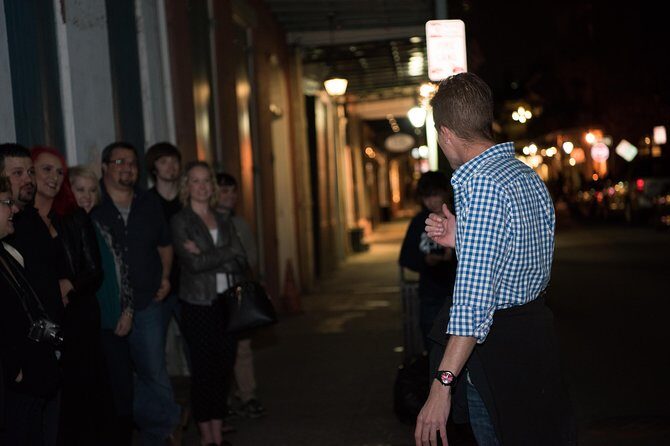
Now you change gears. The Soul of New Orleans City Tour is where the day connects plantation slavery to Black cultural power on the streets—especially through music and identity.
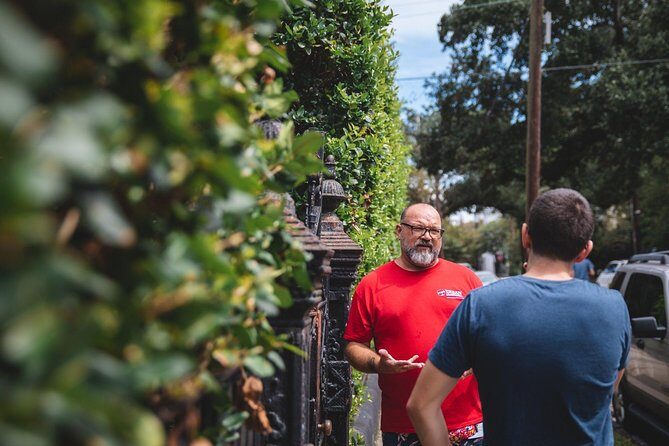
The tour’s premise is that slavery shaped New Orleans in an urban way. Instead of thinking only about fields and plantation gates, your guide points out how enslaved Africans helped build the city’s infrastructure and how those contributions became part of the city’s long-term identity.
The city portion includes several named areas and themes:
- Congo Square
- Tremé
- The Mississippi Riverfront
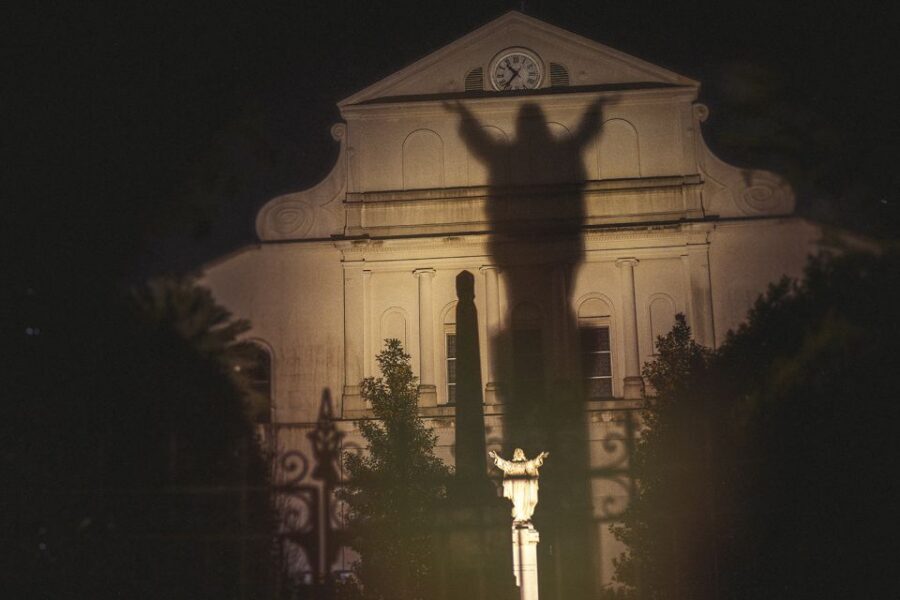
- Hidden corners of the French Quarter
As you move, the guide links these places to bigger cultural patterns. You’ll learn how the origins of jazz connect to the people who were forced into labor and social systems that still produced creativity. You’ll also hear about Black masking culture, Mardi Gras Indians, and Creole identity—explained as results of survival and transformation, not random festivals that just happened.
This is where the tour feels most “useful.” If you only visit a museum and then wander the Quarter on your own, you may see buildings and hear music but miss the logic of how it formed. Here, your guide draws an honest line between plantation slavery and the cultural revolution that rose in New Orleans.
Culturally specific stops you’ll want to pay attention to

The included elements for the city side point to specific interpretive themes. You’ll encounter content tied to:
- Birthplace of Jazz
- Musicians Village
- The Oldest African-American Neighborhood
- Studio B
- Scenes from movies
- Antebellum Guest House (as part of the broader day’s site interpretation)
Not every stop is described with street-level detail in the information you provided, so I’ll keep this practical: when your guide names these places or concepts, treat them like signposts. Ask yourself what the tour is trying to show: Who built this? What was the labor system? How did culture survive and change form?
If you like context as much as sightseeing, this part will keep your attention.
Hurricane Katrina aftermath and the 9th Ward legacy
This isn’t only about the past. The city tour includes Hurricane Katrina aftermath and the legacy of the 9th Ward.
That matters because it changes the usual “plantation-to-music” narrative into something more complete. You see how communities carry history forward through displacement, rebuilding, and political struggle. It also means the tour doesn’t stop at celebration. It acknowledges that survival continues after slavery, too.
On a related note, one highlight from a recent participant experience involved a chance to meet Dr. Tate at the TEP Center and learn about desegregation in New Orleans. That kind of added stop (when it fits the day) can turn a city tour from sightseeing into education with real names and real institutions.
Price and value: what you’re really paying for at $120
At $120 per person for an 8-hour day, the value comes from the structure.
You’re getting:
- hotel pickup and drop-off
- entry tickets to Whitney Plantation
- a headsets-supported audio tour at Whitney
- a River Road bus tour with commentary
- a live English guide for the city portion
- and a schedule that pairs plantation history with the city’s urban slavery and cultural results
If you tried to do this solo, you’d likely spend time coordinating rides, paying separate admissions, and piecing together commentary gaps. Here, the day is packaged so you get both the “where and how people lived” part and the “how culture formed” part without doing extra planning.
Is it expensive? Not cheap. But for what’s included, it’s fair—especially if you want a guide to connect the dots between neighborhoods, jazz origins, and the deeper meaning behind traditions like Mardi Gras Indians and masking culture.
Who should book this tour (and who might rethink it)
You’ll probably love this tour if you:
- want one day that connects plantation slavery and New Orleans culture in a straight line
- prefer guided context for the city portion, but like being able to go at your own pace at Whitney
- value memorial spaces and historical honesty, not softened storytelling
- don’t mind a long day with heavy themes
You might rethink it if you:
- want a purely upbeat “see the sights” New Orleans day
- dislike audio guide formats and need a fully live guided experience the whole time
- have limited stamina for museum walking and day-long transit
Booking decision: should you go for Whitney + Soul of New Orleans?
If your goal is to understand New Orleans beyond postcards—this is one of the best ways to do it in a single day. The Whitney Plantation part gives you language for the plantation story without turning it into a vague “learning moment.” Then the city tour shows how that same history shaped neighborhoods, jazz origins, masking culture, and Creole identity.
My main push: go in with emotional readiness. This isn’t history for casual browsing. But if you’re ready to learn with clarity and respect, the payoff is real—and you’ll leave with a better map in your head than you could get from wandering alone.
FAQ
FAQ
What’s the duration of the Whitney Plantation + Soul of New Orleans tour?
It runs for 8 hours.
How much does the tour cost?
The price is $120 per person.
Is hotel pickup and drop-off included?
Yes. Pickup and drop-off are included, with pickup in front of your hotel.
What time does the pickup begin?
Pickups begin at 8:00 AM, and the driver makes multiple stops.
Is there a grace period if I’m not ready exactly at 8:00 AM?
Yes. There’s a 30-minute grace period for pickups, and the driver will arrive within that grace period.
Do I get a guide for the whole day?
There’s a live tour guide for the city portion (English). Whitney Plantation is a self-guided audio tour with headsets.
Is entry to Whitney Plantation included?
Yes. Entry tickets to the Whitney Plantation tour are included.
Do I get headsets for the Whitney audio?
Yes. Headsets are provided so you can hear the self-guided tour clearly.
Is there time to eat during the day?
There is a lunch break after the Whitney Plantation portion.
Can I cancel and get a refund?
Yes. Free cancellation is available up to 24 hours in advance for a full refund.
Is there a pay-later option?
Yes. You can reserve now and pay later.