REVIEW · NEW ORLEANS
Private French Quarter, Voodoo, and Congo Square Walking Tour
Book on Viator →Operated by Witches Brew Tours · Bookable on Viator
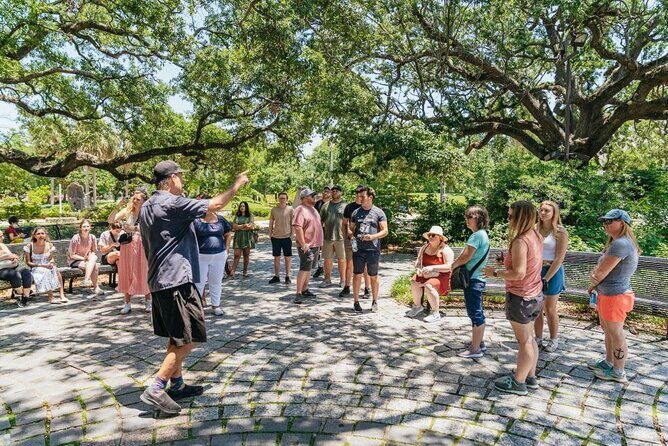
There’s something magnetic about the French Quarter after you learn the stories behind it. This private walking tour mixes voodoo traditions, local history, and real street-level details in a way that feels practical, not spooky-for-spooky-sake. I especially like how the pace stays easy and guided, so you get context without racing ahead of the buildings and street corners.
Two things I like a lot: you get shopping stops at voodoo supply shops built into the route, and your guide brings the ideas to life with licensed, local storytelling (I heard guide William in particular described as excellent). One possible drawback: you’ll still be on your feet for about a mile over 90 minutes, and the French Quarter terrain can be uneven.
In This Review
- Key highlights you’ll actually feel on the walk
- Why this French Quarter voodoo tour feels different from a generic ghost walk
- Price and value: $350 per group that can actually feel fair
- Meeting point to ending point: how the route keeps things simple
- Stop 1: Witches Brew Gallery & Haunted Sanctuary and the right way to frame voodoo
- Stop 2: French Quarter streets, shotgun homes, and Marie Laveau lore
- Stop 3: Bourbon Street without turning the tour into a bar crawl
- Stop 4: Congo Square and why it belongs on a voodoo conversation
- Stop 5: Louis Armstrong Park and stories of large gatherings
- Stop 6: Voodoo Authentica and seeing handmade objects up close
- Stop 7: Jackson Square as your visual finishing point
- Who this tour is best for (and who should reconsider)
- Comfort tips that make the 90 minutes feel easy
- So, should you book it?
- FAQ
- How long is the Private French Quarter, Voodoo, and Congo Square Walking Tour?
- Where do we meet, and where does the tour end?
- What is the walking distance and pace like?
- Is the tour private, and what group size can it handle?
- Does the tour go inside any cemeteries?
- What should I bring?
Key highlights you’ll actually feel on the walk
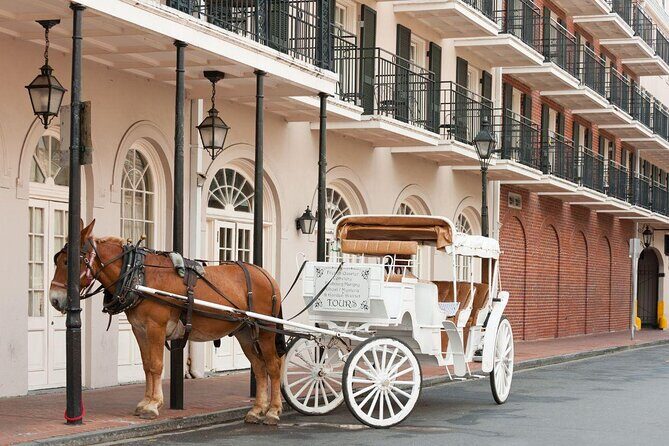
- Private tour for your group (up to 15) with a licensed City of New Orleans guide
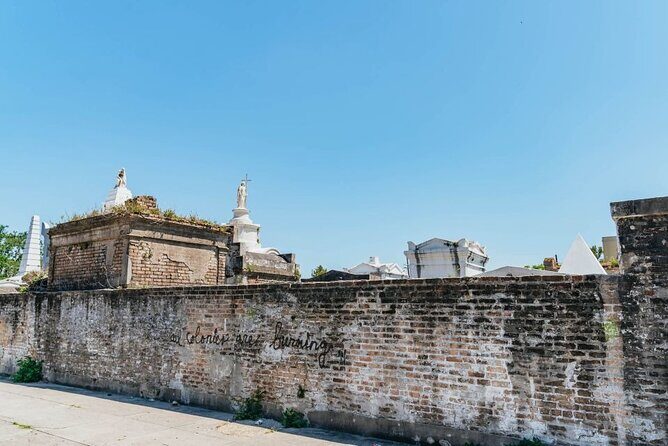
- Witches Brew Gallery start that sets the tone with voodoo and cemetery-related context, without entering cemeteries
- Marie Laveau and shotgun/Creole housing stories as you move through the Quarter’s street grid
- Congo Square + Louis Armstrong Park context for African American music and historic gatherings
- Stops at handmade voodoo goods like dolls and gris-gris from a famous French Quarter shop
- Easy going walking plan: leisurely pace, about one mile total, with water recommended in summer heat
Why this French Quarter voodoo tour feels different from a generic ghost walk
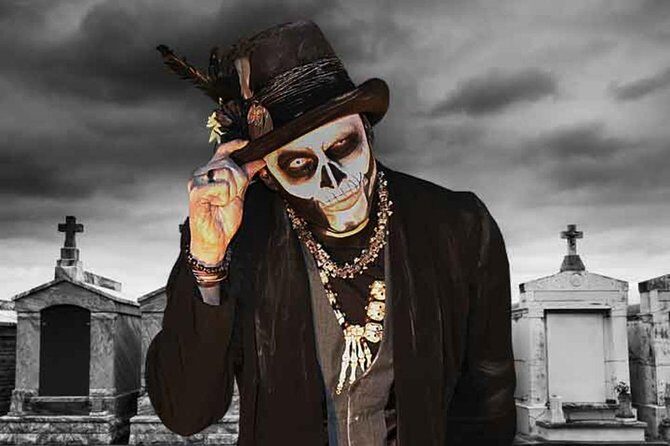
New Orleans tours fall into two buckets: you either get a list of places, or you get a guided explanation that helps the city make sense. This one aims for the second kind. You’re not just pointed at spooky landmarks. You’re taught the meaning of rituals and traditions that residents took seriously, while also seeing how the French Quarter and Tremé neighborhoods shaped everyday life.
The setup matters. You begin at Witches Brew Gallery & Haunted Sanctuary, where the focus is on voodoo history and cemetery-adjacent themes. That gives you a mental framework before you start walking past architecture, courtyards, and the kinds of homes that define the Quarter. Instead of asking you to memorize facts, the tour tends to connect ideas: place to story, and story to culture.
And it’s private, which changes the feel fast. When it’s just you and your party, you can ask the quieter questions you might hesitate to ask in a crowd—especially when the subject is something as personal and layered as voodoo.
You can also read our reviews of more walking tours in New Orleans

Price and value: $350 per group that can actually feel fair
At $350 per group (up to 15), the math works best if you have more than two or three people. The tour isn’t priced per person in the way many walking experiences are. It’s priced as a private guided hour-and-a-half for a whole group, which means families, friend groups, and youth groups tend to get more value out of it than a solo traveler paying solo rates.
What makes it better than “just a guide” is that the route includes voodoo supply shop stops along the way. Those stops help turn abstract lore into something tangible—like understanding what gris-gris bags are meant to represent and seeing the types of handmade items that have become part of the modern voodoo shopping landscape.
Two practical notes for value. First, the tour duration is 90 minutes and covers about one mile at a leisurely pace, so you’re paying for time and interpretation, not an all-day schedule. Second, the guide is licensed by the City of New Orleans, which is a real quality signal when you’re paying for context, not just walking directions.
Meeting point to ending point: how the route keeps things simple
You meet at 311 Exchange Pl, New Orleans, LA 70130. The walking portion concludes in the French Quarter, near Jackson Square. That end point is useful. Jackson Square is one of the easiest places to orient yourself afterward, and it’s an area where you can quickly pick your next stop—food, shopping, or a museum.
You’ll want to plan to arrive early. The guidance is to meet 30 minutes before the voodoo and cemetery walking tour begins, starting at the Witches Brew Gallery in the French Quarter. This extra buffer is more than a courtesy. It lets you settle in, check the group, and start with the right headspace so the stories land while you’re still fresh.
Also worth knowing: the experience is offered in English and uses a mobile ticket. And while it’s near public transportation, you’ll still be walking the full route on foot—so treat it like a walking experience, not a bus tour with short stops.
Stop 1: Witches Brew Gallery & Haunted Sanctuary and the right way to frame voodoo
The first stop is where the tour earns its credibility. Starting at Witches Brew Gallery & Haunted Sanctuary means you’re not guessing what the guide will talk about later. You get the foundation: voodoo history in New Orleans and how ideas around spirits, rituals, and cemetery symbolism show up in local storytelling.
Importantly, the tour is described as not going inside any cemeteries. That’s a key consideration for expectations. You’ll still get cemetery-related context, but you won’t have the logistics and restrictions that come with entering locked grounds or restricted areas.
The real benefit here is mental framing. If you start in the middle of the French Quarter without context, you tend to read everything as spooky spectacle. Starting here helps you understand why certain streets, names, and traditions matter to residents.
Stop 2: French Quarter streets, shotgun homes, and Marie Laveau lore
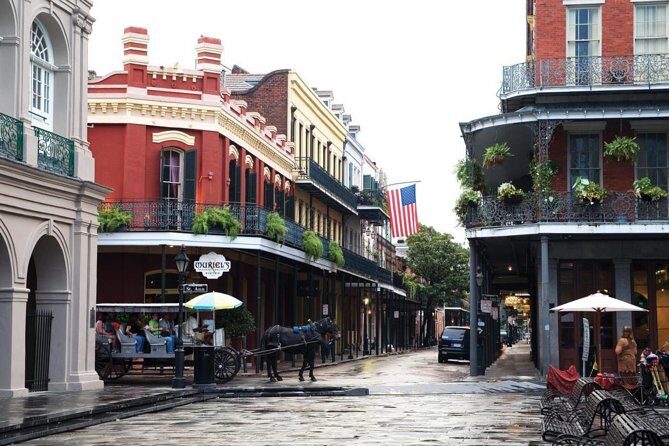
Once you’re walking the French Quarter streets, you get the kind of observations that make the neighborhood feel real. The tour covers classic architecture around the city and pays attention to home styles—especially shotgun homes, which were popular in the early 1860s. You’ll also hear about Creole townhouses, which helps you see that the Quarter’s look is tied to history, not just aesthetics.
Then the tour connects the built environment to voodoo practitioners. You’ll hear stories around legendary figures such as Marie Laveau. This is where the guide’s local storytelling style matters most. Instead of treating voodoo like a museum exhibit, the tour explains how many people in New Orleans historically believed in the religion and how rituals and traditions were observed.
A quick practical note: Bourbon Street is nearby, and it’s easy for the atmosphere to shift quickly. The guide’s job is to keep you grounded. Expect a smooth transition from architecture and tradition to the livelier energy of the Quarter, without losing the thread.
You can also read our reviews of more private tours in New Orleans




Stop 3: Bourbon Street without turning the tour into a bar crawl
Bourbon Street is one of the most famous streets in New Orleans, and this stop acknowledges that reality. You’re not sent off to party. You’re brought into the street as a landmark: the heart of the French Quarter, with bars and clubs.
The good part about this stop is that it gives you context for why Bourbon Street is so famous. The tour frames the area as a major visitor magnet—over 17 million visitors annually is the kind of scale you don’t feel until you’re standing there and realizing how dense the tourism energy is.
The drawback is also part of the deal. Bourbon Street is loud and fast. Even with a guided pace, it can be a lot for people who want a quiet, reflective walk the whole time. If that matters to you, go with the mindset that this is a landmark stop, not a long linger.
Stop 4: Congo Square and why it belongs on a voodoo conversation
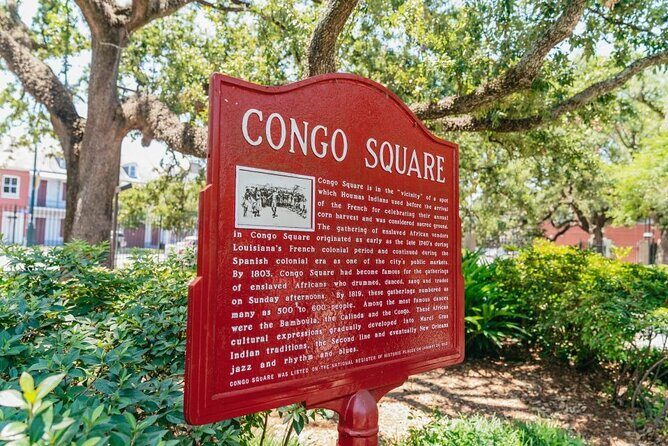
Congo Square is an open space within Louis Armstrong Park in the Tremé neighborhood. The tour uses it to connect African American music history with the broader cultural currents that shaped New Orleans—especially in an area known for community gatherings.
This is one of the most meaningful shifts in the route. You move from the French Quarter’s immediate “touristy” world into Tremé’s deeper identity. You don’t need to know music history already. The guide gives you enough context to understand why this place mattered for public gathering, performance, and social life.
A practical advantage: because Congo Square is an open space, it’s a natural breather in the walking sequence. You can look around, take in the space, and let the stories settle before the tour continues to Louis Armstrong Park.
Stop 5: Louis Armstrong Park and stories of large gatherings
At Louis Armstrong Park, the guide shares stories about large gatherings in the 1800s, including voodoo rituals. That combination is the point: you’re seeing how public space and cultural practice can overlap in ways that don’t always show up on postcards.
This stop tends to work well if you like the “how did people live” style of history. Instead of just naming dates, the tour frames the park as a place where community life could take shape—music, ritual, and social gatherings happening in shared space.
The main consideration here is timing and pace. You’re still on a walking tour, so you won’t get hours in the park. But the stop is long enough to give meaning to the space.
Stop 6: Voodoo Authentica and seeing handmade objects up close
One of the standout practical elements of this tour is that it includes voodoo supply shop stops. Voodoo Authentica is one of the featured locations on Dumaine Street, known since the 1990s for handmade voodoo dolls, gris-gris bags, and other items.
This isn’t just shopping as an add-on. It’s part of the tour’s logic. When you see items made by hand and learn how they’re used and interpreted, voodoo becomes more than a story told on a street corner. It becomes visible in objects that people continue to buy, carry, and understand through tradition.
The potential drawback is simple: if you dislike shopping stops, you might feel your time is partially split between walking and browsing. But if you like cultural crafts, this stop is a big value boost. Even if you don’t buy anything, you’ll likely leave with a clearer understanding of what visitors often hear about in New Orleans voodoo conversations.
Stop 7: Jackson Square as your visual finishing point
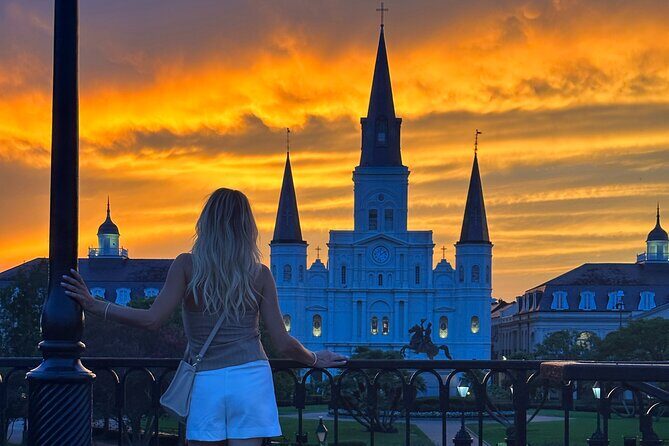
The tour passes by Jackson Square, named after General Jackson and tied to the Battle of New Orleans. You’ll also get to view the statue of Jackson.
As a finale, Jackson Square works because it’s a clean visual anchor. You’ve walked through the Quarter’s architecture, landmark streets, and cultural spaces. Ending near the square helps you orient quickly and continue exploring at your own pace afterward.
If you want a practical next step, plan to linger in this area. It’s where you can decompress after the guided walk and then choose what fits your mood—more sightseeing, a museum stop, or food nearby.
Who this tour is best for (and who should reconsider)
This tour is a strong match if you want a private French Quarter walking experience focused on voodoo traditions and local storytelling, with enough context to understand why the Quarter feels the way it does.
It’s especially good for:
- Families and youth groups who want something educational but still memorable
- People who like architecture and place-based history, not just legends
- Travelers who prefer a guide who can explain traditions without turning them into caricature
It may be less ideal if:
- You hate walking on uneven historic streets
- You want a strictly quiet atmosphere the whole time (Bourbon Street can be lively)
- You’re hoping for entry into cemeteries (this tour does not go inside cemeteries)
Comfort tips that make the 90 minutes feel easy
The route covers about one mile at a leisurely pace, but the terrain in the French Quarter is still the French Quarter—uneven sidewalks, lots of curb cuts, and summer heat can be intense.
Here’s what I’d plan for:
- Comfortable walking shoes you can trust on uneven pavement
- Water (bottled water is recommended)
- A light layer, especially if you’ll be stepping in and out of shaded spots and shops
- Moderate physical fitness, since you’ll be on your feet for the full 90 minutes
If mobility is a concern, note that accommodation is not guaranteed because the terrain can be challenging. It’s one of those cases where you’ll be happier booking if you’re confident with walking streets and curbs.
So, should you book it?
If you want a guided French Quarter experience that mixes voodoo lore, New Orleans place history, and real neighborhood stops (including Congo Square and a handmade voodoo shop), this is a solid choice. The private format and licensed guide quality help it feel focused, and the included shop stops add real-world context instead of keeping the tour purely theoretical.
I’d book it if your group enjoys learning through stories and street details, and you’re comfortable with a relaxed one-mile walk. I’d pass if you want a low-walking, no-stops experience, or if you’re uncomfortable with the volume and energy around Bourbon Street.
FAQ
How long is the Private French Quarter, Voodoo, and Congo Square Walking Tour?
It runs about 1 hour 30 minutes.
Where do we meet, and where does the tour end?
You meet at 311 Exchange Pl, New Orleans, LA 70130. The tour ends near Jackson Square in the French Quarter.
What is the walking distance and pace like?
The tour expects a leisurely pace and covers about one mile during the 90-minute experience.
Is the tour private, and what group size can it handle?
Yes, it’s a private tour/activity, and it’s for your group only. The guide supports up to 15 travelers.
Does the tour go inside any cemeteries?
No. The tour does not go inside cemeteries.
What should I bring?
Bring comfortable walking shoes and bottled water, especially in warmer months when dehydration can be a concern.