REVIEW · NEW ORLEANS
Private French Quarter Walking Tour
Book on Viator →Operated by New Orleans Private Tours · Bookable on Viator
French Quarter secrets are easier when someone local steers you. I love the private group size (you can ask real questions) and the Dominick-level local perspective that turns famous sights into clear, human stories. It’s one of the best ways to understand how New Orleans became such a mix of cultures, one street at a time.
The one thing to watch is the $350 per group price tag. If you’re booking solo, it can feel steep; it’s much easier to justify when you bring 2–4 people. Also, this is real walking on uneven sidewalks, so plan for comfort first.
In This Review
- Key Highlights You’ll Actually Feel On This Walk
- Why This Private French Quarter Walk Works So Well
- Meeting at Tableau by Dickie Brennan: Where the Tour Starts
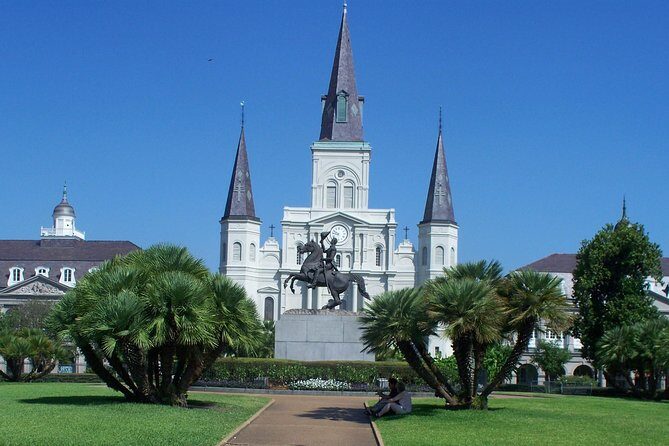
- The Mississippi Beginnings: Jackson Square and 1718
- St. Louis Cathedral: The Oldest Anchor You Can Still Visit
- Cabildo and the Louisiana Purchase Ceremony
- Royal Street, Window Shopping, and Governor Power
- Pharmacy Museum: Early Licensed Practice and Women Before the Usual Timeline
- Louisiana Supreme Court: Preservation That Actually Worked
- Exchange Alley, French vs Americans, and the Post-Purchase Tension
- Bevelo Gaslight Factory: Handcrafted Light After 1803
- Pirate’s Alley and the Small Places That Tell Big Stories
- Napoleon House, the Rescue Story, and Why Food Fits Here
- Vincent Nunez House: The Fire That Shifted Architecture
- Price and Value: What $350 Gets You (and When It Makes Sense)
- Who This Tour Fits Best (and Who Might Want Another Plan)
- Should You Book This Private French Quarter Walking Tour?
- FAQ
- How long is the Private French Quarter Walking Tour?
- How much walking is involved?
- Is this tour private and how many people are in a group?
- Where do we meet the guide?
- What should we wear and how fit do we need to be?
- Are any attractions included with admission fees, or do we pay separately?
- Do I need printed tickets, and is the tour in English?
- FAQ
- Can I cancel and get a refund?
Key Highlights You’ll Actually Feel On This Walk
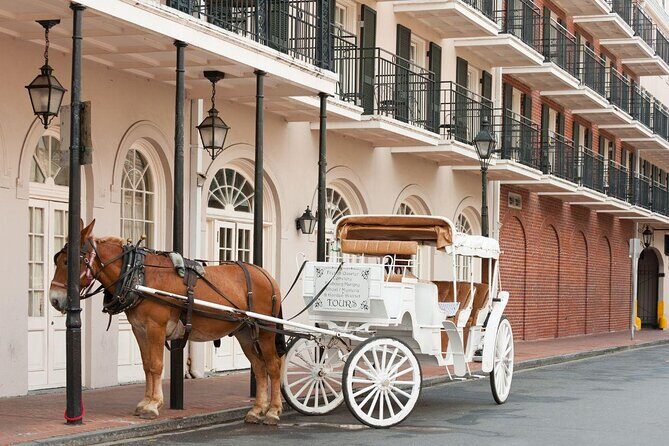
- Private French Quarter pace for up to four people, with plenty of time for questions
- Jackson Square to the Mississippi views that explain why the river mattered from day one
- St. Louis Cathedral and Cabildo stops that connect architecture to big political moments
- Royal Street + alley time so you don’t just stare from the sidewalk—you learn what you’re looking at
- Bevelo gaslight workshop-style stop that gives you craft details, not just legends
- Pharmacy Museum + early healthcare stories tied to licensed practice and women’s roles
Why This Private French Quarter Walk Works So Well
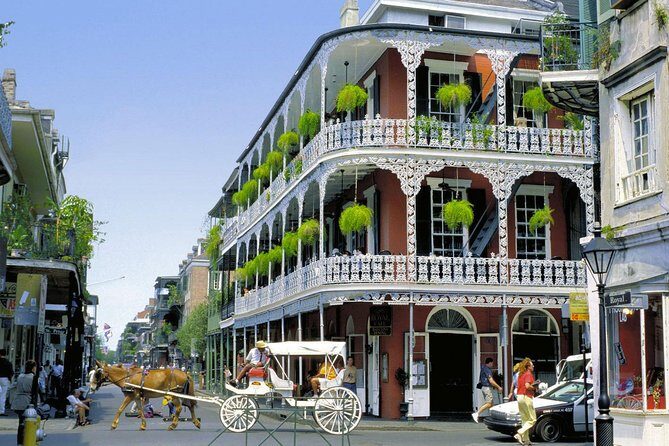
The French Quarter can be overwhelming fast. It’s loud, it’s pretty, it’s full of history signs that don’t always explain the why. This tour gives you a guided thread through the maze, without rushing you or turning it into a checklist.
I like that the guide keeps things human. You’re not just hearing dates—you’re learning how people lived, negotiated power, built industries, and adapted after major events. And because it’s private for up to four, you can steer the conversation toward what you care about most.
If you’re a first-timer, you’ll get your bearings fast. If you’ve been before, you’ll still likely notice details you would’ve walked past—especially the courtyards and the “wait, what is that” side streets.
You can also read our reviews of more walking tours in New Orleans


Meeting at Tableau by Dickie Brennan: Where the Tour Starts
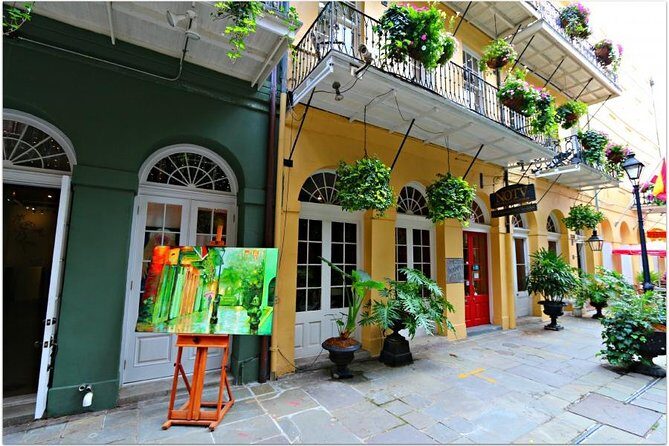
You meet at Tableau by Dickie Brennan & Co., 616 St Peter, New Orleans. That’s in the heart of the action, so you don’t spend the first part of the experience figuring out where to go. It also helps that the guide ends back at the same meeting spot, which makes your planning easier.
This tour runs on a half-day format, with three different departure times to choose from. Pick the one that fits your day best—morning is often easier for photos and walking, but the key is matching it to your energy level.
The vibe is smart casual. You’ll want shoes you trust. The French Quarter sidewalks are uneven, and there’s no soft landing if you’re in slick footwear.
The Mississippi Beginnings: Jackson Square and 1718
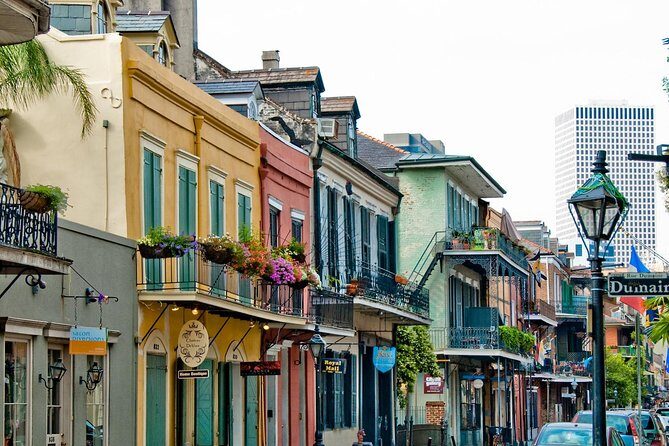
You start at Jackson Square, and you’ll talk about the city’s founding in 1718. Standing there gives you more than a postcard view. It’s a chance to understand how New Orleans grew around the river, and why water access shaped trade, settlement, and power.
Then you get a short stroll toward the banks of the Mississippi, where the river life story starts to make sense. It’s the kind of opening that helps everything else click—why the Quarter is laid out the way it is, and why certain buildings and institutions matter.
This first stretch is about context. If you get this part right, the rest of the tour feels less like random sightseeing and more like a guided walk with cause-and-effect.
St. Louis Cathedral: The Oldest Anchor You Can Still Visit
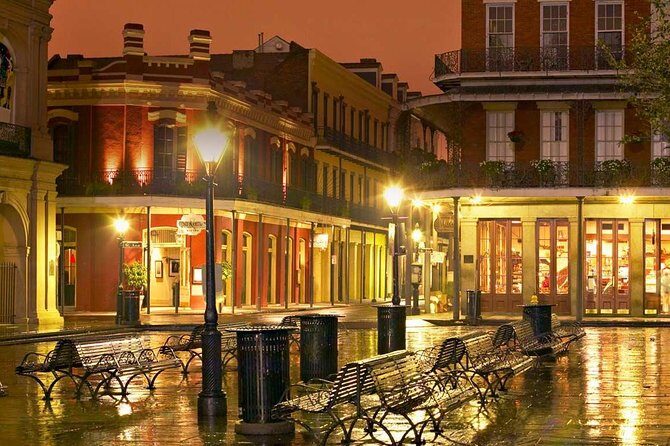
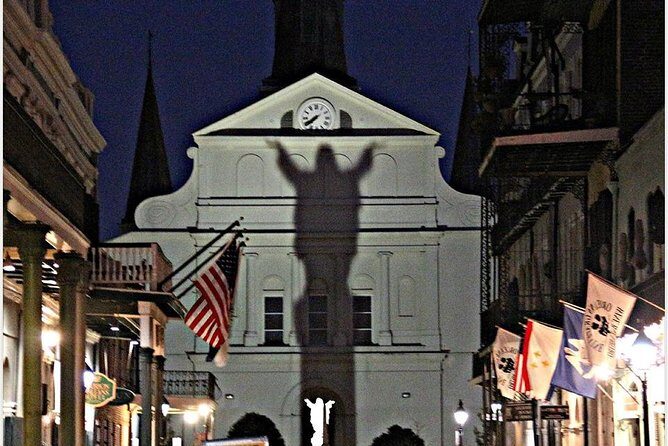
Next up is St. Louis Cathedral, noted as the oldest cathedral in the United States. Even if you’ve seen it from the outside a dozen times, having a guide explain what you’re looking at makes it feel real in a new way.
There’s also a practical advantage here: the stop time is short, about 15 minutes, so you get meaning without getting stuck. Admission at this stop is free, which is a nice bonus on a day when you might encounter places with entry fees elsewhere.
If you care about architecture, you’ll enjoy how the guide connects the building to the broader city story. If you just like big, striking landmarks, it still delivers.
Cabildo and the Louisiana Purchase Ceremony
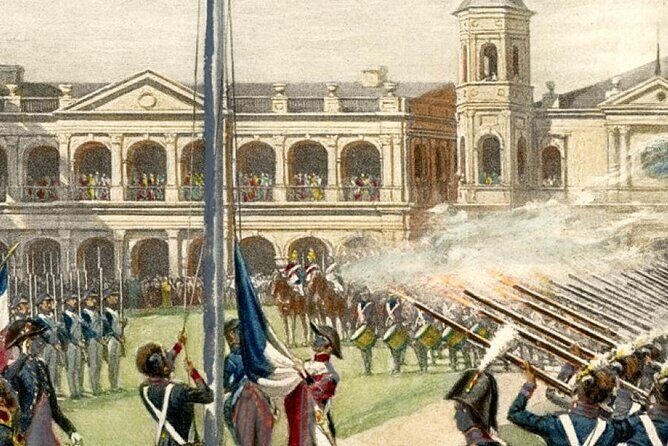
At the Cabildo, you’ll hear about the history tied to the Louisiana Purchase ceremony. This is one of those stops that’s easy to overlook if you treat it like just another building on a block. But explained well, it shows how decisions made far away landed right here.
The stop is about 15 minutes, with admission not included. That means you should expect possible entry costs once you’re at the site. If you’re trying to control your budget, this is the moment to decide whether you want to go in fully or keep it exterior-focused.
Either way, the guide’s framing makes the location click: this wasn’t just background—it was part of how the city shifted into a new era.
You can also read our reviews of more private tours in New Orleans





Royal Street, Window Shopping, and Governor Power
Then you move onto Royal Street, with about 30 minutes set aside. This is where the tour turns from history lecture into fun on-the-ground noticing.
You’ll window shop while learning about the Royal Governors who lived there before Louisiana became a state. That’s the kind of detail that changes how you see the street. It’s not just galleries and boutiques—it’s a former seat of influence.
Royal Street also works because it’s slower and more flexible. You can stop and look, and the guide can adjust the pace based on your questions. If your group likes photography, Royal Street gives you options without forcing you into long waits.
Pharmacy Museum: Early Licensed Practice and Women Before the Usual Timeline
One of the most interesting stops is the New Orleans Pharmacy Museum. You’ll talk about the founding of the first licensed pharmacy practice in the United States, and you’ll also hear a surprising detail about early female practice—described as happening 100 years before the first licensed pharmacist.
This is a great stop if you like history that isn’t only about battles and presidents. It’s also a reminder that city change includes regulations, healthcare, and who gets recognized for work.
Admission here is not included, and the time is around 10–15 minutes depending on the flow. Plan for the possibility of a ticket price at the door, and use the time to ask questions about how pharmacy and licensing evolved.
Louisiana Supreme Court: Preservation That Actually Worked
At the Louisiana Supreme Court, the guide covers preservation efforts and how the French Quarter was saved from demolition. This is a bigger deal than it sounds, because “what survived” shapes what you can still experience today.
The stop is about 15 minutes, and it’s free to stand and learn there. You’ll hear how preservation isn’t just nostalgia—it’s a fight for character, architecture, and the street-level look that defines the Quarter.
If you ever wondered why the Quarter feels like a patchwork of eras instead of a uniform modern city, this is where you get the explanation.
Exchange Alley, French vs Americans, and the Post-Purchase Tension
You’ll pause at Exchange Alley to discuss conflicts between the French and Americans after the Louisiana Purchase. It’s not the kind of story people expect to hear on a walking tour through pretty streets, but it’s the truth underneath the look.
This stop is about 15 minutes and is free, which makes it an easy win. The alley setting helps too. When you’re standing in a narrow corridor that once held different power struggles, the topic feels less abstract.
You’ll likely notice how the guide connects these political shifts to everyday changes—who had authority, who adapted, and how the Quarter became what it is.
Bevelo Gaslight Factory: Handcrafted Light After 1803
One of the most memorable stops is the Bevelo gas light making factory. You get a chance to see craftsmen build lights by hand, and the guide explains how gaslighting shaped the city after 1803.
This is where the tour earns its keep. The French Quarter can turn into “pretty and noisy,” but this part brings you into craft and technology. It’s a reminder that comfort and public life don’t appear by magic; they’re built.
It’s about 15 minutes. Admission is free at this stop, according to the tour flow details. Even if you’re not a lighting person, you’ll walk away thinking about how the city illuminated itself and who had the skill to do it.
Pirate’s Alley and the Small Places That Tell Big Stories
You’ll also stroll along areas like Pirate’s Alley and spend time on the route through tucked-away nooks. These are the moments that make the whole tour feel like New Orleans instead of New York with palm trees.
Because the pace is leisurely and the itinerary is flexible, your guide can point out what matters and skip what doesn’t. If you ask about street names, courtyards, or why certain buildings look the way they do, you’re more likely to get an answer here than on a big group bus tour.
This is also where you’ll enjoy the “hidden in plain site” feeling. The Quarter is full of small details. With a guide, you’re not just taking pictures; you’re learning what the details mean.
Napoleon House, the Rescue Story, and Why Food Fits Here
At the Napoleon House, you’ll hear the story about plans to rescue Napoleon Bonaparte and you’ll also talk about the wonderful food served there today. This stop blends legend and real-life city culture.
It’s about 15 minutes, and it’s marked free. The timing works because it keeps you moving while still giving you story depth.
If you like history that affects daily life, this stop is a good one. Restaurants in New Orleans aren’t just meals; they’re part of the Quarter’s continuity.
Vincent Nunez House: The Fire That Shifted Architecture
Finally, you visit the Vincent Nunez House area and learn about the first major fire in the city’s history. You’ll hear how that event changed the architectural character from French to Spanish.
This stop is again about 15 minutes and free. It’s also a strong closer because it ties everything together: people, disasters, building rules, and identity changes.
When you leave this final story behind, you start to read the Quarter differently. You realize the look of the streets isn’t random—it’s the visible result of decisions, survival, and change.
Price and Value: What $350 Gets You (and When It Makes Sense)
The price is $350 per group, with a maximum of four people. That means your cost per person depends on how you book:
- If you book with two friends (3 total), it lands around $117 per person.
- If you fill the group (4 total), it lands around $87.50 per person.
The value isn’t just the guide. It’s the private pace, the flexibility, and the fact that you can ask questions without feeling like you’re holding up a crowd. You’re also not paying additional transportation costs, since it’s a walking route and the tour returns to the meeting point.
This price makes the most sense if you:
- are traveling with family or friends,
- want a first-timer overview with real context,
- or prefer a quieter, more personal tour style than large groups.
Who This Tour Fits Best (and Who Might Want Another Plan)
This works best for you if you want the French Quarter explained by someone who can connect buildings, streets, and events into one story. It’s especially good for first-time New Orleans visitors who don’t want to get lost in random ghost-story lore.
It also fits groups who care about practical local guidance. In the past, Dominick has recommended places to eat and visit, with advice that goes beyond what you see on the main strip.
The main mismatch is for anyone who hates walking or can’t handle uneven sidewalks. The route is about 1.5 miles (2.4 km) total, and while that sounds manageable, the surface isn’t flat and smooth.
Should You Book This Private French Quarter Walking Tour?
Yes, if you want a calm, smart way to understand the French Quarter without skipping the important landmarks. You’ll cover the big names—Jackson Square, St. Louis Cathedral, Cabildo, Royal Street, and more—and you’ll also get the smaller stops that make the Quarter feel lived-in.
I’d book it when your group can fill at least 2–3 spots, and when you’re ready to walk and ask questions. If you’re the type who likes to read street history in real time, this tour gives you that experience without turning it into homework.
If that sounds like you, grab the private slot and plan to slow down. The Quarter rewards you when you do.
FAQ
How long is the Private French Quarter Walking Tour?
The tour runs about 3 hours (and is described as a 2–3 hour walking tour).
How much walking is involved?
You’ll walk about 1.5 miles (2.4 kilometers) during the tour.
Is this tour private and how many people are in a group?
Yes. It’s private for your group only, with a maximum of 4 people per booking.
Where do we meet the guide?
You’ll meet at Tableau by Dickie Brennan & Co., 616 St Peter, New Orleans, LA 70116, and the tour ends back at the same meeting point.
What should we wear and how fit do we need to be?
The dress code is smart casual. You should have at least a moderate physical fitness level, and you should expect uneven sidewalks.
Are any attractions included with admission fees, or do we pay separately?
Some stops have admission not included, including the Cabildo and the New Orleans Pharmacy Museum. Jackson Square and St. Louis Cathedral are listed as free.
Do I need printed tickets, and is the tour in English?
You get a mobile ticket, and the tour is offered in English.
FAQ
Can I cancel and get a refund?
Yes. You can cancel for a full refund if you cancel at least 24 hours before the experience start time, and cancellation is free.