REVIEW · NEW ORLEANS
Private New Orleans Music and Culture Tour with Bar Stop
Book on Viator →Operated by 2nd Line Tours/Experience · Bookable on Viator
New Orleans has a way of moving your feet and your thoughts. This private music-and-culture tour strings together major Black musical landmarks with the kind of honest storytelling that makes the city click. You ride by minivan, so you cover more ground than a walking tour, then pause for a local bar break you pay for yourself.
I really like two things about this experience. First, the stops connect music to real neighborhoods, from early jazz roots to hip-hop icons. Second, the guides lean into the truth—stories of slavery, segregation-era music spaces, and Hurricane Katrina—without softening the edges.
One thing to think about: some parts lean emotional and serious, and the later stretch uses music and video clips to make the point. If you want history only, this might feel a bit louder than you expected.
In This Review
- Key Things You’ll Notice on This Tour
- A Minivan-Forward Music Tour That Gets You Past the Usual Stops
- Mapping the City Through Studio Be, Jazz Roots, and Rap Landmarks
- Studio Be: An Art Space With Community at Its Core
- Lil Wayne and Drake Childhood Home Area: Music Legends as Neighbors
- The Birthplace of Jazz: Where the Story Begins
- Oldest African American Neighborhood: Past and Present in the Same Breath
- Manny Fresh and Mia X Neighborhoods (Plus Celebrity Connections)
- Uptown: Gladys Bar, Cash Money Roots, and Dew Drop Inn
- Storytelling That Doesn’t Flinch: Truth, Katrina, and Music as Proof
- Music and Video Clips: Why It Can Feel Like Too Much (and Still Works)
- The Bar Stop: What’s Included vs. What’s Up to You
- Price and Value: Is $75 Worth 3.5 Hours?
- Who Should Book This Tour (and Who Might Want Another Option)?
- Tips to Make the Most of Your Morning
- Should You Book This New Orleans Music and Culture Tour?
- FAQ
- How long is the tour?
- How much does the tour cost?
- What’s included in the price?
- Is the bar stop included?
- Where do we meet, and where does it end?
- What time does the tour start?
- Is there a limit on group size, and what if the weather is bad?
Key Things You’ll Notice on This Tour
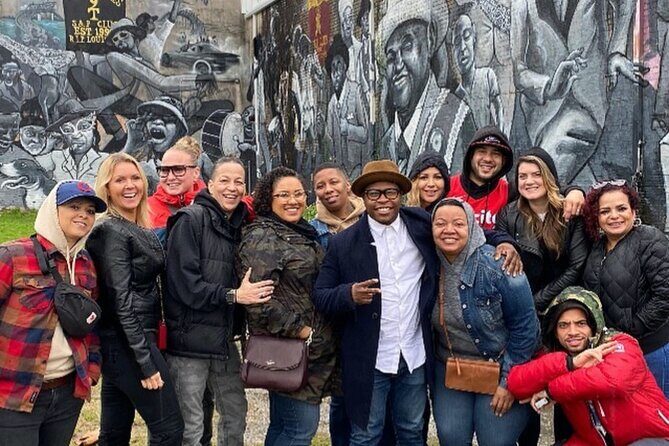
- Minivan route, big coverage: hop between neighborhoods without burning your energy on long walks.
- Music history tied to place: jazz origins and rap landmarks aren’t treated like trivia.
- Honest African American history: expect real context, not whitewashed highlights.
- Katrina as a centerpiece: the guide’s delivery can get quiet and heavy.
- A bar stop you control: the refreshment is at your expense, but it’s built into the flow.
A Minivan-Forward Music Tour That Gets You Past the Usual Stops

This is a private New Orleans music-and-culture tour built for people who want more than the same photo spots. You meet at the parking lot at 414 Canal St and start at 10:00 am. The tour runs about 3 hours 30 minutes, and you end back where you started.
Instead of doing a long walk with stops that feel miles apart, you ride in a minivan and move from area to area. That matters in New Orleans. The city rewards curiosity, but it also punishes slow pacing—especially if you’re heat-sweating, stroller-wrangling, or just trying to see a lot in one day. The minivan plan helps you get your bearings fast and then go deeper at each stop.
Group size is capped at 20 travelers. That keeps the vibe from turning into a chaotic parade, and it gives the guide room to explain the why behind the where. You’ll also get a mobile ticket and a tour conducted in English.
One more practical note: the experience says it works best with good weather. If it’s rained out, you’ll be offered a different date or a full refund, so it’s smart to have at least one flexible morning on your calendar.
You can also read our reviews of more private tours in New Orleans



Mapping the City Through Studio Be, Jazz Roots, and Rap Landmarks
The itinerary is structured like a playlist: you hear one theme, then move to the next, until the whole sound of the city makes sense. The stops cover art spaces, major figures, and neighborhoods tied to music’s evolution in New Orleans.
Studio Be: An Art Space With Community at Its Core
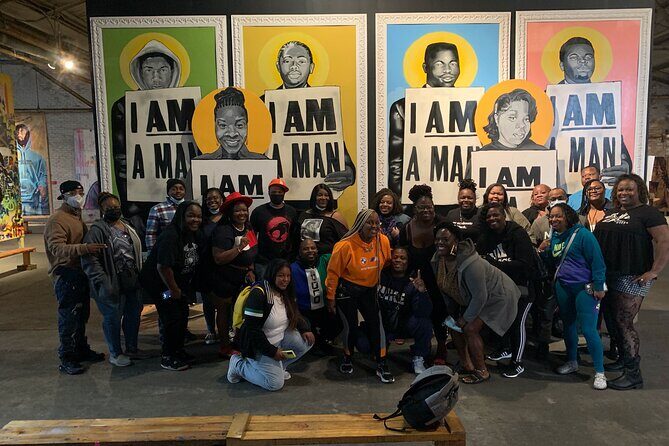
One of the first stops is Studio Be, described as a cultural destination shaped by artists and the work they create. What I like about this kind of start is that it sets expectations. This tour isn’t only about famous names on plaques. It’s also about how creative communities actually function—locally, not just historically.
At Studio Be, you’re pointed toward the idea that art grows from people, not from tourism. It’s a good primer stop because later you’ll see how neighborhoods and music scenes depend on the same foundation: community support, a place to practice, and a space to speak.
Lil Wayne and Drake Childhood Home Area: Music Legends as Neighbors
Next you’re guided toward the childhood home of Lil Wayne and Drake, with mention of a Lil Wayne mural connected to Drake’s video In My Feelings. This isn’t presented as street-level gossip. It’s a reminder that iconic artists didn’t just appear—there were roots in specific blocks and surroundings that shaped their sound and style.
If you’re a music fan, this stop is the kind that makes you look twice at ordinary surroundings. You’ll start seeing the city like a map of influence, not just a backdrop for concerts.
The Birthplace of Jazz: Where the Story Begins
Then comes the tour’s classic anchor: the birthplace of jazz. This stop matters because jazz isn’t just a genre; it’s a historical force that changed music far beyond New Orleans. The guide framing here is the key. You’re not just told jazz happened—you’re led to understand why New Orleans became a generator of new sound in the first place.
The best part of covering this on a routed tour is that it’s not isolated. You’ll quickly connect jazz origins to the later discussion of music, segregation-era spaces, and the long road from early forms to later evolutions.
You can also read our reviews of more drinking tours in New Orleans


Oldest African American Neighborhood: Past and Present in the Same Breath
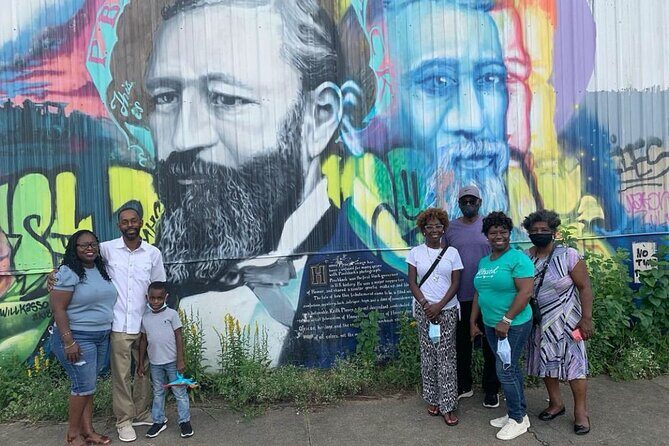
The tour also includes a stop highlighting the oldest African American neighborhood. That phrase is a big deal because it signals continuity. Instead of treating Black history as something safely locked in museums, this route points toward how communities kept shaping the city over time.
This is one of those moments where you’ll likely feel the difference between learning facts and understanding context. The guide’s tone here tends to make the point: history isn’t something you only look at once. It lives in streets, institutions, and culture.
Manny Fresh and Mia X Neighborhoods (Plus Celebrity Connections)
The itinerary continues through neighborhoods associated with Manny Fresh and Mia X, plus areas linked to famous celebrities. The value of this section isn’t only name recognition. It’s showing how music culture clusters: creativity builds where people already have networks, spaces to test ideas, and local energy to push the next step.
This is also where the tour becomes very “New Orleans.” You’ll see how rap and other music styles sit on top of older cultural foundations, rather than starting from nowhere.
Uptown: Gladys Bar, Cash Money Roots, and Dew Drop Inn
Stop 1 is labeled Uptown, with a focus on Legendary Gladys Bar—linked as a birthplace of Cash Money Records—and the Dew drop inn, noted for its role in a rock ’n’ roll genre during segregation. Also important: this stop is about 15 minutes and the admission ticket is free.
This is a smart pairing. Gladys Bar pulls you into the industry side of music—the record label and the pathways to mainstream success. The Dew drop inn reference adds the social lens: how segregation shaped what people could hear, where they could gather, and how musical styles spread.
If you care about the politics of music venues—who had access, who didn’t—this section is likely to land hard in the best way.
Storytelling That Doesn’t Flinch: Truth, Katrina, and Music as Proof
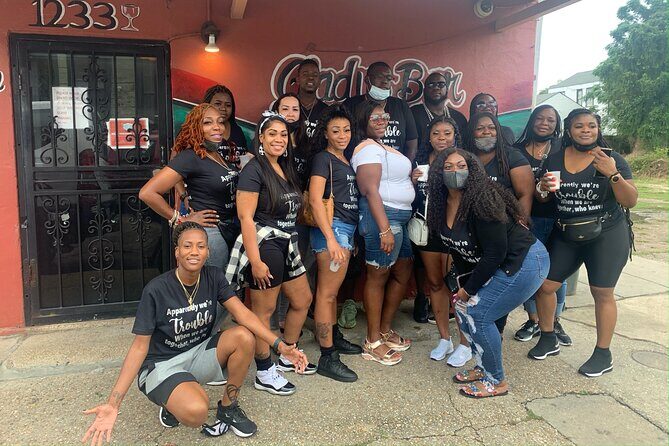
The guides on this tour are praised for honesty and depth. Names that come up include Jay and Dennis, and both are described as engaging and skilled at making the city’s story feel personal rather than textbook.
The standout part is how the guide handles hard topics. You’ll hear about the slave trade and segregation-era history, and the tour’s treatment of Hurricane Katrina is especially emotional. One reviewer described a stretch where the group went silent after the Katrina section, and that matches what this kind of guided storytelling tends to do when it’s grounded in real human impact.
Here’s why that matters to you: music history is never just about sound. In New Orleans, the city’s rhythms grew in the middle of injustice, displacement, and resilience. When the guide tells those stories clearly, the music landmarks stop feeling like random stops and start feeling like chapters.
Music and Video Clips: Why It Can Feel Like Too Much (and Still Works)
In the later portion, the guide includes more music and uses video clips related to the artists and locations. Some people love this because it turns the facts into something you can hear and watch. Others may find it a bit much—especially if you prefer quiet, strictly historical commentary.
If you’re unsure, plan for a mix. The tour isn’t a museum lecture. It’s a cultural walk-through where audio and visuals are used to connect you to the people behind the places.
The Bar Stop: What’s Included vs. What’s Up to You
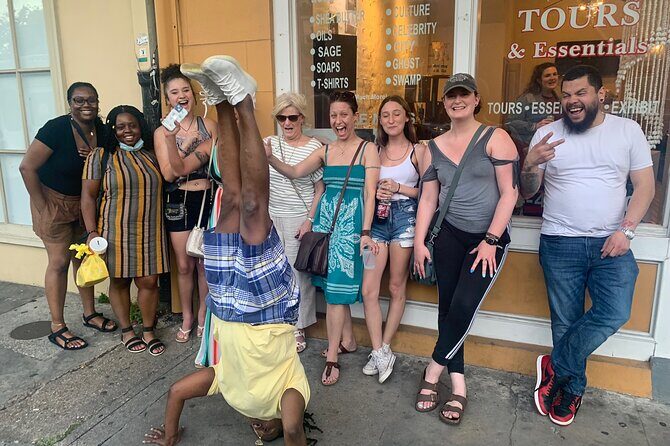
The tour description includes a bar stop where you can sip a refreshment during the route. The catch is simple: food and drinks are not included.
So think of this as a built-in opportunity, not an open bar. It’s still a smart move for your day. A short break at the right moment helps you reset—especially if you’re absorbing heavier stories and need a little time to breathe.
Practical tip: go into it assuming you’ll pay. Bring a card and some cash, and don’t count on finding a spot that takes only one type of payment if you’re short on options.
Price and Value: Is $75 Worth 3.5 Hours?
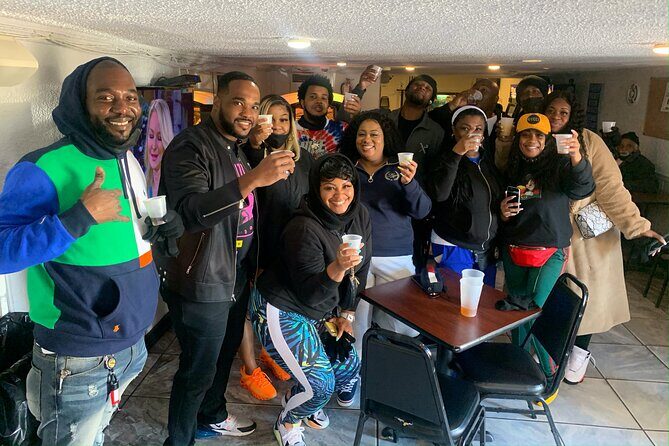
At $75 per person, you’re paying for a full guided experience rather than a cheap sightseeing add-on. The price covers the tour itself, while drinks and food stay on you. You also get the advantage of transport by minivan, which can be a real value compared to piecing together multiple rides or trying to do similar areas on your own.
Where it feels most worth it is when the guide’s approach matches what you want. If you’re coming to New Orleans for music culture and you want the real historical context—especially African American history and the story of Katrina—this tour is built for that.
What you should watch for: if you’re only interested in light, casual entertainment and you’d rather skip serious history, the tour’s tone may be heavier than you expect. But if you want meaning behind the music and you’re okay with hard truths, $75 for 3.5 hours with multiple thematic stops can feel like a fair deal.
Who Should Book This Tour (and Who Might Want Another Option)?
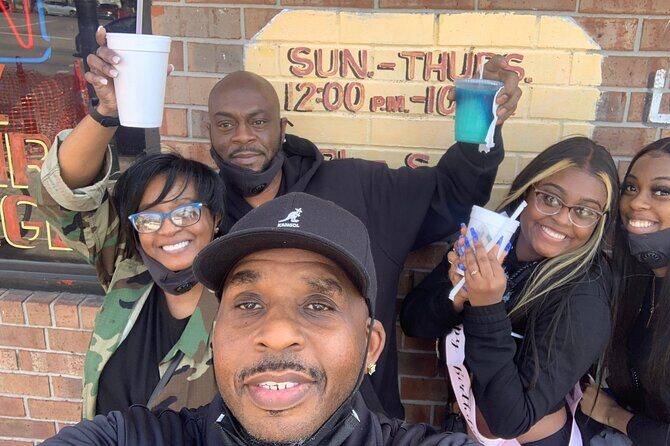
This tour is a great match if:
- you like music history tied to neighborhoods and real social context
- you want a guide who explains the why, not only the what
- you’re visiting for a short time and want strong coverage without long walks
It’s less ideal if:
- you prefer strictly chronological history with no music or video elements
- you get uncomfortable with emotional topics like Hurricane Katrina
- you only want a quick photo loop
Also, it’s a solid choice for special dates and cultural moments. One reviewer mentioned taking it around Juneteenth, and that’s the kind of context where this tour’s focus on African American history is especially meaningful.
Tips to Make the Most of Your Morning
A few small moves can make this tour feel smoother and more rewarding:
- Wear comfortable shoes. Even with a minivan, you’ll still be stepping out for stops.
- If you’re sensitive to heat, bring a water bottle. Drinks during the bar stop are at your expense, so don’t rely on that for hydration.
- Bring sunglasses and a hat. New Orleans sun can be rude, and the tour runs from late morning.
- If you hate surprises with audio/video, mentally prep for a more music-driven second half.
- If you’re going on a weekend or during a high-demand cultural period, book early. The tour is often reserved about 26 days in advance on average.
Should You Book This New Orleans Music and Culture Tour?
If you want New Orleans music culture with real context—jazz roots, rap landmarks, and the African American history behind the city’s sound—this is a strong pick. You’ll get a routed experience that saves time, plus a guide approach that leans honest and emotionally aware, especially around Hurricane Katrina.
Book it if you like the idea of seeing the city as a living story: music, neighborhoods, and the lived consequences behind them. Skip it only if you want a purely lighthearted tour or if music/video elements would distract you from history.
In short: this is not a background-sounds tour. It’s a guided story where the music becomes evidence.
FAQ
How long is the tour?
The tour lasts about 3 hours 30 minutes.
How much does the tour cost?
It costs $75.00 per person.
What’s included in the price?
The price covers the entire tour. Admission is listed as free for the Uptown stop at Gladys Bar. Food and drinks are not included.
Is the bar stop included?
The tour includes a bar stop where you can have a refreshment, but food and drinks of any kind are not included, so you pay your own costs.
Where do we meet, and where does it end?
You meet at the parking lot at 414 Canal St, New Orleans, LA 70130. The tour ends back at the meeting point.
What time does the tour start?
The start time is 10:00 am.
Is there a limit on group size, and what if the weather is bad?
The tour has a maximum of 20 travelers. It requires good weather, and if it’s canceled due to poor weather you’ll be offered a different date or a full refund.