REVIEW · NEW ORLEANS
Soul of New Orleans City Tour
Book on GetYourGuide →Operated by 2nd Line Tours · Bookable on GetYourGuide
This tour turns streets into stories. You’ll follow the African roots and cultural legacy that shaped New Orleans, from Congo Square to the Lower Ninth Ward, with Dennis guiding you through the neighborhoods. It’s not just sightseeing. It’s a guided walk-and-ride through places that still carry meaning.
I love how the tour uses murals and everyday landmarks (markets, museums, city architecture) to show history you can actually see. I also like the way the stops connect big events and real people, including Solomon Northrup and the legal aftermath tied to Plessy vs. Ferguson.
The trade-off is time: at 2.5 hours, you’ll cover a lot of ground, but you won’t have long to linger at every site. Also, there are no food and drinks provided, so plan for that before you go.
In This Review
- Key highlights
- Meeting at 414 Canal St and Getting Oriented Fast
- What the 2.5 Hours Really Covers (And Why That’s a Good Thing)
- Murals, Markets, and Architecture: New Orleans Tells the Story in Public
- Congo Square: Jazz Origins and African Performance Memory
- Treme and Musicians Village: The Oldest African-American Neighborhood in Motion
- Creole History and Antebellum Slave Quarters: Learning the Hard Parts
- Plessy vs. Ferguson and the Civil Rights Trail: Change That Took Real Effort
- Solomon Northrup, Historic Cemeteries, and the Power of Specific Names
- The Lower Ninth Ward and Hurricane Katrina Aftermath: History Doesn’t Stop
- Entrance Fees, a Live Guide, and the Real Value of $55
- Rain or Shine: How to Prepare So You Enjoy It
- Who This Tour Fits Best
- Should You Book Soul of New Orleans City Tour?
- FAQ
- How long is the Soul of New Orleans City Tour?
- Where does the tour meet?
- Does the tour run in the rain?
- What language is the guide?
- What’s included in the price?
- Are food and drinks included?
- What kinds of places will the tour cover?
- Is there free cancellation?
- Is pay later available?
Key highlights
- Congo Square and the birthplace story of Jazz, tied to African performance traditions
- Treme and Musicians Village, including Treme as the oldest African-American neighborhood
- Creole history and sites connected to Antebellum Slave Quarters
- Plessy vs. Ferguson plus Civil Rights Trail stops that bring the story forward
- Solomon Northrup and historic cemeteries connected to documented lives and legacies
- Lower Ninth Ward perspectives on Hurricane Katrina’s aftermath and its long impact
Meeting at 414 Canal St and Getting Oriented Fast
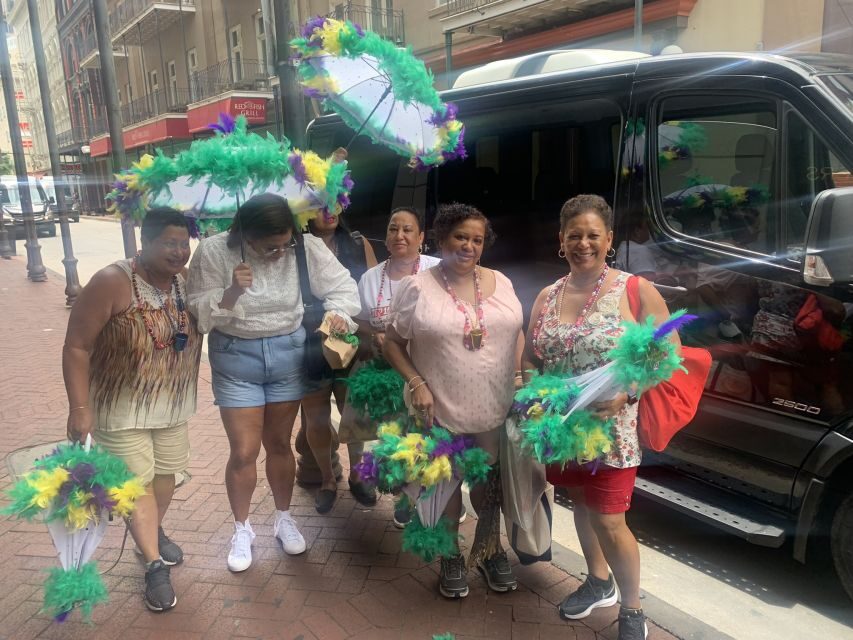
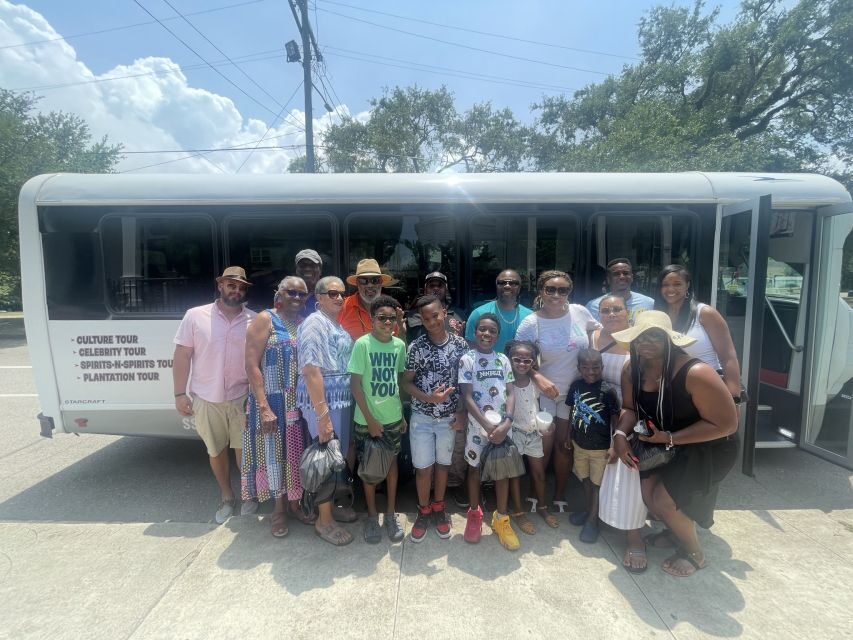
I like starting tours at street level, not after you’re already tired. This one begins at the parking lot at 414 Canal St, by the Jazz Gumbo Landmark, about a block down from Caesars Casino. The guide will meet you near the tour bus, so you’re not hunting around with a confused map face.
From the start, the tour feels designed for people who want context. You’re not stuck only in the postcard zone. You’re headed into New Orleans’s African cultural neighborhoods and the places where major moments played out. That matters because New Orleans can be geographically confusing if you’re relying on taxis and short visits.
If you come in expecting a light, stop-for-pictures ride, adjust your mindset. This is a history-and-culture tour with walking and standing at stops. Wear shoes you can trust.
You can also read our reviews of more city tours in New Orleans



What the 2.5 Hours Really Covers (And Why That’s a Good Thing)
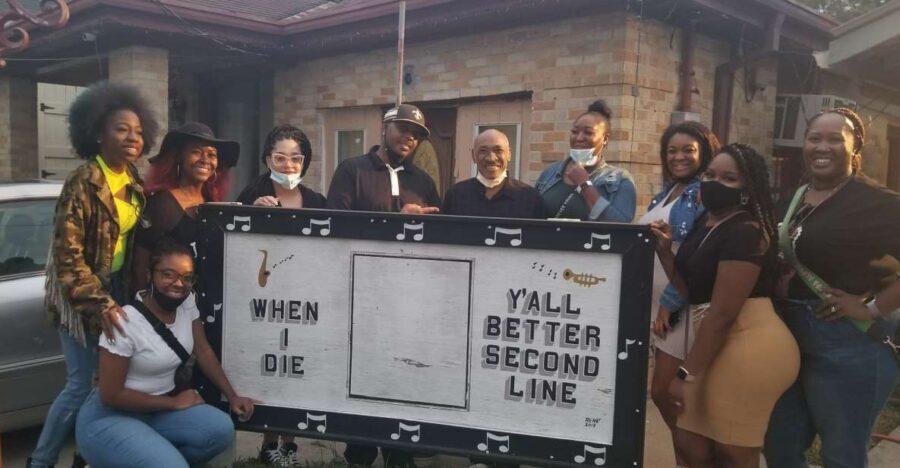
At 2.5 hours, the schedule is short enough to fit a day that’s already full, but long enough to connect ideas. The tour isn’t built around one museum room. It’s built around neighborhoods and themes: African heritage, legal change, civil rights, and the aftereffects of major disasters.
Here’s what you should expect to be doing during that time:
- Traveling between sites across the city (you’ll see more than one district)
- Getting guide-led context at each stop
- Visiting markets, museums, and notable architecture while learning what these places meant
The value is in the links. You see where culture grew, where power was challenged, and where consequences played out in real communities. That’s hard to do on your own in a day, especially if it’s your first trip.
Murals, Markets, and Architecture: New Orleans Tells the Story in Public
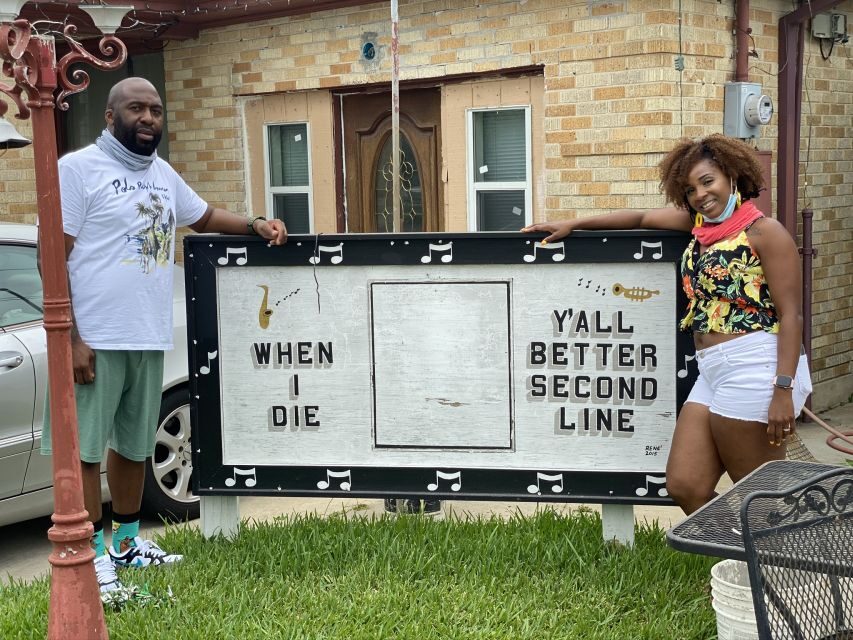
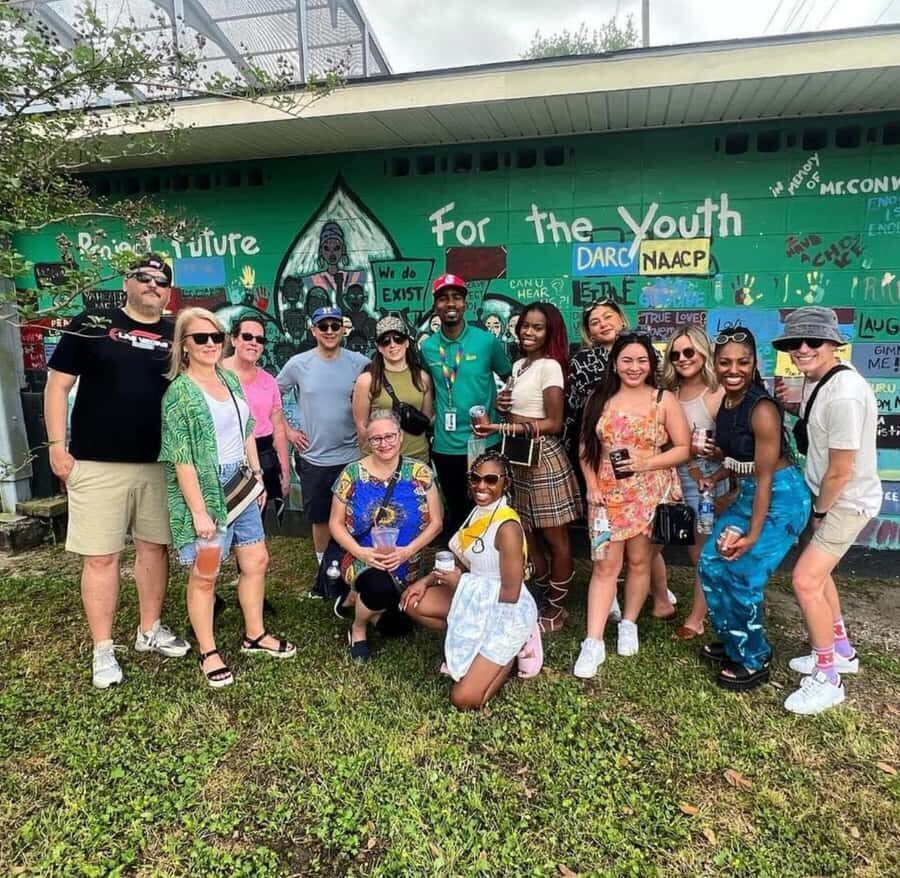
One of my favorite parts of this tour is the “look up” factor. You’ll admire murals and public artworks across New Orleans, and the guide uses them as story starters. This is a smart approach because it turns art from decoration into evidence—evidence of identity, memory, and community voices.
You’ll also pass through markets and museum stops, plus architecture that shaped everyday life. That combo is practical. Markets show what locals have relied on. Museums help you understand why those traditions and struggles mattered historically.
Tip for you: bring a phone camera, but also be ready to listen more than you shoot. The artwork and building details are there, but the guide’s framing is what makes them click.
Congo Square: Jazz Origins and African Performance Memory
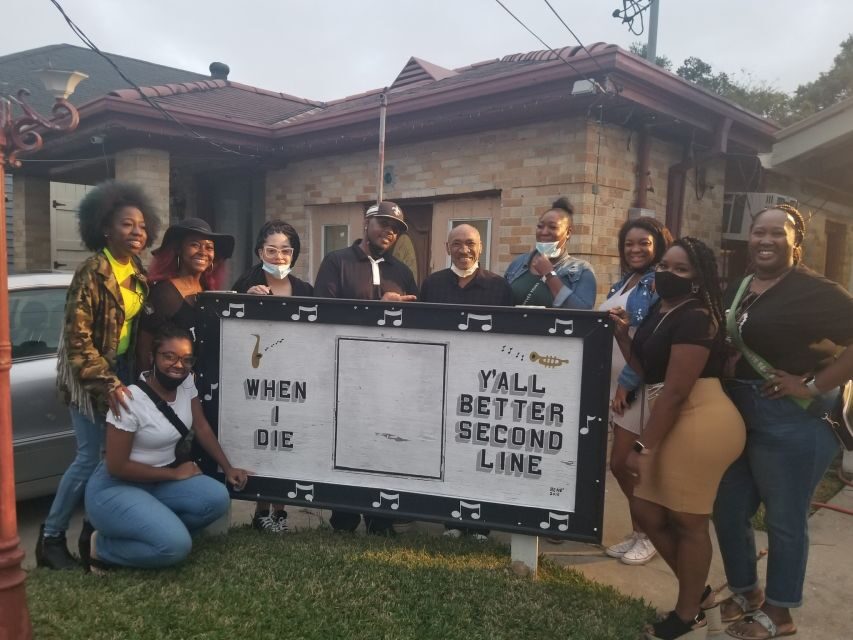
Congo Square is the kind of place where the past isn’t quiet. This tour treats it as a key stop tied to the birthplace story of Jazz and the African cultural roots that fed New Orleans music.
What I like about this approach is that it doesn’t treat Jazz as a random success story. It links music to community spaces and cultural survival. On a tour like this, Congo Square becomes a turning point: it helps you understand why New Orleans’s sound has always been more than entertainment.
You’ll get guide-led context that connects performance traditions to African heritage and the long arc of the city’s cultural evolution. If you’re the type who loves music but wants the “why” behind it, this stop is a highlight.
Treme and Musicians Village: The Oldest African-American Neighborhood in Motion
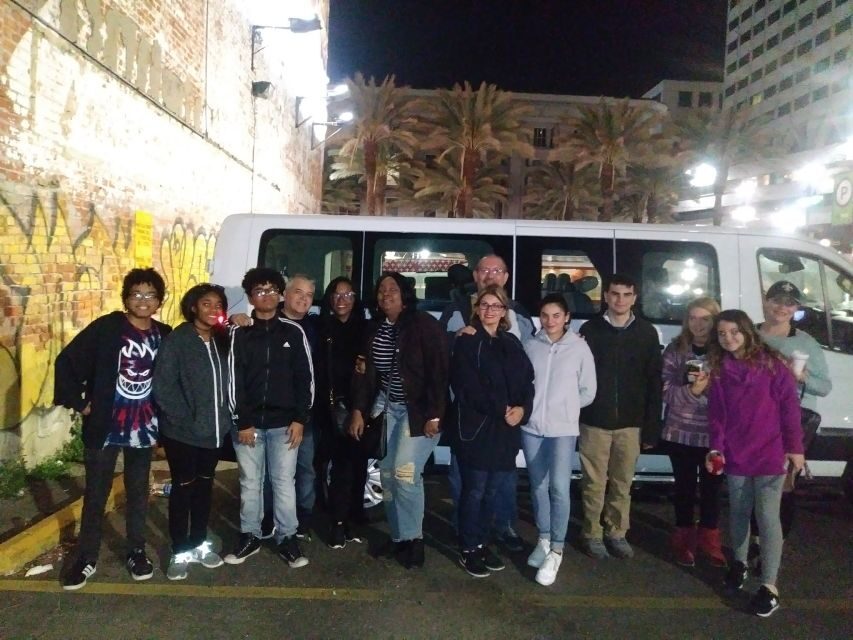
Treme is one of the places people think they know until they learn what it represents. On this tour, Treme is called out as the oldest African-American neighborhood, and you’ll also visit Musicians Village.
I like that these aren’t described as isolated sights. They’re presented as living cultural geography. You’ll see how music, community, and identity are tied together street by street.
Practical note: this part of the tour is a great match for you if you want more than the French Quarter version of New Orleans. If you’re only expecting the obvious highlights, this is where the tour starts to feel like it has a point of view.





Creole History and Antebellum Slave Quarters: Learning the Hard Parts
This tour doesn’t skip the uncomfortable chapters. You’ll see sites relating to Creole History and visit connections tied to Antebellum Slave Quarters.
This is where the “city tour” label can feel almost too small. These stops give you a way to understand social structures, not just dates. And the guide’s job here is crucial: they help you connect the locations to systems of control and labor that shaped how the city developed.
If you’re sensitive to heavy subject matter, go in with that awareness. The tour is respectful, but it deals with slavery and its legacy. For me, that’s part of why the experience feels meaningful: you’re not only collecting nice views—you’re learning the forces that formed the city.
Plessy vs. Ferguson and the Civil Rights Trail: Change That Took Real Effort

Legal history can feel like it belongs in classrooms. This tour tries to bring it out onto the streets with stops related to Plessy vs. Ferguson and the Civil Rights Trail.
I like when a tour makes you understand what legal rulings did to real lives. On this one, the guide connects the dots between courtroom outcomes, local impacts, and the people who pushed for change.
You’ll also visit sites tied to the civil rights desegregation era, and one of the most memorable segments comes from time spent at Dr. Leona Tate’s school and museum. That stop adds emotional weight because it’s about action—how communities organized, educated, and demanded inclusion.
For you, this is the section that turns New Orleans from a cool city into a serious classroom—with a human face.
Solomon Northrup, Historic Cemeteries, and the Power of Specific Names
A big part of what makes this tour hit harder than many short city rides is the use of named people and documented stories, including Solomon Northrup. You also visit historic cemeteries connected to the bigger narrative.
Even if you know the broad story before you arrive, hearing it tied to actual New Orleans locations makes it feel less like a biography and more like geography—like you’re walking through evidence.
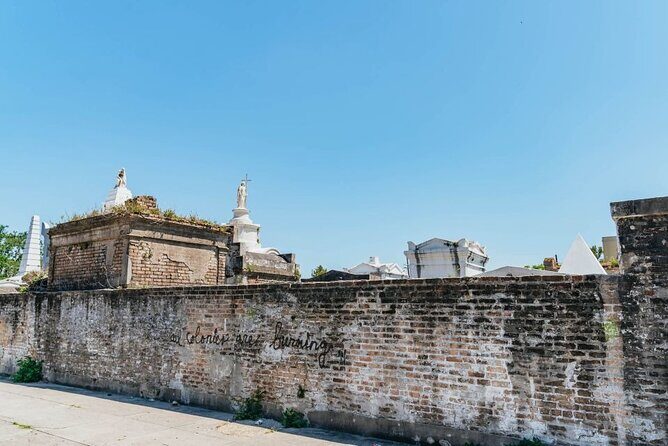
Cemeteries can feel eerie, but they also function as records of community history and survival. With the guide’s context, you don’t just see graves. You learn how burial places connect to culture, identity, and the long reach of slavery and racism in America.
If you like tours where the guide brings receipts—names, events, and why they matter—this section is exactly that.
The Lower Ninth Ward and Hurricane Katrina Aftermath: History Doesn’t Stop
One of the tour’s defining themes is not just the past—it’s what happened next. You’ll see areas related to Hurricane Katrina’s aftermath, with a focus on the Lower Ninth Ward.
This part of the tour matters because it treats disaster as a chapter in community history, not a one-off tragedy. The guide frames what you’re seeing in terms of recovery, impact, and the stories people carry after major disruption.
For me, that makes the tour more honest. New Orleans is always changing, but some changes have deep costs. If you want to understand the city beyond music and food, this stop helps you do it without guesswork.
Entrance Fees, a Live Guide, and the Real Value of $55
The price is $55 per person for a 2.5-hour tour, with entrance fees and a live English-speaking guide included. Food and drinks are not included.
Here’s how I think about value for a tour like this:
- You’re paying for interpretation, not just transit. The guide is the product.
- Entrance fees being included can save you money if multiple stops require tickets.
- The stop list covers neighborhoods and themes that would take you longer to stitch together on your own.
If you’re spending one or two days in New Orleans and you want a guided way to understand African culture, civil rights history, and the Katrina-era story, $55 can be a fair deal. If you already know every topic and hate walking or standing, it might feel like you’re paying for someone else’s structure.
Either way, it’s priced in the range where you can try it without feeling like you bought a full-day museum pass.
Rain or Shine: How to Prepare So You Enjoy It
This tour runs rain or shine, so plan like you’re in New Orleans. You’re outdoors for parts, and you’ll be stopping and moving between areas.
For you, that means:
- Bring a light rain layer or small umbrella you can manage
- Wear comfortable shoes you can walk in on sidewalks and around stops
- If you’ll be out hungry, eat beforehand since no food is included
- Keep your expectations realistic: 2.5 hours goes by quickly
One more thing: a few people find there are lots of stops but not much time at each one. That doesn’t make the tour worse. It just means you should be ready to learn on the go, then circle back later if there’s a stop you want to study deeper.
Who This Tour Fits Best
This is the kind of tour I recommend if you:
- Want New Orleans history centered on African culture and community legacy
- Like learning from a guide at multiple locations rather than one single museum
- Are interested in civil rights and legal history connected to real places
- Prefer a broader view of the city beyond the French Quarter
If you want a casual stroll with minimal facts, you might find the pace a lot. If you want a guided education that still feels like you’re seeing real neighborhoods, you’ll probably be happy you picked this.
Should You Book Soul of New Orleans City Tour?
I’d book it if your goal is understanding New Orleans through African heritage, the people and events that shaped civil rights, and how the city continues after major events like Katrina. The tour’s strength is the way it connects art, neighborhoods, and named stories into one route.
I wouldn’t book it if you hate being on your feet for part of the day, or if you need lots of time to linger at each stop. The tour is built for motion and context in a short window.
If that trade-off sounds right for you, this is a solid choice. Bring rain gear, come ready to listen, and you’ll leave with a much clearer picture of what New Orleans has carried—and what it still carries today.
FAQ
How long is the Soul of New Orleans City Tour?
The tour lasts about 2.5 hours. Starting times vary, so you’ll want to check availability for when it runs.
Where does the tour meet?
You meet at the parking lot at 414 Canal St, New Orleans, LA 70130. It’s near the Jazz Gumbo Landmark, about a block down from Caesars Casino, and the guide will wait near the tour bus.
Does the tour run in the rain?
Yes. The tour takes place rain or shine.
What language is the guide?
The live tour guide provides the tour in English.
What’s included in the price?
Entrance fees and the live guide are included.
Are food and drinks included?
No. Food and drinks are not included.
What kinds of places will the tour cover?
You’ll visit places connected to African cultural history and sites tied to Creole history, Plessy vs. Ferguson, Solomon Northrup, historic cemeteries, Congo Square, Treme, Musicians Village, the Antebellum Slave Quarters area, and the Lower Ninth Ward, including the Katrina aftermath.
Is there free cancellation?
Yes. You can cancel up to 24 hours in advance for a full refund.
Is pay later available?
Yes. You can reserve now and pay later.