REVIEW · NEW ORLEANS
St. Joseph and Felicity Plantation Combo Tour
Book on Viator →Operated by St. Joseph Plantation · Bookable on Viator
If you only have a short stop, this is the move. This St. Joseph and Felicity Plantation combo tour turns two working sugarcane plantation sites into one easy, guided history session, complete with one ticket for entry. I especially like the way the guides connect plantation life, the sugarcane economy, and architecture, without treating the subject like a theme park.
The one consideration: this experience depends on good weather, and the schedule runs as a tight set of guided blocks (about 45 minutes per plantation) within roughly a 3-hour window.
In This Review
- Key things to know before you go
- Why the St. Joseph and Felicity combo tour works in Vacherie
- St. Joseph Plantation: homes, grounds, and the sugarcane story
- Felicity Plantation: the second site gives you balance
- How the tour handles slavery and sugarcane trade history
- Guide quality and pacing: why it feels calm instead of rushed
- Timing in a roughly 3-hour window (and how not to waste it)
- Price and value: why $46 can be a good deal
- What you’ll actually see and do on the ground
- Who this tour is best for (and who might want a different option)
- Quick practical tips before you book
- Should you book the St. Joseph and Felicity combo tour?
- FAQ
- FAQ
- How long is the St. Joseph and Felicity Plantation combo tour?
- Is the admission ticket to both plantations included?
- What language is the tour offered in?
- How long do you spend at each plantation?
- What topics does the tour cover?
- Are there filming locations you can look for during the tour?
- Do I need good weather for the tour to run?
- Can I bring a service animal?
- What is the cancellation and refund window?
Key things to know before you go
- One ticket, two plantations: you get admission to both St. Joseph and Felicity in a single combo experience.
- Respectful focus on enslaved people: the tour addresses slavery and the sugarcane trade in a serious, guided way.
- Sugarcane Museum on the grounds: historic tools, photos, and documents explain how sugarcane cultivation worked.
- On-site filming locations: you may spot places tied to Twelve Years A Slave and other productions.
- A more personal feel than big group museum tours: the experience is guided and paced for discussion, not just walking past rooms.
Why the St. Joseph and Felicity combo tour works in Vacherie
This combo is designed for people who want depth without spending half a day in a van. You’ll do two plantation settings back-to-back, each with guided time (about 45 minutes each), so you get to see both house-and-grounds perspectives without feeling dragged through endless stops.
I like that the tour isn’t just about pretty buildings. You’re also given context for the sugarcane economy and enslaved labor, with cabin/outbuilding areas included in what you see, not pushed off to the side.
There’s also a practical advantage: you’re not juggling separate tickets or separate tours. One admission ticket for both plantations makes it simpler, and it usually means the experience flows with less waiting around.
You can also read our reviews of more tours and experiences in New Orleans.



St. Joseph Plantation: homes, grounds, and the sugarcane story
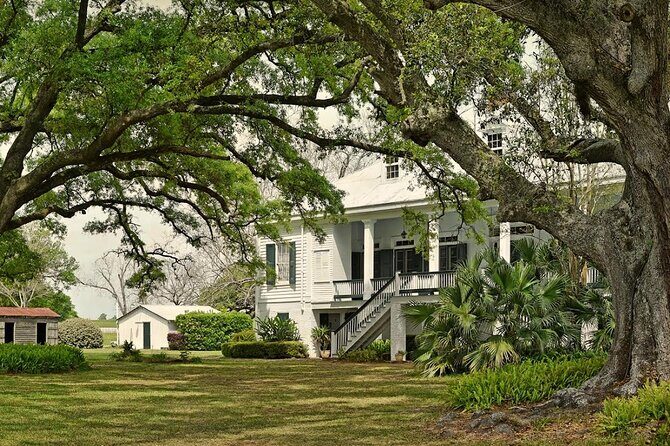
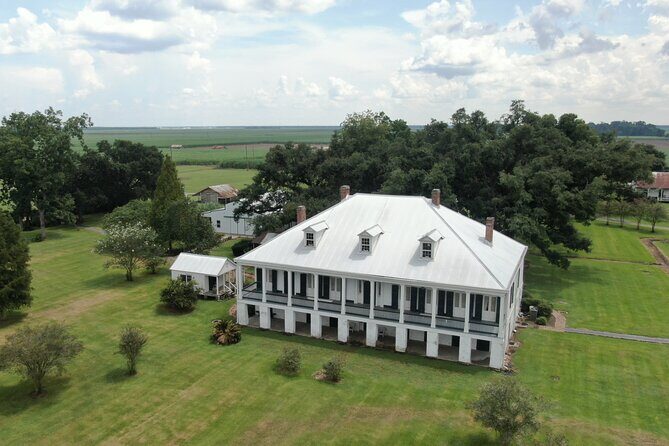
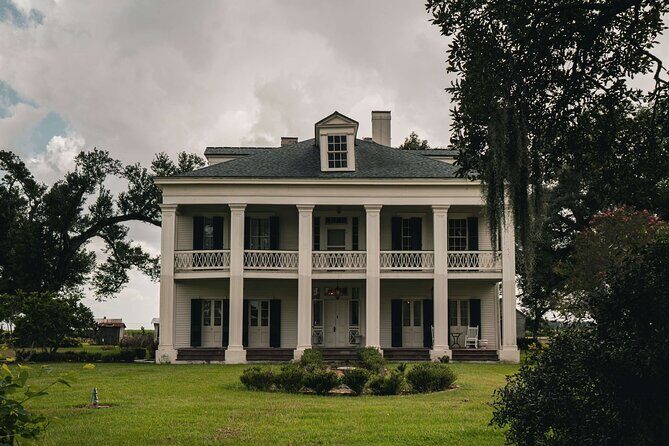
At St. Joseph Plantation, you’re guided through the preserved plantation house—think architecture, period furnishings, and décor that reflect life across the 19th and 20th centuries. The house portion matters because it helps you notice details you’d likely miss alone, like how rooms and design choices fit a working estate.
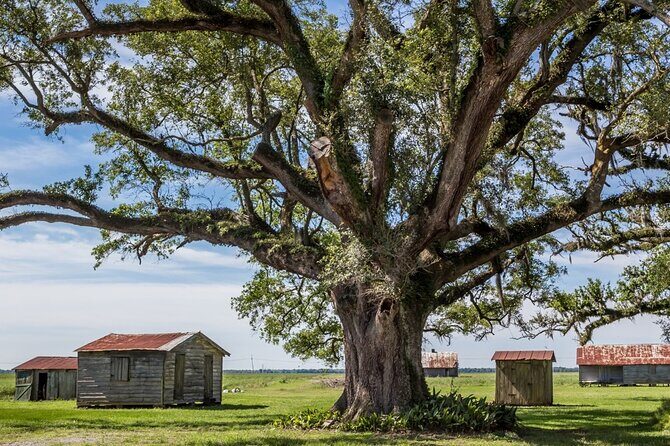
Then you shift outdoors to original outbuildings, including cabins once inhabited by enslaved workers. This is one of the places where the tour earns trust: it doesn’t skip the hard parts, and it frames what you’re seeing in the context of how plantation life operated.
The Louisiana Sugarcane Museum on-site adds a second layer. Instead of stopping at “what a plantation was,” you also get the how—historic tools, photographs, and documents that explain the sugarcane cultivation process. If sugarcane trade history is the hook that brought you here, this museum stop is the section you’ll remember.
And yes, there can be filming connections. The tour notes that you may recognize scenes filmed on-site for Twelve Years A Slave and more. Even if you’re not a superfan, it’s a good way to connect past and present, because you’re standing in places that attracted filmmakers long after they were busy with everyday work.
Felicity Plantation: the second site gives you balance
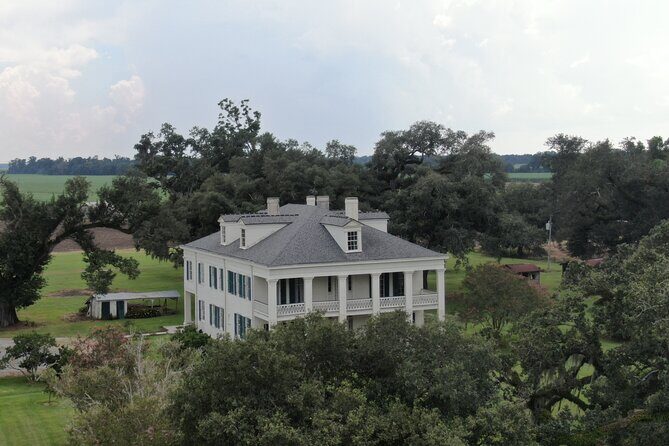
The best part of a combo like this is the contrast. Felicity gives you another plantation house setting and another set of grounds to walk, which helps you compare what’s consistent across estates and what changes from one to the other.
You’ll again spend guided time around the home and the property features, with attention to the people who lived and worked there. One detail that can surprise first-timers: this site is described as still owned by the descendants of the original owner. That family connection often translates into a feeling that’s more present-day personal than a purely museum-style presentation.
Photos are a small but real perk. One of the stronger pieces of feedback you’ll hear is that it’s easier to take photos inside and outside the homes here than on some heavily restricted museum tours. That’s not a guarantee, but it’s clearly part of the on-site experience for many people.
Between St. Joseph and Felicity, you get a fuller read on the plantation world—house life, work areas, and the sugarcane story—without repeating the same talking points for the entire visit.
How the tour handles slavery and sugarcane trade history

This tour is built around a respectful, guided approach to the history of enslaved people and the sugarcane trade. You don’t just get dates and generalities. You’re shown the real physical spaces tied to that story: the plantation homes, original outbuildings, and areas that connect to enslaved labor.
That matters for two reasons. First, it turns the experience into something you can actually picture, because you’re relating the history to what’s still here in the buildings and grounds. Second, it gives you language and context as you walk, so you’re not left guessing what you should focus on.
You’ll also hear about architecture, furnishings, and décor, which might sound like “decor talk” until the guide connects it to daily life and wealth structures created by the plantation economy. In other words, the tour doesn’t treat the house as neutral. It’s part of the story.
And because the sugarcane museum and cultivation material are included, the tour helps connect the dots between crop production and how estates functioned. It’s a practical way to understand the economic engine behind the human story.
Guide quality and pacing: why it feels calm instead of rushed
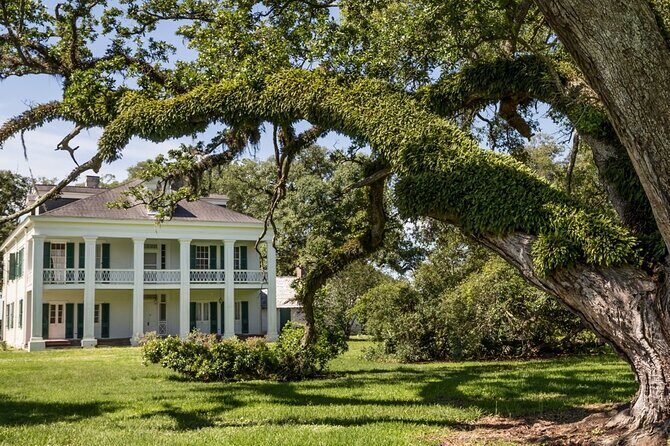
Most plantation tours fall into two camps: fast walk-throughs or long, formal lectures. This one aims for a relaxed middle—about 45 minutes per plantation, with guides taking the time to explain what you’re looking at.
Feedback you’ll see again and again includes a no-rush pace. People also mention that guides talk slowly enough to ask questions and that the experience can feel private when there are few guests. On one visit, Mike took his time touring the premises, and that local, on-the-ground familiarity comes through in how he frames the property.
Other guide names tied to strong experiences include Sharon and Jamie, described as friendly and very helpful with a human tone. What I like about that style is simple: when someone is willing to say it’s possible or we believe, it keeps history honest and grounded in what can be supported.
The guides also matter for the film locations angle. If you know what to watch for, you’ll spot more. If a guide points it out, you’ll connect the production scenes to specific areas instead of just vaguely remembering the movie.





Timing in a roughly 3-hour window (and how not to waste it)
The total tour time is about 3 hours. Within that, you’re looking at roughly 45 minutes per plantation, plus the walk-and-explain time between the stops.
This pacing is good if you’re trying to cover multiple plantation experiences in Louisiana. It’s not so short that you feel cheated, and it’s not so long that you spend your whole afternoon sitting in a chair waiting for the next group.
It does require attention to weather. Since the experience is described as requiring good weather, plan for the possibility that your day can change. If you’re combining this with other stops, keep some buffer in your schedule so you’re not forced into a tight domino chain if conditions shift.
Price and value: why $46 can be a good deal
At $46 per person, this combo costs less than many people expect when they realize you’re paying for two plantation entries with guided interpretation. The admission ticket is included, and that matters because separate entries often add up fast.
You’re also getting more than “house viewing.” You’re walking grounds with original outbuildings, visiting the sugarcane museum, and receiving context about enslaved people and the sugarcane trade. Add in the possible filming-location recognition and you’re not just buying access—you’re buying guidance that helps you see what you’re already paying to visit.
A smart planning note: this tour is commonly booked about 49 days in advance on average. That’s a sign it’s popular in the seasonal flow around New Orleans and the nearby plantation corridor. If your dates are firm, it’s worth booking earlier rather than assuming last-minute availability.
What you’ll actually see and do on the ground

Here’s the practical breakdown of your experience, without the fluff:
- Inside the homes: guided viewing of preserved houses with architecture and furnishings that reflect 19th–20th century life.
- Outbuildings and cabins: original buildings are part of the walk, including cabins once lived in by enslaved workers.
- Sugarcane Museum stop: historic tools, photos, and documents explain cultivation.
- Filming-location moments: you may recognize places connected to Twelve Years A Slave and more.
- A smooth combo flow: one ticket, guided time at both St. Joseph and Felicity, totaling about 3 hours.
If you care most about photos, choose your moments carefully. The tour’s tone supports photos inside and outside the homes for many people, but it’s still a guided experience, so don’t treat it like a self-paced photo shoot. If you ask when to pause, you’ll get more usable shots with less frustration.
Who this tour is best for (and who might want a different option)
This combo works well if you want a focused plantation visit that mixes architecture, sugarcane history, and the lived realities of enslaved people. It’s also ideal if you’re already planning to see other nearby plantations and you want a guided experience that feels more personal than large-group museum-style tours.
You’ll likely enjoy it if:
- you appreciate guided interpretation that gives you “what to notice”
- you want to compare two plantations in a single afternoon
- you care about sugarcane cultivation history, not just plantation legends
One group that might prefer something else: if you’re looking for an all-day, deep-history seminar with minimal walking, the 3-hour structure and weather dependence may feel limiting.
Quick practical tips before you book
A few details will help you get more out of the day:
- Plan for weather since the experience requires good conditions.
- Bring a camera-ready mindset for inside/outside house photos, but stay flexible around guide pacing.
- Ask questions early—the calmer pace is built for back-and-forth, not only for listening.
- Do it alongside other nearby visits if your schedule allows. People often note that Oak Alley can feel more museum-like and crowded in large groups, while St. Joseph and Felicity can feel more original and personal because of the site’s living-family connection.
Should you book the St. Joseph and Felicity combo tour?
Yes—if you want one ticket that gives you two plantation experiences without turning your day into a marathon. The value is strong for the price, and the mix of guided house viewing, original outbuildings, sugarcane cultivation context, and possible filming-location moments is a smart combo for first-timers and repeat visitors alike.
Book it especially if you like guided tours that slow down enough to explain what you’re seeing. If you’re sensitive to weather changes or you’re juggling tightly timed stops, give yourself some schedule flexibility.
FAQ
FAQ
How long is the St. Joseph and Felicity Plantation combo tour?
It runs about 3 hours approximately.
Is the admission ticket to both plantations included?
Yes. Admission for both St. Joseph and Felicity is included as part of the combo.
What language is the tour offered in?
The tour is offered in English.
How long do you spend at each plantation?
Each plantation tour segment lasts about 45 minutes.
What topics does the tour cover?
You learn about enslaved people and the sugarcane trade, along with history, culture, and plantation architecture.
Are there filming locations you can look for during the tour?
Yes, you may recognize filming locations on-site, including scenes connected to Twelve Years A Slave and more.
Do I need good weather for the tour to run?
Yes. The experience requires good weather. If it’s canceled due to poor weather, you’ll be offered a different date or a full refund.
Can I bring a service animal?
Service animals are allowed.
What is the cancellation and refund window?
You can cancel for a full refund up to 24 hours before the experience starts. If you cancel less than 24 hours before, the amount paid is not refunded.
If you want, tell me your travel dates and what other plantation visits you’re considering, and I’ll suggest an easy order that fits this tour’s timing and weather needs.