REVIEW · NEW ORLEANS
The Badly Behaved Women Who Made New Orleans Tour
Book on Viator →Operated by Spectral City Tours · Bookable on Viator
New Orleans has always had a nightlife side. This 2-hour walk turns the French Quarter into a map of vice districts and red-light history, with real buildings and street corners doing the talking. I love how the guide connects big, messy stories to what you can actually see, starting at the Ursulines’ convent building begun in 1727.
I also like the pace: it’s long enough to make sense of the theme, but not so long that you feel cooked in the heat, and the group stays small (max 15). One thing to consider: the content is adult and at times pretty grim, since the tour doesn’t sugarcoat coercion, punishment, or exploitation.
In This Review
- Key things to know before you go
- Price and logistics: a small-group walk that hits hard
- The Ursulines convent: where power meets punishment
- Lafitte’s Blacksmith Shop Bar: smuggling, then shade
- Marie Laveau’s birthplace: money behind the legend
- Looking over Storyville from Louis Armstrong Park
- French Market, Golden Lantern, and May Bailey’s Place: the stops that define the theme
- What the guides do that makes it work
- The walking reality: what to expect on your feet
- Who should book this tour (and who should skip it)
- Should you book The Badly Behaved Women Who Made New Orleans Tour?
- FAQ
- How long is the Badly Behaved Women Who Made New Orleans Tour?
- How much does the tour cost?
- Where does the tour start and end?
- What time does the tour start?
- Are alcoholic beverages included?
- Is there a ticket cost for the stops like Lafitte’s and Marie Laveau’s birthplace?
- What language is the tour offered in?
- What group size should I expect?
- Is cancellation allowed if my plans change?
Key things to know before you go
- Small group feel (15 max) helps you ask questions without losing the thread.
- The Ursulines convent stop frames the story with early French Quarter power, discipline, and control.
- Lafitte’s Blacksmith Shop Bar is used as a cool-off moment while the guide explains smuggling-era context.
- Marie Laveau’s birthplace focus shifts the talk from myth to where influence and money really lived.
- Louis Armstrong Park viewpoints let you sit, shade up, and look back toward where Storyville once sprawled.
- Crossover stops tied to Southern Decadence and May Bailey’s Place bring the theme into specific, recognizable New Orleans landmarks.
Price and logistics: a small-group walk that hits hard
At $35 for about two hours, this is one of the more focused deals in New Orleans. You’re not paying for a bus ride or a long show. You’re paying for a themed, guided walk that strings together the places where sex commerce, vice economies, and the rules around them shaped the city.
You start at Chartres Street & Ursulines Avenue at 2:00 pm, then end at Louis Armstrong Park (701 N Rampart St). That finish matters. It’s a different-feeling spot than deep inside the Quarter, so it helps you wrap the stories with a change of scenery instead of ending right in the busiest streets.
The tour uses a mobile ticket, runs in English, and keeps the group to 15 or fewer. That size is ideal for a topic like this, because you want the guide’s framing to stay clear. If you’re coming from elsewhere in town, it’s also listed as near public transportation, which is handy if you don’t want to plan parking for a short walk.
You can also read our reviews of more tours and experiences in New Orleans.

The Ursulines convent: where power meets punishment
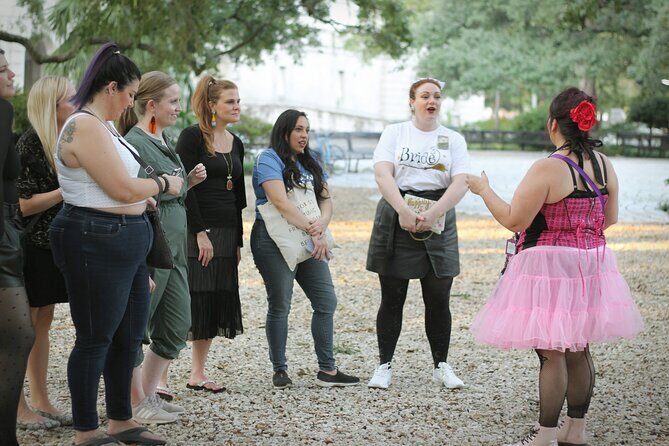
The first major stop is the convent of the Ursulines nuns—construction began in 1727, and it’s described as the oldest building in the French Quarter. From the start, the tour’s tone is not playful “color.” It’s about power systems: who held them, who profited, and how institutions shaped bodies.
This is where the guide brings in a brutal, specific angle: the story is that the church and King Louis XV became sex traffickers as part of forcing women into the colony, with the nuns assigned to keep “correction girls” in line, including the claim of public lashings. It’s unsettling, and the point isn’t to shock you for sport. It’s to show how exploitation wasn’t just street-level. It was also institutional.
If you’re the type who hates lectures, you might feel the weight here. But if you like your New Orleans stories grounded in buildings and civic history, this stop is the foundation. You’re learning why these later red-light districts and “vice” reputations weren’t random. They grew from systems.
Lafitte’s Blacksmith Shop Bar: smuggling, then shade
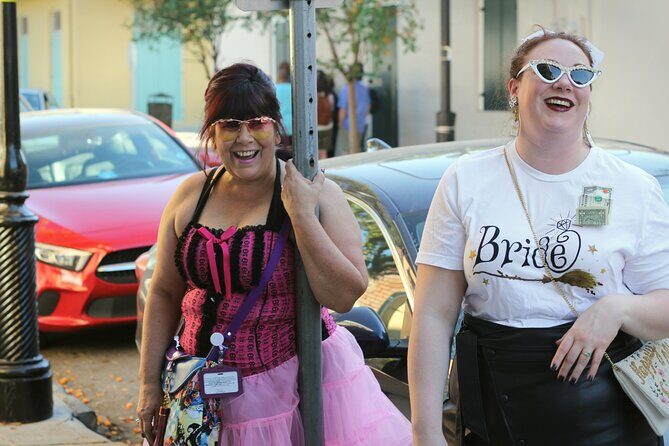
Next comes Lafitte’s Blacksmith Shop Bar, a famous old structure that the tour frames as the oldest building housing a bar in North America. Here the guide shifts from punishment-and-control to the behind-the-scenes economies that let vice run.
There’s a strong smuggling-front angle in the explanation. Even if you don’t care about contraband, it’s a useful lens: the same city that policed bodies also depended on hidden networks for profit.
Then there’s the practical win. This stop is only about 10 minutes, and it doubles as a break where you can cool off in the heat. No extra admission ticket is listed for this stop. The tour even notes it’s not one of the historic cocktail stops they chase, but it’s the kind of place where you can grab a drink on your own if you want—just know that alcohol isn’t included.
Marie Laveau’s birthplace: money behind the legend
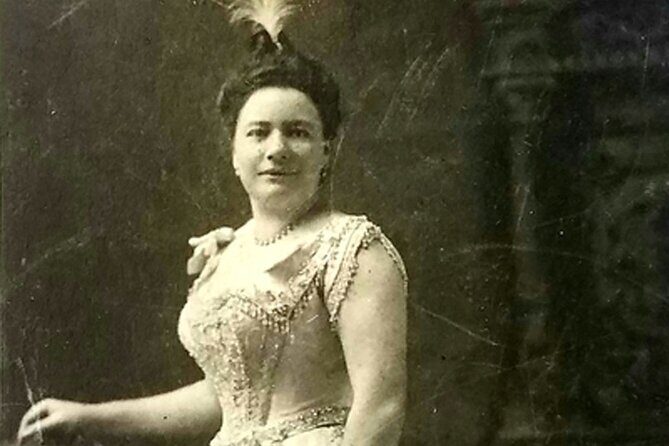
The tour’s Marie Laveau moment is built around the birthplace, not the shop. The itinerary says you won’t see the House of Voodoo shop; instead, you’ll go to the real Marie Laveau birthplace and hear how her influence worked in the real world.
One of the most interesting parts of this stop is that it challenges the usual vibe. The guide’s framing includes a quick reality check, basically separating the idea of a high-class madam from what a voodoo leader actually did. Then it lands on the money question: where she made most of her real money.
This is one of those stops where you can learn a lot in a short time (about 7 minutes, with no admission ticket cost listed). And because Marie Laveau is such a myth-heavy figure in pop culture, this is a good opportunity to anchor your understanding in place—standing where the story says it began.
If you’re the sort of person who hates fantasy without context, you’ll probably appreciate how the guide keeps steering back to reality and economics.
Looking over Storyville from Louis Armstrong Park
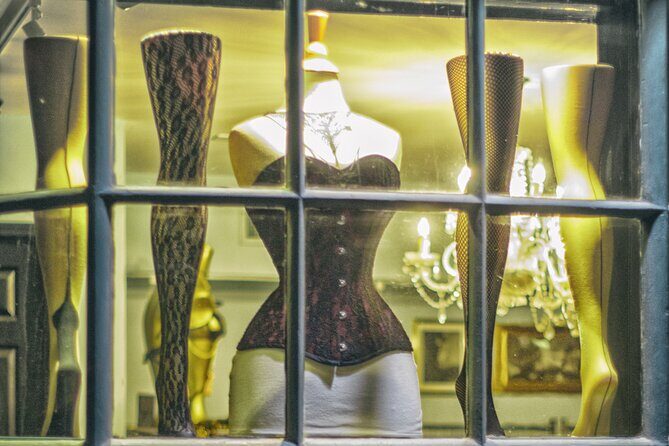
The tour’s last big stop is Louis Armstrong Park, which gives you a view over what once was Storyville. This is where the story changes gears. You’re not only hearing about vice; you’re also seeing how New Orleans replaced one chapter with another.
The explanation includes the idea that the decadent palaces thrown up in Storyville on Basin St. were replaced by the Iberville Projects. Then the guide points you toward what you can do with the location: there’s enough seating and shade for people to sit, view photos, and take in the scale of what the area used to be.
It’s a good finish for two reasons. First, the park setting gives your brain a breath after the heavy details. Second, you end in a place that makes it easier to continue your day—especially if you want to pair this with music spots, food, or a slower walk along Rampart.




French Market, Golden Lantern, and May Bailey’s Place: the stops that define the theme

Even though the tour’s backbone is the walking route, the theme also zeroes in on three landmarks you’ll hear about as you go: the French Market, the Golden Lantern (tied to Southern Decadence), and May Bailey’s Place.
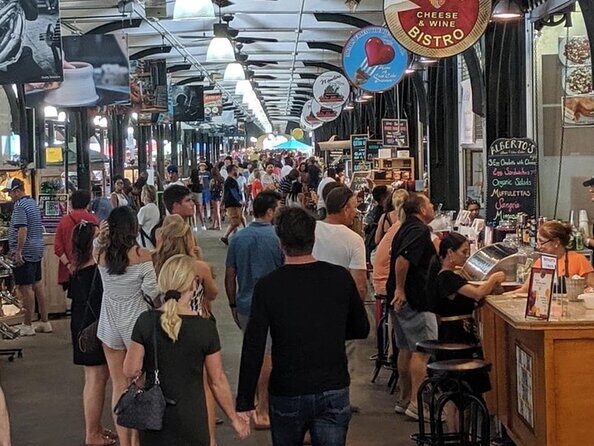
The French Market is described as the most dangerous city years back. That line is doing a lot of work. It tells you to think of the area not as a postcard, but as a place where commerce, crowding, and enforcement all collided. If you’ve been to the market before, this theme helps you look at it differently—less like scenery, more like a survival machine.
At the Golden Lantern, you’ll listen to the story of Southern Decadence. That’s important because New Orleans vice culture isn’t only about illegal activity; it’s also about ritual, reputation, and celebration. The guide uses the location to connect what people did, how they were seen, and how the city’s identity absorbed the whole mess.
Then May Bailey’s Place comes in as the “first legal brothel” angle in New Orleans. That’s a key concept for this tour: legality didn’t erase exploitation. In many places, legality simply reorganized it, made it governable, and turned it into a revenue stream with rules.
Even if you don’t spend a long block of time standing in front of each door, these named anchors keep the stories from floating. You end the tour with a clearer mental map of what you’re actually talking about when you say vice district, red-light economy, or Southern decadence.
What the guides do that makes it work
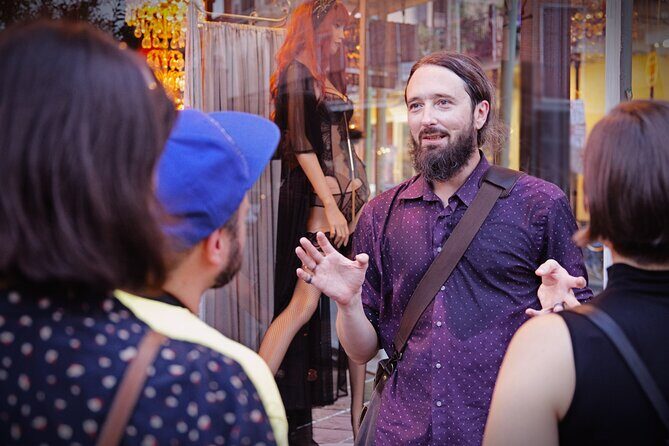
This tour lives or dies by the guide’s framing, and the best feedback I’ve seen centers on how the guides blend city history with street-level detail.
One guide named Josh is praised for being fun and friendly, while also adding architectural notes and other New Orleans history along the way. That’s the sweet spot for a walking tour like this. When the guide points out features of buildings or gives you the “why this matters” behind a wall or corner, it helps the adult subject matter land with context instead of just shock.
Another guide named Tracy gets credit for a lot of citywide knowledge and for adding extra history tidbits without turning it into a ramble. Also, the reviews mention the tour is at a nice pace, so you don’t feel rushed. That’s not a small thing here. With a topic this heavy, rushing would feel unfair. A measured pace lets you absorb the main points, then decide how much you want to take in.
The walking reality: what to expect on your feet
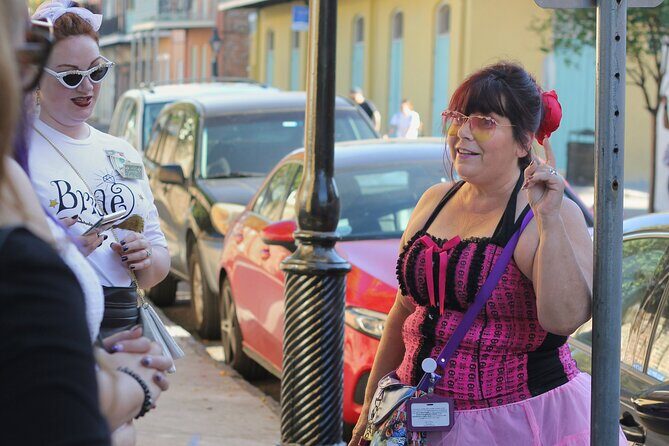
This is a walking tour, and while there’s a stop-and-cool-off rhythm built in, it still expects you to move through the French Quarter. Plan for warm weather. Bring water if you normally do, since the tour does not list it as included.
The itinerary includes short stops—often just 7 to 10 minutes in a spot—plus a longer finish at Louis Armstrong Park (about 25 minutes). That structure is actually practical. You’ll get enough time at the viewpoints to think and take photos, but you won’t spend the entire two hours stuck in one place.
Because the ending point is a park, it’s also easier to slow down after the tour. You’re not forced into a fast exit back into the tightest crowds.
Who should book this tour (and who should skip it)
This tour is a strong match if you want New Orleans that goes beyond music and food photos. If you like history that connects laws, institutions, and street life—and you enjoy learning from your guide’s storytelling—this is likely your kind of walk.
It’s also a good choice if you prefer small groups. With a maximum of 15, the experience tends to feel more like a conversation with a guide than a broadcast.
Skip it if you want a light, purely entertaining tour. The topic includes sexual exploitation, forced control, and punishment details tied to early colonial and institutional settings. If that makes you uncomfortable, it will show up fast.
Should you book The Badly Behaved Women Who Made New Orleans Tour?
I’d book it if you’re curious about how New Orleans got its reputation—how vice became visible, how it was regulated, and how women’s stories (often harmful circumstances, not “fun legends”) shaped the city’s identity. The value is solid: $35 for two hours, a small group, and a route that ties together named landmarks like Lafitte’s Blacksmith Shop Bar, Marie Laveau’s birthplace, Storyville’s area, the French Market, the Golden Lantern, and May Bailey’s Place.
I wouldn’t book it if you need gentleness. This tour doesn’t sanitize the darker parts, and it starts with material that’s hard to hear.
If you’re deciding between a “standard French Quarter history walk” and this one, choose this only if you want the adult side of the story—with context, not just shock.
FAQ
How long is the Badly Behaved Women Who Made New Orleans Tour?
The tour lasts about 2 hours.
How much does the tour cost?
It costs $35.00 per person.
Where does the tour start and end?
It starts at Chartres Street & Ursulines Avenue and ends at Louis Armstrong Park (701 N Rampart St).
What time does the tour start?
The listed start time is 2:00 pm.
Are alcoholic beverages included?
No. Alcoholic beverages are not included, though the tour mentions suggested cocktail stops.
Is there a ticket cost for the stops like Lafitte’s and Marie Laveau’s birthplace?
Admission tickets are listed as free for the Lafitte’s Blacksmith Shop Bar stop and for the Marie Laveau birthplace stop.
What language is the tour offered in?
The tour is offered in English.
What group size should I expect?
The tour has a maximum of 15 travelers.
Is cancellation allowed if my plans change?
Yes. Free cancellation is offered, and you can cancel up to 24 hours in advance for a full refund.