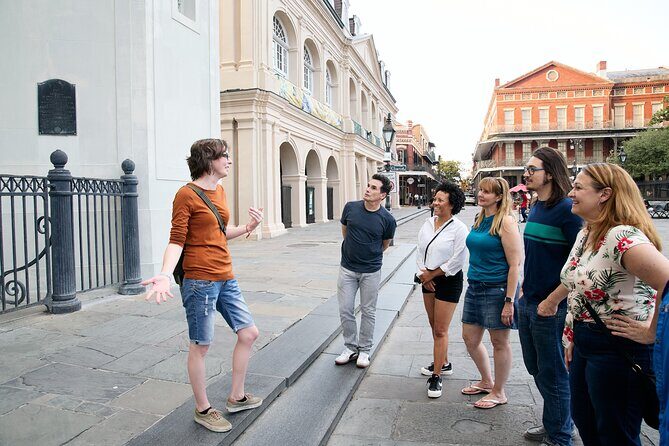
REVIEW · NEW ORLEANS
Tour the BK House Where Every Room Has a Story to Tell
Book on Viator →Operated by BK Historic House and Gardens · Bookable on Viator
Step through a house that keeps talking. You’ll walk restored 19th-century rooms and a quiet courtyard while a guide ties each space to real people and changing eras.
I like how the stories don’t just focus on the fancy side of town. You get a clear sweep from wealthy merchants to enslaved individuals, free people of color, Sicilian immigrants, and later preservationists, told with real care for who lived and worked here. One possible drawback: there’s at least one report of the site not being open at the ticketed day and time, so I recommend double-checking your timing close to start.
In This Review
- BK House on Chartres Street: What You’re Really Signing Up For
- Entering the Historic Rooms: From Merchant Comfort to Real Labor
- The Courtyard Behind Iron Gates: A Quiet Spot for Big Stories
- Fires, Floods, and Cultural Shifts: How the House Traces City Change
- What Makes the Guide’s Approach Stand Out in a Good Way
- Timing, Ticket Format, and Getting There Without Stress
- Price and Value: $15 for a 19th-Century Story Tour
- Practical Considerations: When the Day Might Change
- Who Should Book This Tour (and Who Might Want a Different Option)
- Should You Book the BK House Where Every Room Has a Story to Tell?
- FAQ
- How long is the BK House tour?
- How much does the tour cost?
- Is the tour offered in English?
- What kind of ticket do I receive?
- Are service animals allowed?
- Is it near public transportation?
- What’s the refund policy if plans change or weather is bad?
BK House on Chartres Street: What You’re Really Signing Up For
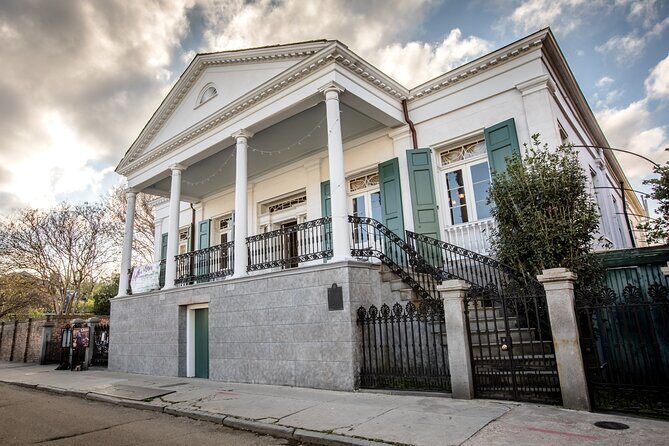
The BK Historic House and Gardens tour is a 50-minute New Orleans house visit that aims for more than pretty rooms. It’s built around the idea that a building is a witness: to labor, to inequality, to community change, and to how the city survives shocks like fires and floods.
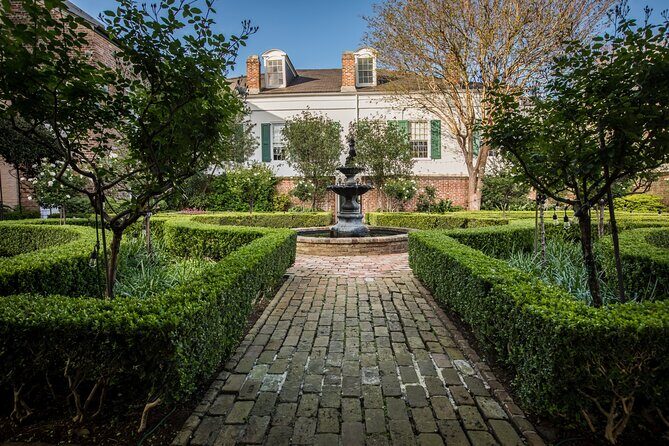
This stop is on 1113 Chartres St, in the French Quarter area. In fact, one review called out the location as a quiet side of the Quarter across from the Convent, and that matches the overall feel: you’re not rushing through a loud attraction. You’re stepping into a place that feels tucked away behind iron gates and greenery.
The guide’s job is to connect the dots. You’re not just looking at old furniture; you’re hearing how the people who lived here fit into New Orleans history. That’s the heart of the value.
Entering the Historic Rooms: From Merchant Comfort to Real Labor
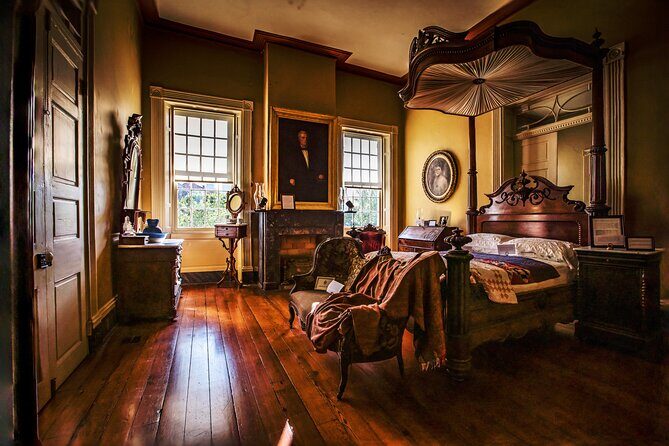
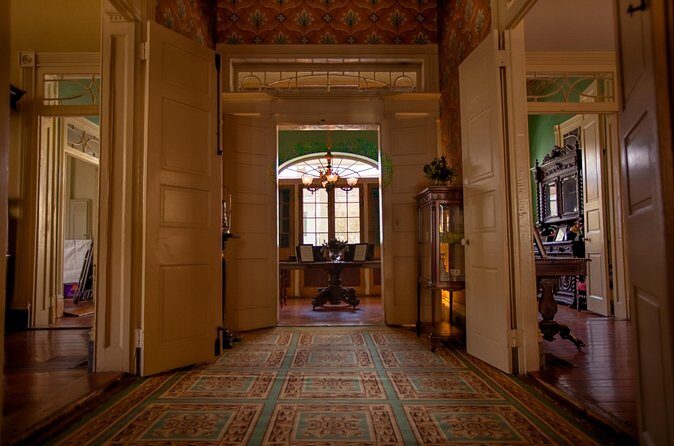
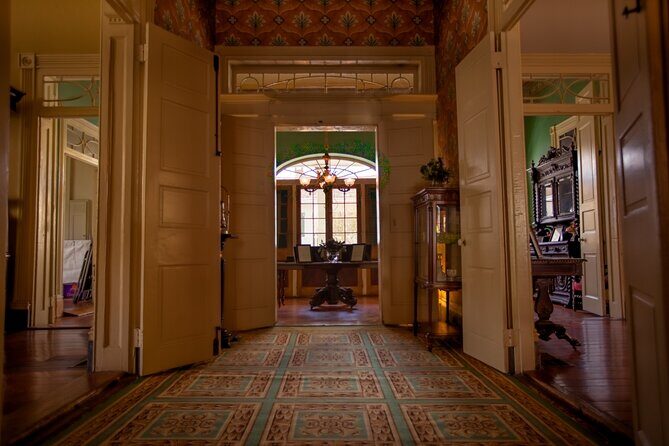
Once you’re inside, the tour’s strongest part is the way the rooms reflect shifts in daily life. You’ll see a set of restored spaces that show how the house changed as the city changed, moving from the lifestyle of wealthy merchants to the realities of those who labored there.
What I like most is the balance. This tour doesn’t treat the past like a costume drama. It frames the house as a place shaped by forced labor and by the lives of free people of color, not as an optional sidebar to the story. That matters in a city where history is everywhere, but it’s easy to skim over the hard parts.
You’ll also hear about Sicilian immigrants, which adds a different angle than the usual New Orleans-only spotlight. Even with limited time, the guide’s choices push you to see the house as a crossroad for multiple communities, not a single storyline.
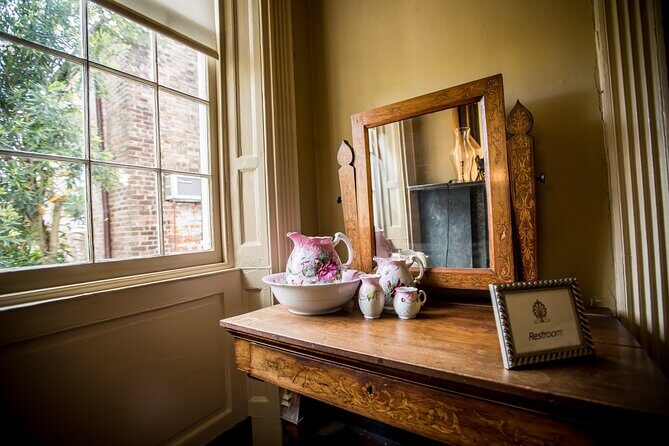
A practical note: expect to do some close looking. The tour includes rare architectural details and objects, so if you like reading small plaques and spotting construction clues, you’ll feel right at home.
You can also read our reviews of more tours and experiences in New Orleans.



The Courtyard Behind Iron Gates: A Quiet Spot for Big Stories
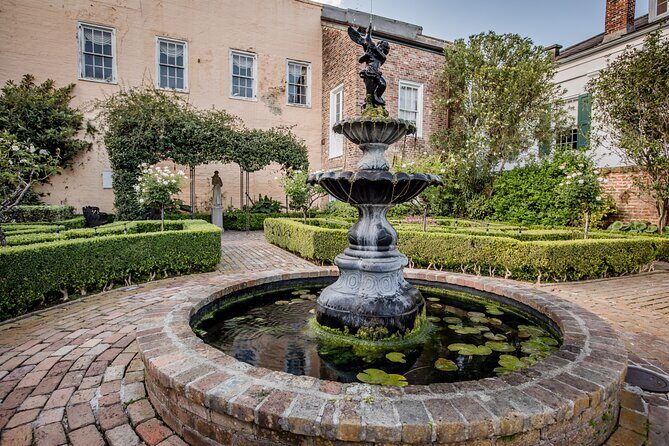
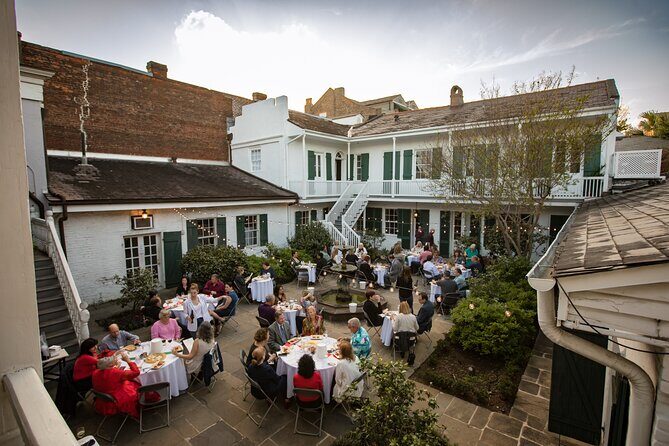
The courtyard is a major part of the experience. It sits behind gates and shade, creating a calm pocket you can feel the moment you step into it. One review called it a quiet oasis, and that’s exactly how it plays on-site: even though you’re in a popular area, the courtyard itself helps you slow down.
Here’s why it’s more than scenery. Courtyards in New Orleans houses weren’t just for plants and photos. They worked as social space and work space. During the tour, you’ll connect that outdoor area to gatherings and even to wartime efforts, which gives the yard a sense of “movement” even while you’re standing still.
Look closely at how the guide points out the architectural setup and objects. The courtyard helps you understand how indoor and outdoor life mixed in older homes, and how those spaces supported the routines of people with very different roles.
If you’re the type who likes to understand a place physically—where someone would have walked, sat, worked—this stop will satisfy you. It’s easier to grasp the house when you’ve seen the rooms and then looked back out into the courtyard.
Fires, Floods, and Cultural Shifts: How the House Traces City Change
A house like this isn’t static. It’s a record of adaptation, and you’ll hear that thread during the tour. The guide explains how the city evolved through disasters and cultural shifts, including major disruptions like fires and floods.
This is where the tour earns its keep for first-time visitors. New Orleans can feel like one long party of architecture and culture, but the tour brings you back to why the city looks the way it does today. You get a clearer sense of what changed, what was rebuilt, and how communities persisted through damage and upheaval.
You’ll also hear personal histories that match the wider themes of New Orleans itself: resilience, transformation, and community survival. It’s not just a list of events. It’s the way those events show up in the objects, layouts, and room purpose.
I found that this kind of story structure works well in a short format. In about 50 minutes, you don’t need a textbook. You need a guide who can connect the pieces fast without flattening the meaning.
What Makes the Guide’s Approach Stand Out in a Good Way
One review described the guide as engaging and caring, with a tender consideration for those who inhabited the house over time. That tone matters because the subject matter includes slavery and forced labor, plus the ongoing struggles that followed.
In practice, you can feel when a guide respects the weight of the story. The tour’s pacing and focus suggest the guide isn’t rushing past the difficult parts to get back to the pretty stuff. Instead, the rooms and courtyard become evidence, and the people become the point.
Even if you’re visiting for the visuals, you’ll likely leave with more than photos. You’ll have a better sense of how the house’s physical features relate to the lived experience of multiple groups—wealth, labor, immigration, and preservation.
Timing, Ticket Format, and Getting There Without Stress
This tour runs about 50 minutes. That’s a sweet spot for a vacation day: long enough to feel like you saw something real, short enough that you’re still free to explore afterward on your own.
It uses a mobile ticket, and you’ll receive confirmation at booking. The tour is offered in English, which helps if you want your explanation clear without relying on translation apps.
It’s also marked as near public transportation, so you don’t have to build your whole plan around a single ride-share drop-off. I’d still treat it as a walking-friendly stop, especially if you’re already exploring the French Quarter area.
One more thing that affects your planning: the experience is typically booked around 25 days in advance on average. If you’re traveling in peak season or on a weekend, I’d book ahead so you can pick a time that matches your day.






Price and Value: $15 for a 19th-Century Story Tour
At $15 per person, this is one of those tours that feels fair fast. You’re not paying for a half-day bus ride or a big theme-park style production. You’re paying for access to a specific historic property and for a guide who can connect the dots between architecture and real lives.
Because the tour runs about 50 minutes, you also get clear value in time. It’s not a “stand here and wait” experience. You’re guided through the rooms and courtyard, and the commentary is aimed at helping you interpret what you’re seeing.
In New Orleans, where plenty of experiences compete for your wallet, this price point works especially well if you already plan to walk the French Quarter. You can fold this into an afternoon and still have time for food, street scenes, and other sights.
Practical Considerations: When the Day Might Change
The experience requires good weather. That matters because the house-and-gardens style visit relies on outdoor space like the courtyard. If weather is poor, the operator offers a different date or a full refund.
Also, since at least one person reported the site not being open for the time shown on their ticket, I’d treat your start time as a real commitment. If you’re deciding between plans, it’s smart to keep a flexible buffer in your day so you’re not stuck scrambling.
Who Should Book This Tour (and Who Might Want a Different Option)
You’ll probably enjoy this tour if you like:
- House museums that explain people, not just objects
- Short, guided stops with a clear story thread
- Visiting the French Quarter area but wanting something quieter than the street scene
You might want a different option if you’re looking for a very long, slow, deeply technical architecture session. This is about meaning and lived experience, not a full-length academic walkthrough. With only about 50 minutes, you’ll likely want to follow up on your own after the tour by reading about what you saw and heard.
It also suits solo travelers and couples well because the format is straightforward: walk, listen, look, ask. Service animals are allowed, which is helpful information if you travel with one.
Should You Book the BK House Where Every Room Has a Story to Tell?
I think you should book if you want a thoughtful New Orleans house tour that actually explains why a building matters. The combination of restored rooms, a courtyard setting behind iron gates, and stories that include wealthy merchants, enslaved individuals, free people of color, Sicilian immigrants, and preservationists is exactly the kind of layered interpretation that makes a place stick with you.
If you like history only when it connects to real people, this will land well. And if you prefer experiences that fit into a walking day, the 50-minute format and $15 price help a lot.
Just plan smart. Since weather can affect the tour and there is at least one report of being not open at the ticketed time, I’d pick this with confidence but keep your schedule flexible enough to absorb small changes.
FAQ
How long is the BK House tour?
It lasts about 50 minutes.
How much does the tour cost?
The price is $15.00 per person.
Is the tour offered in English?
Yes, it’s offered in English.
What kind of ticket do I receive?
You get a mobile ticket.
Are service animals allowed?
Yes, service animals are allowed.
Is it near public transportation?
Yes, it is near public transportation.
What’s the refund policy if plans change or weather is bad?
You can cancel for a full refund up to 24 hours before the experience starts. The tour requires good weather, and if it’s canceled due to poor weather, you’ll be offered a different date or a full refund.