REVIEW · NEW ORLEANS
Voodoo Queen of New Orleans Walking Tour
Book on Viator →Operated by New Orleans Ghost Adventures · Bookable on Viator
Voodoo in New Orleans is more than myths. On this French Quarter walking tour, you trace the roots of Voodou (with African and Haitian influences alongside Catholic rites) and connect it to what happened at Congo Square—the spot tied to jazz’s birth. It’s not dressed up for Halloween; it’s explained as a lived belief system.
I especially like how the tour centers on Marie Laveau and the Laveau family’s impact on both Voodou and New Orleans culture. You’ll hear stories as you walk, with guides known for mixing history, humor, and real respect for the practice (names you may hear include Scott, Gomez, Orion, Wes, D.J., John, and Carlos).
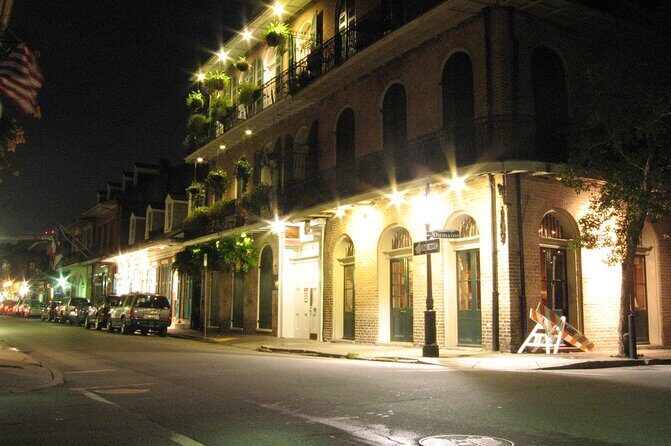
One thing to think about: the French Quarter’s sidewalks and street layout can be tricky, even when the route is mostly flat. Add heat, rain, and the fact that routes can shift around parades or construction, and you’ll want to plan for some uneven footing.
In This Review
- Key highlights worth marking on your map
- French Quarter start: where the tour sets the tone
- The core lesson: what Voodou is (and isn’t) in this neighborhood
- First big visual: St. Louis Cathedral and why it matters for your walk
- Voodoo Authentica and the museum stop: browsing the culture up close
- Congo Square: the jazz connection you actually remember
- Marie Laveau moments: stories, photo stops, and the Rampart Treehouse
- Guide styles that earn the big praise: music, humor, and careful respect
- Weather, pace, and the French Quarter reality check
- Price and value: what you get for about $25.60
- Who should book this tour, and who might skip it
- FAQ
- FAQ
- Is parking available near the meeting point?
- How do I get to the start area using public transportation?
- What time should I arrive?
- Is this tour family friendly?
- Does the tour require a lot of physical effort?
- Can wheelchairs or mobility aids handle the route?
- What happens if weather is bad?
- Should you book the Voodoo Queen of New Orleans walking tour?
Key highlights worth marking on your map
- Congo Square plus jazz: you’ll learn why this place matters to both Voodou tradition and music history.
- Marie Laveau storytelling: photo stops and walking-by moments tied to her legend and the Laveau family’s role.
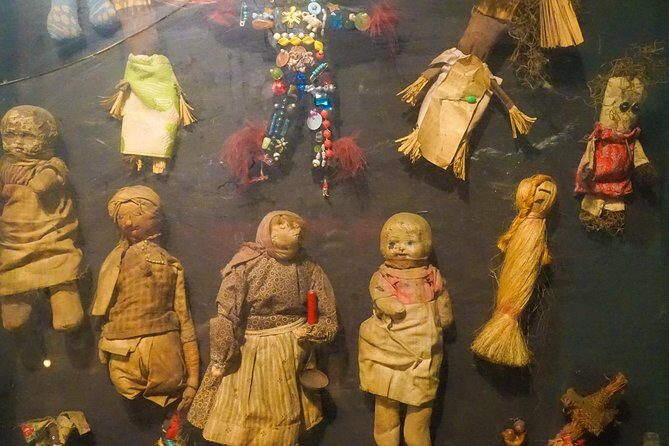
- Museum and Voodoo shop time: you can browse items at the New Orleans Historic Voodoo Museum area and at an authentic shop.
- St. Louis Cathedral views on the way: the oldest cathedral in continuous use in the U.S. is part of the route’s backdrop.
- Small group energy: capped at 28 people, which keeps the walk from feeling like a rush-through.
French Quarter start: where the tour sets the tone
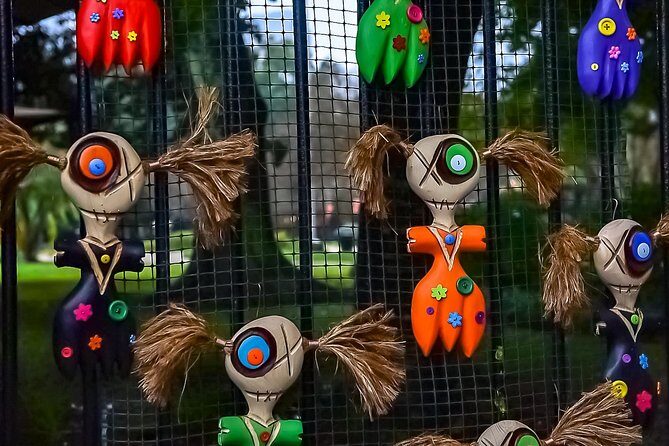
The experience kicks off at Bon’s New Orleans Street Food on Decatur Street, right in the heart of the French Quarter. Start time is 11:00 am, and it helps to arrive about 15 minutes early so you can get oriented before you start moving.
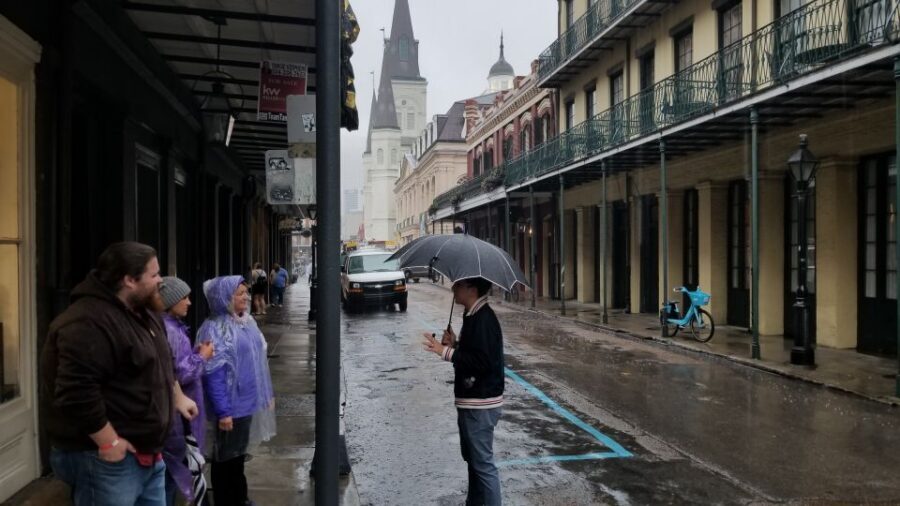
This is a walking tour, so your first “wow” is just how quickly New Orleans history surrounds you. You’ll pass major landmarks like St. Louis Cathedral, and your guide uses these stops as anchors—so the story feels grounded instead of random facts tossed together.
You also get a clear signal from the start that this isn’t a jump-scare ghost walk. The focus is religious and cultural context: what Voodou is, where it came from, and how New Orleans communities carried it forward.
You can also read our reviews of more walking tours in New Orleans


The core lesson: what Voodou is (and isn’t) in this neighborhood
A big part of why this tour works is the way it frames Voodou. Your guide talks about a folk religion shaped by enslaved West Africans and later Haitian immigrants, with magical elements that also interact with Catholic rites.
That matters because people often arrive with stereotypes—everything from “magic for magic’s sake” to cartoonish voodoo dolls. Here, you’re guided toward understanding Voodou as something practiced with purpose and community meaning, not a spooky theme park.
The strongest guides also make room for questions. You’ll hear tour leaders who actively encourage people to ask, and they’ll answer in a way that respects both curiosity and cultural sensitivity. In the descriptions shared by guides on this route, that respectful tone shows up again and again.
First big visual: St. Louis Cathedral and why it matters for your walk
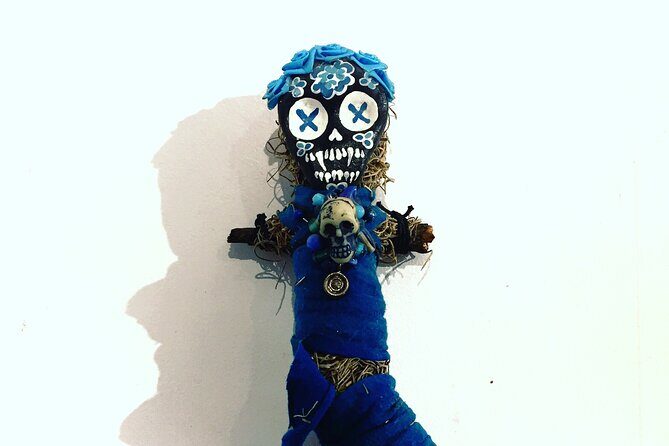
You’ll walk past St. Louis Cathedral, and it’s more than a convenient photo stop. The cathedral’s presence helps you understand why Voodou in New Orleans often gets described as a mix—African and Haitian spiritual traditions interacting with Catholic settings.
On a practical level, it also helps you keep your bearings. The French Quarter can feel like a maze when you first arrive, so having a landmark you recognize (especially one as famous as this) makes the tour easier to follow.
If you’re sensitive to crowds, you might want to plan for that too. The Quarter gets busy, and you’re moving through streets that are used by both locals and tourists.
Voodoo Authentica and the museum stop: browsing the culture up close
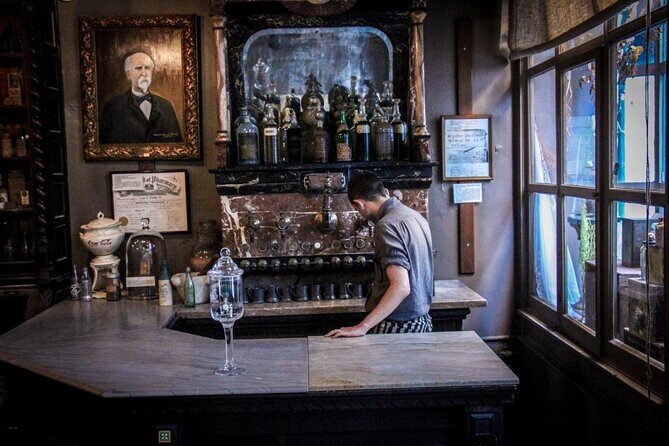
Between the major landmark moments, you’ll get a stop at Voodoo Authentica, an authentic shop. The time there is short, but it’s useful for connecting the history lesson to what’s still part of daily life for some people—items sold for protection, spiritual needs, and personal faith.
Earlier in the walk, you also stop by the New Orleans Historic Voodoo Museum and the Marie Laveau’s House of Voodoo area. The idea isn’t just to look at objects; it’s to understand the language of the practice—how people talk about protection, blessings, and spiritual care.
A quick heads-up: if you’re the type who doesn’t want to go into shops, this tour is built around browsing. You don’t have to buy anything, but you do spend time inside or right around these retail and museum spaces.
Congo Square: the jazz connection you actually remember
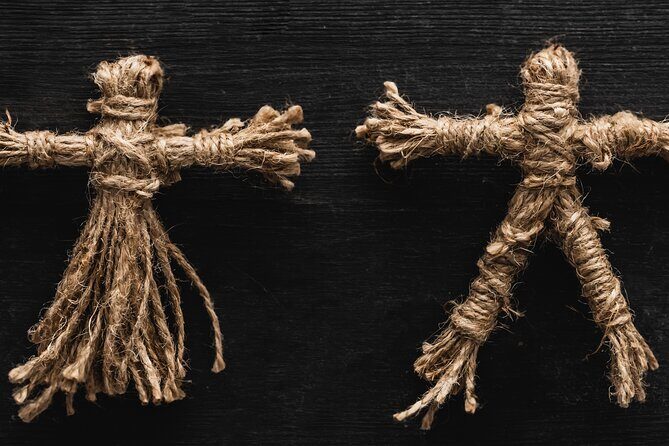
Congo Square is the centerpiece most people come for—and it’s where the tour earns its “history plus music” reputation. You’ll hear how this place connects Voodou tradition with the origins of jazz.
What makes this stop feel different from the usual sightseeing is the way the guide connects dots. Instead of treating jazz like a totally separate story, your guide ties it to the same cultural currents that shaped community gatherings, music, and spiritual life.
This stop is also a practical break. It’s built in for learning, but you also get time to look around, take photos, and reset before you move again.



Marie Laveau moments: stories, photo stops, and the Rampart Treehouse
If the tour has a character, it’s Marie Laveau. You’ll hear her stories and contributions while you pass the original spot of her home (set up as a photo opportunity). The tour includes the walking story portion, while any admission tied directly to that specific stop isn’t included.
One of the more intriguing moments is the walk-by related to Rampart Treehouse, described as the site of Marie Laveau’s last ghost sighting. Whether you treat that part as folklore or entertainment, it’s a classic example of how the Laveau legends live on in the French Quarter’s storytelling.
The best guides keep it balanced. They’ll give you the legend and the context without trying to force you to believe one version over another. You come away understanding why the stories endure—and how they shaped the way people talk about Voodou in New Orleans.
Guide styles that earn the big praise: music, humor, and careful respect
A lot of the tour’s top ratings come down to the guides’ style. Names that show up repeatedly include Scott, Gomez, Orion, Wes, D.J., John, Carlos, and others. What connects these guides is how they tell the story like they actually care about the city.
You’ll notice a few recurring strengths:
- They speak clearly and at a volume that works even if you’re toward the back.
- They weave in broader New Orleans context, not only Voodou facts.
- They handle questions well, including tough ones.
Some guides also add cultural flourishes—music, singing, or even a second line style finale. Since that can vary by guide and conditions, treat it as a possible bonus rather than a guaranteed schedule item.
If you’re bringing kids, this matters too. One of the most common themes is that the tour can feel like a history lesson first. It’s not built as an all-out horror show, though it may discuss the slave trade and the brutality tied to the historical backdrop. That’s worth thinking about in advance so you can gauge what’s comfortable for your group.
Weather, pace, and the French Quarter reality check
This is a 1 hour 30 minutes walking tour, and it involves moderate walking. New Orleans weather can swing fast, and the tour operates in all weather conditions, with an expectation that you dress appropriately.
One practical trick: bring water and plan for shade when you can. Even on the hottest days, some guides find spots to rest briefly, but you should still expect sun exposure and limited benches.
Mobility is the main physical consideration. Even when the route is mostly flat and paved, the French Quarter has uneven sidewalks and street corners. If you’re using a wheelchair or walking aid, you’ll want to go in expecting that you may need extra time and support getting through tight sections.
Also remember that routes are subject to change due to parades, construction, or other local events. That doesn’t usually stop the tour—it just reshuffles the walking path.
Price and value: what you get for about $25.60
At $25.60 per person for around 90 minutes, the value is strong if your goal is a guided, focused explanation instead of wandering the Quarter on your own.
Here’s what’s included:
- a licensed guide
- the walking tour experience
And what’s helpful on the cost side:
- Several stops are listed as free admission moments (including the French Quarter area, the shop stop, and the Congo Square stop).
- The “Marie Laveau home” photo-story spot is described with admission not included, so you should assume that exact element may cost extra if there’s any entry fee on-site.
So the smart way to look at it: you’re paying for interpretation, not for ticketed museum time. If you’re the type who enjoys context—why these places connect—you’ll likely feel like the price is reasonable.
Who should book this tour, and who might skip it
This is a great fit if:
- you’re curious about Voodou as a religion, not a myth
- you want the Congo Square and jazz connection explained clearly
- you like walking with a guide who encourages questions
- you want a cultural story that’s still grounded in major French Quarter landmarks
You might want to consider another option if:
- you want a strictly spooky atmosphere (this tour is more instructional than horror)
- you dislike shopping stops entirely, since you’ll likely visit a Voodoo shop environment
- your group has very limited tolerance for walking on old streets and irregular sidewalks
For families, it’s often described as appropriate for a range of ages, but because it may include discussion of slavery and brutality as part of the historical truth, I’d think about age and sensitivity before going.
FAQ
FAQ
Is parking available near the meeting point?
There is limited parking near the departure location and parking rates apply. Because it’s in the middle of the French Quarter, it’s usually easier to walk in or use public transportation or a ride-share.
How do I get to the start area using public transportation?
Public transportation is available with stops near the meeting location, located directly in front of the St. Charles and Sixth St. tram stop.
What time should I arrive?
Plan to arrive at least 15 minutes early so you can find the group and get ready before the walk starts.
Is this tour family friendly?
Yes. The tour is described as appropriate for guests of all ages, but it does cover historical topics that may include difficult subject matter.
Does the tour require a lot of physical effort?
There is a fair amount of walking and it requires a moderate physical fitness level.
Can wheelchairs or mobility aids handle the route?
The route is described as wheelchair accessible, with mostly flat and paved walking. At the same time, the French Quarter’s streets and sidewalks can be challenging for mobility issues, so you should expect some uneven conditions.
What happens if weather is bad?
The experience requires good weather. If it’s canceled due to poor weather, you’ll be offered a different date or a full refund.
Should you book the Voodoo Queen of New Orleans walking tour?
If you want more than spooky vibes—and you care about why the French Quarter holds onto Voodou stories and jazz roots—this is a solid buy. The price is reasonable for a licensed guide, and the walk is structured around meaningful places like Congo Square and Marie Laveau’s legend, with museum and shop stops to connect the past to what people still practice today.
Just go in with the right expectation: it’s a cultural and historical tour with some walking on old streets, not a dark haunted attraction. If that sounds like your kind of New Orleans, book it, wear comfortable shoes, and bring your best question.