REVIEW · NEW ORLEANS
Black History & Tremè Neighborhood Walking Tour
Book on Viator →Operated by Anansi's Daughters · Bookable on Viator
A walking tour that turns songs into survival. This Black History and Treme Neighborhood walk threads major music names and sacred local sites into one practical, 1 hour 45 minute route across New Orleans, anchored in Treme.
I love the story-led pacing and the way your guide connects legends you know, like Mahalia Jackson and Louis Armstrong, to the places you’re standing in. I also love that every stop is paired with free admission, so your money goes to the experience, not tickets.
One thing to consider: it’s an outdoor, walking format, so you’ll want good shoes and be ready for weather.
In This Review
- Key highlights
- Walking Treme on Purpose: From 801 N Rampart to Armstrong Park
- New Orleans Jazz National Historical Park: Legends You Hear, Places You See
- Congo Square: Sunday Drum Circles Since 1724 and a Place of Worship and Trade
- St. Augustine Catholic Church: The Tomb of the Unknown Slaves in Treme
- Louis Armstrong Park: Why This Spot Matters for Music, Food, Architecture, and Culture
- Is $40 a Good Deal for 1 Hour 45 Minutes of Major Sites?
- Getting the Most From the Walk: Pace, Questions, and What to Bring
- What You’ll Take Away After Congo Square and the Tomb
- Who Should Book This Walking Tour—and Who Might Want Something Different
- Should You Book This Black History & Treme Neighborhood Walking Tour?
- FAQ
- How long is the Black History & Tremè Neighborhood Walking Tour?
- How much does the tour cost?
- Where does the tour start?
- What time does the tour begin?
- What stops are included on the tour?
- Is admission included for the stops?
- Is the tour offered in English?
- Do I need to print tickets?
- What if the weather is poor?
- Can I cancel for a full refund?
- Are service animals allowed and is it near public transportation?
Key highlights
- New Orleans Jazz National Historical Park first, to set the musical context from Moses Hogan to Buddy Bolden
- Congo Square tied to West African drum circles held every Sunday since 1724
- St. Augustine Catholic Church and the Tomb of the Unknown Slaves, in the oldest Black neighborhood in the nation
- Louis Armstrong Park with a focused story connecting music, cuisine, architecture, and culture
- Small group size (max 28) that makes it easier to ask questions
- $40 for a tightly timed 1 hour 45 minute walk with free admission at each stop
Walking Treme on Purpose: From 801 N Rampart to Armstrong Park
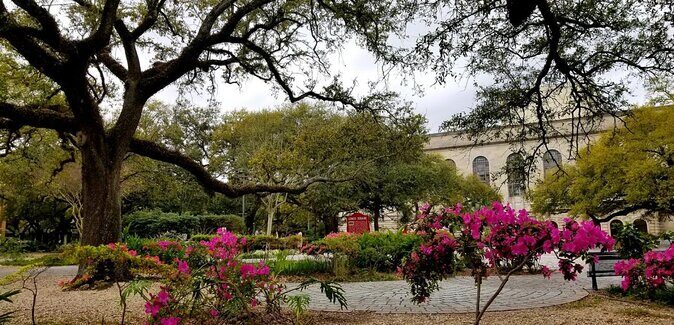
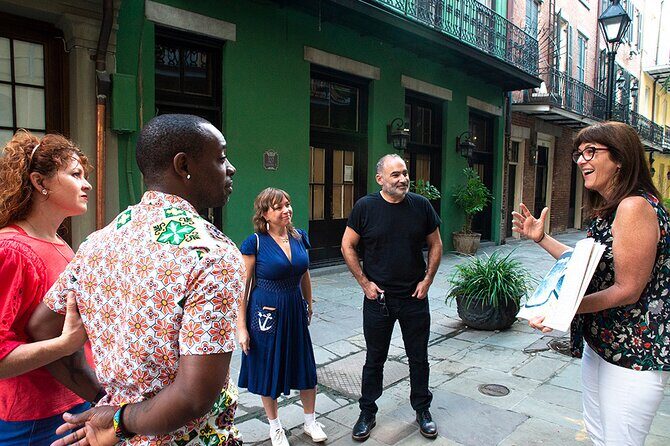
If you want New Orleans history that feels grounded, this is a smart way to do it. You meet at 801 N Rampart St at 10:30 am, walk as a small group (up to 28), and end back near where you started.
What makes this route worth your attention is the structure. You don’t just move between landmarks—you get a guided narrative that links music, worship, and community life. You’ll also see how a neighborhood like Treme can hold both celebration and grief in the same small space, and your guide keeps the tone respectful and clear.
One extra bonus: the tour is offered in English, and it uses a mobile ticket, so you can keep things simple before you arrive.
You can also read our reviews of more walking tours in New Orleans


New Orleans Jazz National Historical Park: Legends You Hear, Places You See
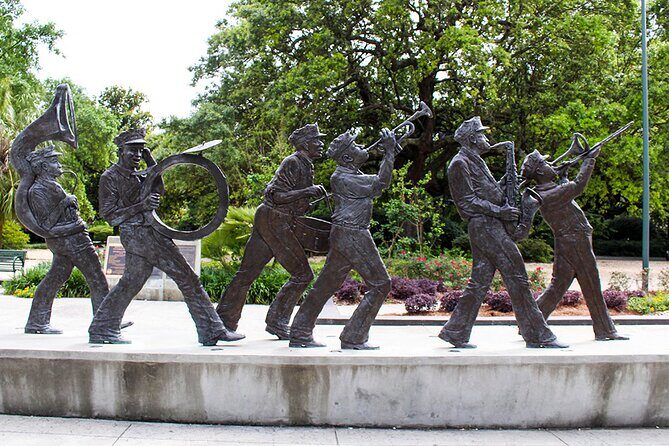
The walk starts at New Orleans Jazz National Historical Park, with about 30 minutes here. This stop is designed to give you the back stories behind musical names like Moses Hogan, Mahalia Jackson, Louis Armstrong, and Buddy Bolden, plus others your guide brings into the conversation.
Why this opening matters: it helps you read the city differently. Instead of treating jazz as something that just happened somewhere in New Orleans, you get helped connections between the people, the era, and the cultural forces that shaped what eventually became the sound the world knows.
Practical value: since this is a free admission stop, there’s no added cost pressure. You can focus on listening and looking, and then carry that context to the next places where community life played a central role.
Possible drawback: because it’s a tight 30-minute block, you’ll get the highlights and key connections rather than long, sign-by-sign reading time. If you love museums, you might want to plan extra solo time after the tour.
Congo Square: Sunday Drum Circles Since 1724 and a Place of Worship and Trade
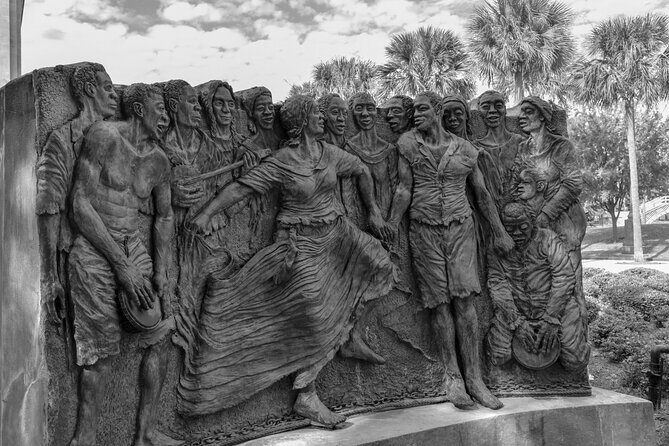
Next comes Congo Square, also around 30 minutes. This is where the tour leans hardest into the connection between West African cultural practice and what later gets labeled as jazz. You’ll hear about the West African drum circles held every Sunday since 1724, and you’ll be standing at the actual site tied to those gatherings.
This stop isn’t only about music. It also highlights a crucial social detail: Congo Square is described as one of the few places in the US where enslaved people were allowed to mass congregate—where they could marry, hold church, and trade wares.
That blend is powerful, and it changes how you experience the place. You’ll likely find yourself watching the environment a little differently afterward, because you’re not just seeing an open area—you’re imagining community life happening there on a repeating weekly rhythm.
A consideration here: the subject matter is serious. Even if the discussion includes music and celebration, the overall story includes coercion and inequality, and your guide keeps the tone grounded.
St. Augustine Catholic Church: The Tomb of the Unknown Slaves in Treme
After Congo Square, you move to St. Augustine Catholic Church for about 15 minutes. The focus is the Tomb of the Unknown Slave located on the church grounds in Treme—described as the oldest Black neighborhood in the nation.
This stop adds a different emotional register to the tour. If the jazz locations help you understand cultural power, this one forces you to face the human cost behind the story. It’s the kind of place where the walk slows down in a natural way, and your guide helps you treat it with care and context.
Practical note: this is another free admission stop, but it’s short. So if you want a longer visit, plan to come back later. The tour gives you enough to understand what you’re seeing, not enough time to linger for an extended reflection session.
Louis Armstrong Park: Why This Spot Matters for Music, Food, Architecture, and Culture
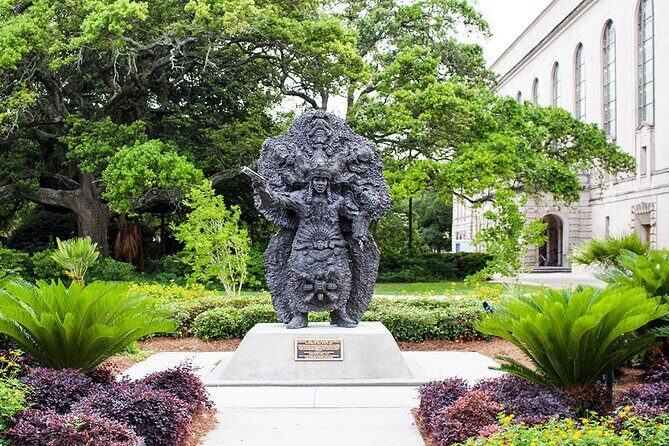
The final stop is Louis Armstrong Park, around 15 minutes. The tour frames it as a foundation point for New Orleans music, cuisine, architecture, and culture. It also notes something helpful for you: this place can be surprisingly hard to find, so going with a guide prevents the frustration of wandering around streets trying to “figure it out.”
This last segment is where the tour starts to feel like it’s closing a loop. After hearing about musical legends, communal worship, and the memory held at the Tomb of the Unknown Slaves, the park stop helps you connect the dots between the neighborhood’s identity and the way the city functions—how culture shows up in everyday design, foodways, and sound.
If you’re hungry, keep a plan for after the tour. While this isn’t a food tour, the way the guide ties cuisine to place can nudge you to seek something local right after you finish.
You can also read our reviews of more historical tours in New Orleans





Is $40 a Good Deal for 1 Hour 45 Minutes of Major Sites?
At $40 per person for about 1 hour 45 minutes, this is strong value for a tour that hits multiple anchor locations in one outing. What makes it feel fair is the mix of guided story and practical logistics:
- You’re paying for interpretation, not just walking.
- Each stop is ticket-free (admission ticket free), so there’s no extra cost stacking up on-site.
- The group stays limited (max 28), which usually helps the guide keep the pace conversational.
Time-wise, the schedule is tight but not rushed. 30 minutes + 30 minutes + 15 minutes + 15 minutes gives you a rhythm: context first, deep site next, reflection stop, then a synthesis finish.
The main cost consideration is your expectations. If you want long stays at each location, this schedule won’t feel lengthy. If you want a clear guided path with key takeaways you can expand later, it’s a solid deal.
Getting the Most From the Walk: Pace, Questions, and What to Bring
This is a walking tour, so your comfort affects how much you enjoy it. Wear shoes you trust for uneven sidewalks, and bring water. Since the tour relies on good weather, you should expect an outdoor experience even when it’s not blistering hot.
A small-group format matters here too. With up to 28 people, you can usually ask questions without shouting over a crowd. If you like clarity, this is a good setting for it—your guide’s job is to connect the story to what you’re seeing, not just list names.
Also, the tour starts at a specific point—801 N Rampart St—at 10:30 am. Arrive a few minutes early so you’re not stressed while you’re trying to orient.
Finally, if you get one of the featured storytellers—LaToya or Malika are specifically named in feedback—you may notice the tour leaning into humor, humanity, and direct context rather than academic lecturing. You should plan to stay engaged and be ready to think about what you’re learning.
What You’ll Take Away After Congo Square and the Tomb
This tour leaves you with more than a list of sites. It helps you build a mental map where music and community history are tied to real places, not just abstract timelines.
You’ll likely walk away with clearer answers to questions like:
- Why jazz is connected to community gatherings and cultural memory
- How public space can function as social life, worship, and trade
- Why Treme is framed as a foundational Black neighborhood
- How one city’s music culture connects to design and everyday life
And because the route includes both celebrated cultural contributions and the memorials tied to slavery, it doesn’t try to make everything feel cheerful. It treats the neighborhood’s identity as full-spectrum: joy, strength, harm, and remembrance all in the same story.
If you want to extend the day, you might hear pointers to nearby places to explore, including stops like the Backstreet Museum and a suggestion to try Noaam. Treat those as optional add-ons depending on what’s open and what you’re in the mood for.
Who Should Book This Walking Tour—and Who Might Want Something Different
Book this if you:
- Want a guided walk through major Black history anchors in Treme
- Love music and want the connections between artists, community life, and place
- Prefer a story-forward format with a human tone (and not just reading placards)
- Want an outing that works for mixed ages, including teens and adults, without feeling like a lecture
Consider a different option if you:
- Want a long, quiet museum-style visit at each stop
- Struggle with outdoor walking or shorter stops when you’re expecting more time in one location
- Prefer tours that only focus on entertainment and avoid difficult historical topics
This is not a casual stroll with random facts. It’s a short, directed walk with purpose.
Should You Book This Black History & Treme Neighborhood Walking Tour?
Yes—if you want your New Orleans experience to include the parts of the story that shape the city’s sound and community life. At $40, you get a structured route that hits Jazz National Historical Park, Congo Square, St. Augustine Church’s Tomb of the Unknown Slaves, and Louis Armstrong Park without stacking extra admission costs.
You should book it especially if you like guides who tell the story with personality and context. If you’re hoping to learn names, understand why those names matter where they lived and gathered, and leave with a clearer sense of Treme’s role in New Orleans, this tour is built for that.
Just do yourself one favor: wear good shoes, check the weather, and show up ready to listen. The payoff is a city that starts making sense at street level.
FAQ
How long is the Black History & Tremè Neighborhood Walking Tour?
It runs about 1 hour 45 minutes (approx.).
How much does the tour cost?
The price is $40.00 per person.
Where does the tour start?
The tour starts at 801 N Rampart St, New Orleans, LA 70116.
What time does the tour begin?
The start time is 10:30 am.
What stops are included on the tour?
The tour includes New Orleans Jazz National Historical Park, Congo Square, St. Augustine Catholic Church (Tomb of the Unknown Slaves), and Louis Armstrong Park.
Is admission included for the stops?
Admission is listed as ticket free for the stops on the itinerary.
Is the tour offered in English?
Yes, the tour is offered in English.
Do I need to print tickets?
No. You’ll use a mobile ticket.
What if the weather is poor?
This experience requires good weather. If it’s canceled due to poor weather, you’ll be offered a different date or a full refund.
Can I cancel for a full refund?
Yes. There is free cancellation. You can cancel up to 24 hours in advance for a full refund.
Are service animals allowed and is it near public transportation?
Yes. Service animals are allowed, and the tour is near public transportation. Most people can participate.