REVIEW · NEW ORLEANS
French Quarter History: Walking Tour
Book on GetYourGuide →Operated by DuPont and Company Tours · Bookable on GetYourGuide
New Orleans has a way of pulling you in fast. This French Quarter walking tour connects you to the old city through architecture and family-told stories. You’ll walk past major landmarks, hear how different cultures shaped the neighborhood, and understand why the French Quarter feels like the city’s beating heart.
I especially like the way the guide explains the neighborhood’s past using the words and experiences of their own ancestors. And I love that the tour doesn’t stay on the surface: you’ll cover topics like jazz and Mardi Gras, plus the darker parts of legalized prostitution as part of the city’s real story.
One thing to consider: if the Quarter is crowded or partially closed (like during events), you may miss a few stops. You can still get a strong experience, but plan for a little flexibility on route.
In This Review
- Key Highlights You’ll Actually Feel on This Walk
- French Quarter on Foot: Two Hours That Move Like a Story
- Meeting at 768 Decatur and Starting Near the U.S. Mint
- Spanish and French Architecture: Seeing the Quarter Up Close
- St. Louis Cathedral and Why the Mississippi River Runs This City
- Jazz, Mardi Gras, Prostitution, and Other Headlines That Became Culture
- How the Guide Makes History Feel Personal: Living Legacy
- What You’ll Do at Each Stage of the Walk (and What to Watch For)
- Early walk: the setup and the big picture
- Mid-walk: landmarks and architectural evidence
- Late walk: cultural milestones and the river
- Finish: direction, suggestions, and beignets
- Price and Value: What $30 Buys for a 2-Hour Tour
- Best For Who: First-Time Visitors and People Who Like Meaning
- When Crowds or Events Change the Route: Plan for Flexibility
- Should You Book This French Quarter History Walking Tour?
- FAQ
- How long is the French Quarter History walking tour?
- How much does the tour cost?
- Where do I meet the guide?
- Where does the walk begin?
- Where does the tour end?
- What will I learn about during the tour?
- Does the tour include specific landmarks?
- Is the guide a licensed professional?
- What language is the tour in?
- What should I bring?
- Is cancellation allowed?
Key Highlights You’ll Actually Feel on This Walk
- Living Legacy storytelling: you’re hearing history through a guide who’s connected to local founding families
- Spanish and French architecture close-up: you’ll spot design details as you walk, not from a bus window
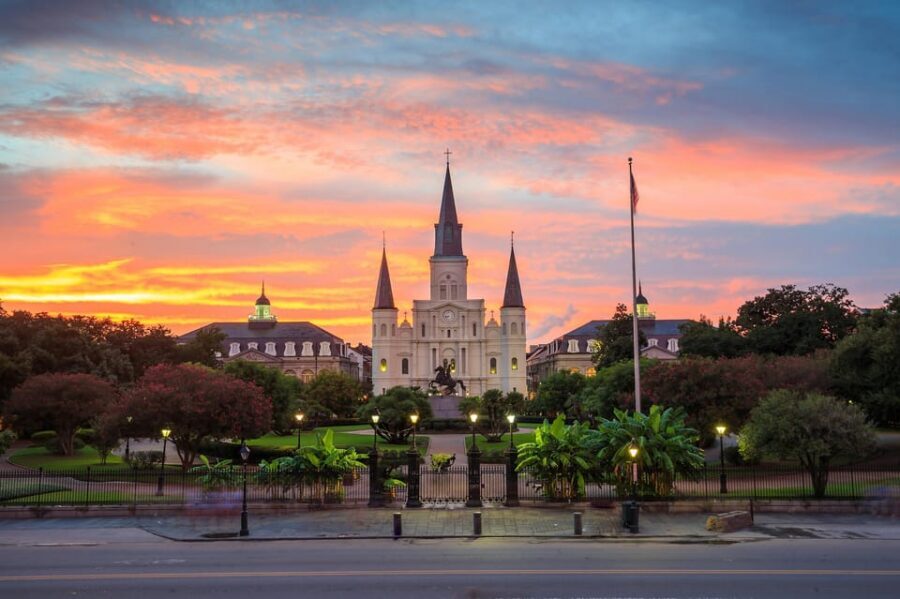
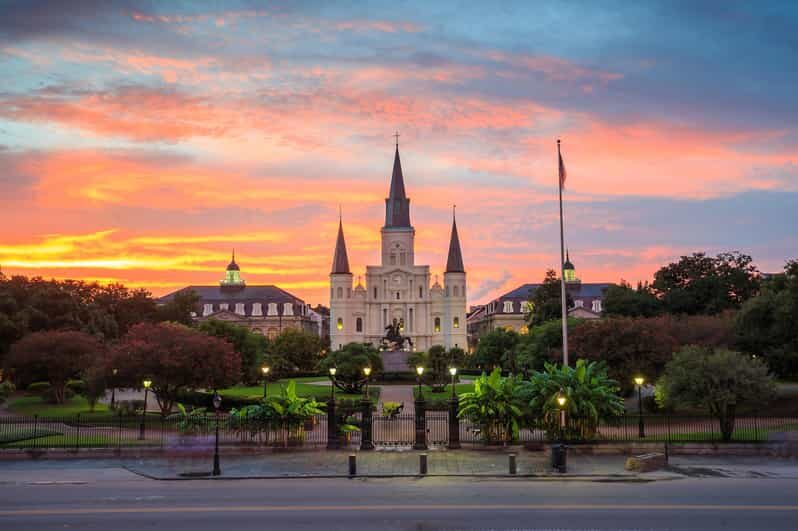
- St. Louis Cathedral stop: it’s a major landmark in the skyline and a visual anchor for the area
- Mississippi River viewpoint time: you’ll connect the city’s location to its survival and growth
- Big cultural topics in plain language: jazz creation, Mardi Gras traditions, original cuisine, and more
- Café du Monde finish: the tour ends near beignet country, with help on what to do next
French Quarter on Foot: Two Hours That Move Like a Story
A French Quarter walking tour works best when you lean into walking pace and keep your expectations right. This is a 2-hour experience, so it’s not about lingering for long photo sessions at every corner. Instead, it’s about momentum: you move, you listen, you look up, and the neighborhood starts making sense.
I like that the tour is built around conversation. You’re not just standing next to buildings while a script runs. You’ll talk about how cultures overlapped here—Native Americans, enslaved people, French, Spanish, Creole, and mixed-race communities—because that mix is the core of what the French Quarter became.
Comfort matters. Wear comfortable shoes, bring water, and be ready for walking on uneven Quarter surfaces. If you’re the type who hates moving from stop to stop, this might feel fast. If you want a guided way to absorb the city, it’s a sweet length.
You can also read our reviews of more walking tours in New Orleans


Meeting at 768 Decatur and Starting Near the U.S. Mint
You’ll meet at the bottom of the concrete steps at 768 Decatur St. That’s a practical detail, because the Quarter can feel like a puzzle when you first arrive, and having a clear meeting spot helps you avoid wandering around for the start.
From there, the walk begins at 400 Esplanade Avenue in front of the U.S. Mint. This matters because the U.S. Mint area puts you in a zone where you can feel the Quarter’s official, long-established presence. It’s also a strong “start point” emotionally: you’re stepping into a neighborhood that’s been shaped for centuries, not just decades.
If you want to get the most out of the first 10 minutes, arrive a little early. You’ll settle your shoes, get your bearings, and be ready when the stories kick off.
Spanish and French Architecture: Seeing the Quarter Up Close
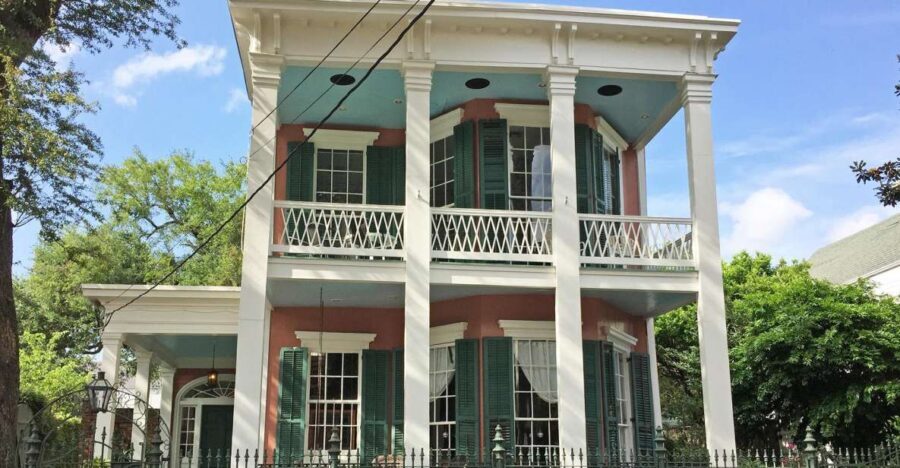
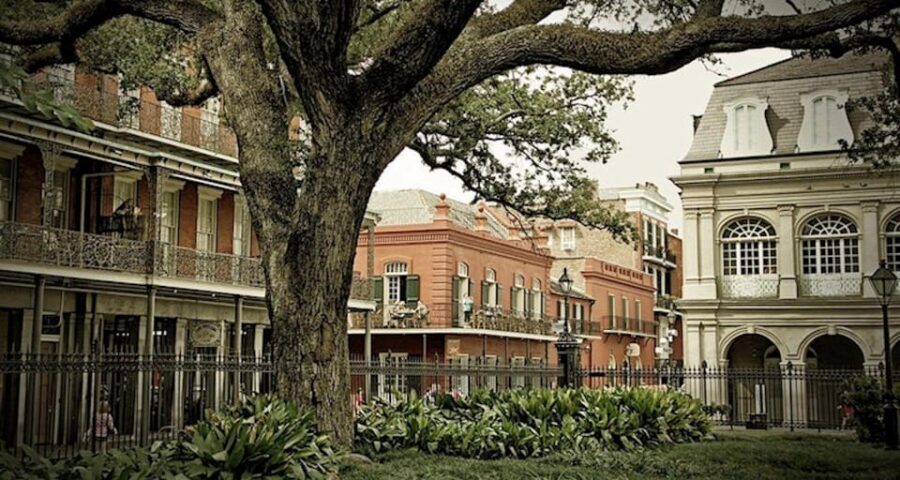
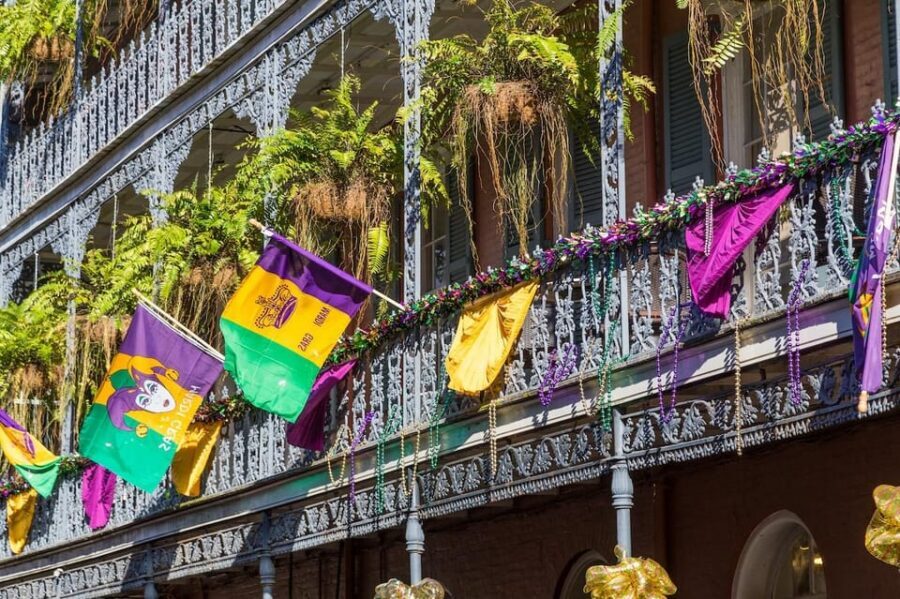
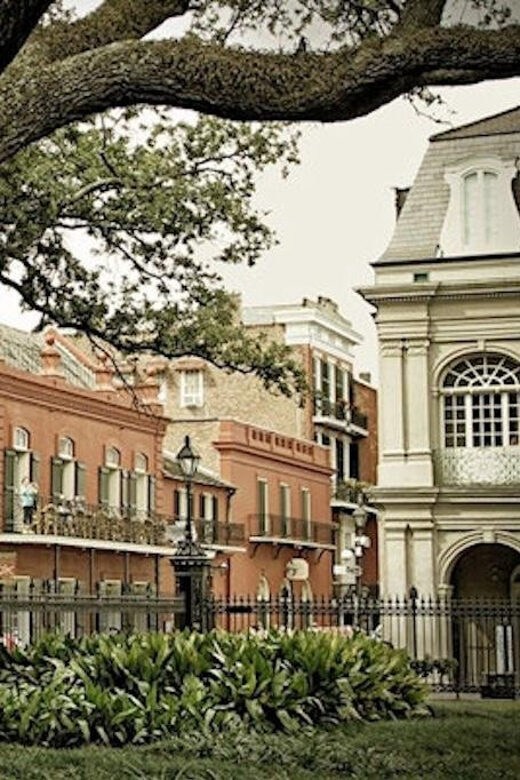
One of the best ways to understand the French Quarter is to stop thinking of it as one style. It’s a layered neighborhood. The tour specifically calls out Spanish and French architecture, and that’s the right focus if you like visual clues.
As you walk, you’ll learn to read the buildings like evidence. Instead of just admiring facades, you’ll connect what you see to who built it and why it survived. That’s where this tour becomes more than sightseeing.
You’ll also visit spots that are hundreds of years old, including the claim of the oldest building in the entire Mississippi Valley. Even if you’re not a history buff, the takeaway works: the Quarter didn’t just happen. It has roots that stretch far back, and the streets are still bearing those traces.
Practical note: look up. In the French Quarter, the most useful clues are often on upper levels—details, angles, and how buildings meet the street.
St. Louis Cathedral and Why the Mississippi River Runs This City
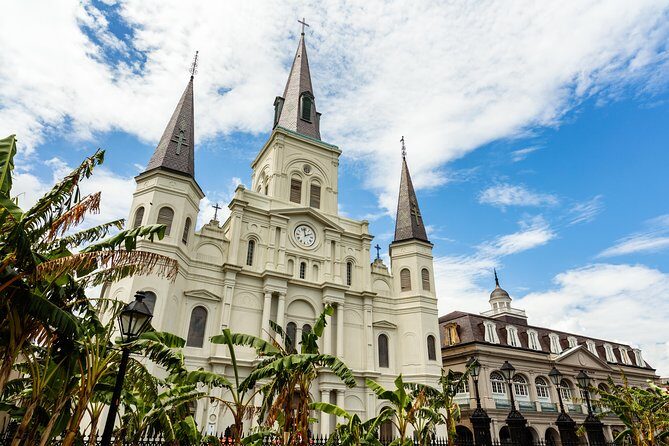
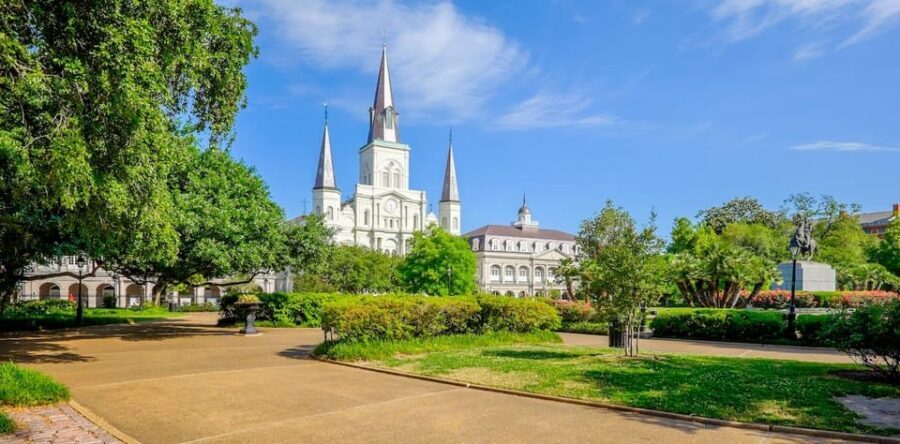
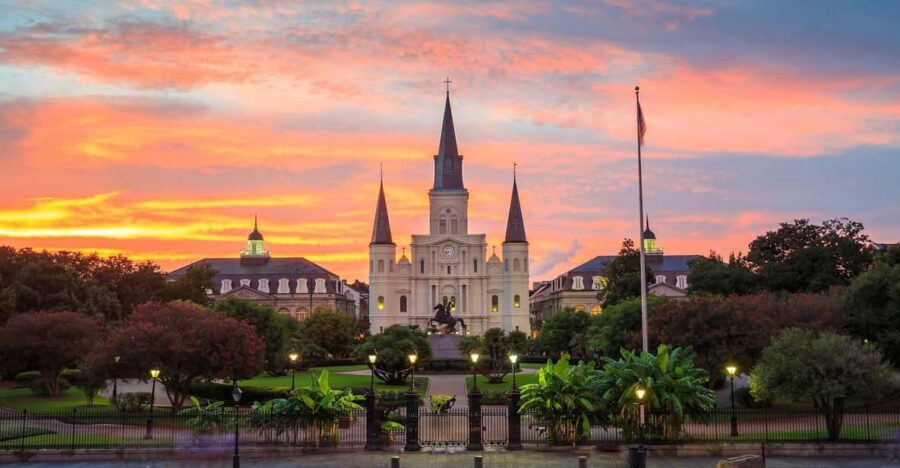
The tour includes a visit to St Louis Cathedral, described as the most photographed church in the South. That label can sound like marketing, but in practice it’s a signal: this is a visual landmark you’ll keep seeing in the French Quarter’s imagery.
More importantly, you’ll understand the Cathedral’s role in the neighborhood’s identity. The guide ties it into the larger story of the area—who lived here, how communities formed, and how the city’s culture evolved over time. It’s not only about what it looks like. It’s about what it represents on the skyline and in local memory.
Then you’ll get time at the Mississippi River, including mention of its winding currents and the idea that the river is a reason New Orleans exists. This is a key moment because so many French Quarter stories become easier to grasp once you remember the city’s geography. The river shapes commerce, movement, and risk—especially in a place where floods and hurricanes show up in the headlines.
If you’ve ever wondered why New Orleans feels like it’s both grounded and dramatic, the river helps explain that balance.
Jazz, Mardi Gras, Prostitution, and Other Headlines That Became Culture
This tour doesn’t avoid the complicated parts. You’ll hear about the creation of jazz, the development of Mardi Gras, and you’ll also cover legalized prostitution as part of how the city functioned historically.
I appreciate this approach because it keeps the story honest. New Orleans didn’t become New Orleans by being neat and comfortable. It formed through rulemaking, community life, entertainment culture, and economic realities that weren’t always pretty. The guide frames these topics as part of the neighborhood’s public life, not just weird trivia.
You’ll also hear about cultural themes like:
- original cuisine
- America’s first cocktails
- floods and hurricanes and how they have shaped what’s possible
Now, a word of balance: topics like legalized prostitution are sensitive. The tour’s goal is context and history, not spectacle. If you prefer tours that avoid adult-history subjects entirely, you’ll want to think about your comfort level before booking.
But if you want the French Quarter explained as a real human place, those topics help the puzzle pieces connect.
You can also read our reviews of more historical tours in New Orleans




How the Guide Makes History Feel Personal: Living Legacy
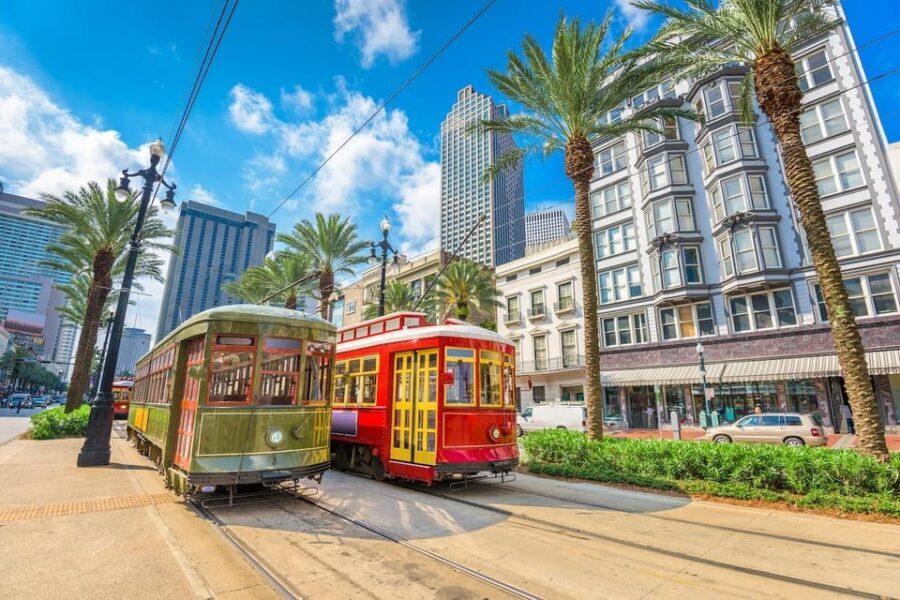
What makes this tour different isn’t only what you see—it’s how you hear it. The guide is a licensed tour guide and is described as a descendant of founding families to this area. That’s not a small detail. It changes the tone.
The tour’s core promise is that the guide tells history through the words of their own ancestors and speaks from recent history firsthand when possible. That style tends to do two things:
- It makes the past sound less like a textbook.
- It gives you names, voices, and a sense of continuity instead of just dates.
You may hear from guides such as Angela, Charmaine, or DeAnna—and the common theme in their style is that they stay engaging the whole way. One guide experience stood out for having nonstop anecdotes and stories that kept interest from slipping, even when the Quarter was crowded.
If you’re worried about feeling lectured, don’t. This is built around conversation. You’ll get explanations, then you’ll look at the street again with a new mental map.
What You’ll Do at Each Stage of the Walk (and What to Watch For)
Because this is a walking tour with multiple stops, it helps to know what each phase is likely to deliver.
Early walk: the setup and the big picture
At the start near the U.S. Mint, you’ll get the “why” of the neighborhood. This is where the guide connects the Quarter’s cultural mix—Native Americans, enslaved people, French, Spanish, Creole, and mixed-race communities—to what you’re about to see.
What to watch for: street layout and building frontages. Early context makes later architecture easier to interpret.
Mid-walk: landmarks and architectural evidence
As you move through the Quarter, you’ll focus on Spanish and French architecture and the very old buildings that still define the streetscape. This is where you’ll likely hear the strongest “look closely” directions—what part of a structure matters, and what it suggests about how people lived.
What to watch for: details above eye level, and how buildings meet the street.
Late walk: cultural milestones and the river
Toward the later part of the walk, the story turns toward cultural development—jazz, Mardi Gras, cocktails, cuisine—and then grounds everything with the Mississippi River and how it shaped survival and growth.
What to watch for: you’ll probably feel the tour shift from “what happened” to “why this city is built this way.”
Finish: direction, suggestions, and beignets
The tour ends in the vicinity of 848 Decatur Street, near Café Du Monde. That’s not accidental. Finishing there gives you a logical place to reset, grab a snack, and get advice on where to go next.
I like ending near a busy, recognizable landmark because it makes it easier to continue your day without guessing.
Price and Value: What $30 Buys for a 2-Hour Tour
At $30 per person for a 2-hour walking tour, the best way to judge value is what’s included: a licensed guide, long-lived neighborhood landmarks, and stories that are tied to the guide’s own family connection.
You’re also not just paying for movement. You’re paying for interpretation—how the guide links architecture, cultural overlap, and major historical themes like jazz, Mardi Gras, legalized prostitution, floods and hurricanes, and even original cuisine.
If you’re a first-time visitor, that kind of guided meaning can save hours of wandering with no payoff. If you’ve been to New Orleans before, you might still enjoy the change in angle: instead of recycling the same photo stops, the tour’s emphasis is on culture and context through stories.
In short: for a couple hours of expert-led walking in one of the world’s most story-dense neighborhoods, $30 can feel fair—especially when the guide keeps things moving and entertaining.
Best For Who: First-Time Visitors and People Who Like Meaning
This tour fits best if you:
- want the French Quarter explained with culture and context, not just highlights
- like walking tours where architecture becomes a clue, not just a backdrop
- enjoy hearing history told in a human way by someone with local roots
It’s also a good choice if you’re trying to get your bearings early. The end near Café Du Monde gives you a natural next step once you’re done.
If you’re only interested in architecture photos and don’t want any discussion of adult history, this might not be your ideal match.
When Crowds or Events Change the Route: Plan for Flexibility
One practical reality of the French Quarter is that it can get blocked off. A Jazz Fest day can mean crowds and closures that affect what you can see. In that case, the guide may adjust the walk so you still get a strong experience, but you might miss a few stops.
So here’s my advice: if you’re visiting during major events, keep your schedule forgiving and accept that no walking tour can guarantee an identical route in every crowd condition. The payoff is still there, because the tour’s storytelling approach helps you understand what you did see.
Should You Book This French Quarter History Walking Tour?
I think you should book this tour if you want a guided walk that goes beyond postcard corners. The mix of Spanish and French architecture, major landmarks like St. Louis Cathedral, time connected to the Mississippi River, and big cultural topics like jazz, Mardi Gras, and legalized prostitution makes for a well-rounded understanding of the Quarter.
Also, I like that you’re not left alone after the walk. Ending near Café Du Monde with recommendations helps you turn the experience into a plan for the rest of your day.
Skip it only if you strongly prefer tours that avoid adult-history content or if you only want long, unhurried stop time for photos. For most visitors who want the Quarter explained in a compact, two-hour format, this is a solid choice.
FAQ
How long is the French Quarter History walking tour?
It lasts 2 hours.
How much does the tour cost?
The price is $30 per person.
Where do I meet the guide?
You meet at the bottom of the concrete steps at 768 Decatur St.
Where does the walk begin?
The tour begins at 400 Esplanade Avenue in front of the U.S. Mint.
Where does the tour end?
It ends near 848 Decatur Street, close to Café Du Monde.
What will I learn about during the tour?
You’ll hear stories about the cultural mix that shaped the French Quarter, including French, Spanish, Creole, Native Americans, and enslaved people. You’ll also cover topics like jazz, Mardi Gras, legalized prostitution, cuisine, early cocktails, and natural disasters like floods and hurricanes.
Does the tour include specific landmarks?
Yes. You’ll see or visit places including St Louis Cathedral and viewpoints connected to the Mississippi River.
Is the guide a licensed professional?
Yes, the tour includes a licensed tour guide.
What language is the tour in?
The tour is in English.
What should I bring?
Bring comfortable shoes and water.
Is cancellation allowed?
Yes. Free cancellation is available up to 24 hours in advance for a full refund.