REVIEW · NEW ORLEANS
French Quarter walking Food Tour: Signature Tastes of New Orleans
Book on Viator →Operated by Tastebud Tours · Bookable on Viator
There’s nothing like walking off gumbo smell. This French Quarter tour strings together classic Creole, Cajun, and French-leaning flavors with quick stops at historic corners, so you get food and stories in one 3-hour loop. You meet near the French Market, and you start with the mindset of snack-hunting—come hungry and ready to wander.
I love that the tastings add up to a satisfying lunch, not a few token bites. I also like that you’re with a real guide, and names like Roger and Charles pop up in guide praise for clear food-and-place storytelling that helps you move through the Quarter with confidence.
One thing to consider: you’re walking on cobblestones and uneven sidewalks, and several guests noted that the pace can be brisk. If you have mobility issues or bad knees/hips, plan for slower moments—or consider a sit-down option instead.
In This Review
- Key things that make this tour worth your afternoon
- French Quarter walking food tours: why this one starts near the French Market
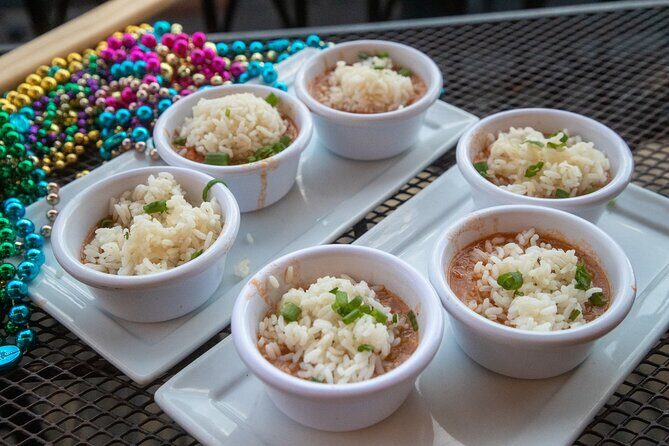
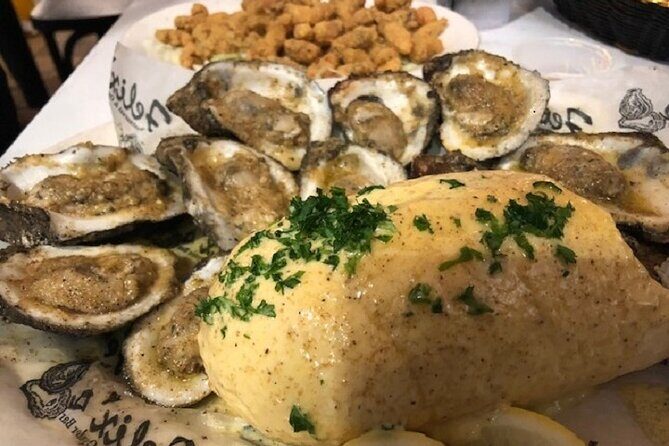
- What you’ll actually eat: gumbo, jambalaya, Cajun favorites, and pralines
- Stop-by-stop route: from French Market eats to Royal Street sweets
- Stop 1: French Market
- Stop 2: Laura’s Candies
- Stop 3: Bourbon Street
- Stop 4: St. Louis Cathedral
- Stop 5: Royal Street
- Stops that return you through Bourbon Street again
- Stop 7: New Orleans Creole Cookery
- Stroll segments through the French Quarter
- Why the guide matters so much: Roger, Charles, Reagan, and the storytelling effect
- Price and value: what $85 buys you in a city that loves add-ons
- The walking reality: cobblestones, crosswalk moments, and pace
- Alcohol-to-go for 21+: how it fits (and what to watch)
- Who this tour suits best (and who should look elsewhere)
- Final take: should you book Signature Tastes of New Orleans?
- FAQ
- Where does the tour start?
- How long is the tour?
- How much does it cost?
- Are all food tastings included?
- Is alcohol included?
- Can you accommodate dietary restrictions like gluten-free or vegetarian?
- What kind of food should I expect?
- Does the tour operate in bad weather?
- How many people are in the group?
- Is the tour recommended if I have walking limitations?
Key things that make this tour worth your afternoon
- Five included tasting stops that are designed to function as lunch
- Pralines from Laura’s Candies, a classic sweet stop on Royal Street-area streets
- Guide-led history at actual corners, not just facts dumped on you
- To-go drinks for adults (21+), so you can keep moving without losing the vibe
- Small group size (max 16), which helps the pacing and listening experience
French Quarter walking food tours: why this one starts near the French Market
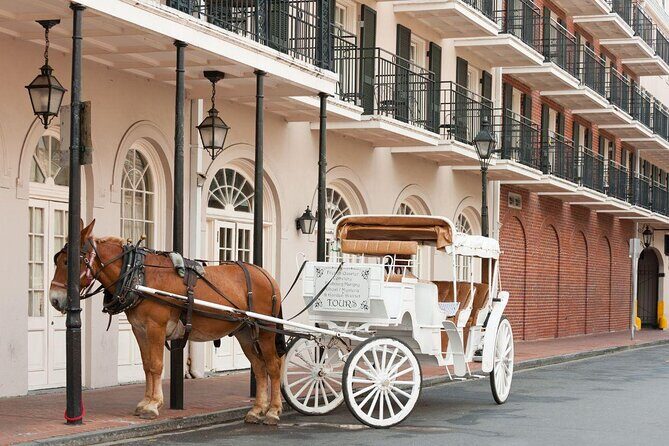
The French Quarter can feel like sensory overload. Music, bars, horse-carriage clatter, and that smell from every direction make it fun, but also easy to wander without a plan. This tour solves that with a simple structure: you begin near the French Market area, then follow a guided route through some of the Quarter’s most recognizable streets and landmarks.
Meeting near 816 Decatur St also helps. You’re not chasing a far-off hotel pickup, and you’re already in the part of town where walking makes sense. The tour runs about 3 hours in the afternoon, which is ideal if you want one “anchor experience” while the rest of your day stays flexible for shopping, wandering, or a second dinner.
And the tour’s whole premise is lunch-by-walking. You don’t just sample one item and call it a day. You get multiple tastings that are described as enough for a full midday meal, which matters because French Quarter walking plus hunger is a rough combo.
You can also read our reviews of more walking tours in New Orleans


What you’ll actually eat: gumbo, jambalaya, Cajun favorites, and pralines
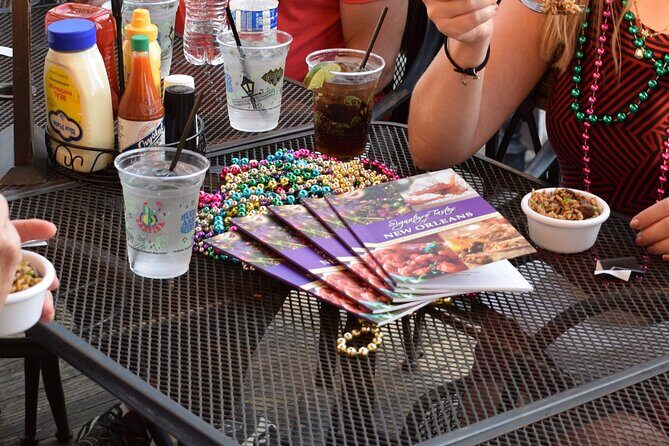
Here’s the menu frame you can count on, even if the exact versions shift by day:
- Starter: Gumbo
- Main: Jambalaya
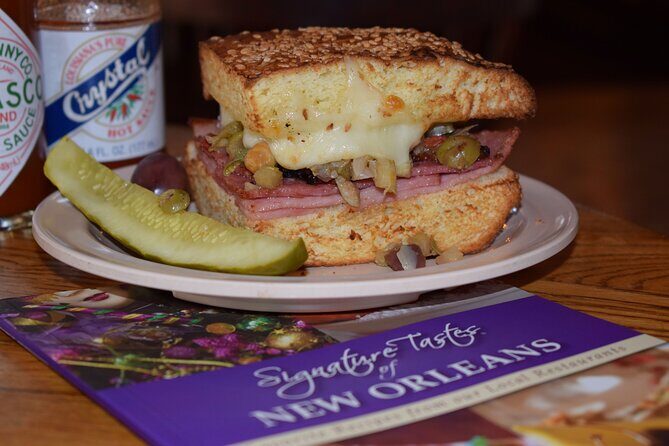
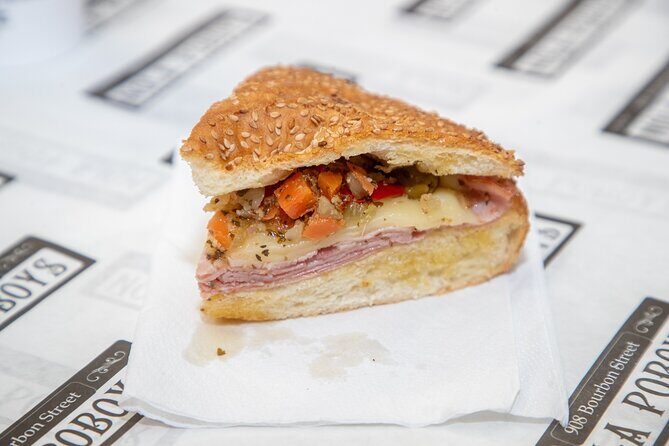
- Main: Cajun favorites (the specific plates can vary)
- Dessert: Pralines
That combination is not accidental. Gumbo and jambalaya are two of the most “New Orleans” comfort-food anchors you can try without getting too complicated. They’re also great for tasting how Creole and Cajun influences show up in texture and seasoning. One place leans richer and darker; another might emphasize spice and stock balance. Your guide should connect those differences to local cooking history and the ingredients behind the scenes.
Then comes the sweet part: pralines from Laura’s Candies. If you’ve ever wondered why New Orleans pralines taste like they do—sweet, nutty, and just a little old-fashioned—that candy-store stop is a big part of the tour’s identity. It also gives you a natural “reset” in the middle of the walk, which helps when the day’s heat or humidity is doing its thing.
One more practical point: the tour is advertised as having no gluten-free or vegetarian options, and it notes that substitutions for dietary restrictions aren’t available. So if your diet requires swapping ingredients, you’ll want to plan another way to enjoy the Quarter’s food scene.
Stop-by-stop route: from French Market eats to Royal Street sweets
Even with a “walking food tour” label, the real value is how each stop changes your day. Some places are about iconic flavor; others are about setting the mood and getting you oriented.
Stop 1: French Market
This is where you start, and it’s a smart place to kick things off. The French Market area is active, central, and easy to recognize. You’re also already in a neighborhood where local vendors and classic institutions sit side by side. Starting here helps you understand the Quarter as a working food place, not just a postcard.
Stop 2: Laura’s Candies
Sweet stop time. Pralines are not just dessert here; they’re part of the Quarter’s food identity, and Laura’s Candies is positioned as an origin-style stop on the route. Expect something sticky-sweet and nutty, and don’t be shy about pacing yourself—this is your midway mood shift.
You can also read our reviews of more food & drink experiences in New Orleans


Stop 3: Bourbon Street
You’ll see Bourbon Street up close, but you’re not just passing it as a party street. The guide uses the walk to explain why these streets exist and how the Quarter’s history shaped what people eat and where they gather. Bourbon Street can be loud, so if your group needs a quieter listening experience, the guide will likely weave in information during calmer stretches rather than right in the densest crowd.
Stop 4: St. Louis Cathedral
This stop gives you a sense of scale and gravity. You’re moving from snack energy to “look up and around” energy. For me, this is the kind of pause that makes a food tour feel like more than eating: it connects your lunch to the city’s layout and the religious-and-cultural centers around which neighborhoods developed.
Stop 5: Royal Street
Royal Street is all about crafts, galleries, and that slower pace of strolling. It’s also where the tour’s sweet-and-savor rhythm fits nicely. Even if you’re not shopping, the walk through this area makes it easier to picture how locals moved through markets, streets, and daily life.
Stops that return you through Bourbon Street again
Your itinerary includes Bourbon Street more than once. That sounds odd on paper, but it can work in practice: it lets the guide point out different corners, different storefront rhythms, and different ways the street’s vibe changes block by block. It also keeps you from feeling like you’re skipping the “famous street” experience.
Stop 7: New Orleans Creole Cookery
By the time you reach this later stop, you’ve already had a flavor foundation. A classic Creole Cookery stop is where your lunch ties together. If your gumbo and jambalaya earlier felt like baseline classics, this is the part of the tour where other Cajun favorites and regional comfort details can show up.
Stroll segments through the French Quarter
The later “French Quarter” and “New Orleans” stops are essentially walking time plus short storytelling. Think of these as the in-between glue—when you’re not eating, you’re learning how to read the place.
Why the guide matters so much: Roger, Charles, Reagan, and the storytelling effect
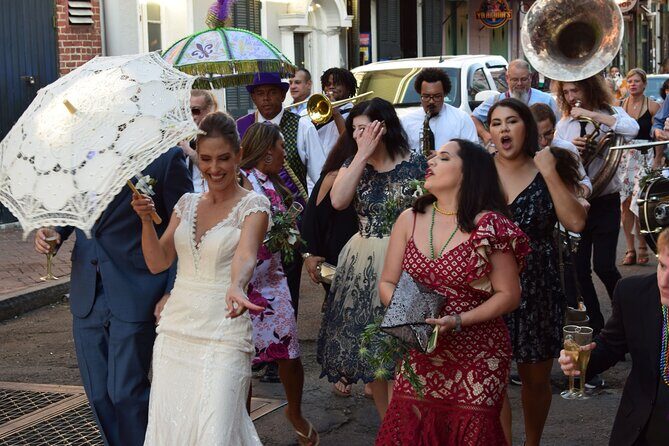
This tour succeeds or stumbles based on the guide’s pace and storytelling. The most praised guides in the guide-name mentions—Roger and Charles especially—are credited with mixing friendly conversation with concrete food history. That matters because New Orleans food isn’t just “what tastes good.” It’s why certain dishes use certain techniques and why those techniques spread.
You’ll also see praise for guides like Reagan and Kimberly for being fun, helpful, and full of food history tied to what you’re eating. Another named guide, Richard, is described as knowledgeable and entertaining, with tidbits that people found easy to enjoy. Lyndel also gets called out for being exceptional, which typically means strong pacing and a good balance between walking directions and group engagement.
Here’s what I’d take from that, as advice for you: if you’re the kind of traveler who likes food but also wants context, choose the tour time that fits your energy level. An afternoon walk can be great, but only if your guide keeps the group together and doesn’t rush the story stops.
Price and value: what $85 buys you in a city that loves add-ons
$85 per person sounds steep until you translate it into what you get. This tour is about 3 hours, includes multiple stops, and the tastings are described as enough for lunch. You’re not paying only for food—you’re paying for the route, the guide, and the coordination that gets you into a sequence of classic stops without building the plan yourself.
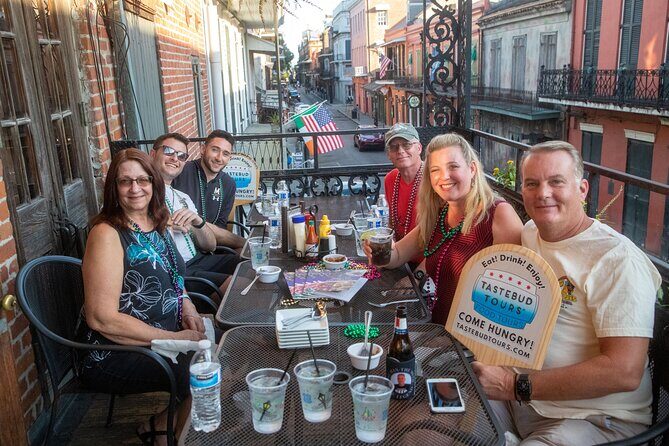
Also, the tour is capped at a maximum of 16 people. A smaller group usually makes it easier to hear the guide, make it through crosswalks, and avoid the “everyone disperses” chaos. Several comments about enjoying the route and ending the tour knowing the area better suggest that the structure is doing its job.
One caution on value: there are mixed notes about food variety and the number of stops on some versions of the experience. Some guests wanted more stops and smaller portions, and others felt the quality didn’t hit their personal high bar for jambalaya and po-boys. That doesn’t mean the tour is bad; it means you should book it expecting classics and comfort-food hits, not gourmet surprises at every stop.
The walking reality: cobblestones, crosswalk moments, and pace
New Orleans sidewalks are not smooth. In the French Quarter you’ll deal with cobblestones, uneven pavement, cracks, and potholes. The tour notes call for moderate physical fitness, and that lines up with what you should expect.
A few practical tips if you go:
- Wear supportive shoes with grip. No dressy sandals.
- Plan for a steady walking pace. This isn’t a sit-and-sip tour.
- If you know your limits, consider arriving with a plan for breaks, and don’t assume there will be slowdowns built in.
Pacing is the other factor. Some guests praised the tour guide’s ability to keep things moving while explaining stories. Others mentioned that the group pace could be fast, and that not everyone kept up comfortably. That’s why small-group size matters—it can help, but it doesn’t erase the physical terrain.
If you have mobility constraints, you might want to choose a different format that’s less dependent on long stretches of uneven sidewalk.
Alcohol-to-go for 21+: how it fits (and what to watch)
Alcohol is not included. Adults can purchase drinks to-go during the tour, using provided to-go cups. That’s a clever compromise for a walking day: you can keep the experience moving without stopping at every bar for a full sit-down.
Two tips if you plan to buy:
- Pace your drink with your tastings. You’ll be tasting multiple dishes close together.
- Bring water mindset, even if the to-go cup is involved. Heat plus walking can sneak up on you.
Also, since alcohol purchase is optional, the tour is still workable if you’re drinking nothing. Just expect the vibe to be lively at street-facing stops like Bourbon Street.
Who this tour suits best (and who should look elsewhere)
This is a good match if you:
- Want a one-afternoon plan that blends food and place stories
- Like classic New Orleans dishes such as gumbo and jambalaya
- Prefer guided wandering over building your own restaurant hopping route
- Enjoy sweet stops as part of the meal rhythm (pralines are a clear highlight)
It might be a mismatch if you:
- Need vegetarian, vegan, or gluten-free options, because substitutions aren’t offered
- Have limited mobility or struggle on cobblestone and uneven sidewalks
- Want lots of tiny samples across many stops. Some versions are described as having fewer stops than guests wanted, and a few meals felt repetitive to certain palates
If you’re a very picky eater, you’ll still find enough variety through the “gumbos and mains and sweets” structure, but it won’t be customized for major dietary restrictions.
Final take: should you book Signature Tastes of New Orleans?
I’d book this if you want an organized French Quarter afternoon that actually gets you fed and teaches you how the neighborhood connects to what’s on the plate. The biggest strength is the combo of five included tastings plus a guide who turns street corners into food context. The praline stop at Laura’s Candies is a clear win, and the small group size usually keeps the whole thing from feeling like a chaotic food stampede.
I wouldn’t book if you need dietary substitutions or if uneven walking is a deal-breaker. And if you’re the type who expects five-star variety at every bite, know that this tour leans toward classic comfort-food hits, not constant reinvention.
If your goal is a satisfying lunch with real French Quarter orientation, this is a solid choice.
FAQ
Where does the tour start?
The meeting point is 816 Decatur St, New Orleans, LA 70116, and you meet near the French Market area.
How long is the tour?
It runs about 3 hours (approx.).
How much does it cost?
The price is $85.00 per person.
Are all food tastings included?
Yes. The tour includes tastings at five different spots, and they are included in the ticket price.
Is alcohol included?
No. Alcoholic drinks can be purchased during the tour by adults using to-go cups.
Can you accommodate dietary restrictions like gluten-free or vegetarian?
No. The tour states there are no gluten-free or vegetarian options, and it also notes that it cannot substitute food for dietary restrictions or lifestyles.
What kind of food should I expect?
You can expect classic New Orleans flavors such as gumbo, jambalaya, Cajun favorites, and pralines. The exact menu can change.
Does the tour operate in bad weather?
It operates in all weather conditions unless it is dangerous. If it’s canceled due to poor weather, you’ll be offered a different date or a full refund.
How many people are in the group?
The tour has a maximum of 16 travelers.
Is the tour recommended if I have walking limitations?
It requires a moderate physical fitness level. The French Quarter involves walking on cobblestones and uneven sidewalks.