REVIEW · NEW ORLEANS
The Premier New Orleans Food Tour
Book on Viator →Operated by The Premier New Orleans Food Tour · Bookable on Viator
This is the easiest way to start eating like a local. The Premier New Orleans Food Tour pairs classic French Quarter dishes with real, on-the-walk explanations of how Creole and Cajun food developed, plus smart pointers for what to order later. I especially like the small group size (up to 12) because it keeps the pace relaxed and the guide’s attention personal. One thing to plan for: the tour can feel slower during peak crowds when restaurants are packed and you’re waiting for tables or service.
Over about three hours, you’ll sample enough food that dinner plans usually get put on hold. From gumbo and crawfish étouffée to jambalaya, muffuletta, and red beans and rice, you’re not just tasting flavors, you’re seeing how New Orleans “builds a meal” across different traditions. I also like the way it ends with a proper sweet stop (pecan pralines), so you finish with something distinctly New Orleans, not just a sugar afterthought.
In This Review
- Key Points Before You Go
- Where You Meet and How the Tour Starts on Decatur
- The 3-Hour French Quarter Pace (And Why Waiting Can Happen)
- What You Actually Taste: The Sample Menu and How It Fits Together
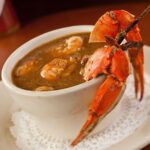
- Gumbo and Crawfish Étouffée: The Warm-Up That Sets the Tone
- Red Beans and Rice: The Weekday Legend
- Jambalaya: One Pot Energy
- Muffuletta and the Sicilian Connection
- Po’boy: The Everyday Favorite
- Creole vs Cajun Lessons That Actually Change What You Order
- The Guides: Naïf, Heidi, and the Team Style
- Food Stops, Sit-Downs, and That French Quarter Timing Problem
- Ending at Tujague’s and Finishing With Pecan Praline
- Price and Value: What $81 Buys in New Orleans
- Practical Tips That Make the Day Easier
- Who Should Book This Food Tour
- Should You Book the Premier New Orleans Food Tour?
- FAQ
- What is the duration of The Premier New Orleans Food Tour?
- Where does the tour start and end?
- What time does the tour run?
- How much does the tour cost?
- Is the tour offered in English?
- How many people are in a group?
- What is included in the price?
- Are drinks included?
- Does the tour run in bad weather?
- Can I cancel for free?
Key Points Before You Go
- Small group, up to 12 people for a more relaxed walk and time for questions
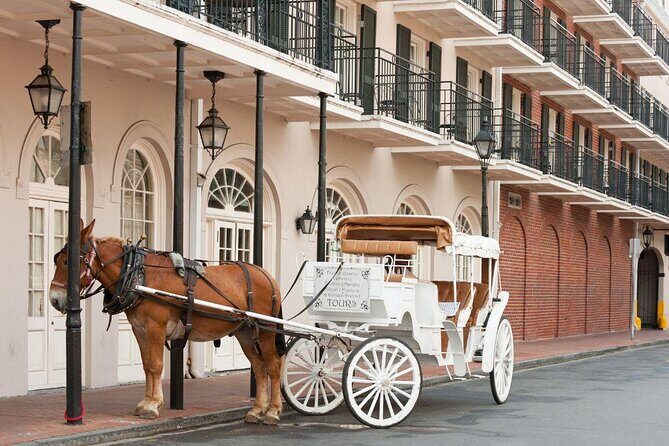
- French Quarter route with short blocks and moderate walking, so it stays doable
- Creole vs Cajun explained while you eat (not in a classroom vibe)
- Multiple iconic dishes plus dessert without having to plan or book separate meals
- Licensed local guides who connect food choices to neighborhood context
- Mobile ticket and English tour makes it straightforward to join
Where You Meet and How the Tour Starts on Decatur
The tour meets at Market Cafe, 1000 Decatur St, and it kicks off at 1:00 pm. You’ll end at Tujague’s, 429 Decatur St, which is a nice way to wrap up your afternoon in a place that feels like part of the city’s dining story.
In practice, that start-and-finish setup matters more than it sounds. The French Quarter can be a maze if you’re winging it, and you’ll save time by letting the guide keep you oriented. You also get a built-in “center of gravity” for your day: you’re starting from a known spot and finishing at a major restaurant address you’ll actually remember later when you’re deciding what to do next.
One more practical point: wear comfortable shoes. The tour includes a moderate amount of walking, and while the blocks are short, they still add up when you’re moving in and out of multiple restaurants.
You can also read our reviews of more food & drink experiences in New Orleans

The 3-Hour French Quarter Pace (And Why Waiting Can Happen)
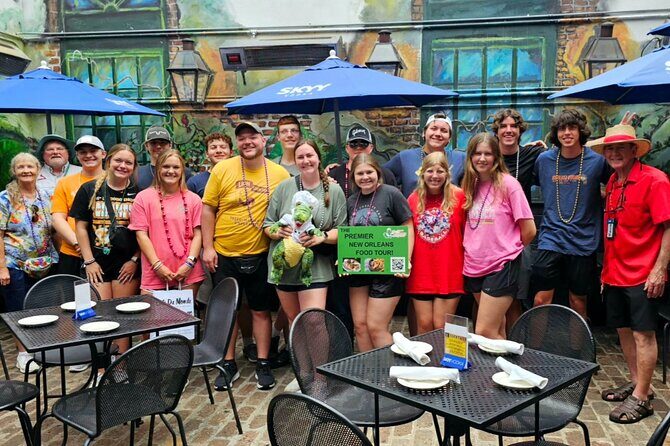
This is about three hours of tasting and walking, and it’s designed for a relaxed pace. The route stays in the French Quarter, so you’re not doing long travel days in between stops. You’ll also be in a group of up to 12, which tends to keep transitions smoother and gives you more chances to ask questions.
Now, here’s the tradeoff. During the busiest stretches, restaurants are crowded, and time can stretch a bit while you wait to be seated or served. That’s not the tour trying to stall you; it’s just how New Orleans restaurant timing works when the Quarter is full and kitchens are slammed.
If you’re the type who hates any downtime, come with the right expectation: this is a sit-down-heavy food walk, not a sprint where everything is grab-and-go.
What You Actually Taste: The Sample Menu and How It Fits Together
The food lineup is the real star here. The sample menu includes starters, mains, and dessert, and while dishes can change, the tour is clearly built around classic New Orleans comfort food.
You can expect tastings that look like this:
- Starter: Gumbo
- Starter: Crawfish étouffée
- Starter: Red beans and rice
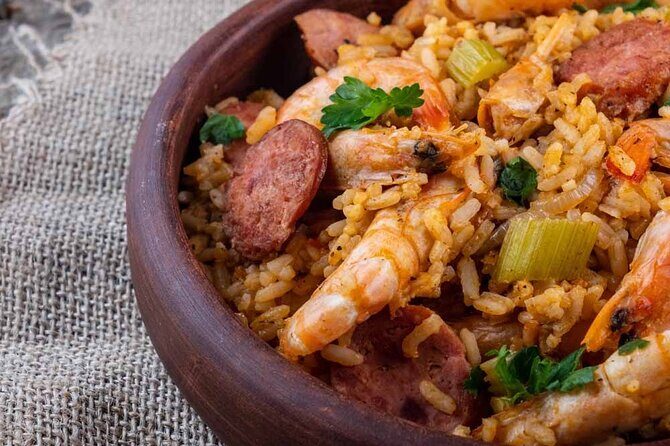
- Main: Jambalaya
- Main: Muffuletta sandwich
- Main: Po’boy sandwich
- Main: Seafood or classic étouffée
- Dessert: Pecan praline
Gumbo and Crawfish Étouffée: The Warm-Up That Sets the Tone
Gumbo is the kind of dish New Orleans serves with pride, and this tour uses it as a starting point to explain what makes it more than just a stew. Then comes crawfish étouffée, which helps you connect the dots between thick, savory sauces and that New Orleans habit of serving hearty food over rice.
A useful thing I like about this kind of sequencing: you’re not bouncing between random items. You’re tasting variations of a theme, so when the guide explains differences in the cooking styles, it actually lands.
Red Beans and Rice: The Weekday Legend
Red beans and rice is treated like a New Orleans favorite for good reason, and you’ll likely taste it as a starter here. This is the dish that teaches you how New Orleans meals can be both practical and flavorful, with a clear sense of what locals reach for repeatedly.
You can also read our reviews of more tours and experiences in New Orleans

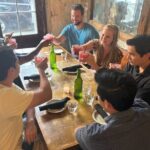


Jambalaya: One Pot Energy
Jambalaya is another “this is how New Orleans feeds people” dish. You’ll get it as a main tasting, and it pairs well with the earlier stew tastes because the flavors keep building instead of resetting.
One thing that comes up in the explanations: the guide may point out how Cajun dishes are often associated with one-pot cooking and how many dishes, Creole and Cajun alike, show up with rice. That framing helps you understand why so many plates in town share that same rice-and-sauce structure.
Muffuletta and the Sicilian Connection
The muffuletta is where the tour gets especially fun. It’s described as heavily Sicilian-influence, and you taste it in a way that’s more than “try a sandwich.” It’s a lesson in New Orleans being a city of overlapping cultures, where different communities shaped the foods people stuck with.
If you like sandwiches with real heft, this one is often the kind of stop people remember.
Po’boy: The Everyday Favorite
The Po’boy tasting gives you that street-level New Orleans comfort. After the gumbo and rice dishes, it’s a satisfying change of texture, and it’s also easier to imagine ordering again later.
Creole vs Cajun Lessons That Actually Change What You Order
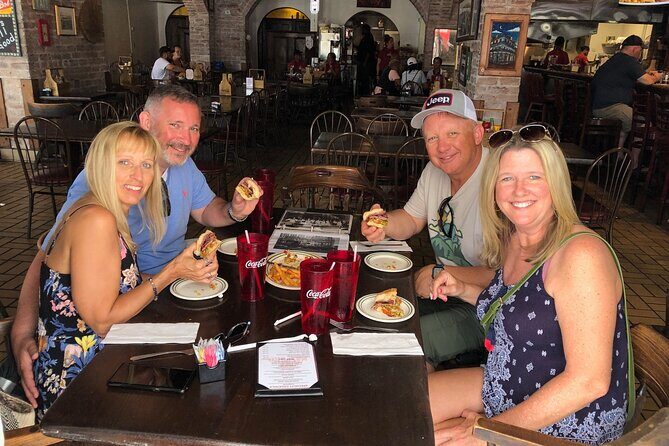
A big promise of the tour is that you’ll learn the difference between Creole and Cajun dishes. The best part is how it’s tied to what you’re tasting right in the French Quarter, so it doesn’t feel like random trivia.
From the way the guide explains these food roots, you’ll walk away with a simple mental checklist:
- Many dishes share the same rice-and-sauce structure
- Cajun cooking is often associated with one-pot styles
- Creole food develops from French Quarter and broader influences, and the guide connects that story to the plates you’re eating
You don’t need a food degree. You just need context so you know what you’re tasting and why it’s familiar.
And you’ll also leave with a bunch of ordering instincts. Even if you’re tired after all the food, you’ll still be better equipped to pick dishes that match your tastes instead of ordering the first thing with the fanciest description.
The Guides: Naïf, Heidi, and the Team Style
The guide experience seems to vary a bit by day, but there’s a consistent theme: people remember the guide for the food stories and the way the tour stays friendly.
Naïf is one of the names that shows up repeatedly. He’s described as upbeat, entertaining, and very grounded in local detail. One standout note from a past tour: Naïf used maps and other artifacts to help explain the culinary history and the roots of Creole and Cajun culture. If you like stories you can visualize, that kind of teaching style helps.
Heidi is another guide people mention often, with feedback focused on enthusiasm and good group handling. On her tours, the experience is described as smooth, with adjustments made when needed, plus plenty of time to ask questions.
There have also been a few softer notes. Some people felt a guide was harder to hear, or that the pace included too much waiting. Those aren’t deal-breakers for most folks, but they’re a good reminder to choose your mindset: this is a guided sit-down tasting walk, not a silent tasting menu.
Food Stops, Sit-Downs, and That French Quarter Timing Problem
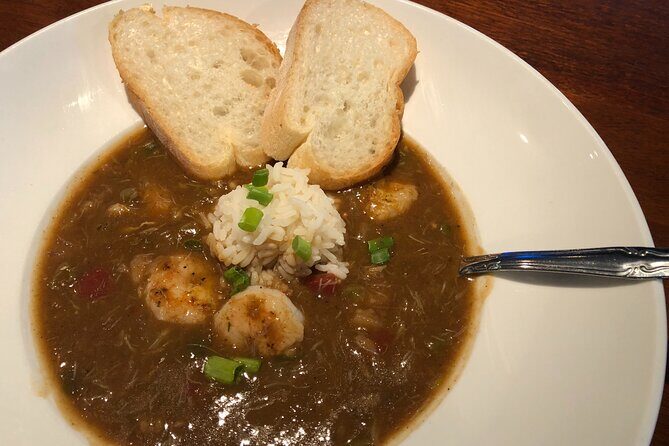
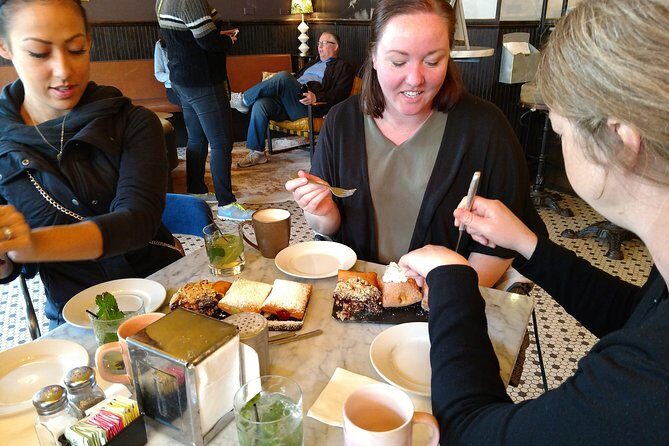
The tour visits multiple historic restaurants, and you should expect a mix of walking and eating in actual dining spaces. Some diners describe several sit-down moments across the afternoon.
That structure is part of why it feels like more than a “snack tour.” You get to slow down, eat properly, and talk with your guide. But it also explains why some tours can feel slower at peak times. If every restaurant is full, your group might spend more time transitioning and waiting than you’d like.
If your goal is speed, this probably won’t satisfy. If your goal is understanding and eating a lot of classics without planning meal by meal, it’s a strong fit.
Ending at Tujague’s and Finishing With Pecan Praline
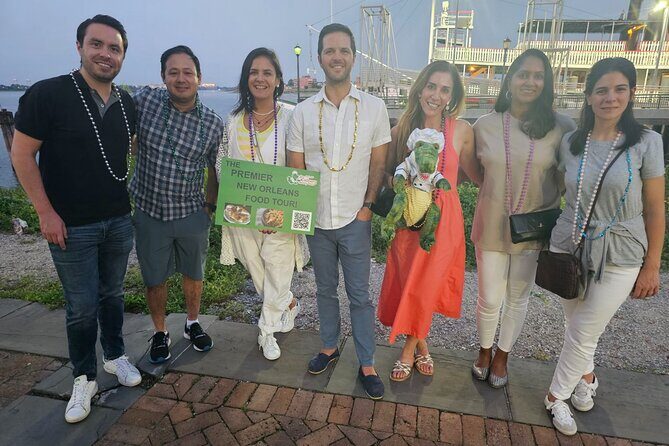
The tour finishes at Tujague’s, which gives your afternoon a clean ending point. Ending at a well-known restaurant also makes it easier to plan after the tour, since you’re not wandering without a reference.
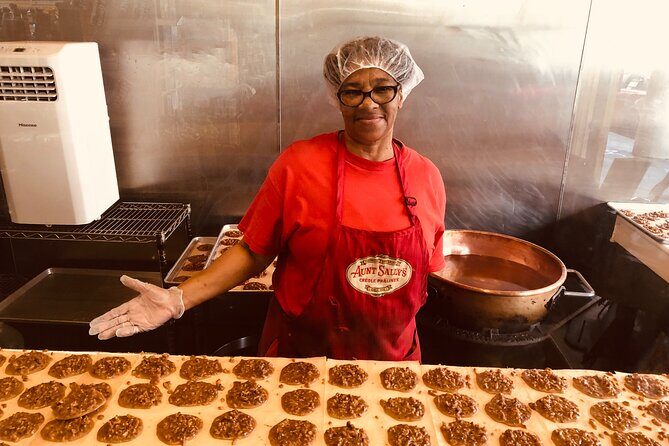
Dessert is pecan praline. In some cases, the tour may include a quick stop related to pralines, including packaged options described as boxed praline pickup. Either way, the sweet finish matters here because it ties the tour into a New Orleans tradition you’ll see referenced across menus and stores.
This is also one of the “last bites” that makes it easy to keep your energy up. Even if you’re stuffed, praline is a different kind of payoff than another savory plate.
Price and Value: What $81 Buys in New Orleans
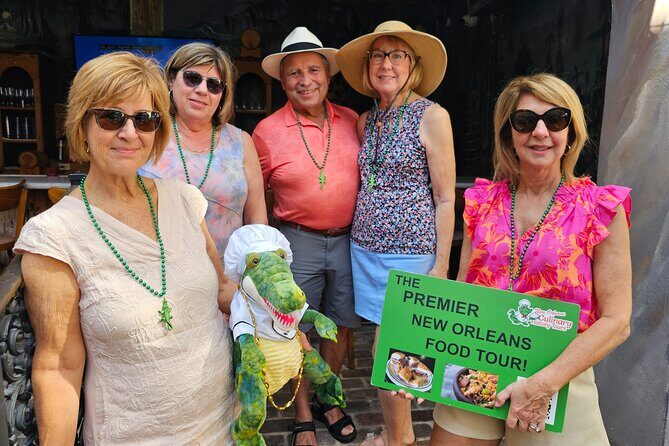
At $81 per person, you’re paying for more than food. You’re buying:
- all food samplings
- a licensed local guide
- a planned route that keeps you in the French Quarter
- the context to understand what you’re tasting
Alcohol is not included, and gratuities are optional but appreciated. So think of this as a well-structured tasting plan where your main cost is the tour price, and anything drink-related becomes optional extras you choose along the way.
Is it worth it? For me, the value hinges on two things:
1) You’re eating multiple classic dishes instead of paying full price for each one separately.
2) You’re getting guide explanations that help you “translate” the food, which you can then use for future meals.
If you like to eat well but you hate spending time deciding where to start, this format does that work for you. The tour also works nicely as an early-trip activity, so you come out knowing what to order on your next night out.
Practical Tips That Make the Day Easier
Here’s how to set yourself up for success.
- Show up hungry. You’re sampling multiple courses, not just taking a bite.
- Wear comfortable shoes. The walking is moderate, but you’ll be on your feet.
- Bring a small umbrella. The tour runs rain or shine, and New Orleans weather can change fast.
- Plan around alcohol being extra. You can buy drinks along the way, but they aren’t part of the included tastings.
- Add dietary needs early. The tour can accommodate dietary restrictions, and you add them in the special requirements field at checkout (or contact after booking).
Also, because you’re in the French Quarter and dining in small spaces, keep an eye on group dynamics. Some people notice things like direct eye contact or guide volume preferences. If you’re sensitive to that sort of thing, pick tours based on the vibe you want: friendly and storytelling-focused tours can be personal.
Who Should Book This Food Tour
This tour is ideal if you:
- want a classic New Orleans food sampler without meal planning
- enjoy food history stories tied directly to what you’re eating
- want a small group experience in the French Quarter
It’s also a good match for couples, families, and history-minded foodies who like questions and conversation. People mention that the experience feels relaxed and that there’s time to chat.
It may be less ideal if you:
- hate waiting around for sit-down service during busy times
- want a very fast, grab-and-go tasting route
- need a quieter guide style where you don’t have to lean in to hear stories
Should You Book the Premier New Orleans Food Tour?
If you’re visiting New Orleans and you want to get your bearings fast in the culinary side of the city, I’d book this. The tour’s structure is simple: you eat a set of core dishes, you learn what makes them New Orleans, and you finish with pralines and a helpful list of what to order next.
I’d especially book it if you’re the type who likes to learn by doing. The guide stories are tied to the food, not floating above it. And with a group capped at 12, you’re not stuck in a cattle-car tour.
Just go in with one honest expectation: during crowded periods, timing can be slower because restaurants are packed. If you plan your afternoon with that in mind, you’ll enjoy the long sit-down flavor education instead of getting irritated by it.
FAQ
What is the duration of The Premier New Orleans Food Tour?
It lasts about 3 hours.
Where does the tour start and end?
It starts at Market Cafe, 1000 Decatur St, New Orleans, LA 70116 and ends at Tujague’s, 429 Decatur St, New Orleans, LA 70130.
What time does the tour run?
The start time is 1:00 pm.
How much does the tour cost?
The price is $81.00 per person.
Is the tour offered in English?
Yes, it’s offered in English.
How many people are in a group?
The tour has a maximum of 12 travelers.
What is included in the price?
You get all food samplings, a local professional licensed tour guide, and help with dietary restrictions if you add them during checkout.
Are drinks included?
Alcoholic drinks are not included. They’re available to purchase along the way.
Does the tour run in bad weather?
It runs rain or shine. If severe weather causes cancellation, you’ll be notified two hours ahead.
Can I cancel for free?
Yes. You can cancel up to 24 hours in advance for a full refund. Changes made less than 24 hours before the start time aren’t accepted.