REVIEW · NEW ORLEANS
Historic Carrollton Neighborhood Walking Tour
Book on Viator →Operated by Two Chicks Walking Tours · Bookable on Viator
Carrollton holds stories most tourists miss. This Historic Carrollton Neighborhood Walking Tour trades big monuments for small, specific places where New Orleans history actually lives—starting near la Madeleine and ending on S Carrollton Ave.
I love how the walk turns architecture into a real story you can picture, not just facts on a plaque. I also love the way the licensed guide, Emily, connects everyday neighborhood life to major events. One possible drawback: it is a walking tour, and the experience depends on good weather.
In This Review
- Key things that make this Carrollton walk worth your time
- Starting at la Madeleine: where the tour gives you quick bearings
- Stop 1 at Fischer Park: la Madeleine’s small history lesson
- Uptown and Carrollton architecture: how the street shapes the story
- The “bananas built” house moment: local lore with a point
- Brickyards, dairies, and butchers: the bend near the Mississippi
- World’s Fair vestiges and riverboat captains: Carrollton in the wider New Orleans story
- The guide factor: Emily’s storytelling style and why it works
- Price and time: is $37 for two hours a good value?
- What to expect on the ground: walking comfort and weather reality
- Where you start and where you finish: make it easy to plug into your day
- Who this Carrollton tour suits best
- Should you book this Historic Carrollton Neighborhood Walking Tour?
- FAQ
- How long is the Historic Carrollton Neighborhood Walking Tour?
- What does the tour cost?
- Where does the tour start and end?
- Is this tour available in English?
- Do I need a print ticket?
- How big is the group?
- Is the tour suitable for people who need public transportation access?
- What if the weather is bad?
Key things that make this Carrollton walk worth your time
- Fischer Park stop: the tour starts by tiny green space tied to the neighborhood’s roots
- Memorial trough: an unusual, memorable local landmark you might miss on your own
- Carrollton architecture mix: styles and buildings explained in a way you can spot while walking
- Civil War + Black Pearl connection: one of the tour’s bigger historical threads
- Everyday trades: brickyards, dairies, and butchers along a bend near the Mississippi
- World’s Fair and riverboat captain ties: details that connect Carrollton to wider New Orleans legends
Starting at la Madeleine: where the tour gives you quick bearings
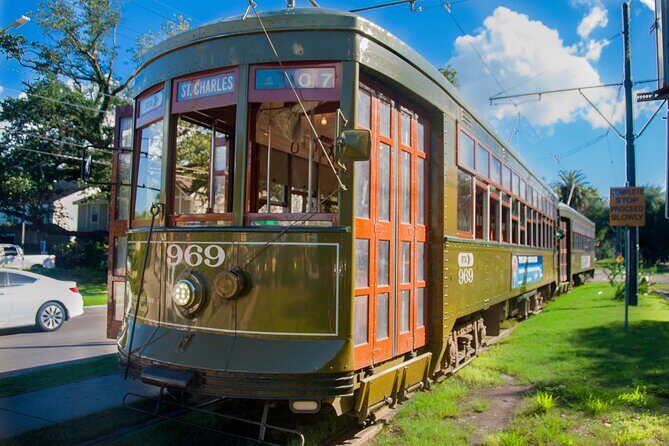
You’ll meet at la Madeleine (601 S Carrollton Ave), right in a spot that’s handy for pre- and post-walk coffee or a bite. This area also keeps you close to neighborhood life, and Oak Street is nearby with the streetcar rolling by—so even before you start walking, you’re already in the rhythm of Uptown and Carrollton.
The tour immediately sets the tone: you’re not just checking off sights. You’re learning how to read a neighborhood as you move through it—who built what, why certain buildings ended up where they did, and how the street scene reflects bigger forces at work in New Orleans.
You can also read our reviews of more walking tours in New Orleans



Stop 1 at Fischer Park: la Madeleine’s small history lesson

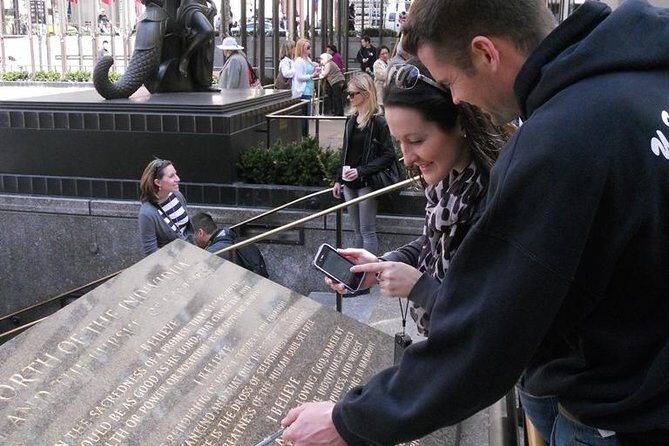
The first stop is tucked near la Madeleine, where your guide points out tiny Fischer Park and a Memorial trough. These are exactly the kind of places that make Carrollton feel personal. On your own, you might walk right past them while thinking you’re simply on the way to somewhere else.
This first segment is also about perspective. The guide frames the area as the cradle of Carrollton, so you start with local grounding instead of big-picture fog. It’s a good opener because it helps you understand why later architecture and neighborhood stories matter.
A practical note: this is one of the shorter, focused moments, so don’t just glance and move. Take a minute here to look closely—small details are where the guide’s explanation lands.
Uptown and Carrollton architecture: how the street shapes the story
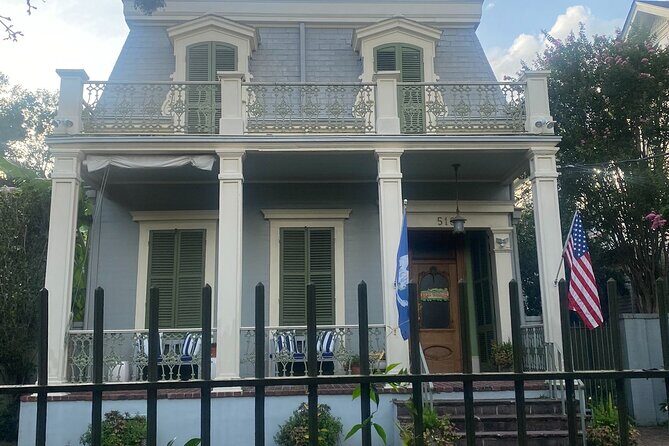
The second stretch is where the tour leans hardest into the neighborhood’s building variety. This part focuses on Uptown/Carrollton and how it holds layers of stories, including railways and a lumberyard past. The goal isn’t to lecture. It’s to show you how the streets and buildings reflect the people and jobs that shaped the area.
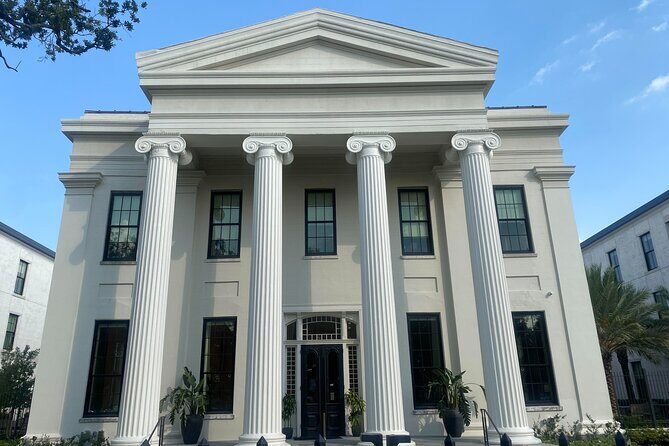
You’ll get explanations about what makes Carrollton an architectural patchwork, with multiple styles represented. That matters because New Orleans architecture can feel overwhelming if you don’t know what to look for. During this walk, you learn how to spot differences while you’re still close enough to the buildings to make the comparison meaningful.
Then the guide pulls in a bigger historical thread: the relationship between the Civil War and the Black Pearl neighborhood. This is one of the more significant moments on the walk, because it connects a specific neighborhood geography to the wider history of the city. It also helps you understand why New Orleans neighborhoods don’t exist in isolation—they’re shaped by movement, conflict, and community survival.
The “bananas built” house moment: local lore with a point
One of the stops includes a house that bananas built. That phrasing is memorable for a reason: it signals that Carrollton history isn’t only about famous names or grand institutions.
This part works best if you’re open to local storytelling. The guide uses quirky specifics like this to point toward larger themes: how business and trade show up in physical places, how money and labor reshape neighborhoods, and how everyday industry can leave a long aftertaste on the streets.
If you like tours that treat local lore as a doorway to context, you’ll probably enjoy this section a lot. If you prefer purely formal or museum-style history, you might find this portion more personality-forward than textbook.
Brickyards, dairies, and butchers: the bend near the Mississippi
As you keep walking, the tour shifts into work-life history. You’ll hear about brickyards, dairies, and butchers connected to the neighborhood near a bend in the Mississippi River. This is valuable because it answers a question people often have when they visit New Orleans: how did the city feed itself and build itself?
The river bend connection helps you picture why certain businesses cluster where they do. It also adds texture to the architecture you’re seeing. Instead of only admiring homes, you start imagining the supply chains: where materials came from, what everyday industries supported nearby residents, and how the river influenced neighborhood growth.
This segment also gives you a better sense of the neighborhood’s practicality. Carrollton wasn’t only a pretty residential area. It was tied to work—often hard work—that shaped the physical development around it.
You can also read our reviews of more historical tours in New Orleans

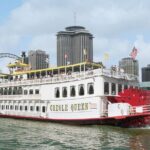




World’s Fair vestiges and riverboat captains: Carrollton in the wider New Orleans story

The tour doesn’t stay stuck in one era. You’ll also hear about vestiges of the World’s Fair and about homes linked with heroic Riverboat Captains. Those details matter because they show how the Carrollton neighborhood participated in the bigger identity of New Orleans.
Even if you’re not a die-hard history buff, these moments are useful. They help you connect the neighborhood to stories you’ve heard from elsewhere—trade, travel, spectacle, and river power. The guide ties those references back to real streets and buildings, so it feels less like random trivia and more like a map of connections.
This is the part that tends to stick with people afterward, because it turns your mental image of New Orleans from a set of tourist zones into one connected system.
The guide factor: Emily’s storytelling style and why it works
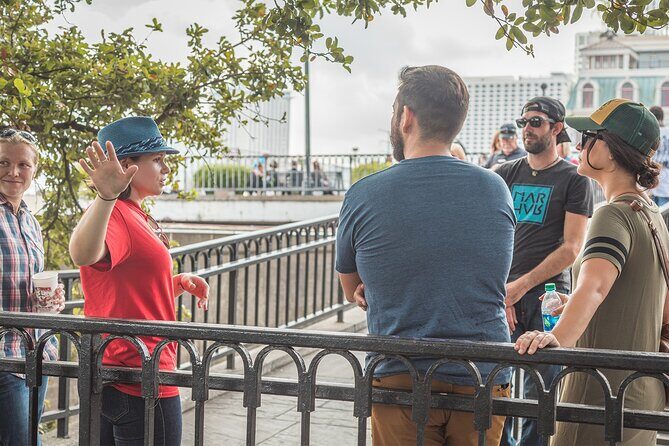
A lot of walking tours succeed or fail on the guide. Here, the standout theme is storytelling that stays grounded in place. Emily is consistently praised for connecting facts and humor, and for making the neighborhood feel alive through the people who lived there.
You also get a sense of how the guide handles cultural layers. The tour references Germans and Cajuns, and brings in the presence and history of free and enslaved people of color as part of the neighborhood’s story. That approach helps you understand Carrollton as a community with many roots, not a single-note postcard.
If you enjoy hearing how history affects real streets, you’ll likely leave with a stronger sense of what you just walked past—and why it’s there.
Price and time: is $37 for two hours a good value?
At $37 per person for about two hours, this walk is priced for what you get: a licensed guide, a small group limit (up to 14 travelers), and a route that focuses on specific, local details rather than generic highlights.
Two hours isn’t long, but it’s enough time to connect multiple themes—architecture, Civil War-era context, river-adjacent industry, and larger New Orleans connections like the World’s Fair and riverboat captains. In practical terms, it’s a good fit for days when you want something meaningful but don’t want a full day carved out.
Also, the fact that this tour is commonly booked about 47 days in advance suggests steady demand. If you’re traveling in peak periods, booking sooner helps you lock in a time that fits your schedule.
What to expect on the ground: walking comfort and weather reality
This is a walking tour, so comfortable shoes matter. The route is in an active neighborhood, and you’ll be out for roughly two hours, so plan to move at a human pace, not a museum pace.
Good weather is required. If weather turns poor, you’ll be offered a different date or a full refund. Since the tour is tied to outdoor viewing and small places along the way, this isn’t the kind of experience to gamble on if you hate walking in the rain or heat.
A side note that helps: it’s near public transportation, so you’re not stuck if you’re coming from farther across New Orleans.
Where you start and where you finish: make it easy to plug into your day
You begin at la Madeleine (601 S Carrollton Ave) and finish at 818 S Carrollton Ave. That end point is also in the Carrollton corridor, where it’s easy to keep exploring Uptown and Carrollton without having to backtrack across the city.
Since Oak Street is nearby and you’ll see the streetcar go by, you can often shift smoothly into other neighborhood plans after the walk. It’s a smart setup for visitors who want to move beyond the usual central tourist areas and still feel connected to “real New Orleans.”
Who this Carrollton tour suits best
This tour is a strong match if you want:
- Architecture you can actually see while learning what it means
- A neighborhood walk that connects major events to street-level details
- Local storytelling that includes multiple cultural threads
It may feel less ideal if you’re looking for a nonstop parade of large landmark photos, or if you want a tour that focuses only on one era. This walk works because it blends periods and themes, so it’s not built around one single headline attraction.
Should you book this Historic Carrollton Neighborhood Walking Tour?
Yes—if you want Carrollton explained at walking speed, with real neighborhood texture, and with a guide who can turn details into meaning. The small-group size, the specific places like Fischer Park and the Memorial trough, and the mix of architecture and historical context make the price feel fair.
Book it especially if you’ve already done the big-ticket New Orleans stops and you want the city to feel lived-in. If your main goal is to see only famous monuments, you might choose differently. But if you want to learn how a neighborhood carries its past in plain sight, this is a very practical choice.
FAQ
How long is the Historic Carrollton Neighborhood Walking Tour?
It runs about 2 hours.
What does the tour cost?
The price is $37.00 per person.
Where does the tour start and end?
You start at la Madeleine, 601 S Carrollton Ave, New Orleans, LA 70118, and end at 818 S Carrollton Ave, New Orleans, LA 70118.
Is this tour available in English?
Yes. It’s offered in English.
Do I need a print ticket?
No. You’ll use a mobile ticket.
How big is the group?
The tour has a maximum of 14 travelers.
Is the tour suitable for people who need public transportation access?
It’s near public transportation, which makes it easier to fit into your day.
What if the weather is bad?
This experience requires good weather. If it’s canceled due to poor weather, you’ll be offered a different date or a full refund.