REVIEW · NEW ORLEANS
Historic Garden District Walking Tour
Book on Viator →Operated by Tours By NOLA - New Orleans Local Artists · Bookable on Viator
Want gentler New Orleans than the French Quarter? This guided Historic Garden District walking tour leads you past celebrity-style homes and Lafayette Cemetery No.1, with stories that connect the neighborhood’s wealth to Irish migration and the city’s larger past. You’ll also hear how pre- and post–civil war mansions helped shape what you see on the street today.
What I really like is the way the tour turns architecture into something you can picture, not just labels on a plaque. When the guide is speaking—like Robin or Harris, both praised for story-driven teaching—you get a clear sense of why these streets look the way they do and how people lived here.
One thing to watch: this is still a walking tour. You should expect moderate standing time, uneven sidewalks, and heat exposure, so it’s not recommended if long periods on your feet are hard for you.
In This Review
- Key points before you go
- A $35 walk that focuses on the Garden District’s real characters
- Where the tour starts (and why the meeting point matters)
- Stop 1: Lafayette Cemetery No.1 and the rules of timing
- Stop 2: The Garden District streets—mansion spotting with real context
- Stop 3: Irish Channel stories—potato famine to architects
- The guide is the difference maker: Robin and Harris
- Comfort and walking reality in New Orleans
- Small group size: why it can feel better than bigger tours
- Included and not included: what you need to plan for
- Who this tour is for (and who should skip it)
- Should you book the Historic Garden District Walking Tour?
- FAQ
- What’s the price and how long is the tour?
- What’s included in the tour price?
- Is admission to Lafayette Cemetery No.1 included?
- Where does the tour start?
- What language is the tour offered in?
- How physically demanding is it?
- What happens if I cancel?
Key points before you go

- Lafayette Cemetery No.1 stop with the note that admission is not included and the cemetery can be temporarily closed
- Garden District mansion viewing including pre- and post–civil war homes and celebrity homes along the way
- Irish Channel storytelling tied to the potato famine and the Irish impact on local wealth
- Licensed Native Tour Guide and a cultural ambassador who explain context as you walk
- Small-group feel (max 28) with guides who call out hazards like roots and potholes
- Mobile ticket and English language tour
A $35 walk that focuses on the Garden District’s real characters
At $35 per person for about 2 hours, this tour is priced like a true neighborhood experience—not a long day, not a bus ride, and not a museum ticket. You’re paying for a guide who can point out what matters: the social and cultural forces behind the mansions and the streets, plus the cemetery stop that anchors the area in time.
I also like that it’s not just “look at pretty houses.” The focus is on people—Irish immigrants, builders and architects, and the larger New Orleans story that made the Garden District the seat of wealth and power. That’s what turns a stroll into something you can talk about later.
The tour includes a lagniappe, which basically means a little extra something beyond the core plan. It’s a small touch, but it signals the company’s intent to make the experience feel thoughtful rather than strictly transactional.
You can also read our reviews of more walking tours in New Orleans



Where the tour starts (and why the meeting point matters)
You’ll meet at the Rink Shopping Center, 2727 Prytania St, New Orleans, LA 70130. The tour ends back at that same place, which is handy because you’re not trying to navigate cross-town after your walk.
It’s also listed as near public transportation, so you’re not forced into a car for a short, timed experience. Still, with any New Orleans walking plan, I’d treat it like a “go early, arrive with a little buffer” day. Sidewalks and street surfaces can be unpredictable.
Stop 1: Lafayette Cemetery No.1 and the rules of timing
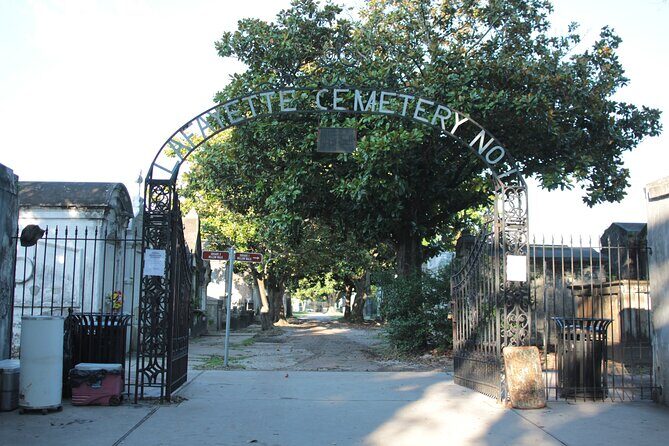
Your first stop is Lafayette Cemetery No.1, located in the Garden District. The big draw here is that it’s one of the oldest cemeteries in the area, so even before you move to the mansions, you’re learning how the neighborhood holds its memory.
A practical note: admission to Lafayette #1 is not included. There’s also a warning that the cemetery is temporarily closed. That doesn’t mean the tour is worthless—it just means your exact cemetery time can vary. If you’re planning your day tightly around this stop, I’d build in some flexibility.
When cemeteries are part of a walking tour, you’re not just looking. You’re usually getting context for the way New Orleans treats burial, family, and place. That context helps a lot once you start seeing the wealth and prestige connected to the same streets.
Stop 2: The Garden District streets—mansion spotting with real context

Next you move through the Garden District, described as the seat of the confederate and the wealthiest neighborhood in New Orleans. That framing matters, because it tells you what to notice: power, status, and how architecture broadcasts those ideas.
You’ll see pre- and post–civil war mansions and also celebrity homes. The “celebrity” angle can be fun, but the bigger value is that the guide connects these homes to who built them, who lived there, and why that neighborhood became such a status symbol.
One thing I’d pay attention to is pacing. The walk is short enough to stay manageable, but you’ll still be outside and looking up and around. A good guide helps you avoid the usual “I saw things but didn’t understand them” problem. In the feedback, Robin and Harris are both praised for keeping the history engaging, with clear storytelling rather than a list of dates.
Stop 3: Irish Channel stories—potato famine to architects

The final themed stop is the Irish Channel, tied to Irish migration after the potato famine. The tour explains how Irish immigrants settled there and how many of the architects who shaped early Garden District homes were Irish.
This is one of the most useful parts for me, because it gives you a clear cause-and-effect chain. You learn not only that Irish people contributed, but how their presence connected to the people who designed and built the first homes in the Garden District. Suddenly, the architecture isn’t just “old.” It’s the result of specific communities, labor, and ambition.
This section is about roughly 30 minutes, which is long enough to make the connection, but short enough that you’re not stuck in a lecture. If you like New Orleans for its layered identity, you’ll probably enjoy this part because it shows the city’s growth as a series of migrations, skills, and social networks—not a single straight line.
You can also read our reviews of more historical tours in New Orleans






The guide is the difference maker: Robin and Harris

A walking tour lives or dies on the person leading it. This one gets strong praise for guides who can tell the story in a way that feels like conversation.
Robin is highlighted for covering a lot of history and explaining it in a fun, interactive way. Harris is also praised as warm and engaging, with delivery that feels like an old friend walking beside you. Both names show up as guides who don’t just talk at you; they help you look at the neighborhood with better instincts.
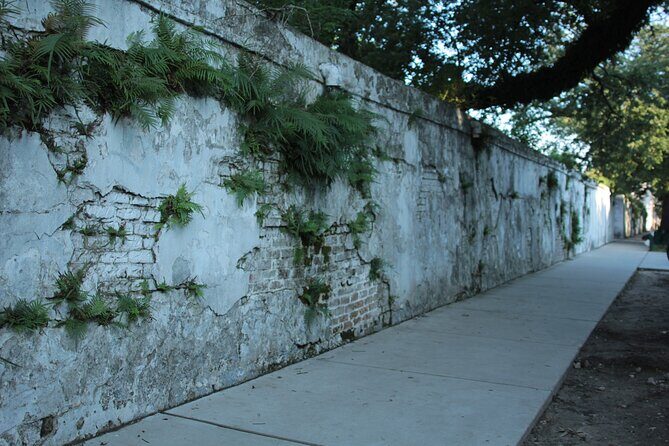
There’s also a practical layer in the reviews that you should take seriously: the guide calls out tree roots and potholes, and sticks to shade when possible. That matters in New Orleans because the sidewalks can feel like a patchwork of uneven ground. A guide who anticipates hazards makes the tour safer and more comfortable.
Comfort and walking reality in New Orleans
This tour is designed for people with moderate physical fitness. It’s not labeled as fully accessible, and it’s specifically noted as not recommended if you have difficulty standing for long periods.
Even if you’re generally fine walking, New Orleans can surprise you. Expect sidewalks and street surfaces that can feel like hiking, plus the usual sun-and-heat challenge. If you’re heat sensitive, build your expectations around that reality.
A few practical things that help:
- Wear comfortable shoes with traction for uneven pavement.
- Bring water and plan for sun exposure, since shade depends on the route.
- If you’re traveling in warmer months, aim for earlier hours if your schedule allows.
The good news is that the guide’s job includes route management—like finding shade when possible—so the walking experience tends to be guided rather than purely improvised.
Small group size: why it can feel better than bigger tours
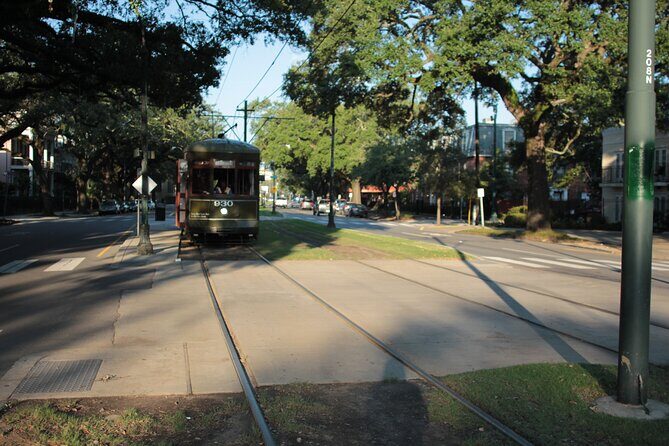
The tour caps at 28 travelers, and reviews note it can feel smaller than some other options running at the same time. In practical terms, this usually means you spend less time waiting for the whole group to catch up and more time hearing what the guide is saying.
For a story-heavy tour—especially one with cemetery context and mansion details—this matters. You want to be able to keep the thread of the narrative as you move, not constantly drift out of earshot.
Included and not included: what you need to plan for
Included:
- A licensed Native tour guide and cultural ambassador
- Lagniappe (a small extra)
Not included:
- Snacks or lunch/dinner
- Admission to Lafayette #1 Cemetery, and the cemetery may be temporarily closed
So, plan to handle your own food and water. If you’re someone who gets shaky low-energy, do a quick snack before the tour starts so you’re not trying to eat while also paying attention to a guide in motion.
If the cemetery timing is the centerpiece of your trip, remember the admission isn’t included and the cemetery can close temporarily. That’s not something you can control, but you can control whether your day has wiggle room.
Who this tour is for (and who should skip it)
This fits well if you want:
- A neighborhood-focused New Orleans experience beyond the French Quarter
- Mansion and cemetery viewing with explanations that connect
- Irish immigration and architecture stories tied to real places like the Irish Channel
It may not be ideal if you:
- Struggle with long standing or slow walking
- Need fully smooth, step-free surfaces (the tour notes difficulty standing and highlights street hazards like roots and potholes)
- Want a strictly indoor plan or zero physical effort
Should you book the Historic Garden District Walking Tour?
I’d book it if you want a short, well-paced walk that explains why the Garden District looks the way it does. The standout value is the combination of cemetery context, mansion viewing, and Irish Channel storytelling, led by guides praised for clear, engaging delivery like Robin or Harris.
I’d think twice if your priority is “easy walking no matter what.” New Orleans sidewalks can be rough, and this tour is built around being outside for the full experience. If you’re okay with that—and you’re prepared with good shoes and water—you’ll get a lot out of two hours in a part of New Orleans that feels worlds away from the busiest streets.
FAQ
What’s the price and how long is the tour?
It costs $35.00 per person and runs for about 2 hours (approx.).
What’s included in the tour price?
The tour includes a licensed Native tour guide and cultural ambassador, plus a lagniappe. Snacks and meals are not included.
Is admission to Lafayette Cemetery No.1 included?
No. Admission to Lafayette Cemetery No.1 is not included, and the cemetery may be temporarily closed.
Where does the tour start?
You start at Rink Shopping Center, 2727 Prytania St, New Orleans, LA 70130, and the tour ends back at the meeting point.
What language is the tour offered in?
The tour is offered in English.
How physically demanding is it?
It’s best for people with moderate physical fitness. It’s not recommended if you have difficulty standing for long periods.
What happens if I cancel?
You can cancel for a full refund up to 24 hours in advance of the experience start time. Changes made less than 24 hours before start time aren’t accepted.