REVIEW · NEW ORLEANS
New Orleans: 9th Ward Hurricane Katrina History Tour
Book on GetYourGuide →Operated by Treme Luxury Experience Tours & Transporation · Bookable on GetYourGuide
Katrina’s aftermath is still written into the streets. This New Orleans 9th Ward Hurricane Katrina History Tour takes you through areas hit hardest, with a local guide who brings real neighborhood context. I like the chance to see major recovery landmarks like the Katrina Memorial at Old St. Claude Hospital and learn how the Ninth Ward is changing over time. You’ll also get a small-group ride that makes it easier to ask questions and linger briefly when the route allows.
The biggest thing to keep in mind is route flexibility. The van tour is designed to adapt to weather, construction, or local events, so some stops can be swapped with alternatives to protect timing and flow.
In This Review
- Key things to know before you go
- A 1-Hour Van Ride Through the Ninth Ward’s Katrina Story
- Meet Hollis: Why a Local Guide Shapes the Whole Experience
- Old St. Claude Hospital and the Katrina Memorial: A Place to Slow Down
- Levee Breach Sites You Can Actually Visualize
- Rebuilding on Display: Make It Right Homes and Musicians’ Village
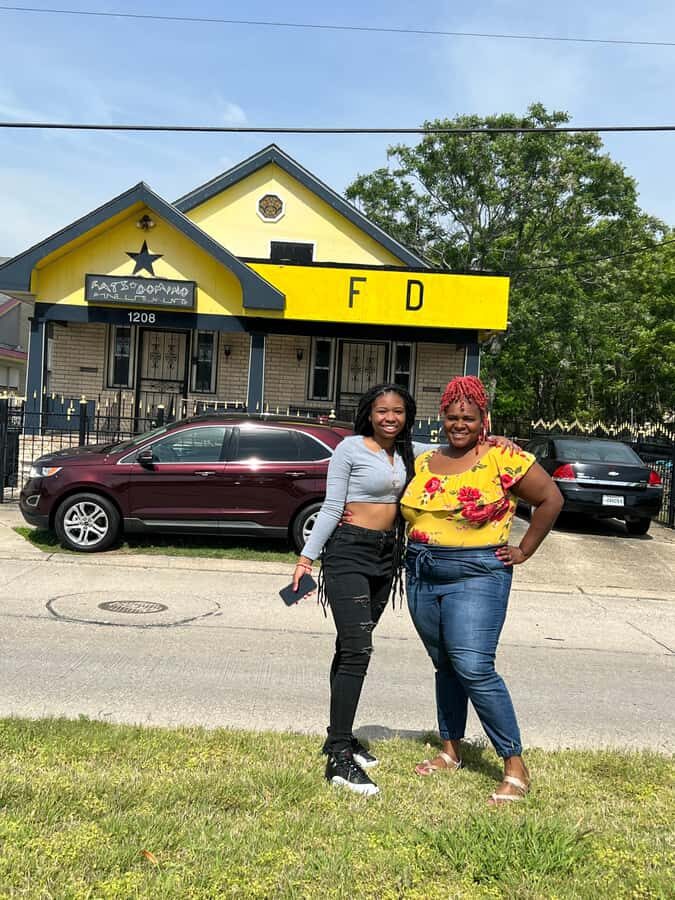
- Fats Domino’s Home Stop: Culture Beyond the Storm
- How This Small-Group Tour Works in Real Life
- Price and Value: Why $25 Can Feel Like a Bargain Here
- Who Should Book This Tour (and Who Might Want Another Option)
- Practical Tips to Make Your Hour Go Smoothly
- Should You Book the Ninth Ward Hurricane Katrina History Tour?
- FAQ
- How long is the Ninth Ward Hurricane Katrina history tour?
- What does the tour cost?
- How big is the group?
- Is there a live guide? What language is the tour?
- Where do I meet for the tour?
- Can the route change during the tour?
- What major stops are included on the tour?
- Is free cancellation or pay-later available?
Key things to know before you go
- Small group (up to 7): You’ll be close enough for questions, not stuck in the back of a big bus.
- Guide Hollis brings lived-in context: He’s described as local and deeply tied to the community’s story.
- High-impact sites, in a short time: Levee breach viewpoints, Old St. Claude Hospital memorial, and recovery projects.
- Rebuilding isn’t just theory: You’ll see places like Make It Right homes and Musicians’ Village.
- Culture keeps humming here: A stop at Fats Domino’s home connects the neighborhood’s identity beyond Katrina.
- Routes can change: Plan to be flexible if specific locations get substituted.
A 1-Hour Van Ride Through the Ninth Ward’s Katrina Story
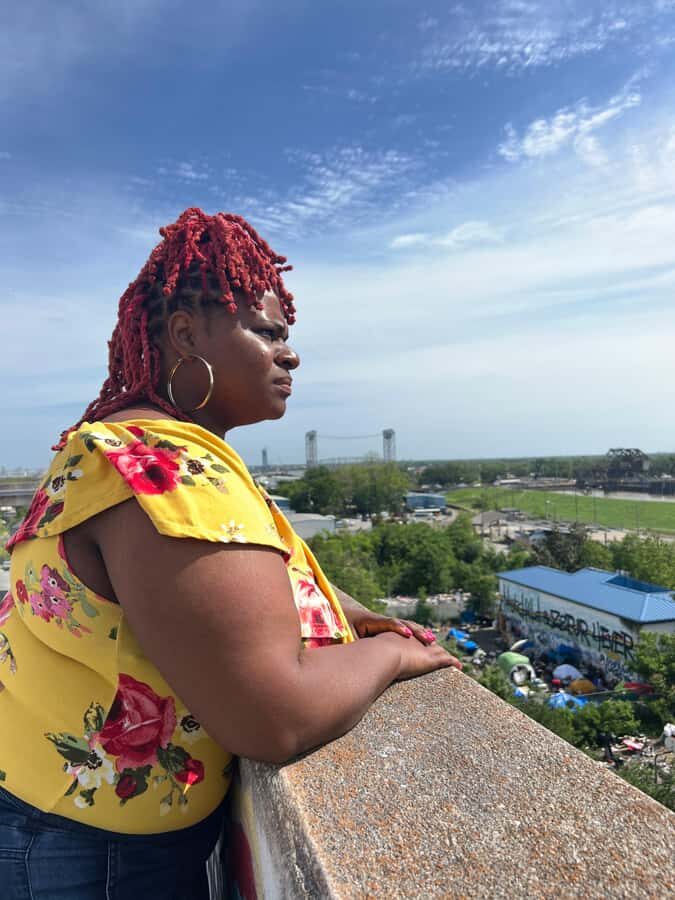
This tour is built for people who want more than headlines. In just one hour, you move by van through key parts of the story—what happened, where the flooding came in, and what recovery looks like now in real neighborhoods. It’s not a long, slow walk. Instead, it’s a concentrated route with a guide who talks through what you’re seeing as you go.
That time crunch is also why the tour format works. You get a clear sense of geography: where the river and the lake matter, where levees failed, and how the Ninth Ward’s neighborhoods were affected. If you’ve already done the typical New Orleans “fun stops,” this gives your trip balance—history with context, not just a marker on a wall.
Because it’s a van tour, you can cover more ground than a walking-only tour. The tradeoff is that you’ll be on the move. You’re aiming for understanding, not a full day of absorbing every block in depth.
You can also read our reviews of more historical tours in New Orleans


Meet Hollis: Why a Local Guide Shapes the Whole Experience
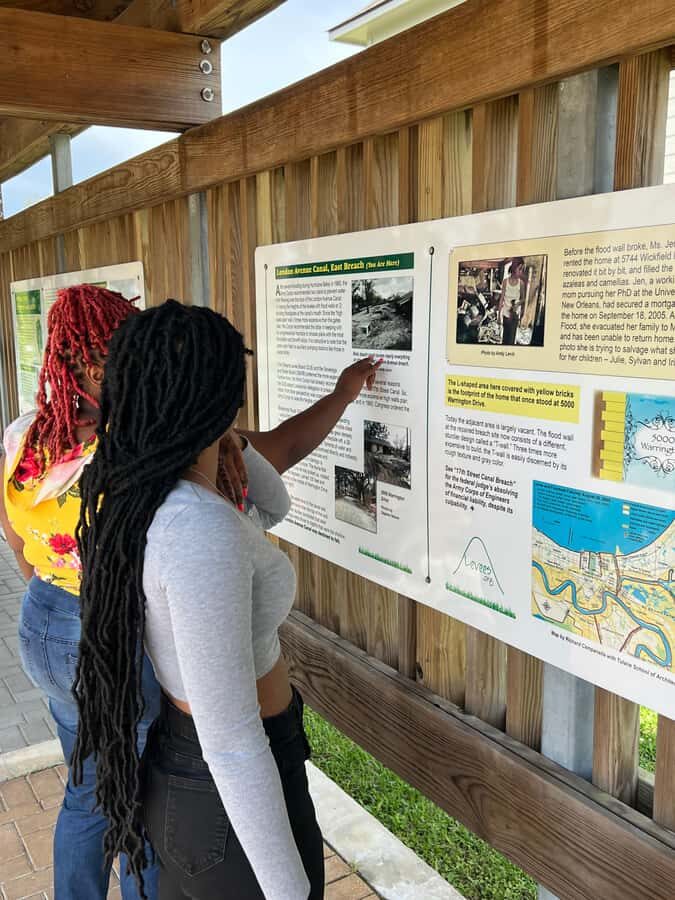
The standout across the tour feedback is the guide—Hollis. The way he’s described makes sense: when someone is born and raised in a neighborhood, they don’t just repeat facts. They connect the events to daily life—what was normal before, what changed during, and what still feels different years later.
What I like about this is how it turns the Ninth Ward into a place you can actually picture. Reviews emphasize that Hollis shares both personal perspective and an objective explanation of Katrina’s catastrophic effects. That combo matters because it helps you avoid the “either emotion or facts” trap. You get human context, plus a route-based understanding of why certain areas suffered the way they did.
Also, because the group is small—limited to 7 people—the tone stays conversational. You’re more likely to get your questions answered. And if a stop offers a moment to step out for photos or to look closely at a site, you’re not waiting for a crowd.
Old St. Claude Hospital and the Katrina Memorial: A Place to Slow Down
One of the tour’s key anchors is the Hurricane Katrina Memorial located at Old St. Claude Hospital in the 9th Ward. This stop is the moment where the tour’s tone shifts from driving-by history to reflection.
Even if you’ve read about Katrina before, memorial sites tend to hit differently because they’re fixed reminders in a place that experienced real loss. This memorial location in the Ninth Ward matters too. It keeps the story tied to the communities impacted, not just to national talking points.
If you’re the type who likes a moment of quiet during travel, build that into your expectations. This isn’t a quick snap-and-go photo stop. It’s a respectful stop where you’re paying attention to meaning, not just sights.
Levee Breach Sites You Can Actually Visualize
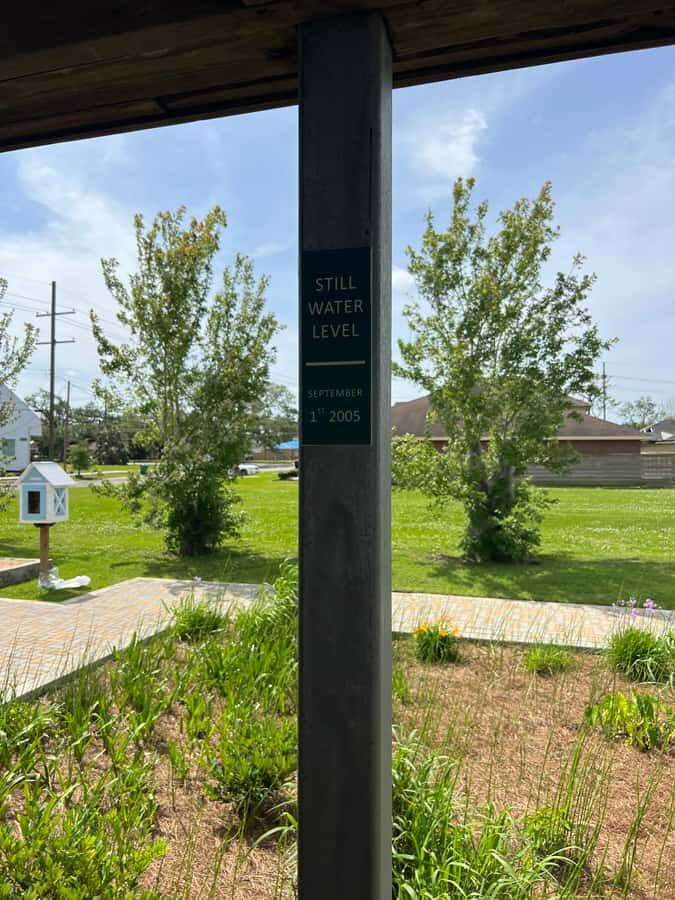
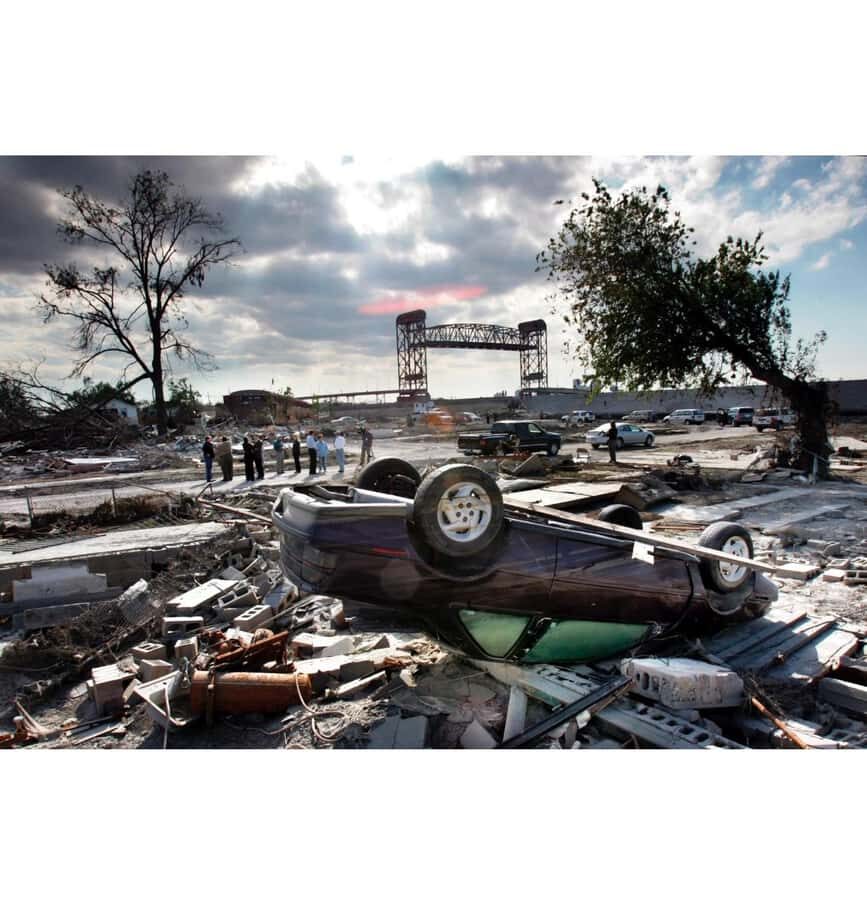
Another highlight is seeing sites where levees breached along the Mississippi River and Lake Pontchartrain. Katrina wasn’t a single vague disaster in the distance. It was about water entering specific ways in specific places—and that’s exactly what this tour tries to help you visualize.
The value here is clarity. When you stand near or look at the kinds of areas where flooding began, the story feels more concrete. You understand why certain neighborhoods got hit hardest and how the geography shaped the outcome.
In feedback, people mention learning about how high the water rose on homes and seeing properties or foundations that remained. I’d treat that as a sign of what you’ll likely encounter: physical reminders of the flood’s reach and scale. For many visitors, this is the most sobering segment because it turns “storm surge” into something visual.
Rebuilding on Display: Make It Right Homes and Musicians’ Village
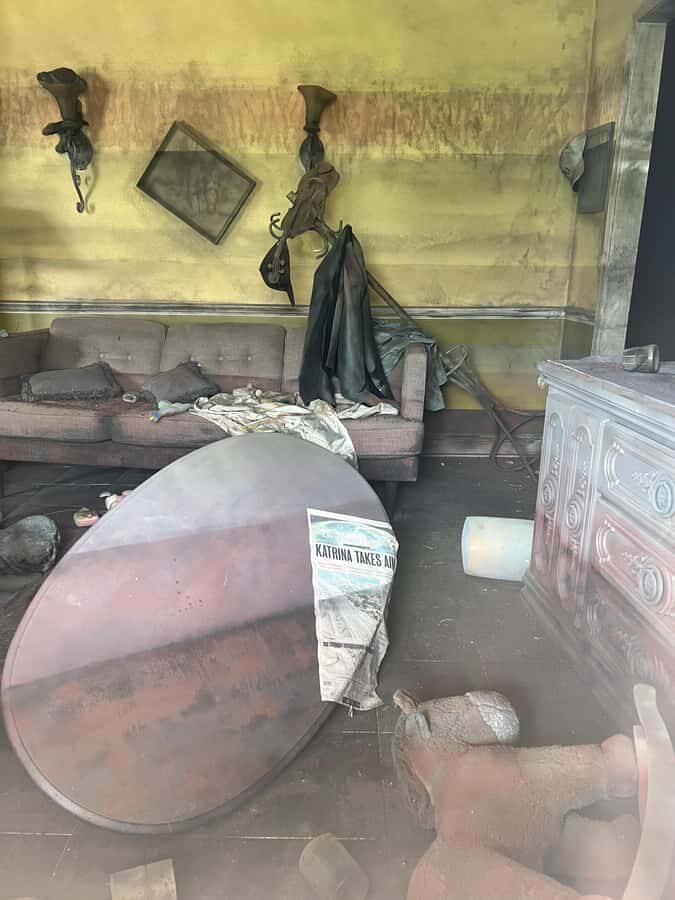
Recovery in New Orleans is not one uniform story. It’s different blocks, different timelines, different funding paths—and different kinds of change. That’s why stops like Make It Right homes and Musicians’ Village are smart additions.
These places help you see rebuilding as something you can point to. They’re not abstract promises. You can look at what’s built now and compare it to what you’ve been told about the neighborhood’s earlier state and the impact of the flood.
If you’re hoping for a tour that connects Katrina to the city’s ongoing identity, this segment does that. New Orleans culture isn’t only music and festivals—it’s community, livelihoods, and the way neighborhoods support one another. When you see recovery projects tied to those themes, you get a stronger sense of why the Ninth Ward matters in the full New Orleans story.





Fats Domino’s Home Stop: Culture Beyond the Storm
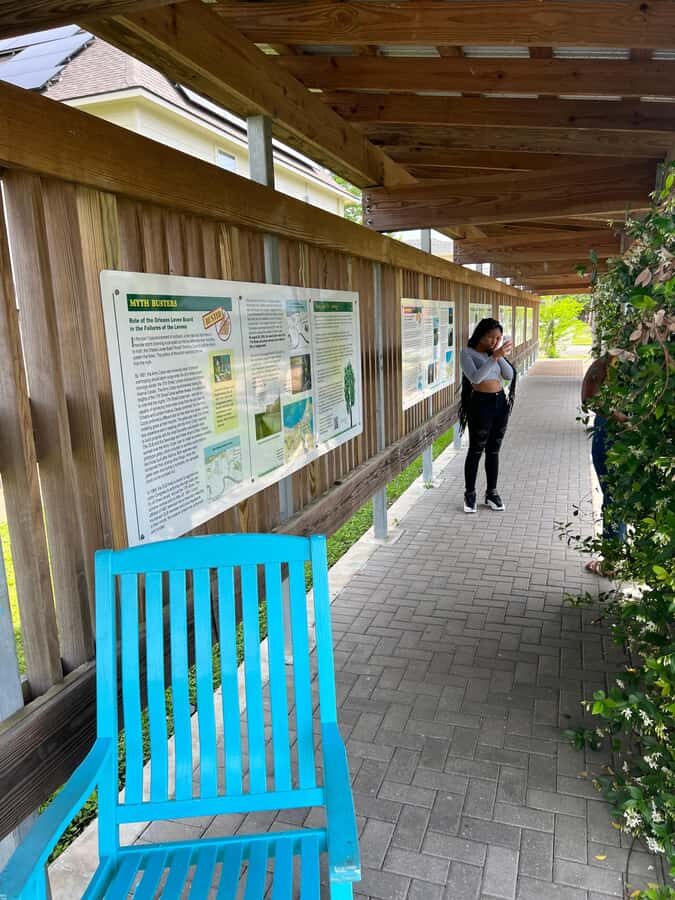
The tour also includes a stop at Fats Domino’s home, which stands out because it’s not just disaster-focused. Katrina changed lives, but it didn’t erase the people and the music that made the area known.
This kind of stop helps you understand that resilience isn’t only about rebuilding houses. It’s also about protecting identity—keeping artists, traditions, and community pride alive while the rest of the world moved on to other headlines.
Even in a short 1-hour route, adding a cultural landmark can prevent the experience from feeling one-note. It’s a reminder that New Orleans is still New Orleans, even when you’re learning a hard chapter.
How This Small-Group Tour Works in Real Life
Since this is a small group capped at 7 participants, the vibe tends to be more personal than a large coach tour. You’ll likely have more room for questions, and you won’t feel like you’re just herded from one curb to the next.
Stopping and time also matter. The tour route is described as flexible, and some sites may be substituted depending on weather, construction, or local events. That means you should go in ready to adapt. Don’t assume every exact spot will be identical every day—this is the type of tour that prioritizes staying safe and keeping the experience coherent.
One more practical point: the experience includes brief moments to look around and take photos when stops allow. In feedback, people mention moments like touching part of a levee or getting time for pictures. So wear shoes you can stand in comfortably, and be ready for quick on/off van moments.
Price and Value: Why $25 Can Feel Like a Bargain Here
At $25 per person, this tour is priced as an accessible add-on to a New Orleans trip. But the question isn’t only cost. It’s whether the content matches what you’re paying for.
In this case, you’re getting a few value drivers at once:
- A local guide with deep ties to the Ninth Ward story
- Multiple major stops in a short route (memorial, levee breach sites, recovery projects, plus the cultural stop at Fats Domino’s home)
- Small-group size, which tends to make Q&A actually happen
- A focused time window (1 hour), which is useful if you’re trying to fit history into a tight itinerary
Compared to bigger tours, the payoff is often the same or better because you’re paying for interpretation, not just movement. If you’ve been on large bus tours where the guide can’t slow down, you’ll likely appreciate this format more than you expect.
Who Should Book This Tour (and Who Might Want Another Option)
This tour is a strong fit if you:
- want real context about Katrina’s impact on the Ninth Ward
- prefer small-group storytelling over crowd noise
- like tours that connect geography to history
- want a high-impact segment that won’t swallow your whole day
It may be less ideal if you:
- want a long, slow walk with lots of time on foot at each location
- need an itinerary that never changes under any circumstance
- prefer “museum-style” pacing with minimal emotional weight
Also, because the subject is serious, it helps to show up with the right mindset. Bring respect and patience. This area carries memory, and the story deserves that tone.
Practical Tips to Make Your Hour Go Smoothly
A few simple moves will help you get more out of it.
- Confirm your meeting location the day before. The tour asks you to call to lock in where to meet. That one step prevents a lot of wasted time.
- Plan for substitutions. If weather or construction affects a specific stop, you’ll still get an educational route. Keep your expectations flexible.
- Bring comfortable shoes and a light layer. You’ll likely do short walk-arounds near stops even if most of the time is by van.
- Come with one or two questions. In a small group, good questions can steer the conversation and make the guide’s stories land even better.
- Handle photos thoughtfully. If a stop includes memorial space, keep your focus on respect first.
Should You Book the Ninth Ward Hurricane Katrina History Tour?
If you want a New Orleans tour that treats Katrina as a neighborhood story—not just a tragic headline—this is an easy recommendation. The combination of Hollis’s local knowledge, the small-group format, and the mix of sites (memorial, levee breach viewpoints, rebuilding projects, and a culture anchor like Fats Domino’s home) gives you a clear, meaningful arc in just an hour.
Book it if you’re looking for value and clarity and you like learning from someone with deep ties to the place. Skip it only if you need a rigid, long itinerary or you prefer history presented in a purely distant, classroom way.
FAQ
How long is the Ninth Ward Hurricane Katrina history tour?
The tour duration is listed as 1 hour (starting times depend on availability).
What does the tour cost?
The price is $25 per person.
How big is the group?
It’s a small group with a limit of 7 participants.
Is there a live guide? What language is the tour?
Yes, there is a live tour guide, and the tour is in English.
Where do I meet for the tour?
You’re asked to call to confirm the meeting location the day before the tour. The tour ends back at the meeting point.
Can the route change during the tour?
Yes. The route is described as flexible and may change due to weather, construction, or local events, and some historical sites might be substituted.
What major stops are included on the tour?
The tour includes the Hurricane Katrina Memorial at Old St. Claude Hospital, sites associated with levee breaches along the Mississippi River and Lake Pontchartrain, recovery projects like Make It Right homes and Musicians’ Village, and a stop at Fats Domino’s home.
Is free cancellation or pay-later available?
Yes. You can cancel up to 24 hours in advance for a full refund, and there’s a reserve now & pay later option (you book your spot without paying immediately).