REVIEW · NEW ORLEANS
New Orleans African American Heritage Walking Tour
Book on Viator →Operated by Universal Tour Group USA · Bookable on Viator
Square Congo changes how you see the Quarter. On this 2-hour New Orleans African American Heritage walking tour, you connect the forced arrival of people of African ancestry in 1719 and later French and Spanish importations to the culture you still hear today—food, music, religion, even building styles, with Square Congo and the French Quarter as the backbone.
I love that the tour starts in the area now linked to public gatherings at Armstrong Park, so the story lands in a real, walkable setting. I also like the guides—names like Keynin, Mika, and Keenan show up in the feedback, and that matters because you want the kind of guide who can explain hard history without losing the thread.
One consideration: it’s a walking tour and food and drink aren’t included, so plan for a snack break before or after if you need it.
In This Review
- Key highlights to know before you go
- Square Congo at Armstrong Park: where the story starts
- Congo Square to the French Quarter: African culture in everyday form
- The guide matters: why $29 feels fair for a 2-hour walk
- Logistics that actually matter for a 4:00 pm start
- What to look for when the guide talks voodoo, jazz, food, and buildings
- Who should book this walking tour (and who might want a different plan)
- Should you book the New Orleans African American Heritage Walking Tour?
- FAQ
- How long is the New Orleans African American Heritage Walking Tour?
- What does the tour cost and what’s included?
- Where is the meeting point, and what time does it start?
- What are the main stops on the tour?
- Is a mobile ticket used?
- What about food, tips, and animals?
Key highlights to know before you go
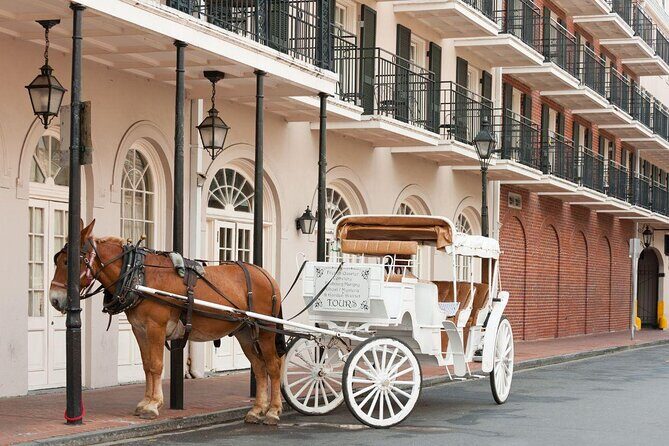
- Congo Square, now Armstrong Park: You’ll focus on the place where enslaved Africans and laborers gathered to trade, play music, dance, and socialize.
- A compact, focused route: About 2 hours with two main stops, so you get key context without a full-day commitment.
- Culture you can spot: Expect links from African roots to voodoo traditions, dance, jazz, Creole food, and architecture.
- Small-group feel: Maximum 30 travelers, which usually makes it easier to ask questions and keep up with the story.
- Guide-led, not just signage: You get a tour guide for the whole walk, not a self-guided scavenger hunt.
- Mobile ticket: Check in is built for modern travel days.
Square Congo at Armstrong Park: where the story starts
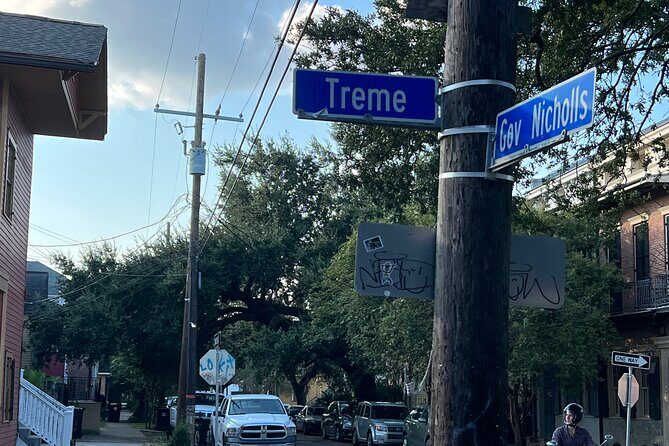
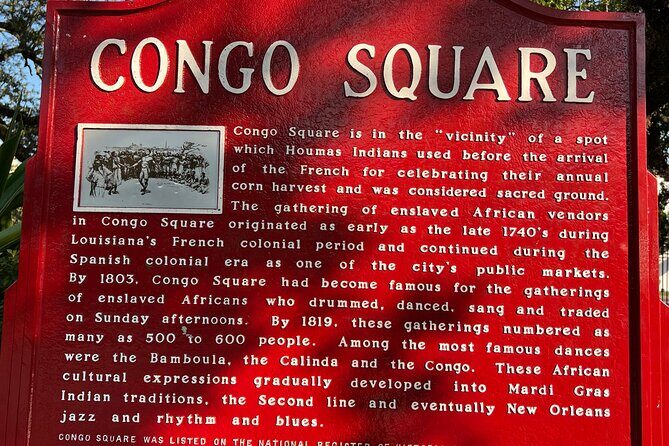
This tour begins at 401 Decatur St, starting at 4:00 pm, then heads to the edge of the French Quarter neighborhood of Faubourg Treme. Your first stop is Congo Square, now part of Armstrong Park. That location is the whole point: it’s not an abstract history lesson. It’s a specific place tied to gatherings that helped African culture survive and keep breathing.
In New Orleans, the city’s origin story is often told as dates and buildings. This walk leans into people. You’ll learn that in 1719—within about a year of the city’s founding—Africans of Senegambia region were forcibly removed and brought to the area. Then, in the 1720s, roughly five thousand Africans survived the Middle Passage and arrived in French Louisiana. Later, in the 1780s, another similarly sized group was brought by the Spanish from the Benin and Congo regions.
You’ll also hear what comes next: enslaved Africans didn’t just endure. They cleared forests, raised crops, and helped build the infrastructure that shaped the city. That matters because it reframes New Orleans from a destination into a lived reality made by real labor and real communities.
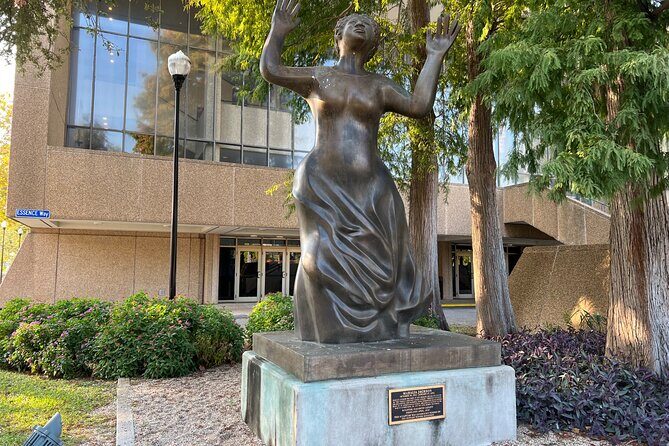
At Congo Square/Armstrong Park, you’re shown how African culture persisted—how it traveled, adapted, and stayed. The guide’s job here is to help you notice the echoes: the way music and movement show up, the way community gatherings mattered, and the way tradition could survive even under brutal control.
Practical tip: give yourself a minute when you arrive. Look around before you tune out to your phone. This stop works best when you let the place do some of the talking.
You can also read our reviews of more walking tours in New Orleans

Congo Square to the French Quarter: African culture in everyday form
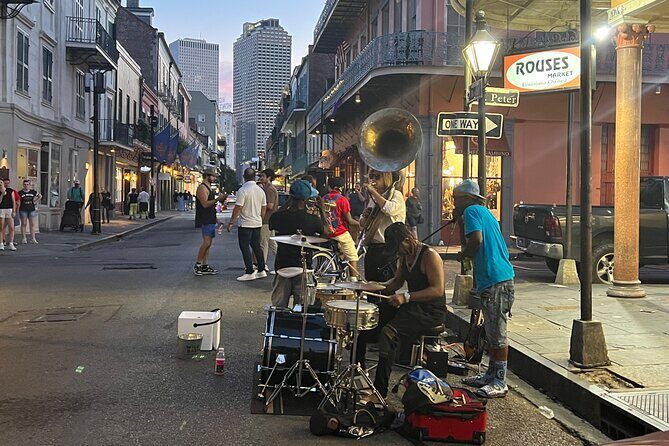
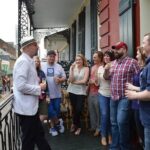
After Congo Square, you move into the French Quarter and keep the theme tight: African American culture and history, and how it shows up in the city you’re standing in. This is where the tour earns its keep, because it connects big historical events to everyday things—without turning them into a vague “culture matters” poster.
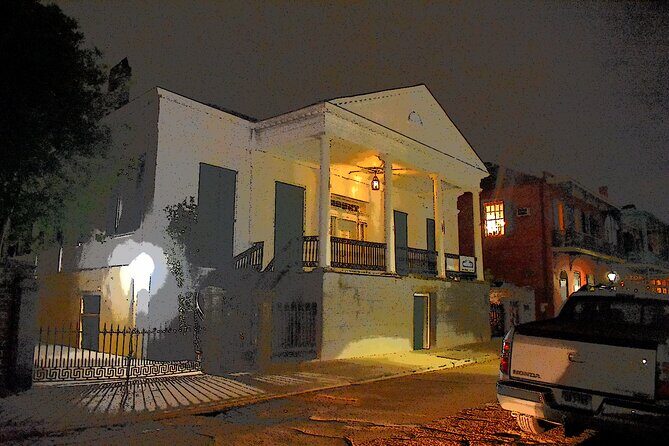
You’ll walk through the French Quarter and learn how traditions tied to voodoo, dance, and jazz developed and carried meaning. You’ll also connect those traditions to Creole food and architecture. That last part is sneaky important. New Orleans is famous for visuals, but a lot of people only read buildings as style. This tour helps you read buildings as context—what people needed, what they built, and what they carried with them.
Because the tour is only about 2 hours total, the French Quarter portion doesn’t try to cover every street. Instead, it focuses on selected points that let you make sense of patterns. Think of it like a guided “why this city looks like it does” lesson, with the African American story as the thread holding it together.
What I like about this approach: it gives you a framework so you don’t just see more sights—you understand what you’re seeing. If you’ve ever walked the Quarter and felt like you were missing half the story, this style helps fix that.
Possible drawback to keep in mind: the route stays compact, so if you crave a super deep, stop-everywhere history marathon, you may still want to do a bit of independent reading after.
The guide matters: why $29 feels fair for a 2-hour walk
At $29 per person for about 2 hours, this tour sits in the “good value” zone for New Orleans, mainly because the guide is included and the core stops are admission-free. You’re not paying for museum entry or timed ticketing. You’re paying for interpretation—someone to connect the dots between 1719 forced removals, later French and Spanish arrivals, and the cultural footprint still visible today.
The guide-led format is also what makes this type of tour different from reading plaques. You get pacing, context, and a chance to ask questions as you walk. Reviews highlight that guides like Keynin, Mika, and Keenan bring strong energy and strong local understanding, and that they’re willing to answer questions rather than speed past them.
Also, this is a fairly small tour by walking-tour standards, capped at 30 travelers. In practice, that can mean you’re more likely to hear your questions answered clearly and without long waits.
What you should expect at this price point:
- You’re getting a structured walk with two main stops (Congo Square/Armstrong Park, then the French Quarter).
- You’re not getting food, and tipping isn’t built into the price.
- You’re getting historical framing and cultural connections, not a self-guided audio route.
One gentle caution: because tips aren’t included, decide your tip comfort level before you go. If you prefer zero pressure, stick to your plan and keep communication simple and respectful.
Logistics that actually matter for a 4:00 pm start
This tour starts at 4:00 pm and runs for roughly 2 hours. That timing is helpful. Late afternoon often means you can avoid the worst heat of the day, and the French Quarter can shift into an easier evening rhythm.
Your start point is 401 Decatur St, and the tour ends back at the meeting point. That’s convenient for planning dinner right after—no long detours to find a new endpoint.
You’ll also want to think about shoes. The tour is a walking route through neighborhoods with sidewalks and crossings that vary in comfort. If you’re traveling with mobility needs, the tour does allow service animals and says most travelers can participate. If you’re considering a wheelchair, it’s smart to plan ahead because the tour duration is short and the route is still a walk.
On the plus side, it’s near public transportation, so you’re not locked into a car schedule. And the tour uses a mobile ticket, which helps when you’re juggling phones, maps, and New Orleans humidity.
What to look for when the guide talks voodoo, jazz, food, and buildings
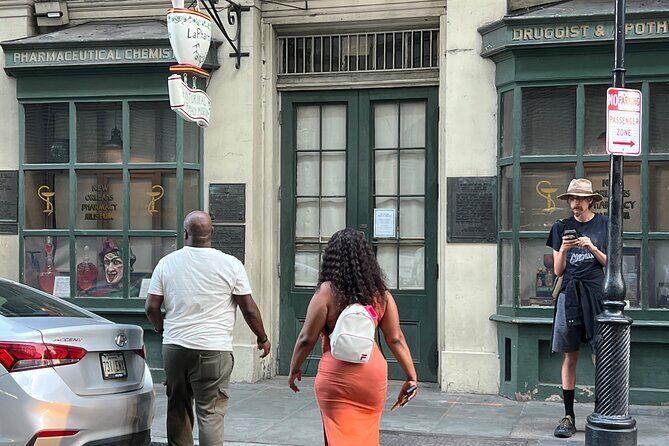
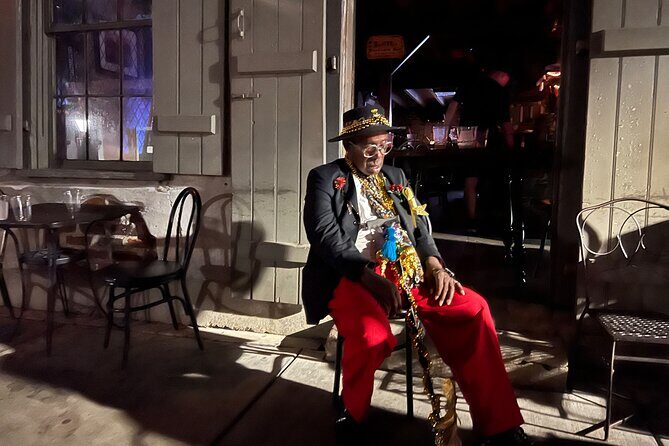
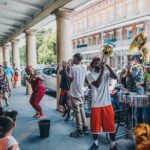
The French Quarter portion is where the tour turns from timeline to “spot the influence.” You’ll hear about traditions of voodoo, dance, and jazz music, and how they connect to African culture and community life. You’ll also connect those influences to Creole food and architecture.
Here’s how to make this section click:
- When the guide mentions music, listen for the logic. Not just what happened, but why gatherings mattered and how culture survived disruption.
- When voodoo comes up, don’t treat it like a trivia item. The point is how belief systems can function as identity, community glue, and continuity across generations.
- When Creole food is discussed, notice how the city’s food story sits at the intersection of cultures. That’s where New Orleans often feels most personal—what people ate, shared, and celebrated.
- When architecture enters the conversation, treat it as evidence. Buildings tell you who lived where, what communities needed, and how spaces evolved.
The tour’s strength is that it ties the abstract to the visible. You’re not just learning that African culture influenced New Orleans. You’re learning how and where you can recognize that influence while you’re walking.
If you like historical tours that respect the complexity of people’s lives—without turning it into gloom—you’ll likely appreciate this structure.
You can also read our reviews of more historical tours in New Orleans


Who should book this walking tour (and who might want a different plan)
This is a great fit if you want:
- A focused introduction to African American heritage in New Orleans, centered on real sites like Congo Square/Armstrong Park.
- A guided walkthrough that connects history to culture you can see and taste in the city.
- A manageable time commitment—about 2 hours—with two main stops.
It’s also ideal if you’re visiting the French Quarter and you feel like you’re seeing the surface charm without the context. This tour is built to help you catch the missing layers fast.
You might consider a different plan if:
- You want a super long route with many stops and lots of downtime.
- You dislike walking on city sidewalks for any reason.
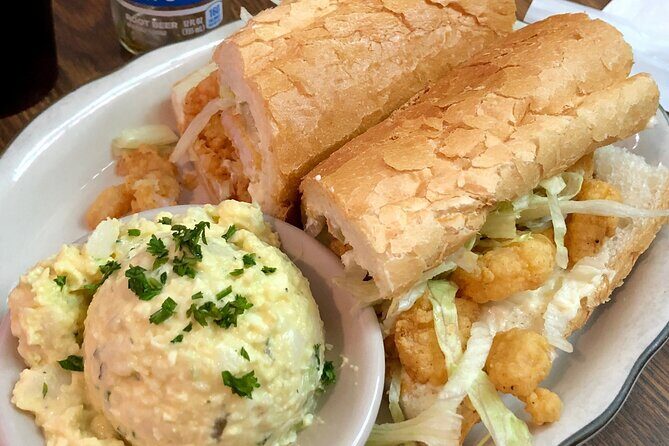
- You’re looking for food included. Food and drink aren’t part of the tour price, so plan a meal nearby before or after.
Should you book the New Orleans African American Heritage Walking Tour?
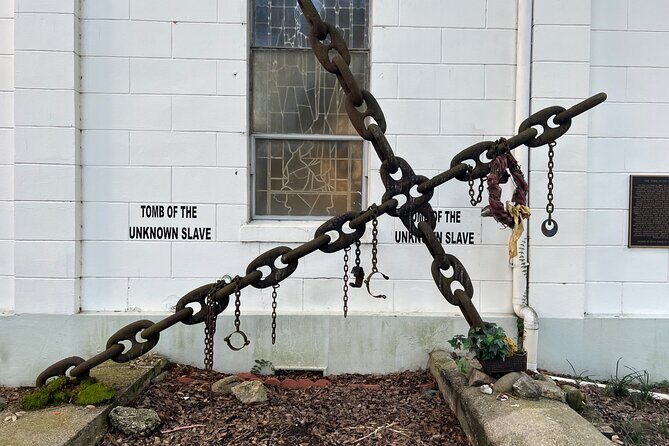
Yes, if you want a short, guided, place-based lesson that connects the forced arrival of Africans in the early 1700s to the cultural footprint still felt in New Orleans today. The price is reasonable for a guide-led experience, the core stop at Congo Square/Armstrong Park is a powerful anchor, and the French Quarter walk helps you translate history into what you see around you.
If you do book it, go in with one small mindset shift: don’t treat it like sightseeing. Treat it like learning a city’s foundations through the people who shaped it. And remember to plan a snack or drink around the walk since food and drink aren’t included.
FAQ
How long is the New Orleans African American Heritage Walking Tour?
It runs for about 2 hours.
What does the tour cost and what’s included?
The price is $29 per person, and a tour guide is included. Admission tickets for the stops are free.
Where is the meeting point, and what time does it start?
The meeting point is 401 Decatur St, New Orleans, LA 70130, and the tour starts at 4:00 pm. It ends back at the meeting point.
What are the main stops on the tour?
You’ll visit Congo Square (now part of Armstrong Park) and then walk through the French Quarter themed around African American culture and history.
Is a mobile ticket used?
Yes, the tour uses a mobile ticket.
What about food, tips, and animals?
Food and drink are not included, and tips are not included. Service animals are allowed. The tour also notes that most travelers can participate.