REVIEW · NEW ORLEANS
New Orleans: Afternoon Cocktail Walking Tour with Drinks
Book on GetYourGuide →Operated by Gray Line New Orleans · Bookable on GetYourGuide
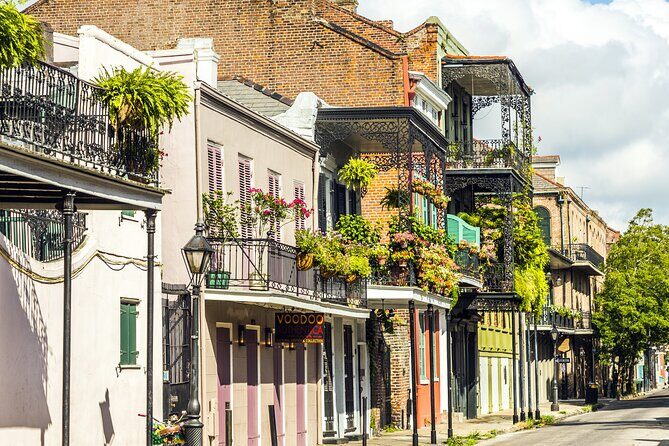
One good rule in New Orleans: follow the stories, not just the bars. This afternoon French Quarter cocktail walking tour turns famous drinks into real-life landmarks, with a licensed local guide leading you from Toulouse Street to historic corners tied to the city’s most iconic recipes. You visit 4 well-known spots, and you’ll get tastings of 3 classic cocktails along the way.
What I like most is how the tour connects each pour to a place you can point at later—like the Court of Two Sisters gates and the St. Louis Cathedral area. I also like that it’s guided in a real, talk-first way: the best parts are the characters, the myths, and the “how this drink got famous” details.
One thing to consider: it’s a walking tour on uneven sidewalks and streets, and some venues have steps. If you’re sensitive to that kind of footing, plan on comfortable shoes and be ready for a bit of staircase negotiating.
In This Review
- Key points that make this tour worth your afternoon
- The best time window: why the 2.5-hour pace feels right
- Meeting at Gray Line Lighthouse: how to show up ready
- Starting at Toulouse Street: the French Quarter route kicks off with a purpose
- Court of Two Sisters Carriageway Bar: the setting looks like a movie set
- Antoine Peychaud and Peychaud’s Bitters: how Sazerac becomes a real place
- Absinthe and the St. Louis Cathedral side streets: the green fairy story hits differently
- The other iconic bars: Pimm’s Cup and Vieux Carré energy
- Fritzel’s jazz pub finale: the music finish is part of the value
- What the $68 price buys you (and when it feels like a bargain)
- Who this tour suits best (and who might want a different plan)
- Final take: should you book this afternoon cocktail walking tour?
- FAQ
- What’s included in the New Orleans afternoon cocktail walking tour?
- Where do I meet for the tour?
- How long is the tour?
- How old do I need to be to join?
- Is the tour difficult to walk?
- Do I have to bring ID?
Key points that make this tour worth your afternoon
- Licensed local storytelling: you hear the why behind the drink, not just what’s in it
- 3 cocktail tastings included: value is built into the price, not added as an afterthought
- Court of Two Sisters setting: you pass through distinctive gates and courtyard history before you drink
- Sazerac origin context: Peychaud’s Bitters and Antoine Peychaud get the spotlight
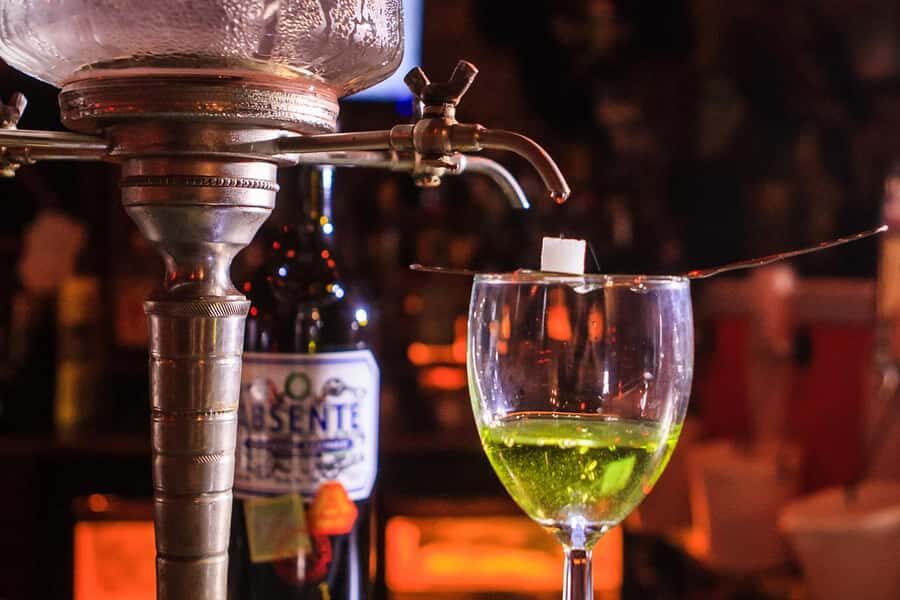
- Absinthe legend stops the walk: you’ll learn about the green fairy myth near the cathedral area
- Fritzel’s jazz-pub finale: the experience ends with live-music energy you can optionally stay for
The best time window: why the 2.5-hour pace feels right

This tour is designed for the afternoon slot, when the French Quarter is active but not quite as chaotic as late night. With 2.5 hours of walking and storytelling, you get enough time to cover several landmarks without feeling dragged across the city.
The pacing is built around short walks and frequent stops. That matters because New Orleans sidewalks can be uneven, and this tour spends your energy on drinking and history, not on navigating.
You’ll also feel the structure: you start at Toulouse Street by the Mississippi River area, then move through iconic zones toward a jazz-focused finish. It’s the kind of route that helps you understand the French Quarter layout fast.
You can also read our reviews of more walking tours in New Orleans


Meeting at Gray Line Lighthouse: how to show up ready

You meet at the Gray Line Lighthouse, 400 Toulouse St (behind Jax Brewery). Arrive about 15 minutes early to exchange your voucher for a tour ticket.
Bring a passport or ID card because the tour requires you to be 21 or older. Also, come with comfortable shoes. The tour notes uneven sidewalks and streets, plus some venues have steps, so plan for a little real-world walking friction.
A smart tip: wear clothes you can tolerate in warm weather. The tour recommends lighter, lightly colored clothing during hot months, and hats or umbrellas can help because you’ll be outside for stretches.
Starting at Toulouse Street: the French Quarter route kicks off with a purpose
The first part of the tour is about orientation. You begin at the river-facing edge of the Quarter on Toulouse Street, and your guide sets the tone by tying the drinks to the people who made them famous.
That opening matters because it gives you a map in your head. You start seeing the French Quarter as a set of stories, not just a list of bars—and that’s the difference between a fun stroll and a trip that actually sticks with you.
Court of Two Sisters Carriageway Bar: the setting looks like a movie set
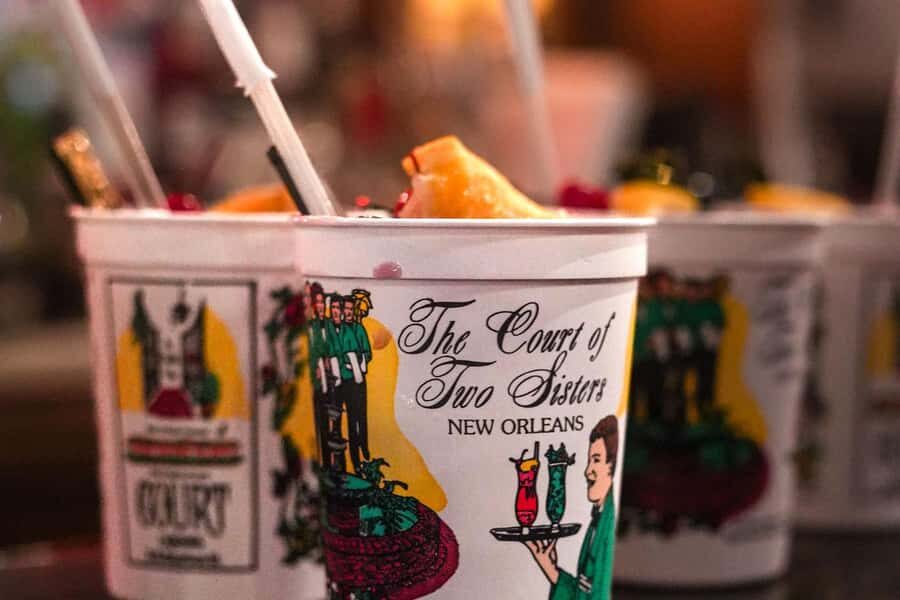
One of the most memorable parts is entering the Court of Two Sisters’ Carriageway Bar through its charm gates. The background detail is part of the payoff: wrought in Spain, blessed by Queen Isabella, and connected to a long-running reputation for lively life in this area.
You also get a sense of how the building has kept moving with time. The description notes it’s now world known for jazz brunch, with a courtyard canopied by a 130-year-old wisteria vine. Even if you’re only there for a tasting, the location explains why New Orleans does “hospitality theater” so well.
What you should watch for: don’t rush past the atmosphere. This stop isn’t just a drink counter. It’s where the tour teaches you to read the architecture like a clue.
And yes, drinks here are part of the experience—this is one of the places where you’ll see how the tour translates tradition into something you can actually sip.
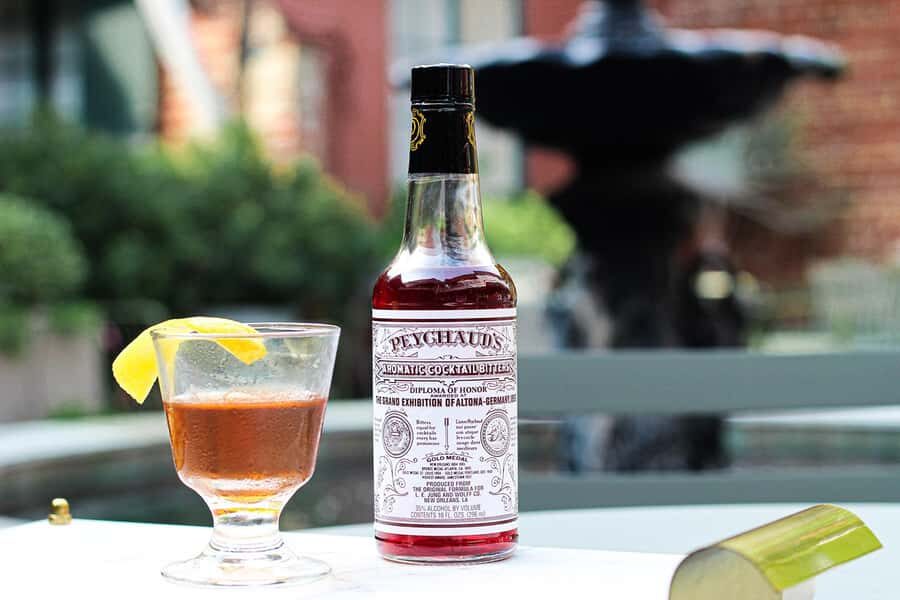
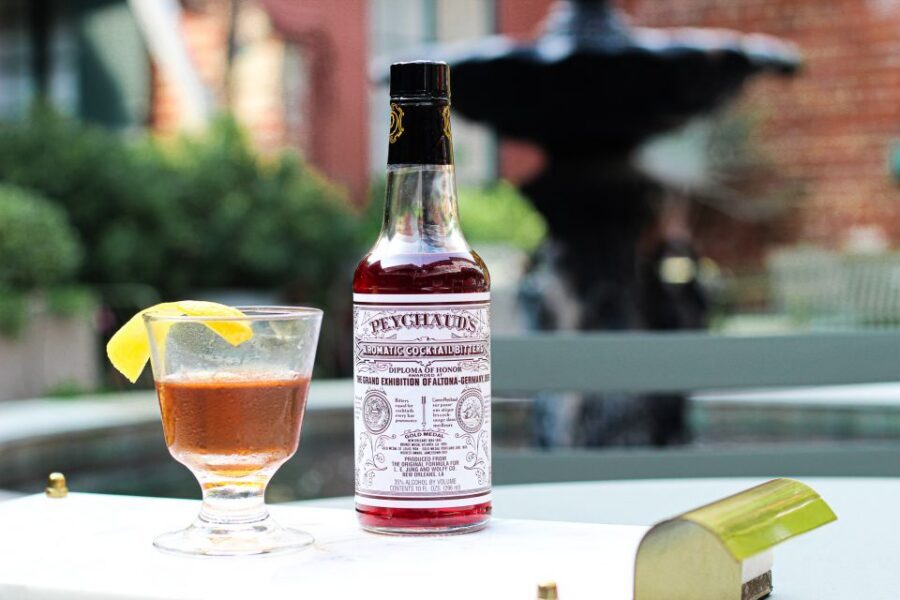
Antoine Peychaud and Peychaud’s Bitters: how Sazerac becomes a real place

Next, the tour slows down for one of New Orleans’s most important cocktail connections: Antoine Peychaud and his herbal Peychaud’s Bitters. The story goes right to the core ingredient that later became key to the Sazerac, described as America’s first cocktail and the official cocktail of New Orleans.
This is more than trivia. When you understand what the bitters were originally made to do, it changes how you taste anything Sazerac-related. You’re not just chasing a strong flavor—you’re tasting a legacy ingredient that helped shape a style of drinking in the city.
If you’re choosing between “I’ll be social” and “I’ll learn something,” this is where you get both. The guide’s job here is to connect a storefront-level story to a drink that became a symbol. That’s why this kind of guided tour can be worth real money: it helps you notice what you’d miss alone.





Absinthe and the St. Louis Cathedral side streets: the green fairy story hits differently
Then comes the stop near the St. Louis Cathedral area, where the tour frames a legendary pirate hangout and introduces the “green fairy” myth of absinthe. The tour shares how this mystical herbal elixir was linked to creative intoxication for authors, artists, poets, and musicians.
Even if you’ve heard absinthe stories before, hearing them tied to a specific corner of the Quarter changes the impact. You start thinking about why the city’s characters leaned into dramatic drinks: they wanted a mood, a persona, a story to carry home.
This is also a good reminder for your own expectations. The tour doesn’t treat alcohol like a checklist. It treats drinks like culture—something people argued about, mythologized, and used as part of their identity.
The other iconic bars: Pimm’s Cup and Vieux Carré energy
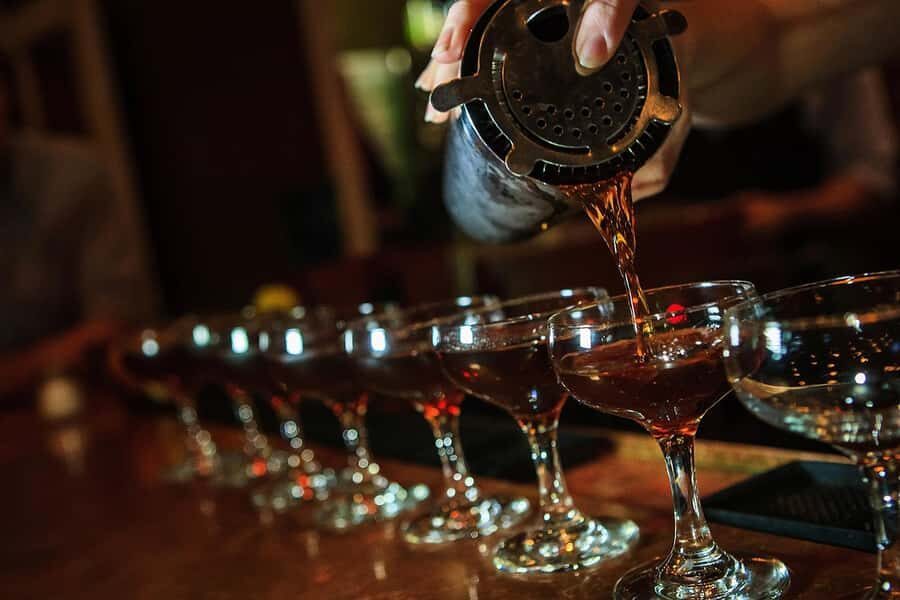
The walking route includes other classic French Quarter institutions tied to iconic drinks—especially spots associated with a Pimm’s Cup and the Vieux Carré. These are the kind of names that sound familiar once you’re in New Orleans, but they feel way clearer once you’re standing near the doorway and hearing why the drink belongs here.
This is also where the tour’s structure helps: you visit 4 famous establishments, but the included tasting is 3 classic craft cocktails. So you’ll have time at multiple stops to soak in the room, the bar layout, and the vibe, even if not every location comes with a full included drink moment.
If you’re worried about alcohol pacing, you can breathe here. Between drinks, the guide keeps moving with stories, so the experience doesn’t turn into just drinking and standing still.
Fritzel’s jazz pub finale: the music finish is part of the value
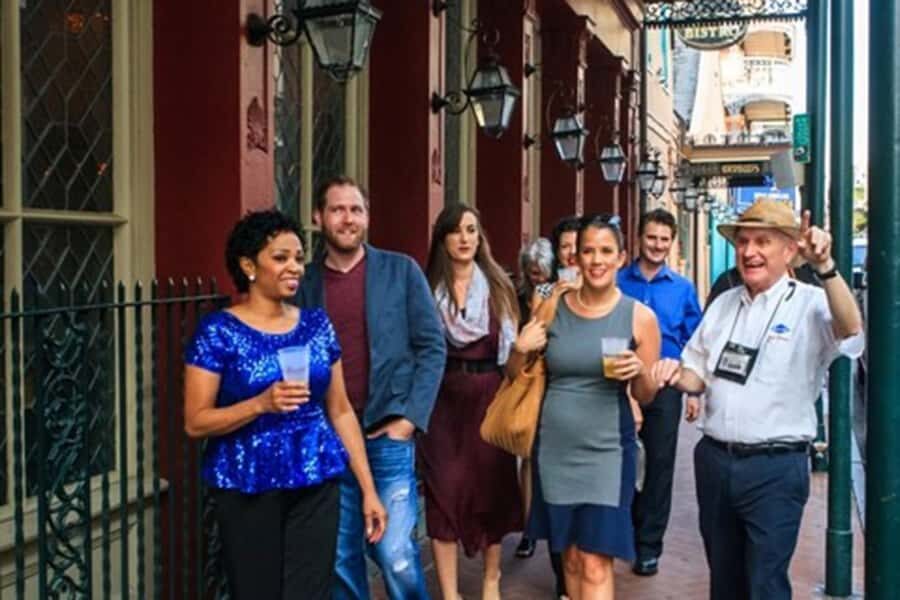
The tour ends at Fritzel’s, described as a jazz pub with a who’s-who feel for New Orleans jazz. The point isn’t only the bar; it’s that you can roll right into live music energy at the end of your walk.
You’re welcome to stay for the show, and the tour notes you can then walk to dinner afterward since there are plenty of French Quarter restaurant options nearby. That makes the finish practical: you get a built-in transition from sightseeing into evening plans.
Even if you don’t stay for a set, Fritzel’s serves as a fitting punctuation mark. The whole tour is about how drinks connect to people, places, and nightlife—and the jazz finale makes that link feel obvious.
What the $68 price buys you (and when it feels like a bargain)
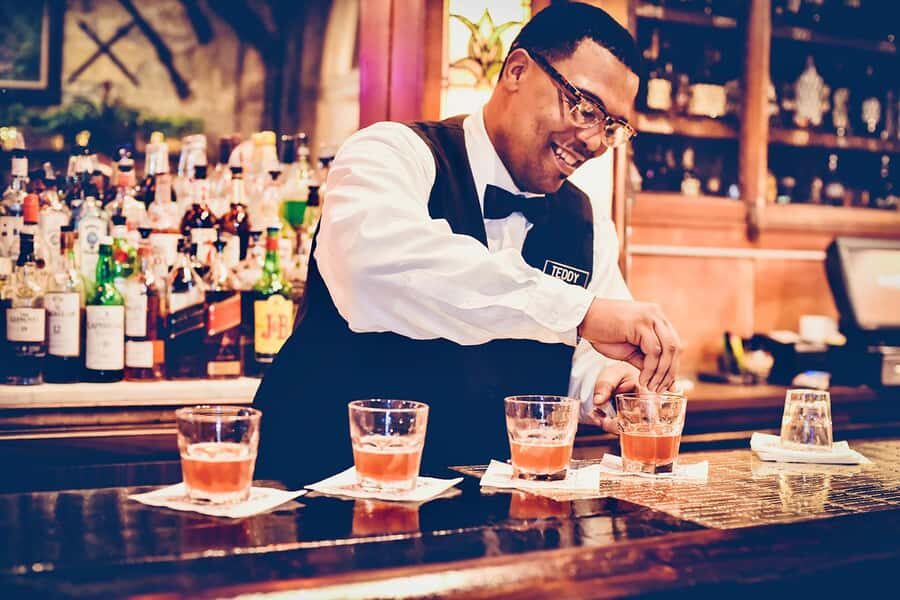
At $68 per person for about 2.5 hours, the price feels strongest because it includes a tour guide plus 3 craft cocktail tastings. In other words, you’re paying for a guided route and storytelling, but the alcohol isn’t tacked on after you’ve already committed.
Extra beverages are available for purchase along the way, but the included tastings are the anchor. That’s the key for value: you can taste a good range of classic flavors without turning your afternoon into an open-ended bar bill.
Is it worth it if you’re not a die-hard cocktail person? I’d say yes, if you want an organized introduction. You’ll learn where famous ingredients and legends connect to the Quarter’s streets and buildings.
Is it worth it if you love staying sober and sipping slowly? It can still be fun for the history side, but the experience is clearly built around alcohol tastings. If that’s not your thing, you might prefer a history-focused walking tour instead.
Who this tour suits best (and who might want a different plan)
This tour is a great match for you if:
- you want an easy French Quarter walking route that doesn’t require planning each stop
- you like cocktail culture tied to landmarks, especially Sazerac and the absinthe myth
- you enjoy guides who tell stories with names, places, and character-driven context
It’s a weaker fit if:
- long walks on uneven streets and steps inside older buildings will feel stressful
- you hate the sound of alcohol-focused sightseeing (this is not a museum-style history-only tour)
- you need fully accessible venues without any stair interruptions
The good news: the tour notes that special arrangements may be possible with your guide at the start for wheelchair users. So if accessibility is part of your planning, ask early and be upfront.
Final take: should you book this afternoon cocktail walking tour?
If you want a fun, structured way to see the French Quarter while learning why certain drinks became symbols, I’d book it. The combination of 4 iconic stops, 3 included cocktail tastings, and a licensed guide makes the afternoon feel purposeful instead of random bar-hopping.
I’d especially recommend it for first-timers who want to understand the Quarter quickly—because the stories connect the dots between streets, buildings, and famous classics. Just go in with comfy shoes, an appetite for narrative, and the understanding that at the end, you’ll likely want a jazz set plan for the evening.
FAQ
What’s included in the New Orleans afternoon cocktail walking tour?
You get a tour guide and 3 craft cocktail tastings during the 2.5-hour guided walking tour. Additional beverages are available for purchase along the route.
Where do I meet for the tour?
You meet at the Gray Line Lighthouse, 400 Toulouse St, New Orleans, LA 70130, behind Jax Brewery. Arrive at least 15 minutes early to exchange your voucher for a ticket.
How long is the tour?
The tour lasts about 2.5 hours. Starting times vary by availability, so you’ll need to check the schedule for your preferred start.
How old do I need to be to join?
You must be 21 or older to take this tour.
Is the tour difficult to walk?
It’s a walking tour on uneven sidewalks and streets, and some venues have steps. You should wear comfortable shoes. Special arrangements may be possible with your guide for accessibility needs.
Do I have to bring ID?
Yes. You should bring a passport or ID card.