REVIEW · NEW ORLEANS
New Orleans Cemetery and Paranormal Investigation Bus Tour
Book on Viator →Operated by NOLA GhostRiders · Bookable on Viator
Night cemeteries change how you hear New Orleans. On this 2-hour bus tour, you hop between famous burial grounds and other haunted-seeming stops, with an onboard guide and paranormal communication tools to help you take part.
I especially like two things. First, the route mixes Masonic and Catholic burial styles, so you’re not just seeing one kind of tomb. Second, the vibe is interactive: your guide leads the hunt and helps you use the included EMF reader during the cemetery time.
One consideration: the schedule is tight, and some stops can feel brief, so if you want long, deep cemetery wandering, this may not scratch that itch. Also, the on-bus narration can depend on the guide and sound level.
In This Review
- Quick hits you’ll care about
- How This 2-Hour Night Bus Tour Really Works
- The City Park Warm-Up Stop: More Than a Pretty Detour
- Masonic Temple Cemetery #2: Square-and-Compass Design You Can Actually See
- Catholic Tomb Styles and Other Cemetery Stops on the Route
- Hurricane Katrina Memorial: The Darkest Turn, Done With Respect
- The Paranormal Investigation Portion: EMF Tools, Music, and How to Get Answers
- Price, Time, and What You’re Really Paying For
- Guides and Group Vibe: Why the Person Matters Here
- Who Should Book (and Who Should Skip)
- Should You Book This NOLA GhostRiders Cemetery and Paranormal Tour?
- FAQ
- What is the duration and price of the New Orleans Cemetery and Paranormal Investigation Bus Tour?
- Where does the tour start and end?
- What kind of paranormal tools are provided?
- Which cemetery stops are included?
- Does the tour include Marie Laveau’s tomb?
- Is there a stop at the Hurricane Katrina Memorial?
- What should I wear and plan for?
Quick hits you’ll care about
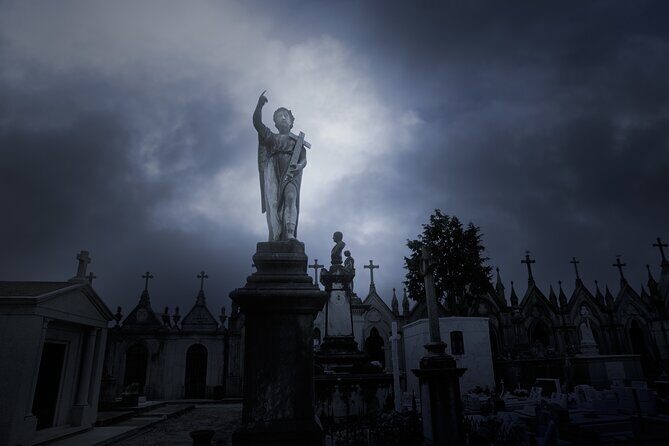
- Masonic Temple Cemetery #2’s layout feels like a built-in symbol lesson, not just pretty stone.
- After-dark cemetery time gives the stories more weight than daytime sightseeing.
- EMF tools are provided, and your guide helps you use them.
- Katrina’s impact is part of the route, not treated like a spooky side quest.
- Group size stays small-ish (up to 24), which helps when you’re stopping and listening.
- Not every stop is a cemetery, so keep expectations aligned with a bus-style tour.
How This 2-Hour Night Bus Tour Really Works
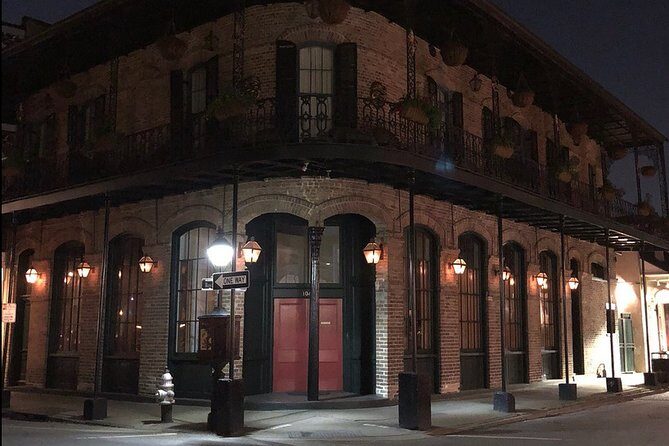
This is the bus version of a cemetery night out. You meet at the Voodoo Tavern and PoBoys on Decatur Street (right in the French Quarter), then the plan is to cover multiple sites with a mix of storytelling, short walks, and a guided paranormal attempt.
The tour runs about 2 hours, which is both its strength and its limitation. It’s strong because you can fit a night cemetery experience into a busy trip day. It’s limited because you can’t expect long stays at every location, even when the sites are famous.
One practical tip: bring shoes you can walk in comfortably, but also bring patience for the stop-and-go rhythm. You’ll spend some time riding, and you’ll likely have at least one quick break stop along the way. If you tend to prefer slower, foot-only tours, you’ll want to plan your expectations around a schedule that includes driving.
You’ll get live commentary on the bus, and you’ll also get cemetery time for the investigation portion. For the paranormal side, the included EMF reader (and other communication tools) are part of the experience, and your guide is there to help you use them. Just don’t assume you’ll be an expert in five minutes—ask the guide to repeat the basics if anything is unclear.
You can also read our reviews of more tours and experiences in New Orleans.


The City Park Warm-Up Stop: More Than a Pretty Detour
City Park is the kind of New Orleans place that makes you understand why people fall for this city. Even though it’s not a cemetery, it works as a mood-setter: big trees, mossy canopies, and that old-park feeling that makes the rest of the evening hit harder.
This tour includes a stop at City Park, described as an outdoor oasis with history stretching back to the mid-1800s. It’s also where the tour can help you get your bearings—literally and emotionally—before you head into darker ground.
That’s the value for you: you’re not thrown straight from neon streets into graveyard gloom. You get a breather and a visual contrast. You also get a short dose of New Orleans atmosphere without adding a whole extra attraction ticket.
The possible drawback is simple: if you’re only here for tombs and nothing else, you may feel that City Park time cuts into cemetery time. It’s still a smart start for first-timers, but cemetery-focused folks should mentally budget it as a warm-up, not the main event.
Masonic Temple Cemetery #2: Square-and-Compass Design You Can Actually See
Your first major cemetery stop is Masonic Temple Cemetery #2. This is one of those places where the design isn’t just decoration—it’s part of how you read the cemetery.
The cemetery was founded in 1865 by the Grand Lodge of the State of Louisiana Free and Accepted Masons, and its character differs from the Catholic cemeteries you’ll likely see elsewhere in town. Instead of the more recognizable Catholic wall vault vibe, Masonic burial lots and communal planning show up in how the tombs are arranged.
Here’s what makes the stop worth your attention:
- It spans two oddly shaped city blocks, with Conti Street bisecting the area.
- The overall shape and interior walkways are planned in a way that echoes the square-and-compass theme.
- Cast-iron picket fences divide sections, and oak-lined walkways give it a structured feel.
- The tombs sit in tight rows, with a wider paved promenade cutting through to help visitors move between sections.
That layout matters for your experience. You’ll notice you’re not aimlessly wandering. Even if you’re doing it briefly, you can “read” the cemetery as a designed symbol space, not just a collection of graves.
For the paranormal portion, Masonic Temple Cemetery #2 is also a strong match. The setting is built for the night vibe: quiet rows, hard lines, and the kind of enclosed-feeling lanes where your imagination starts doing extra work.
One caution: some people want a long list of famous names and specific burial stories. The tour includes burial-method discussion, but if you’re expecting a who-was-who deep dive for every person, you might find the pacing too fast. The good news is that the structure of the cemetery helps you follow along anyway.
Catholic Tomb Styles and Other Cemetery Stops on the Route
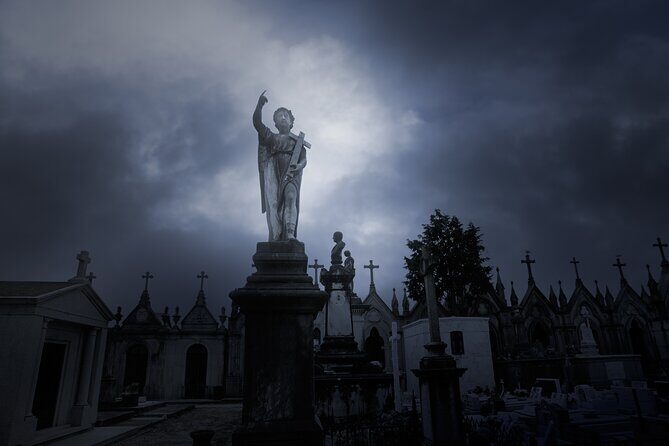
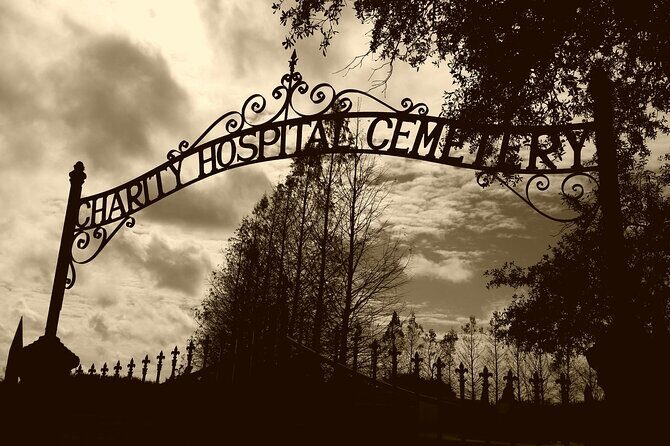
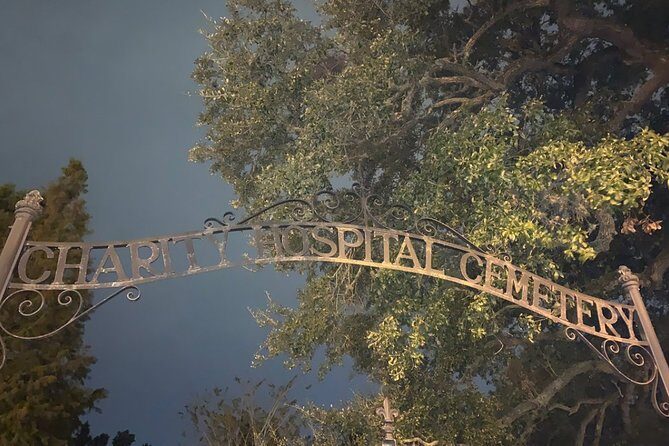
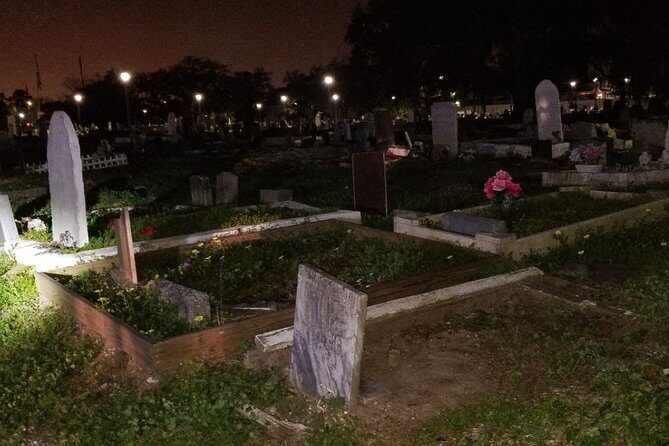
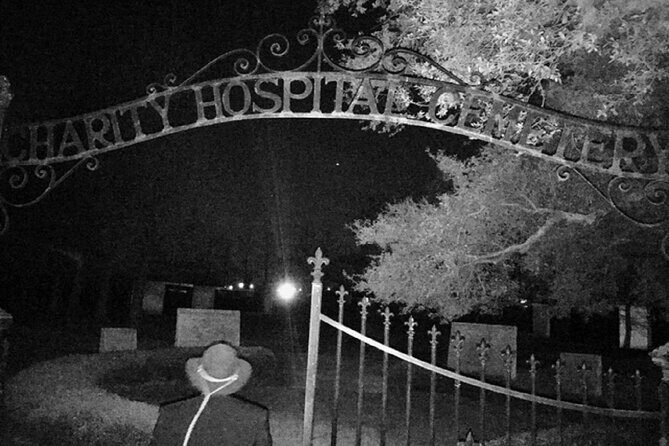
After the Masonic cemetery, your route typically includes other famous New Orleans burial grounds. The tour information lists stops such as St. Louis Cemetery #3, the Holt Cemetery, and Charity Hospital’s pauper’s field. Depending on the exact running plan, you’ll likely get a mix of burial traditions and reasons people were buried the way they were.
Why this matters: New Orleans doesn’t do “one cemetery style” well. Catholic cemeteries often look and feel different from Masonic ones, and pauper’s field history adds a stark, human layer that isn’t about romantic ghost stories. When all those styles sit side by side in one night, the city’s past feels less like trivia and more like a system—religion, wealth, survival, and memory all shaping what you see above ground.
Also, this is a bus tour, so you shouldn’t expect to do full, slow sightseeing. You’ll get guided context and enough time to notice the big visuals, then you’ll move on.
A helpful mindset for you: treat each stop as a snapshot. At a place like St. Louis Cemetery #3, the visual cues may hit you fast, and the guide’s job is to connect those cues to the broader story of funerals, community, and how New Orleans manages death in public view.
If you’re a detail lover, bring a note app and jot down any names the guide mentions, then look them up later. That’s the easiest way to turn a fast night tour into a deeper understanding without fighting the schedule.
Hurricane Katrina Memorial: The Darkest Turn, Done With Respect
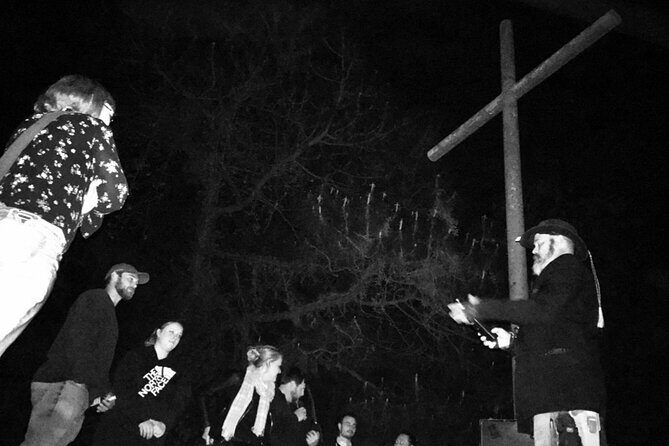
One of the most important parts of this tour is the way it brings in Hurricane Katrina’s lasting effects. The tour includes time to pay respects at the Hurricane Katrina Memorial Cemetery, and it also mentions visiting Odd Fellows Rest, associated with members of a lesser-known society.
This section is not just flavor text. Katrina is woven into the evening as a moment to remember the people and communities who were hit hardest, not just a spooky setting change.
For you, the value here is balance. New Orleans ghost tours can slide into pure spectacle fast. Adding Katrina reframes the night: the stories you’re hearing stop being just about haunting and start being about real-world loss and long recovery.
It also adds emotional weight, so if you prefer lighter, purely entertainment-focused “creepy” tours, be ready for the mood shift. It’s still part of the program, and you should go in understanding that this is a respectful memorial moment.





The Paranormal Investigation Portion: EMF Tools, Music, and How to Get Answers
The paranormal side is built around communication tools, with an EMF reader as the key item. Your guide helps you use it, and the goal is to give you something to do during the cemetery time, not just listen from the sidewalk.
In practice, your experience here depends on how much the guide can keep the group on track. Some guides run these sessions with clear instructions and a lot of encouragement, and you can end up capturing interesting moments on your camera and feeling that tingle.
Other times, the paranormal component can feel more like a guided activity with less explanation. One theme that shows up in real-life experiences: people may be told to use an app or equipment, but not everyone gets a smooth “here’s how it works, step by step” walkthrough. If you’re the kind of person who needs clear tech instructions, don’t be shy—ask for a quick reset.
Also, listen with your head, not just your ears. One comment people share is about sound on the bus and hearing narration. If you want the stories clearly, try to sit where you can hear the guide without competing noise. If you’re sensitive to audio, earplugs can be a lifesaver.
And here’s the practical take: the paranormal hunt isn’t a lab. It’s an experience designed to get you looking, listening, and reacting. If you treat it like entertainment with a bit of experiment energy, you’ll likely enjoy it more.
Price, Time, and What You’re Really Paying For
At $30 per person for about two hours, you’re paying for three things at once:
1) guided cemetery access after dark,
2) transportation between sites,
3) the paranormal tool experience included in the program.
That mix is good value if you don’t want to plan driving, timing, and entry tickets yourself. It’s also good if you want the social and story energy of a group night.
But there’s a fair tradeoff. Some people feel disappointed when the tour includes a non-cemetery stop (like a cafe break or a quick stop at another landmark) and the cemetery time feels short. Since this is a bus schedule, you should expect some driving time and quick transitions.
So the best match for $30 is someone who wants a fun, guided night that hits several major themes without requiring a full, self-guided itinerary. If you’re already the type who does cemeteries on your own and wants maximum time on stone faces, you might prefer a longer walking tour.
One smart way to protect your expectations: go in for the overall experience—Masonic vs Catholic contrast, a Katrina memorial moment, and a guided ghost-hunt attempt—rather than for the promise of five-hour cemetery wandering.
Guides and Group Vibe: Why the Person Matters Here
This tour experience is guided by NOLA GhostRiders, and the guide can make a big difference in how the evening feels. Names that come up in people’s experiences include Kendall, Roy, Henry, and Trish.
What you’ll want to look for in a guide style:
- a strong mix of history and humor
- clear directions for the investigation portion
- an ability to keep the bus moving and the group engaged
- respect in the Katrina memorial segment
When it works well, the guide turns the trip into a shared story night. You get community energy on the bus, and you feel like the guide is paying attention to the people in front of them, not just reading from a script.
When it doesn’t work as well, the biggest issues tend to be missing narration, sound problems, or not enough depth on the historical figures. That’s not a dealbreaker for everyone, but it is worth your attention if you want a more academic tour vibe.
Bottom line: if you’re booking, you’re booking for the guide’s delivery as much as for the stops.
Who Should Book (and Who Should Skip)
You’ll likely love this tour if:
- you want after-dark cemetery atmosphere without planning logistics
- you like a mix of spooky and historical storytelling
- you’re curious about New Orleans burial traditions, not just ghost legends
- you enjoy an interactive paranormal attempt with EMF-style tools
- you want a respectful Katrina memorial moment included in the program
You might want to choose a different tour if:
- you want long time in multiple cemeteries for serious photography and close reading
- you expect nonstop detailed narration for every site
- you’re sensitive to group audio and need super quiet, calm commentary
- you need wheelchair access, since the bus is not wheelchair accessible and you must be able to walk and navigate a few steps
It’s also generally described as family friendly for ages 6 and above, but the content can include morbid tales. For younger kids, I’d treat this as a “try it if your child handles creepy stories” situation.
Should You Book This NOLA GhostRiders Cemetery and Paranormal Tour?
If your goal is a guided, night-time New Orleans cemetery experience that mixes Masonic design, Catholic burial styles, a Katrina memorial stop, and a real attempt at a paranormal investigation, then this is a strong pick for the money.
I’d book it if you’re the type who values atmosphere and storytelling and you’re okay with a tight schedule. The EMF tool setup, the guide-led hunt, and the contrast between cemetery traditions are exactly the kind of “one night, many insights” deal that makes New Orleans tours worth it.
I’d skip it if you want maximum time at every cemetery or you need deep, figure-by-figure historical detail. In that case, you’ll probably feel rushed, and the bus time can eat into the moments you came for.
FAQ
What is the duration and price of the New Orleans Cemetery and Paranormal Investigation Bus Tour?
The tour lasts about 2 hours and costs $30.00 per person.
Where does the tour start and end?
The tour starts at Voodoo Tavern and PoBoys, 1140 Decatur St, New Orleans, LA 70116, and it ends back at the meeting point.
What kind of paranormal tools are provided?
The tour includes tools to communicate with the paranormal, and your guide will help you use the included EMF reader during the cemetery investigation.
Which cemetery stops are included?
The tour typically visits Charity Hospital pauper’s field as well as the Masonic Temple Cemetery #2, St. Louis Cemetery #3, the Holt Cemetery, and others.
Does the tour include Marie Laveau’s tomb?
No. Marie Laveau’s tomb is in St. Louis cemetery 1, which is not included on this tour.
Is there a stop at the Hurricane Katrina Memorial?
Yes. The guide explains the lasting effects of Hurricane Katrina, you can pay respects at the Hurricane Katrina Memorial Cemetery, and the tour also includes a visit to Odd Fellows Rest.
What should I wear and plan for?
Wear comfortable shoes and layered clothing as weather dictates. The bus is not wheelchair accessible, and you must be able to walk and handle a few steps to board and exit.