REVIEW · NEW ORLEANS
New Orleans: The Premier Food Tour — Your Must-Do Activity
Book on GetYourGuide →Operated by The Premier New Orleans Food Tour · Bookable on GetYourGuide
French Quarter tastes start with a story. On this Premier Food Tour, I love how the French Quarter walking route blends Creole-Cajun history back to 1718, and how guide Naif makes each tasting feel like a scene from the city. You’ll also get a generous run at classics like jambalaya and crawfish étouffée, plus a final Creole pecan praline.
At $81 and about three hours, it’s food-forward, so don’t plan on a big dinner right after. Ice water is included at each stop, but adult drinks are extra. Also, it’s a walking tour, so bring comfortable shoes and expect the usual French Quarter crowd energy near sights like Jackson Square.
In This Review
- Key highlights worth knowing
- French Quarter Walking Food Tour That Teaches While You Eat
- Market Cafe Start: Easy to Find, Quick to Get Moving
- Four Restaurants, One Clear Goal: Tastings That Add Up
- What the History Stops Actually Add (1718 to Today)
- Walking Time, Timing, and How to Not Feel Rushed
- Ice Water, No Included Drinks, and Why That’s Not a Deal-Breaker
- Guides Make the Difference: Naif, Brian, Nate, and the Story Style
- Value at $81: Four Tastings, Dessert, and a Walking History Lesson
- Who This Tour Fits Best (And Who Might Prefer Another Plan)
- Should You Book The Premier Food Tour in New Orleans?
- FAQ
- Where does the tour start?
- When should I arrive for the 1:00 tour start?
- How long is the food tour?
- What food will I try on the tour?
- Are drinks included?
- Can the tour accommodate dietary concerns?
- Does the tour cancel due to rain?
- Do children need a ticket?
- What is the cancellation policy?
Key highlights worth knowing
- Four restaurant tastings across Creole and Cajun favorites (like gumbo, jambalaya, and étouffée)
- Creole pecan praline dessert to close things out
- Ice water at each stop plus optional adult beverages for purchase
- Architecture and landmarks along the way, including Jackson Square and St. Louis Cathedral
- Guide-led history with clear explanations of Creole vs Cajun influences
- Dietary accommodations available if you let the team know ahead of time
French Quarter Walking Food Tour That Teaches While You Eat
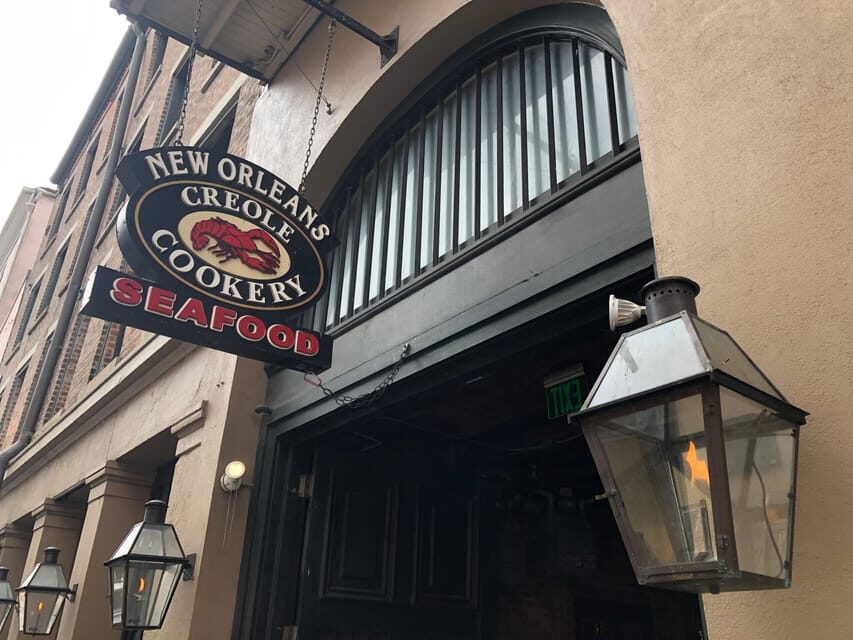
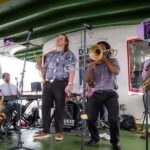
The French Quarter can look like pure theatre: balconies, brass bands, and the kind of streets that feel like they’ve been performing for centuries. This tour adds a script. You don’t just get handed plates. You get the why behind the food, tied to the cultural mix that shaped New Orleans—starting from the early 1700s and moving to what you’re tasting today.
What I like is the tone. It’s not stiff. It’s not just facts on repeat. Guides such as Naif, Brian, and Nate have a knack for turning food into stories you can remember later—like what makes Creole flavors different from Cajun ones, and how spices, ingredients, and technique evolved with the city.
You should also know this is a real eating plan. By the end, many people feel properly full. That’s not a “maybe” thing. So if you’re the kind of eater who always thinks there’s room for one more bite, plan to be pleasantly wrong by the last stop.
You can also read our reviews of more food & drink experiences in New Orleans

Market Cafe Start: Easy to Find, Quick to Get Moving
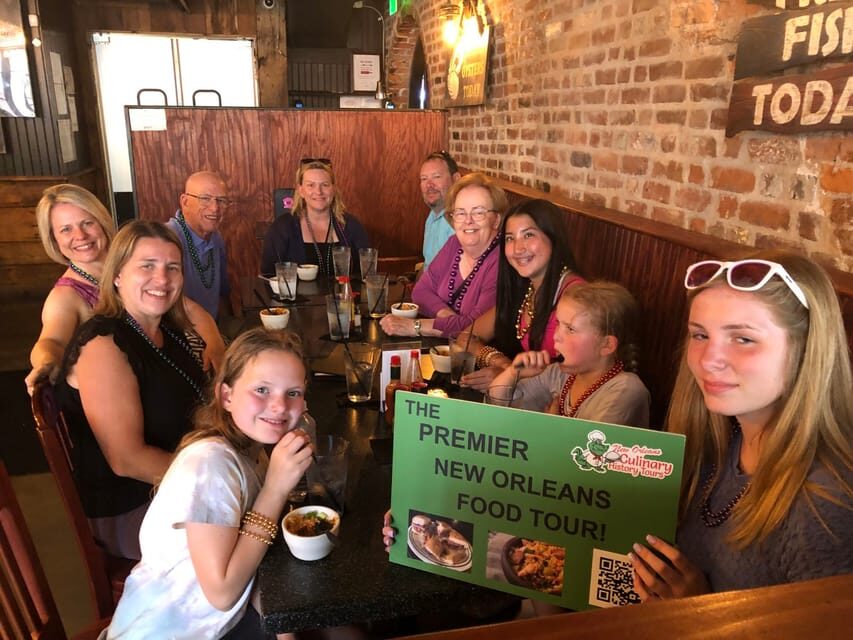
Your tour begins at Market Cafe, 1001 Decatur, right by the golden statue of Joan of Arc. The meeting point is specific on purpose. The guide is there watching for you, so you’re not wandering around trying to match faces with a description from your inbox.
Plan to arrive early. The tour starts at 1:00, and you’ll want to meet your welcoming guide by 12:45. That buffer matters because you’ll kick off with a smooth start—photo moment vibes, quick orientation, then you’re off into the French Quarter.
This first stretch is about getting your bearings fast. You’ll walk past historic architecture as the guide sets the culinary and cultural stage. If you’ve never been to New Orleans, this is the time to learn the layout and pick up the “feel” of the neighborhood before you go off on your own.
And yes, you’ll see big-picture landmarks during the experience, including Jackson Square and the St. Louis Cathedral. The tour doesn’t treat them like background. It connects them to the story of the city.
Four Restaurants, One Clear Goal: Tastings That Add Up
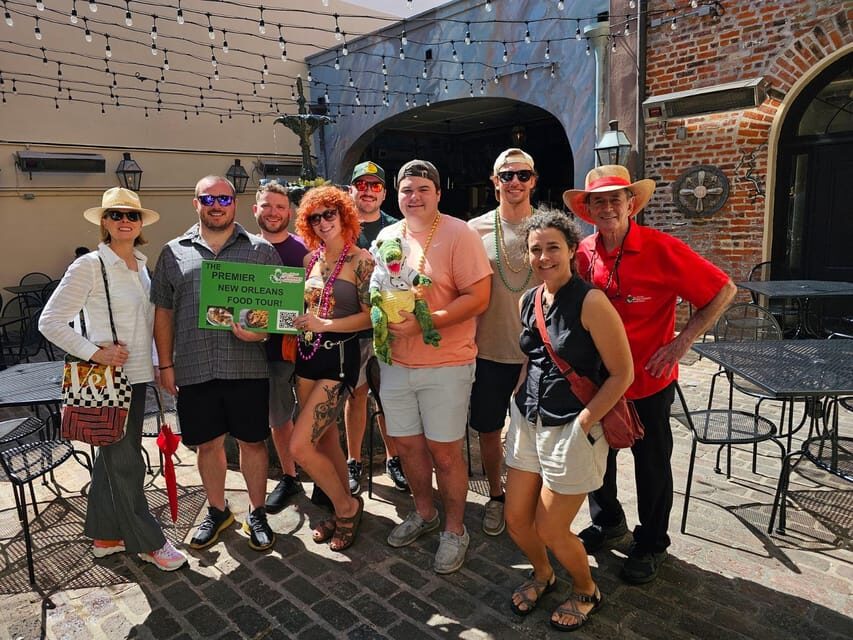
The heart of the tour is simple: you’ll visit four top-rated restaurants for tastings that showcase Creole and Cajun cooking. Items can vary, but the tour is built around the classics—so even if your exact menu changes slightly, you should still expect the flavors New Orleans is known for.
Here’s what you can look forward to across the stops:
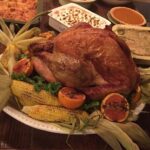
- Creole jambalaya with perfectly spiced flavors
- Gumbo, often in Cajun/Creole style (the tour includes variations like duck and andouille in the description)
- Crawfish étouffée
- Muffaletta (described as a Sicilian-style muffaletta sandwich)
- Additional hearty options such as roast beef sliders (also listed in the tour’s included items)
- A final Creole pecan praline for dessert
What makes this format valuable is pacing. You’re not sitting through one long meal. You’re sampling across the neighborhood, which is perfect for a walking tour. Each restaurant stop gives you a chance to taste, ask questions, and reset your palate before the next chapter.
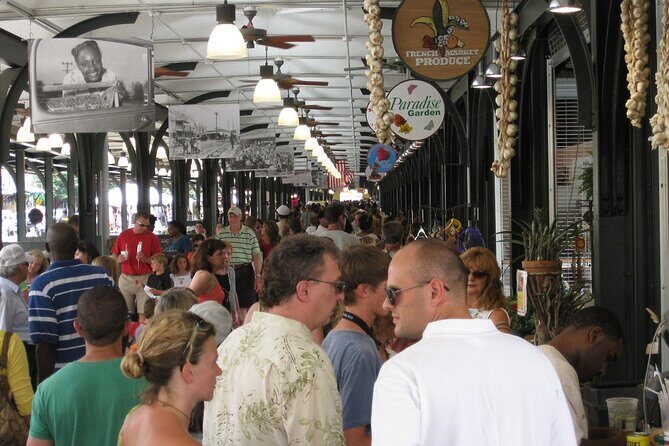
You’ll also get an example of how local food isn’t just what’s on a menu. One stop includes a food market visit, which helps you understand ingredients and textures instead of treating everything like a mystery box. Even if you’re not the type to shop on vacation, it adds context and makes the dishes land better later.
What the History Stops Actually Add (1718 to Today)
I’ll be honest: history tours can feel like homework. This one is more like a GPS for flavor.
Your guide explains the varied ethnic influences that shaped New Orleans cuisine, starting from 1718 and connecting forward to what you’re eating in the French Quarter today. That helps because Creole and Cajun food aren’t random. They’re the result of trade, migration, and local adaptation—ingredients and techniques meeting a culture that likes to do things a bit differently.
A common praise point from people who’ve taken the tour is that guides make the differences clear, like Cajun vs Creole. That matters because once you understand the terms, you can order with confidence. You stop thinking, What’s the difference again? and start thinking, Oh, I get why this tastes the way it does.
You’ll also hear stories tied to landmarks and the neighborhood’s identity. You’ll see Jackson Square and St. Louis Cathedral during the route, but the tour frames them as part of the city’s changing story—not just postcard stops.
Walking Time, Timing, and How to Not Feel Rushed
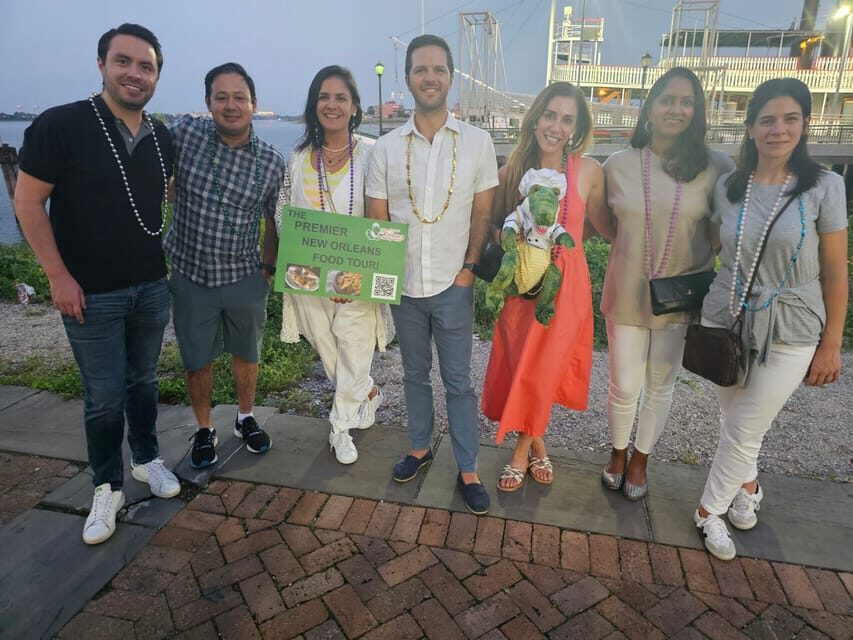
This is a three-hour walking experience. The stops are timed in blocks rather than a sprint. Expect multiple restaurant visits, plus photo moments and sightseeing, with durations that range by stop (some are about 30 minutes, others closer to 45 minutes). There’s also a bit of downtime for looking around, not just eating and moving.
From the way the experience is described and how people talk about it, the walking is practical rather than punishing. One of the nice parts is that it’s structured for comfort: you’ll see a lot, but you’re not constantly doing marathon-distance shifts.
Still, don’t show up in fashion shoes and hope for the best. You’ll be on your feet in the French Quarter. Bring comfortable shoes, and if you’re sensitive to crowds, plan to take small breaks during photo stops. The city gets busy, and you’ll want your energy for the tastings.
You can also read our reviews of more tours and experiences in New Orleans

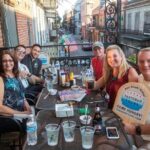
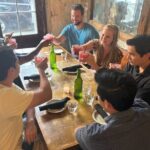
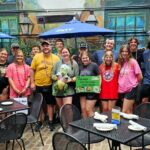

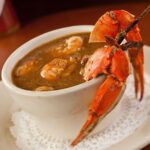
Ice Water, No Included Drinks, and Why That’s Not a Deal-Breaker
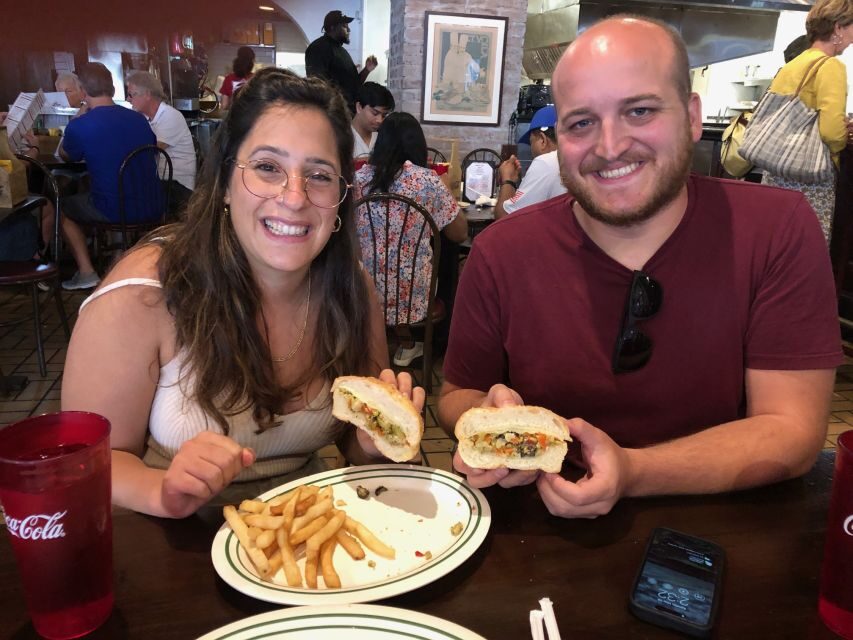
Here’s the deal: beverages aren’t included, but ice water is served at each stop. Adult beverages are available for purchase at the restaurants.
That setup actually helps the tour feel smooth. You’re not chasing refills or trying to negotiate drink menus while everyone else lines up for the next course. Water keeps you steady for the next taste, especially when you’re sampling multiple rich, spicy dishes.
If you like cocktails or wine, build that into your budget. Also remember that alcohol plus a walking tour can change how fast you taste. Some people love that. Others prefer sticking with water so they can focus on spice, texture, and the differences from stop to stop.
Bottom line: plan for the food cost to be the main event, and treat drinks as optional extras.
Guides Make the Difference: Naif, Brian, Nate, and the Story Style
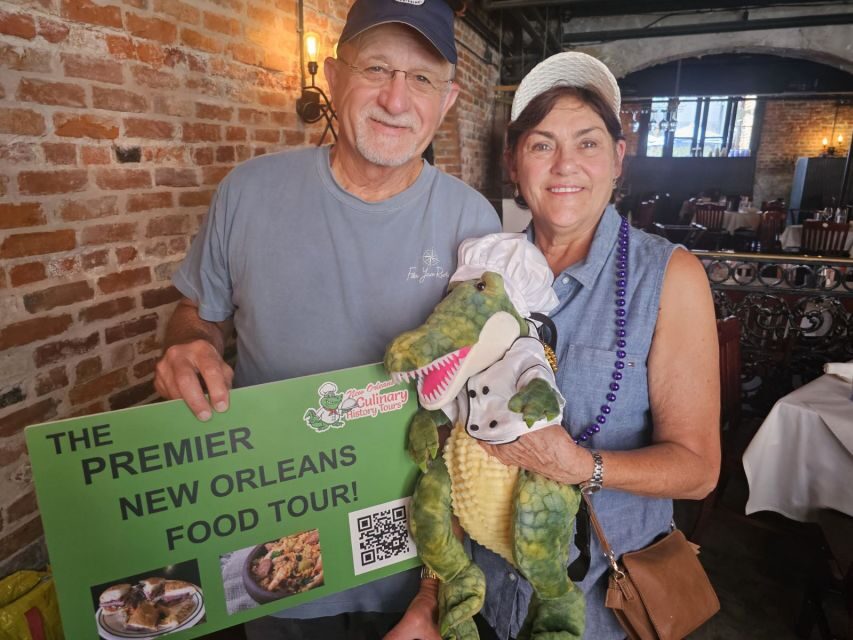
A guide can make or break a food tour. On this one, the most praised element is how guides connect the dots between the dishes and the city.
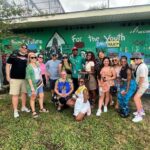
Naif is singled out repeatedly for being energetic, funny, and full of story. Brian also gets strong notes for going beyond the basics and sharing behind-the-scenes details about how certain foods are made, while also handling lots of questions with patience.
Nate comes up for mixing food quality with city context, and even when different guides lead, the pattern is consistent:
- They keep things friendly and easy to follow
- They explain why the food tastes the way it does
- They answer questions instead of rushing on autopilot
If you enjoy learning by talking—asking, comparing, comparing again—this format fits you. If you prefer a quiet tour where you don’t hear much, you might feel more engaged than you expected. But in most cases, that’s part of the fun.
Value at $81: Four Tastings, Dessert, and a Walking History Lesson
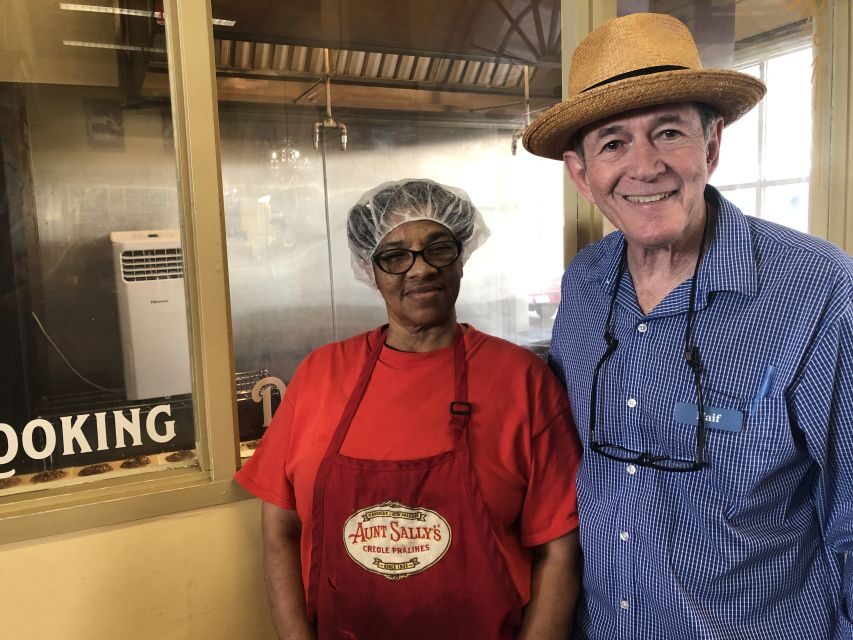
At $81 per person, you’re paying for a three-hour package: guide time, guided walking through the French Quarter, landmark sightseeing, and four restaurant tastings plus dessert.
So the key question is: is it worth it versus buying food on your own? For me, it usually is when:
- You want multiple classic dishes without doing research all day
- You’d like a guided route so you spend less time deciding where to eat
- You care about the cultural context, not just the meal
Also, the portions described in the experience and the feedback people share point to a “real lunch” feel. People often end up too full to keep eating after. That’s exactly what you want from a food tour: you’re not nibbling for fun while staying hungry.
One practical point: because beverages aren’t included, the final total depends on whether you buy drinks. If you skip alcohol, you’ll stick close to the advertised price. If you add cocktails, you’re in the restaurant-upcharge world like everyone else.
Who This Tour Fits Best (And Who Might Prefer Another Plan)
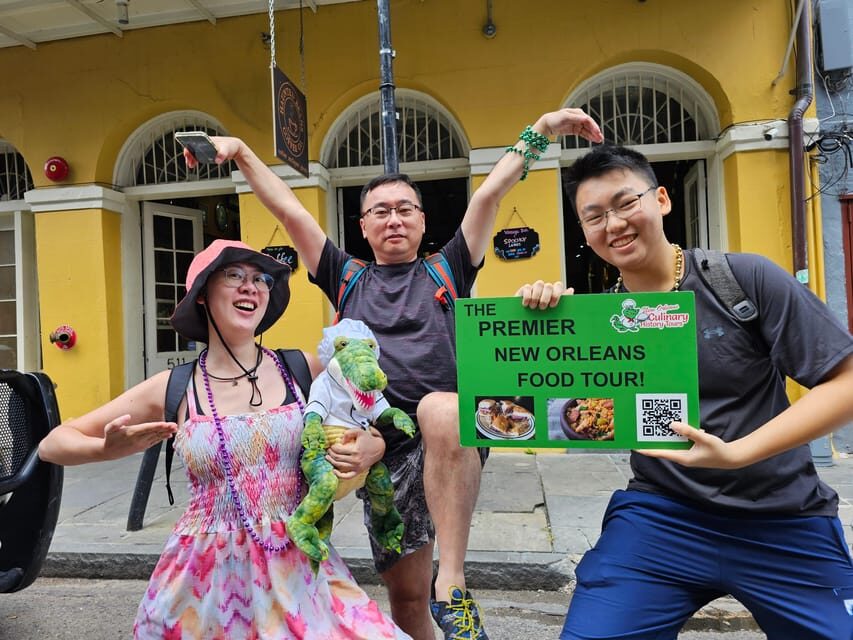
This is a great match if you want:
- A French Quarter introduction that’s food-centered but not one-note
- Clear explanations of Creole and Cajun culinary influences
- A walking experience that’s active enough to feel like you’re seeing New Orleans, but paced for enjoying each stop
- A tour suited for all ages, since it works as a family-friendly activity (with the note that the tour accommodates kids well when food-sharing happens)
If you’re the kind of traveler who wants a quiet museum-style route or a totally flexible “wander and graze” plan on your own schedule, this might feel more structured than you’d like. But if you want a guided hit of New Orleans flavor plus history, it’s hard to beat.
Should You Book The Premier Food Tour in New Orleans?
If you’re asking whether this is a must-do, I’d say it depends on how you like to travel. If you enjoy eating your way through a neighborhood and learning along the way, book it. This tour is built around classic dishes like jambalaya, gumbo, crawfish étouffée, and muffaletta, with a proper sweet finish in the form of Creole pecan praline.
The biggest “sign you’ll love it” is the guide element. When Naif, Brian, and Nate-style hosting is your thing, the experience can feel like a great afternoon with food stories instead of a checklist.
Skip it—or at least reconsider—if you hate walking, you’re determined to drink at every stop, or you’re the kind of traveler who wants to pick every meal yourself. Otherwise, come hungry, wear good shoes, and let the French Quarter guide your taste buds to the next stop.
FAQ
Where does the tour start?
The tour starts at Market Cafe, 1001 Decatur, next to the golden statue of Joan of Arc.
When should I arrive for the 1:00 tour start?
The tour starts at 1:00, and it’s recommended that you meet your guide by 12:45.
How long is the food tour?
The tour lasts about three hours.
What food will I try on the tour?
You’ll visit four restaurants for tastings. The tour includes items such as Creole jambalaya, gumbo, crawfish étouffée, and the muffaletta sandwich, and it ends with a Creole pecan praline. Other dishes like roast beef sliders may also be included, and items can vary.
Are drinks included?
Beverages are not included. Ice water is served at each stop, and adult beverages are available for purchase at each restaurant.
Can the tour accommodate dietary concerns?
Yes. If you have dietary concerns, you just need to let the tour team know ahead of time, and they will happily accommodate you.
Does the tour cancel due to rain?
No. The tour will not be cancelled due to rain.
Do children need a ticket?
If there is a young child who will share food with an adult, there is no need to purchase a ticket for them.
What is the cancellation policy?
You can cancel up to 24 hours in advance for a full refund.