REVIEW · NEW ORLEANS
New Orleans: Dew Drop Inn Guided Tour with Live Blues Show
Book on GetYourGuide →Operated by Dew Drop Inn · Bookable on GetYourGuide
Old-school New Orleans music, packed into 90 minutes. You get the Dew Drop Inn story with original artifacts and oral histories, then you end with a real live blues matinee tied to the roots of jazz, blues, and rock ’n’ roll. I like that the visit isn’t just about famous names, but about how this room fought segregation and became a meeting place for both straight and queer communities, and for Black and white patrons too. One possible drawback: you may spend more time in a museum talk than walking through lots of hotel rooms, and you could be seated at a shared table with others.
If you’re after the kind of New Orleans afternoon where history and music are braided together, this works. It’s also a good fit if you want a straightforward plan that includes food, not just a show. Just know there are house rules: flash photography isn’t allowed, and you can’t bring food or drinks from outside.
In This Review
- Key points to know before you go
- Where it starts: Dew Drop Inn Hotel & Lounge basics
- The guided history talk: artifacts, segregation, and the Green Book
- Lunch at the center of the experience: classic New Orleans buffet
- The live show: Mikhala Iversen and the Gerald French Band
- Why this venue matters: listening to the civil-rights and music connection
- What the 90 minutes really feels like (and how to plan your day)
- Who should book this and who might want to skip it
- Price and value: is $78 worth it?
- Should you book the Dew Drop Inn guided tour with live blues show?
- FAQ
- How long is the Dew Drop Inn guided tour and live blues show?
- What’s included with the ticket?
- Is the venue wheelchair accessible?
- Is flash photography allowed inside?
- Is smoking allowed?
- What ages is this experience suitable for?
Key points to know before you go
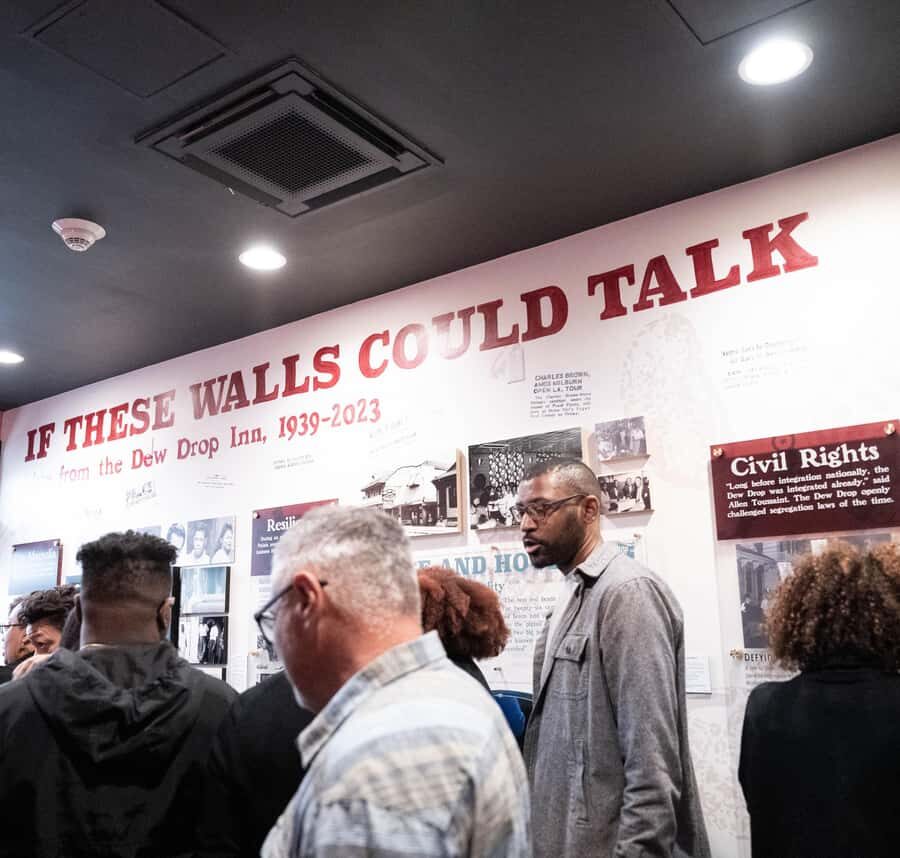
- Green Book listed venue: You’ll hear how the Dew Drop Inn fit into the Negro Motorist experience and welcomed visitors when travel could be unsafe.
- Music legends get context: Learn about Little Richard, Ray Charles, and others in a way that connects to how genres formed, not just dates and names.
- Tulane oral histories: The tour includes oral history material shared in partnership with Tulane University Special Collections.
- Original artifacts and photos: You’ll get exclusive access to items and rare archival visuals tied to the venue’s past.
- Live matinee show included: The performance features Mikhala Iversen and the Gerald French Band.
- Lunch is part of the price: You’ll eat an all-you-can-eat buffet of classic New Orleans cuisine.
Where it starts: Dew Drop Inn Hotel & Lounge basics

Your experience begins at the Dew Drop Inn Hotel & Lounge, which matters because you’re not just watching from outside. You’re starting in the place itself, the setting that helped shape the sound of American popular music.
This is a tight schedule—about 90 minutes total—so the pace is intentional. You’ll move from learning to eating to listening without long breaks. That’s a plus if you hate “three hours of standing around,” but it also means you won’t have time to wander the property on your own.
You can also read our reviews of more guided tours in New Orleans



The guided history talk: artifacts, segregation, and the Green Book
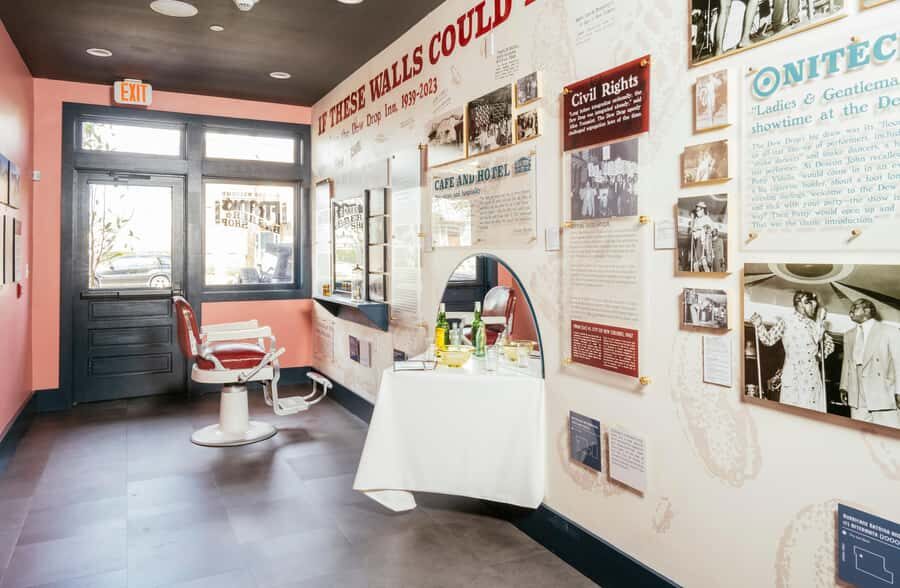
The heart of the program is a guided history segment that focuses on what the Dew Drop Inn meant culturally and socially—not only musically. Expect exclusive access to original artifacts and rare archival photographs, plus oral history collections shared in partnership with Tulane University’s Special Collections library.
Here’s the part I think you’ll remember: you learn how the Dew Drop Inn became a welcoming space during a time when segregation and exclusion were the norm. The story includes the venue’s fight against segregation and its role as a gathering place for both straight and queer communities, and for Black and white patrons alike.
Then the music story lands with names you’ll recognize:
- The venue is tied to Little Richard and his first performance of Tutti Frutti
- Ray Charles is described as someone who rested there many nights
- The stage also connects to major artists like Etta James, James Brown, Sam Cooke, Tina Turner, and more
What makes this section valuable is how it links the venue to the development of R&B and rock ’n’ roll, not just the idea that great artists happened to show up. You’re being taught to listen for the connections—how jazz, blues, and early rock influences move together in a space like this.
Practical note: one review detail you should factor in is that the program may feel more like a museum talk than a “walk-through tour” of multiple rooms. If your top priority is seeing lots of physical hotel spaces, go in expecting a focused narrative plus display access, not a long roaming tour.
Lunch at the center of the experience: classic New Orleans buffet
Your ticket includes an all-you-can-eat buffet lunch of classic New Orleans cuisine. In a 90-minute block, that’s a big deal: you’re getting fed while you learn and then you’ll head into the show with energy instead of hunting for food afterward.
I like the design here because it removes one of the usual trip headaches. You won’t need to time your day around restaurants. You also won’t have to choose between eating well and fitting in a historic music stop.
One practical thing to consider: if you’re picky about ingredients or you just like knowing what you’re eating, you might want to ask staff what’s in specific dishes. Some foods in New Orleans can be spicy, rich, and occasionally surprising to first-timers, and labels aren’t mentioned as part of the setup.
Also remember the rules: no outside food or drinks allowed inside. The venue wants the meal to be part of the experience, so plan to go hungry (in a good way) and let the buffet work its magic.
The live show: Mikhala Iversen and the Gerald French Band
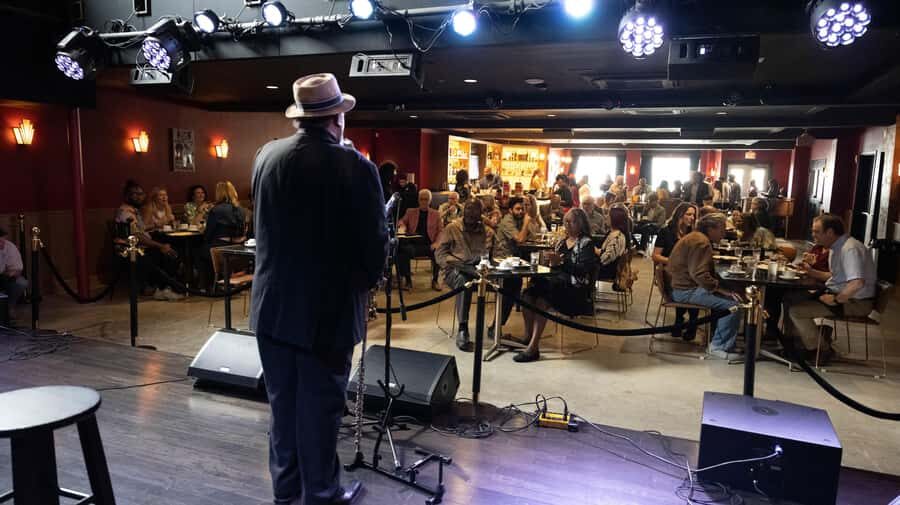
After the guided history portion and lunch, you move into the performance. The included show is a jazz matinee featuring Mikhala Iversen and the Gerald French Band.
This is where the experience becomes more than explanation. The performance is built to connect the roots of:
- jazz
- blues
- rock ’n’ roll
You’re not just hearing music as entertainment. You’re hearing it as a story—how styles evolved and how performers carried those sounds forward from one era to the next.
In my view, the best way to enjoy the show is to let the venue’s context guide your listening. If you’ve just learned about the artists and the social role of the Dew Drop Inn, you’ll catch more meaning in the vocals, the phrasing, and the band’s momentum. It’s a strong pairing: history first, then music that explains itself through performance.
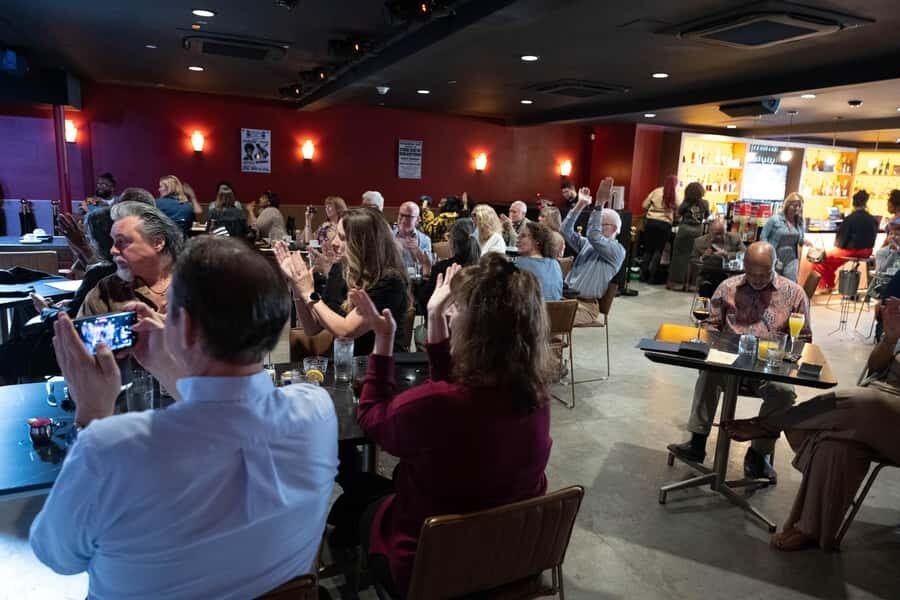
Group note: seating can be shared. One account described sitting at a large table with others, which is fine if you enjoy a casual vibe, but it may feel a little less intimate for couples who were hoping for a private, two-person setup.
Why this venue matters: listening to the civil-rights and music connection

A lot of New Orleans music spots tell you who played there. This one aims to tell you why the Dew Drop Inn mattered beyond the spotlight.
The tour’s emphasis on the fight against segregation and its role as a welcoming space for different communities isn’t “side trivia.” It changes how you interpret the music that came out of the place. When you understand the social pressure and the cultural courage behind the room, you can hear how performers built community through sound.
The venue’s connection to the Negro Motorist’s Green Book listing adds another layer. It’s a reminder that travel, safety, and belonging were deeply political. That context helps the music story feel grounded rather than only ceremonial.
And on the music side, the venue’s influence is framed as formative—connected to the growth of R&B and rock ’n’ roll, with the Dew Drop Inn acting like a crossroads where styles could braid together. If you’re the type who likes to understand the “how did we get here?” question, this structure is satisfying.
You can also read our reviews of more tours and experiences in New Orleans
What the 90 minutes really feels like (and how to plan your day)
Since the entire block is about 90 minutes, you’ll want to plan around a compact itinerary. This isn’t a half-day excursion in the “slow and wandering” sense. It’s closer to a curated afternoon program: history segment, lunch, then matinee show.
That timing is helpful if you’ve got limited time in New Orleans or if you’re building a day around a few high-impact experiences. It also helps you budget the trip day, because you’re not trying to squeeze in lunch somewhere else at the last minute.
Because transportation to and from the venue isn’t included, you’ll want to think ahead about how you’ll get there. If you’re staying nearby, great. If not, give yourself extra time to avoid stress. You’ll also want to arrive ready to follow the venue rules, since flash photography is not permitted and smoking is not allowed.
Who should book this and who might want to skip it
This tour-style experience is a strong match if you want:
- a guided Dew Drop Inn history that connects music to social context
- a live performance with Mikhala Iversen and the Gerald French Band
- an included buffet lunch, so your day stays simple
- a short, focused plan that doesn’t eat your whole afternoon
You might think twice if your main goal is a deep, room-by-room exploration of the hotel spaces. Based on what you’re told to expect, you should anticipate a museum-like talk and artifact viewing more than a long physical walkthrough. Also, if you’re sensitive about shared seating, keep in mind you may sit with other people at larger tables.
Price and value: is $78 worth it?
At $78 per person, the value comes from what’s bundled together. You’re paying for four things in one go:
- guided history access with artifacts and rare photos
- oral history material connected with Tulane University’s Special Collections
- an included matinee show with a named performer and band
- an all-you-can-eat buffet lunch
When these pieces are separate, they usually cost more and require extra timing. Here, the schedule is built so you don’t have to line everything up yourself. If you care about both the story and the sound, this package pricing can feel fair.
If you only want the show and not the historical talk, it may feel like you’re paying for portions you won’t use. But if your ideal New Orleans experience includes context as much as music, the ticket makes sense.
Should you book the Dew Drop Inn guided tour with live blues show?
Book it if you want a tight, high-signal afternoon where you learn why the Dew Drop Inn mattered and then you hear the music that came from that world. I especially recommend it if you like when a show has a point of view, and if you enjoy hearing famous artists placed into a broader cultural and civil-rights story.
Pass or adjust expectations if you’re hunting for lots of wandering room views or a super-private seating setup. This is a guided, structured program, not an open-ended museum day.
If you’re planning your first (or second) New Orleans trip and you want one experience that hits music, history, and food without complicated logistics, this is a solid pick.
FAQ
How long is the Dew Drop Inn guided tour and live blues show?
The experience lasts about 90 minutes.
What’s included with the ticket?
The ticket includes a guided history tour, exclusive access to original artifacts and rare archival photographs, oral history collections shared with Tulane University’s Special Collections library, the jazz matinee show featuring Mikhala Iversen and the Gerald French Band, and a buffet lunch of classic New Orleans cuisine.
Is the venue wheelchair accessible?
Yes, the experience is wheelchair accessible.
Is flash photography allowed inside?
No. Photography is allowed, but flash photography is not permitted inside the venue.
Is smoking allowed?
No, smoking is not allowed.
What ages is this experience suitable for?
It is not suitable for people under 21 years old.