REVIEW · NEW ORLEANS
New Orleans: Pestilence and Plagues Guided Tour
Book on GetYourGuide →Operated by Unique NOLA · Bookable on GetYourGuide
Plagues make New Orleans feel real fast. This guided walk focuses on pestilence and plagues in the Crescent City, connecting grim outbreaks to everyday life in the French Quarter—contagious residents, infectious mosquitos, and the messy conditions that helped diseases spread.
I especially like how the stories don’t stay stuck in the past. You get the epidemic details (yellow fever, cholera, and other illnesses) plus the city’s aftermath—how people coped, where hope showed up, and how New Orleans recovered.
One thing to consider: the subject matter is heavy. If you prefer light, party-friendly French Quarter history, this tour’s tone may feel like a hard left turn.
In This Review
- Key Highlights You Should Know Before You Go
- Meeting on Toulouse Street: Starting With the Right Kind of History
- The French Quarter Walk: How a 1-Mile Route Works as a Story Machine
- Epidemics in New Orleans: Yellow Fever and Cholera in Plain English
- What you’re likely to hear about spread
- Where Disease Ran Rampant: Understanding the Conditions Behind the Stories
- Unconventional Medicine: Voodoo, Religion, and the Limits of What Was Possible
- Resilience and Recovery: Ending on the Story of Survival
- Price and Value: Is $37 Worth Two Hours of Plague History?
- Practical Tips for a Smooth Walk (Without Killing Your Feet)
- Who This Tour Fits Best (And Who Should Skip It)
- Should You Book This Pestilence and Plagues Tour?
- FAQ
- Where do I meet the guide for this tour?
- How long is the tour, and how much walking is involved?
- Is the tour offered in English?
- Does the tour run in bad weather?
- Is video recording allowed?
- Is the tour wheelchair accessible?
- Can I get a refund if my plans change?
Key Highlights You Should Know Before You Go
- Yellow Fever and Cholera stories tied to real outbreak patterns in New Orleans
- Infectious mosquitos and how they fit into the spread of disease
- Squalid conditions that made outbreaks easier to sustain
- Voodoo and religion showing up alongside unconventional medical practices
- Resilience after the worst—what changed as the city fought back
- A guide who can turn dense history into a fun, packed 2-hour walk
Meeting on Toulouse Street: Starting With the Right Kind of History
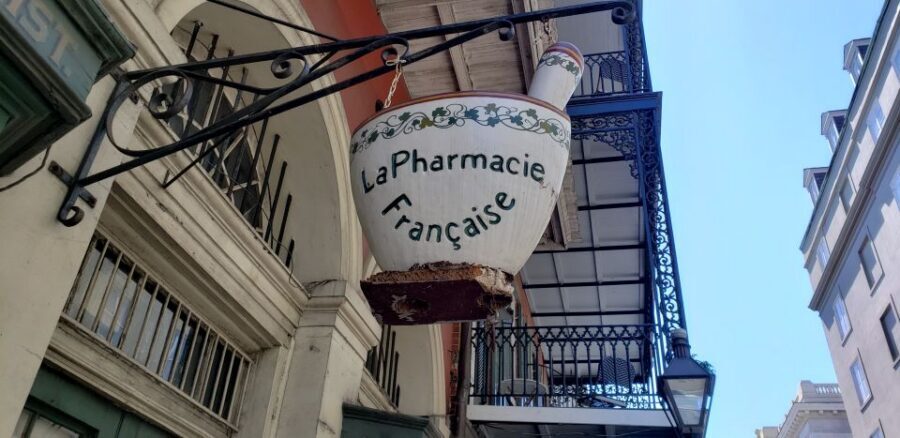
You’ll meet your guide in front of the activity provider’s store on Toulouse Street. That matters more than you’d think. Starting in the middle of the French Quarter keeps the stories grounded in the exact streetscape you’re looking at, instead of turning the tour into a distant lecture.
From the beginning, the tour is built to move at walking pace and keep your attention. Expect a smooth flow of story-to-story connections: what the city was like, why the outbreaks hit so hard, and how people responded when coping methods were limited. The whole experience is designed around you being able to ask questions as you go, not just “listen and leave.”
If you end up with a guide like Dane or Delvin (both are specifically praised), you’ll notice how they build context without getting dry. One guide is singled out for calling out other French Quarter spots you’ll want to see after the tour, which is a smart bonus if you’re trying to save time on your self-guided wandering.
You can also read our reviews of more guided tours in New Orleans



The French Quarter Walk: How a 1-Mile Route Works as a Story Machine
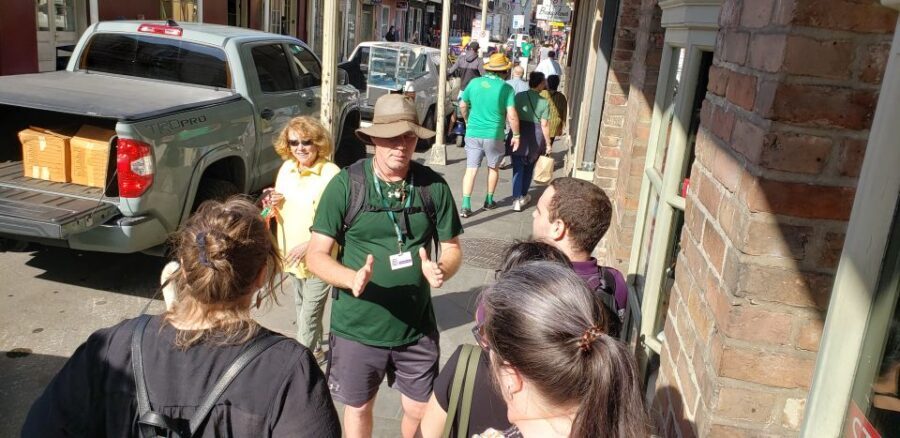
The tour covers about 1 mile total and lasts 2 hours. That’s a great length for this topic. Plague history can get overwhelming fast, but a short loop keeps you focused on the most important threads: causes, effects, and recovery.
It’s also a real benefit that this is a French Quarter walking tour rather than a museum-style stop-and-stare. As you move, you can look at the buildings, street layout, and how the area feels today while hearing how conditions back then fed outbreaks. That contrast makes the lessons stick.
You should also know the tour runs rain or shine. You’re walking through the Quarter, so if the forecast looks bad, pack a simple rain plan—good shoes, a poncho, and something to protect paper-thin comfort items. And yes, the tour may run over the scheduled time, so try not to stack a tight reservation right after.
Epidemics in New Orleans: Yellow Fever and Cholera in Plain English
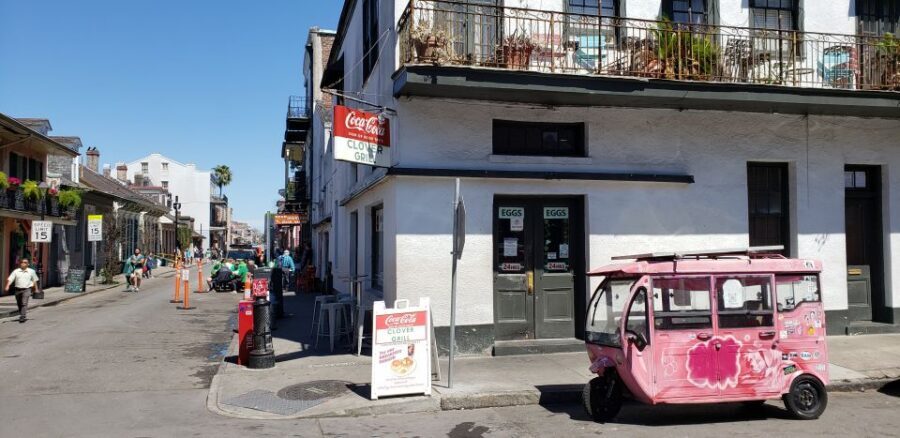
This is the big draw: a guided explanation of the epidemics that plagued New Orleans and killed thousands. The tour focuses on major diseases like yellow fever and cholera, then adds “other diseases” as part of how outbreaks formed patterns over time.
What I like about this approach is that it treats the epidemics as a system, not as isolated tragedies. Instead of telling you, “a disease existed,” you get the logic of how it could keep recurring and spreading—how contagious people, environmental conditions, and vectors (like mosquitos) created a perfect storm.
Yellow fever and cholera are also strong anchors because they show up often when people talk about New Orleans history. Learning them here helps you place what you see on your own later. You’ll walk past the French Quarter and think, not just “pretty,” but “this is what the city looked like while it was under threat.”
What you’re likely to hear about spread
The tour highlights:
- contagious residents
- squalid conditions that supported outbreaks
- infectious mosquitos
- how these factors helped disease spread through daily life
Even if you already know a few names of diseases, the value comes from connecting them to how people actually lived.
Where Disease Ran Rampant: Understanding the Conditions Behind the Stories
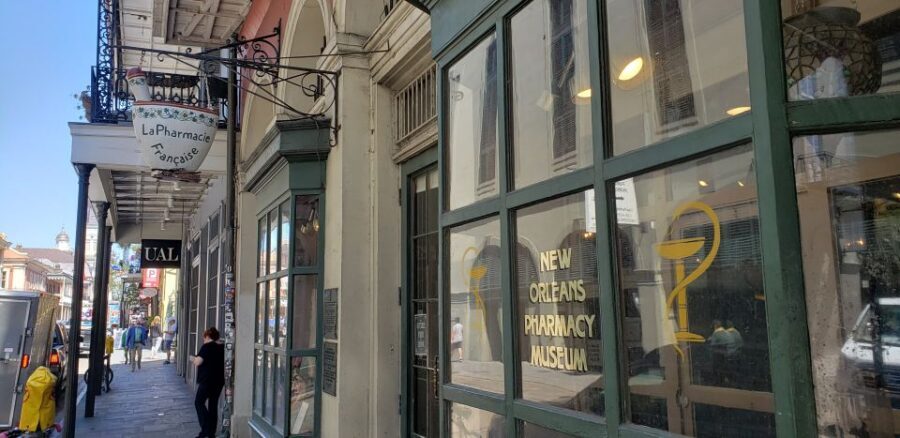
The tour includes time exploring the areas where diseases ran rampant—again, within the French Quarter. The key isn’t to memorize a list of neighborhoods. It’s to understand what made certain conditions worse for health and why the outbreaks surged when people were already strained.
You’ll hear about the squalid living conditions that contributed to outbreaks. That detail is crucial, because it explains why epidemics hit with such force. Diseases don’t spread in a vacuum; they take advantage of crowding, poor sanitation, and limited medical options. The tour uses those ideas to connect the grim reality of the period to what you can still sense in the Quarter’s layout today.
This is where the guide’s storytelling style really matters. A great guide turns “history facts” into a picture you can hold in your head—so you can follow along without feeling like you’re reading a textbook while walking.





Unconventional Medicine: Voodoo, Religion, and the Limits of What Was Possible
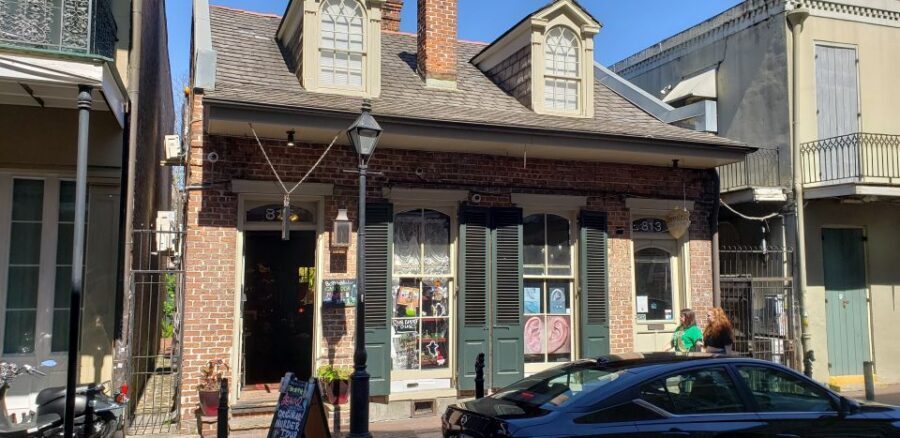
One of the most interesting parts is how the tour addresses unconventional medical practices and the role that voodoo and religion played in trying to contain the uncontainable.
This section is often where people either get something new or feel their perspective shift. In times of chaos, people reach for the explanations and coping tools they have. The tour treats those practices with care and context—showing how communities tried to manage fear, illness, and uncertainty when conventional medicine couldn’t stop the spread fast enough.
If you’re curious about cultural history as much as disease history, you’ll probably find this the most human part of the entire walk. It’s less about “who was right” and more about how people lived through something that medical science couldn’t fully control.
And because you’re in the French Quarter—where religious and cultural traditions have long, visible roots—you can connect what you hear to what you see. It makes the story feel less like a lecture and more like a lived reality.
Resilience and Recovery: Ending on the Story of Survival
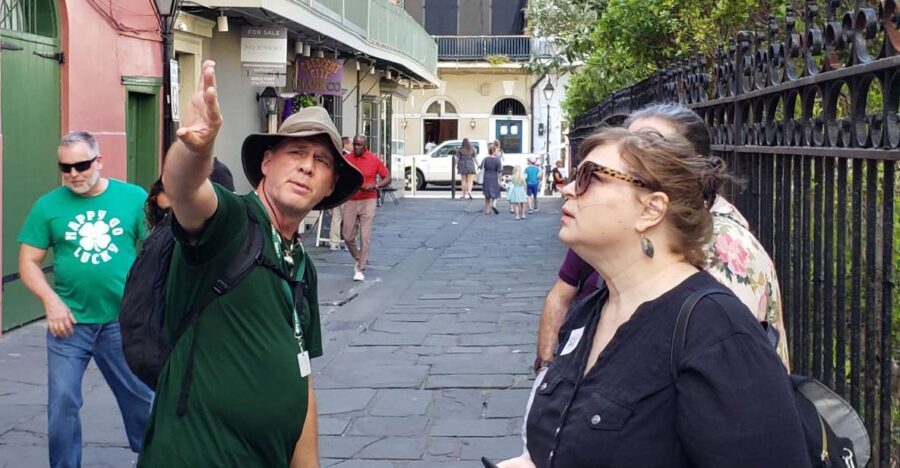
The tour doesn’t end with death and statistics. It aims for recovery—how New Orleans coped with outbreaks and how the city bounced back.
That matters. Epidemic stories are easy to read as pure tragedy, but that’s not how communities function. People reorganize. They rebuild. They change habits. They develop new ways to respond.
By the time you reach the end of the walking tour in the heart of the French Quarter, you’re meant to feel the arc: fear, spread, strain, then resilience. For me, that balance is part of what makes this tour worth doing, even though it covers brutal events.
You’ll also be in a strong spot for the rest of your day. The tour ends in the heart of the French Quarter, and guides are encouraged to share directions and recommendations. That’s helpful if you want to turn your “dark history” experience into a more complete itinerary.
Price and Value: Is $37 Worth Two Hours of Plague History?
At $37 per person for a 2-hour guided walk, this isn’t a budget museum ticket—it’s paying for time, storytelling, and interpretation. Here’s where the value is clear:
- You get a professional guide who can connect causes and consequences in a way that’s hard to do on your own.
- You cover about 1 mile, which is manageable even if you don’t want a long walking day.
- You walk out with a clearer understanding of the French Quarter’s historical pressures, not just its architecture and music.
Where the value can drop a bit is if you want only surface-level facts or you hate grim topics. If you’re looking for a light, casual sightseeing stroll, this won’t match that vibe.
But if you like real explanations—why diseases spread, what people believed, and how the city survived—then $37 for a guided, interactive 2-hour experience is a reasonable deal.
Practical Tips for a Smooth Walk (Without Killing Your Feet)
This tour is simple to prepare for, and that’s a win.
Bring:
- Comfortable shoes. You’re walking about 1 mile, and it’s rain or shine.
Plan around:
- No video recording. You can take photos if allowed by the guide, but you should not record video. If that restriction affects your plans, adjust your expectations before you go.
- The guide may run over the allotted time. If you have dinner reservations, build in a cushion.
If you’re sensitive to the topic, treat it like a morning-or-afternoon decision. This is the kind of tour that can stick with you. Pair it with a calmer activity afterward rather than sprinting into more heavy stimulation.
Who This Tour Fits Best (And Who Should Skip It)
This tour is a strong match for:
- history lovers who want a focused, coherent story
- people who like their French Quarter experiences tied to real context
- anyone interested in how communities respond when medicine and control aren’t enough
- travelers who appreciate a guide who can keep packed information fun
It may not be for you if:
- you want a cheerful walking tour only
- plague and epidemic history feels too heavy during a vacation
- you dislike walking tours that rely on active listening for the full value
Should You Book This Pestilence and Plagues Tour?
Yes, if you want your French Quarter time to mean something beyond postcards. The best part is the combination: specific disease stories (including yellow fever and cholera) plus the human side—contagion fears, attempts at unconventional care, and the city’s resilience.
Book it if you enjoy guides who bring history to life. If you’re lucky enough to get Dane or Delvin, you’ll likely see what people liked most: lots of packed information, clear storytelling, and smart pointers for what to do next in the Quarter.
Skip it if you’re after upbeat sightseeing only, or if heavy epidemic topics will ruin your mood.
FAQ
Where do I meet the guide for this tour?
Meet your guide in front of the activity provider’s store on Toulouse Street.
How long is the tour, and how much walking is involved?
The tour lasts 2 hours and includes about 1 mile of walking.
Is the tour offered in English?
Yes. The live tour guide speaks English.
Does the tour run in bad weather?
Yes. The tour takes place rain or shine.
Is video recording allowed?
No. Video recording is not allowed.
Is the tour wheelchair accessible?
Yes. The tour is listed as wheelchair accessible.
Can I get a refund if my plans change?
You can cancel up to 24 hours in advance for a full refund.
If you want, tell me your travel dates and whether you’re doing any other French Quarter tours the same day, and I’ll help you pick the best time slot for this one.