REVIEW · NEW ORLEANS
New Orleans: Single Plantation and Pontoon Swamp Day Trip
Book on GetYourGuide →Operated by N’awlins Luxury Tours · Bookable on GetYourGuide
A plantation plus swamp in one day is a smart way to pack meaning into time. You’ll start with Laura, Oak Alley, or Whitney (including museum exhibits), then finish on a guided pontoon swamp tour with the Cajun Captains learning about Louisiana wetlands and alligators. I love the pacing here—one plantation stop keeps the day from feeling rushed—and I also like that the plantation choices cover very different angles of life on sugar plantations. One drawback to know up front: your plantation pick is fixed for the day, so you’ll want to choose carefully (especially with language and Whitney’s Tuesday closure).
In This Review
- Key things to know before you go
- A One-Plantation Plan That Keeps the Day From Dragging
- Timing, pickups, and how the day typically runs
- Choosing between Laura, Oak Alley, and Whitney
- Laura Plantation: French gardens, cabins, and a daily-life museum angle
- Oak Alley Plantation: Big House interiors and the Oak Alley exhibit
- Whitney Plantation: Creole buildings, memorial artwork, and first-person narratives
- The Pontoon Swamp Tour with Cajun Captains
- What the included tickets really cover (and what they don’t)
- Price and value: is $140 per person fair?
- Who this tour fits best
- Small details that change your comfort level
- Should you book this New Orleans plantation and swamp day trip?
- FAQ
- What’s included in the New Orleans single plantation and swamp day trip?
- How long is the tour?
- Which plantations are offered on this tour?
- How long do you spend at the plantation?
- Is food included?
- What languages are available for each plantation?
- Is Whitney Plantation open every day?
- Do I need to buy tickets in advance at the sites?
- What happens on the swamp tour?
- What should I bring for comfort?
Key things to know before you go
- One plantation stop only: you get deeper time at Laura, Oak Alley, or Whitney, then move on to the swamp.
- 90-minute plantation tour window: enough time to see major rooms/exhibits without losing the whole day to bus rides.
- English vs audio options: Laura and Oak Alley are English guided, while Whitney uses a self-guided audio experience.
- Cajun Captains run the swamp ride: you’ll learn about wetlands, bayou life, and American alligators.
- Small-bus feel: the group rides in a 14-passenger bus for a more controlled day schedule.
A One-Plantation Plan That Keeps the Day From Dragging
This is a “single plantation + swamp” format, which I think is the sweet spot for most people. You get a clear before/after arc: land-based stories at a plantation, then nature-based stories out on the bayou. It’s a long-ish day at 8 hours, but it’s built around momentum—bus to plantation, plantation to swamp, and then you’re back.
I also like that the plan respects your time on-site. You’re not bouncing between multiple plantations with short, half-seen stops. Instead, you’re getting a guided narrative plantation visit (including museum exhibits and preserved structures), then a full swamp lesson with live interpretation.
You can also read our reviews of more tours and experiences in New Orleans

Timing, pickups, and how the day typically runs

The day starts with hotel pickup in downtown New Orleans, usually between 8:00 and 8:30 AM. You’ll ride out in a 14-passenger bus, which matters because it keeps the group small enough for a more comfortable pace.
The plantation portion is about 90 minutes at the site you choose. After that, you shift to the wetlands with the Cajun Captains for your swamp tour. Since food and drinks aren’t included and eating on the bus isn’t allowed (water is okay), the schedule feels most comfortable if you plan your meals around the day start and end.
Choosing between Laura, Oak Alley, and Whitney

You’ll pick one plantation for the day: Laura, Oak Alley, or Whitney. That choice drives the tone of the whole experience, because each site emphasizes different parts of plantation life and how the past is presented.
All three options are worth considering, but your priorities should guide you:
- If you want museum exhibits and a fuller look at everyday plantation settings, Laura is a strong match.
- If you’re focused on enslavement stories tied to sugar and life across the Civil War era, Oak Alley has a clear framing.
- If you want memorial art and first-person slave narratives delivered with a solemn, direct focus, Whitney is the most pointed option.
Also note the key operational details that affect your visit:
- Whitney Plantation is closed on Tuesdays.
- Laura and Oak Alley guided tours are only offered in English.
- Whitney uses a self-guided audio tour and it’s offered in Mult-English.
Laura Plantation: French gardens, cabins, and a daily-life museum angle
If you choose Laura Plantation, you’ll start with the Big House and then move through several signature garden areas. Expect to see the French Garden, the Kitchen Garden, and the Banana Grove. For many people, those garden stops aren’t just pretty scenery. They help you understand how plantation life was organized around crops, labor, and routine.
Laura’s preserved original structures are a big part of why it works as a single-plantation visit. You’ll also visit the original 1840s slave cabins, which makes the experience feel physical and grounded.
What I particularly like about Laura is the way the museum exhibit is framed. You’ll have access to a new museum exhibit about the inhabitants’ daily lives on the sugar plantation. That daily-life emphasis can make the stories easier to follow, because you’re not just hearing about the plantation system in theory—you’re seeing how routines and work shaped lives.
Practical tip: Wear shoes you can stand in for a while. Garden and exterior areas are part of the route, so comfort matters.
Oak Alley Plantation: Big House interiors and the Oak Alley exhibit
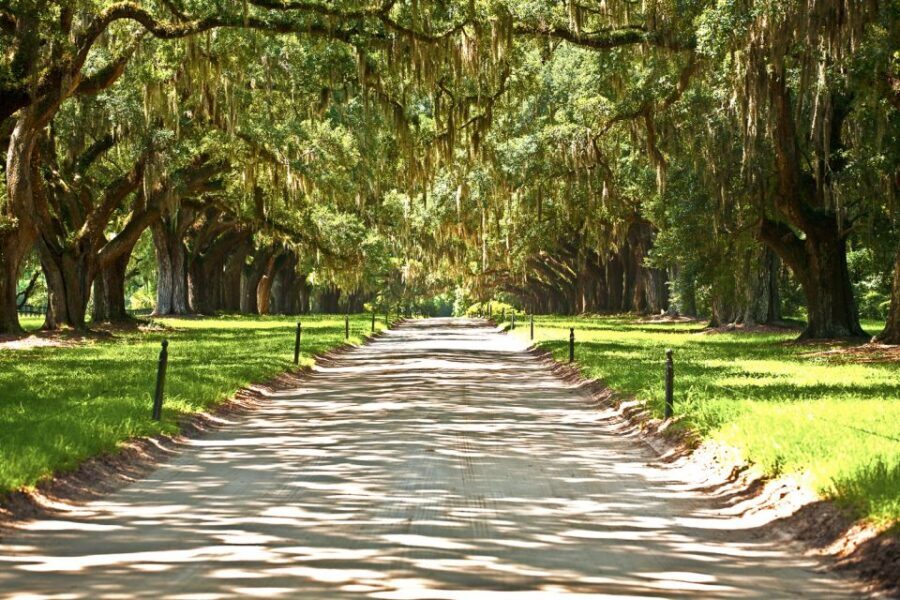
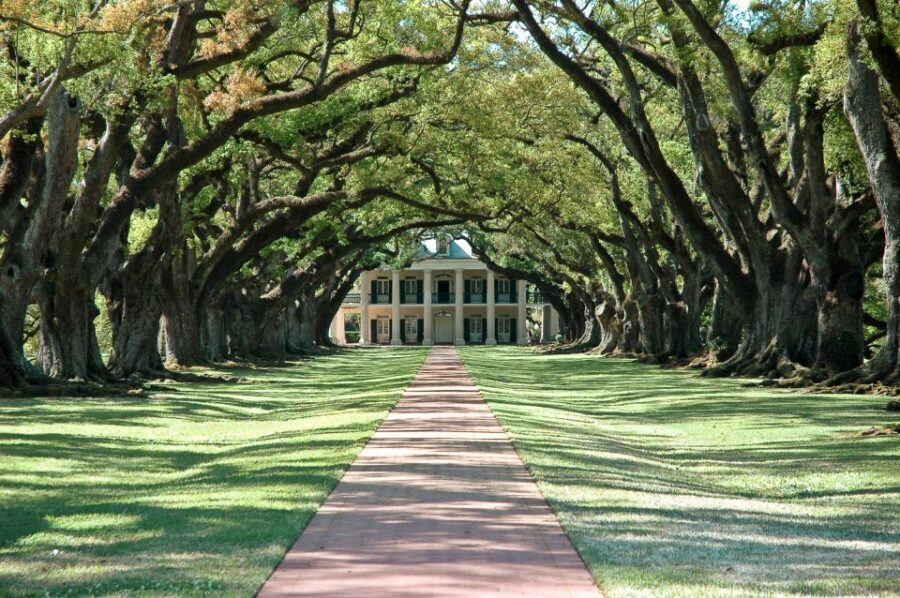
Choosing Oak Alley Plantation gives you a different kind of “plantation story.” You’ll visit the gracious interiors of the Big House, and you’ll also spend time with the Oak Alley exhibit that covers stories of enslaved people from approximately 1835 to the end of the Civil War.
That date range is a helpful anchor. It signals that Oak Alley isn’t treating the plantation as one static moment in time—it’s showing how slavery and plantation life played out across a long stretch of history and change.
Oak Alley also includes themes that many visitors find especially important: you’ll learn about health care, punishment, and life after emancipation, plus the impact of sugar on people in Oak Valley. If you want the experience to connect the plantation system to real human experiences over time, Oak Alley has a clear learning arc.
A fun add-on, in the best sense of the word, is the visit to one of the few remaining 1890s-era forges of its type in Louisiana. It adds a “how things were made and maintained” layer, which rounds out the day beyond rooms and galleries.






Whitney Plantation: Creole buildings, memorial artwork, and first-person narratives
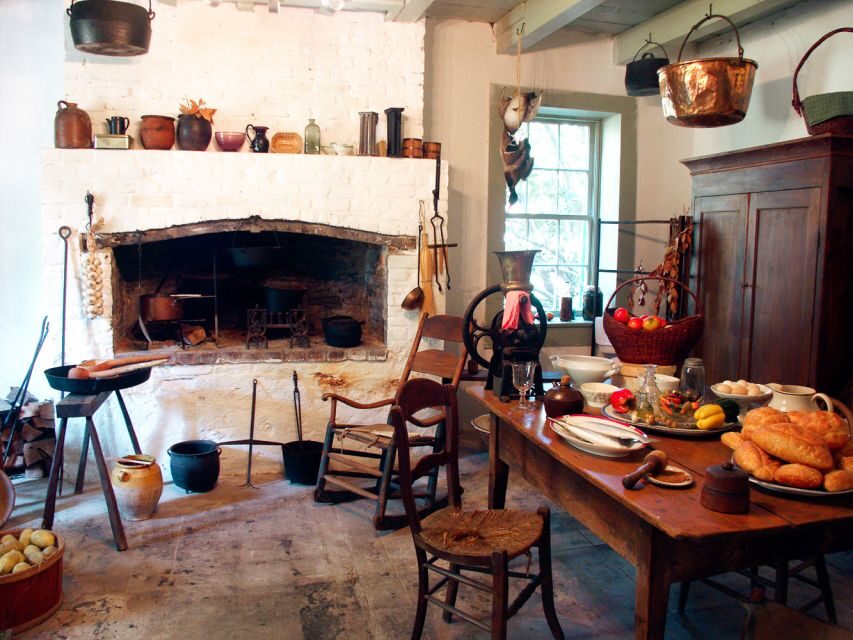
Whitney Plantation is the choice for people who want the most direct, memorial-focused storytelling. You’ll see the last surviving example of a true French Creole Barn and what’s believed to be the oldest detached kitchen in Louisiana. You’ll also visit an excellently preserved Creole cottage.
Those restored buildings aren’t just architecture. They set the stage for the exhibit approach—through museum exhibits, memorial artwork, and thousands of first-person slave narratives that give respect and voice to the people who lived, worked, and died there.
This is also where Whitney’s format stands out: it’s a self-guided audio tour with Mult-English options. That can be a plus if you prefer to set your own pace and pause when something hits you. It also means your attention is more “in your own hands,” instead of following a live guide through every stop.
One logistical note matters: Whitney is closed on Tuesdays. If your travel dates include a Tuesday, you’ll need to choose Laura or Oak Alley instead.
The Pontoon Swamp Tour with Cajun Captains
After the plantation, you head into the wetlands with the Cajun Captains. This part of the day keeps the learning going but shifts the setting—from plantation land to back swamp habitat.
On the swamp tour, the captains navigate through the back swamp while you learn about Louisiana Wetlands and the inhabitants of the swamp. And yes, American alligators are part of the lesson—so if you’re hoping for that classic Louisiana wildlife connection, this is where it comes in.
I like that the swamp portion isn’t just a wildlife ride. You’re also taught the history of Louisiana bayou and swamp exploration days. That matters because it helps connect what you see today—water channels, wetland growth, and wildlife—to how people have explored, traveled, and made sense of this environment.
What to bring: Comfortable shoes and weather-appropriate clothing. Swamp tours can involve variable conditions, and you’ll be happier if you dress for comfort rather than looks.
What the included tickets really cover (and what they don’t)
This trip includes hotel pickup and drop-off plus admission tickets. That’s a straightforward value point, because it saves you the headache of figuring out which site to enter on your own.
What isn’t included is food and drinks. There’s also a bus rule to know: eating and drinking isn’t permitted on the bus except water. So even if you’re tempted to snack during transit, you’ll need to plan around that.
For most people, the best strategy is:
- Have something before you head out in the morning (or bring water for the ride).
- Plan to buy lunch or snacks independently around your timetable.
- Don’t rely on this day trip to handle meals.
Price and value: is $140 per person fair?
At about $140 per person, the value depends on what you’d otherwise do on your own. You’re paying for two big components in one package: a guided plantation visit with admission plus a guided swamp tour.
If you tried to build this yourself, you’d likely end up piecing together:
- transportation out to Plantation Country,
- timed admissions,
- and a separate guided swamp tour experience.
That’s why this bundle can make sense. The itinerary structure also helps: a single plantation stop means you’re not losing time hopping between sites, and you don’t end up under-spending on guidance. You’re paying for interpretation—the guides help translate complicated, human stories and wetland ecology into something you can actually follow.
Is it expensive? Sure. But when you compare it to the cost of admissions and professional guiding for both settings, the price looks more reasonable. The big factor is whether you care about both parts equally. If you want a serious plantation experience and a serious swamp tour, this is a clean way to get both.
Who this tour fits best
This day trip is a strong fit if you:
- Want one well-run plantation stop rather than a rushed “check-the-box” approach.
- Prefer a guided experience with clear narratives and museum exhibits.
- Like mixing human history with nature learning in the same day.
- Would benefit from transportation and admission handled for you.
It may feel less ideal if you:
- Want to visit more than one plantation in depth.
- Are sensitive to the emotional weight of plantation narratives and memorial presentations (in that case, choose your plantation carefully—Whitney is the most directly memorial and narrative-heavy option).
- Need to eat on the bus (since bus eating isn’t allowed).
Small details that change your comfort level
A few things will make the day smoother:
- Bring comfortable shoes. There’s walking at gardens and in plantation areas.
- Dress for changing weather. Weather-appropriate clothing is recommended, and swamp days can feel different than downtown New Orleans.
- Use water only on the bus. Eating on the bus isn’t permitted, which affects how you plan snacks.
- Expect language differences. Laura and Oak Alley are English only guided tours; Whitney is self-guided audio in Mult-English.
These aren’t “gotchas.” They’re just the practical details that keep your day from feeling annoying.
Should you book this New Orleans plantation and swamp day trip?
I’d book it if your goal is a focused, educational day that combines plantation storytelling with a real wetlands lesson. The single-plantation format is the key. It gives you enough time to see preserved structures and museum exhibits without turning the experience into a sprint.
Choose your plantation based on what you want the day to feel like:
- Pick Laura for gardens, original 1840s slave cabins, and a museum look at daily life on a sugar plantation.
- Pick Oak Alley if you want the Oak Alley exhibit with enslaved-life stories across roughly 1835 through the end of the Civil War, plus themes like health care, punishment, and life after emancipation.
- Pick Whitney if you want Creole buildings and memorial artwork with thousands of first-person slave narratives, delivered through a self-guided audio experience.
If you’re up for a full day (8 hours) and want both land history and swamp learning in one package, this is a solid choice.
FAQ
What’s included in the New Orleans single plantation and swamp day trip?
Hotel pickup and drop-off and admission tickets are included.
How long is the tour?
The duration is 8 hours. Starting times vary, so check availability for the exact start.
Which plantations are offered on this tour?
You can explore one of three: Laura Plantation, Oak Alley Plantation, or Whitney Plantation.
How long do you spend at the plantation?
You’ll have about a 90-minute tour at the plantation you choose.
Is food included?
No. Food and drinks aren’t included, and eating and drinking isn’t permitted on the bus except water.
What languages are available for each plantation?
Laura Plantation and Oak Alley Plantation tours are offered in English. Whitney Plantation is a self-guided audio tour offered in Mult-English.
Is Whitney Plantation open every day?
No. Whitney Plantation is closed on Tuesdays.
Do I need to buy tickets in advance at the sites?
You can skip the ticket line.
What happens on the swamp tour?
You’ll take a guided swamp tour with Cajun Captains navigating through the back swamp and learning about Louisiana wetlands, swamp inhabitants, and American alligators.
What should I bring for comfort?
Wear comfortable shoes and bring weather-appropriate clothing.