REVIEW · NEW ORLEANS
New Orleans: Swamp & Bayou Boat Tour with Transportation
Book on GetYourGuide →Operated by Gray Line New Orleans · Bookable on GetYourGuide
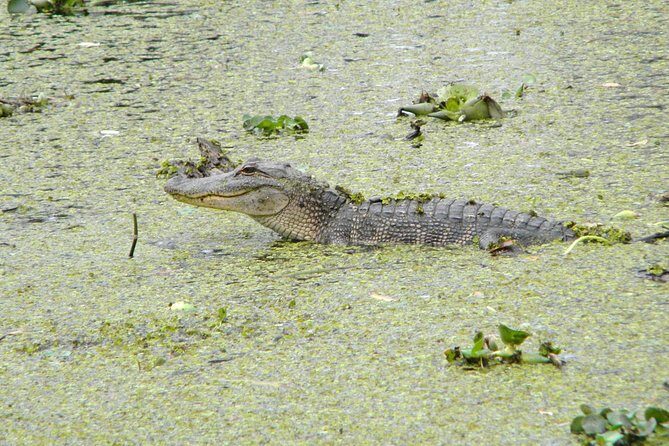
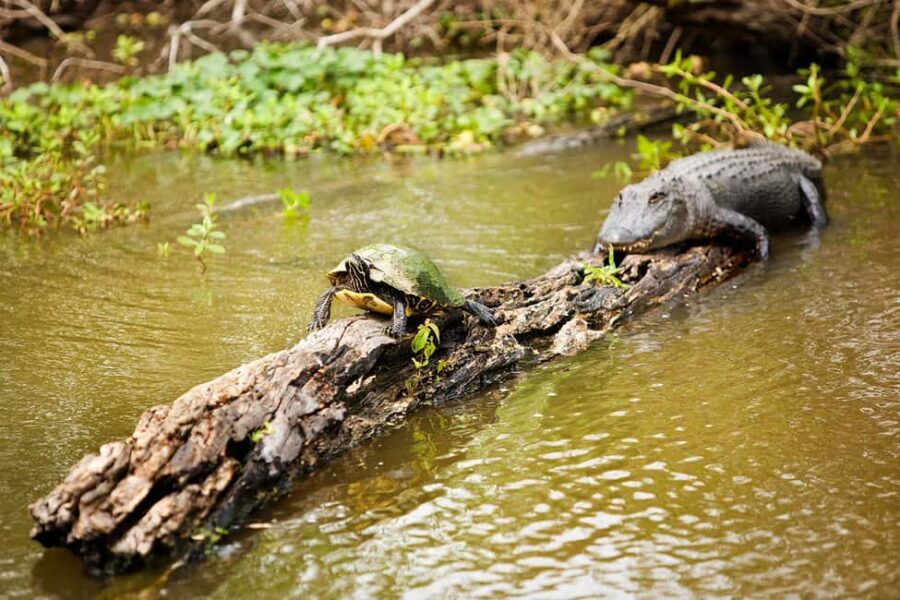
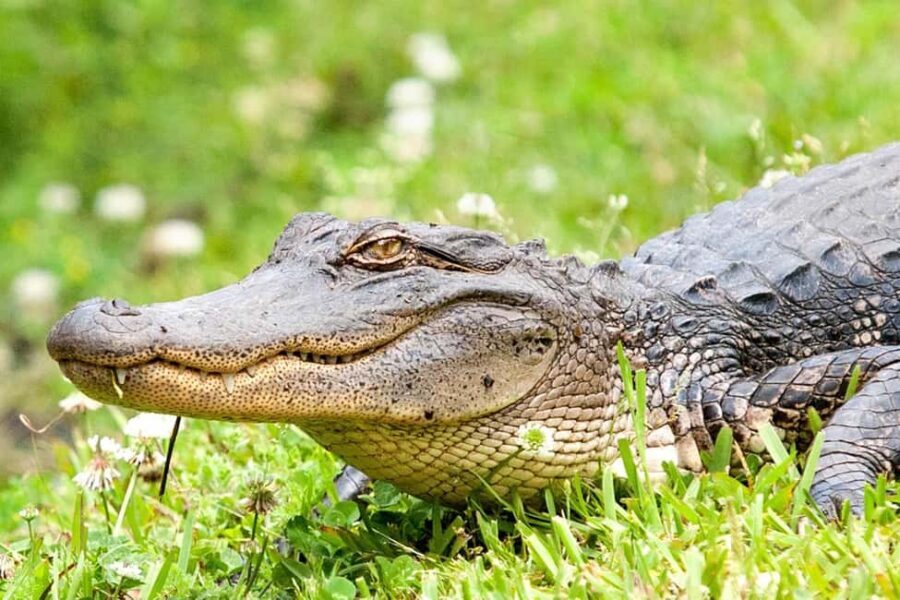
Gators are easier to spot than you expect. I love the custom-built swamp pontoon for a calmer ride than the loud, fast boat style, and I love the climate-controlled roundtrip transportation that takes you from the French Quarter to the swamp with less hassle. One possible drawback: wildlife is seasonal, so in cooler months you may see fewer alligators active above the water.
You cruise through part of the Jean Lafitte National Historical Park in the Barataria Preserve, with your guide calling out nesting grounds for alligators plus other critters like egrets, raccoons, nutria, and snakes. The ride also explains why wetlands are shrinking due to coastal erosion and what people are doing to restore this vital habitat.
In This Review
- Key things you’ll notice on this New Orleans swamp tour
- Entering the swamp: a four-hour plan that starts near Jackson Square
- Meeting at Gray Line Lighthouse: how check-in really works
- The coach ride across the Mississippi River: what it adds
- Barataria Preserve time on a custom-built pontoon
- Wildlife spotting: what you’ll likely see (and what changes with season)
- Wetlands loss and restoration: the lesson under the gators
- Waiting, boarding, and time gaps: plan for real-world timing
- Getting your money’s worth: $65 and what you’re actually buying
- If you care about comfort: winter clothing and the pontoon advantage
- Who this tour suits best (and who might want a different option)
- Should you book this Gray Line swamp & bayou tour?
- FAQ
- How long is the swamp & bayou boat tour?
- Where do I check in for the tour?
- Does the tour include transportation from downtown New Orleans?
- Is food included in the price?
- What wildlife might I see on the cruise?
- Is the boat a pontoon?
- Is the tour wheelchair accessible?
- How much is parking near the meeting point?
- On what days does the tour not run?
- Do I need to exchange a voucher before boarding?
Key things you’ll notice on this New Orleans swamp tour
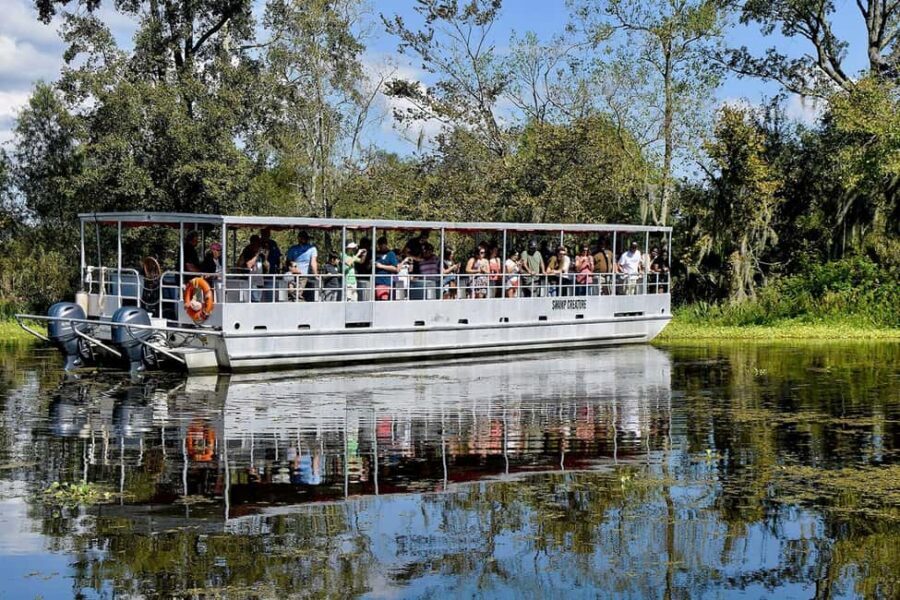
- Custom-built pontoon cruising in the Barataria Preserve, focused on wildlife and habitat, not just speed
- Roundtrip transportation from downtown New Orleans in a climate-controlled vehicle
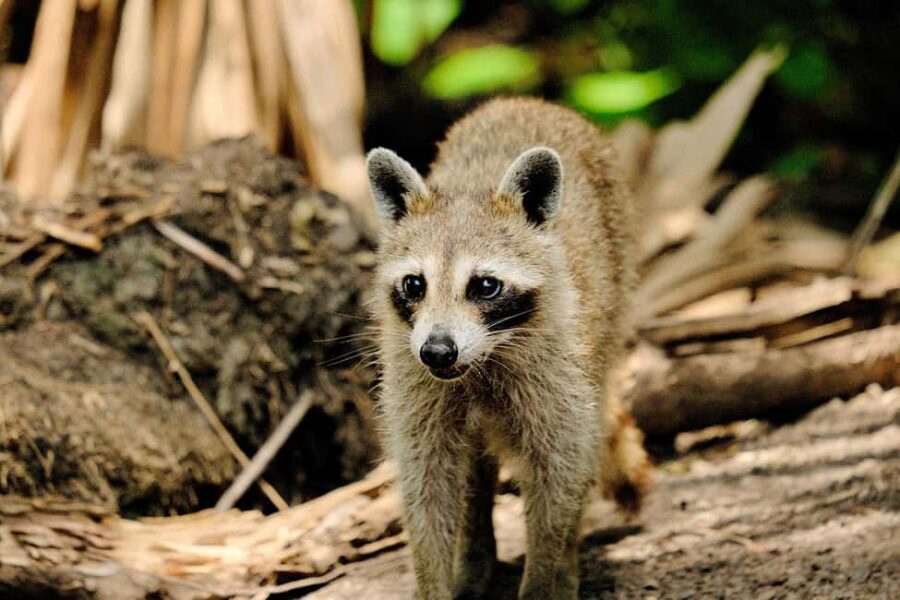
- Guide-led spotting of nesting areas for alligators, egrets, raccoons, nutria, and snakes
- Seasonal wildlife rhythm: warmer months often bring more visible activity
- A clear wetlands-restoration story: erosion impacts, plus human efforts to repair damage
Entering the swamp: a four-hour plan that starts near Jackson Square
This is a straightforward New Orleans outing with a simple goal: get you out of the city and onto the water, then help you understand what you’re seeing. The tour runs about 4 hours, and that timing is built around the reality of getting from downtown to the bayou area across the Mississippi River and back again.
If you’re the type who wants more than a quick photo, you’ll like the way this ride is framed. You’re not just floating past trees and calling it nature. You’re getting pointed attention on nesting and habitat—plus an explanation of why the wetlands are changing. That makes the tour feel useful, not just scenic.
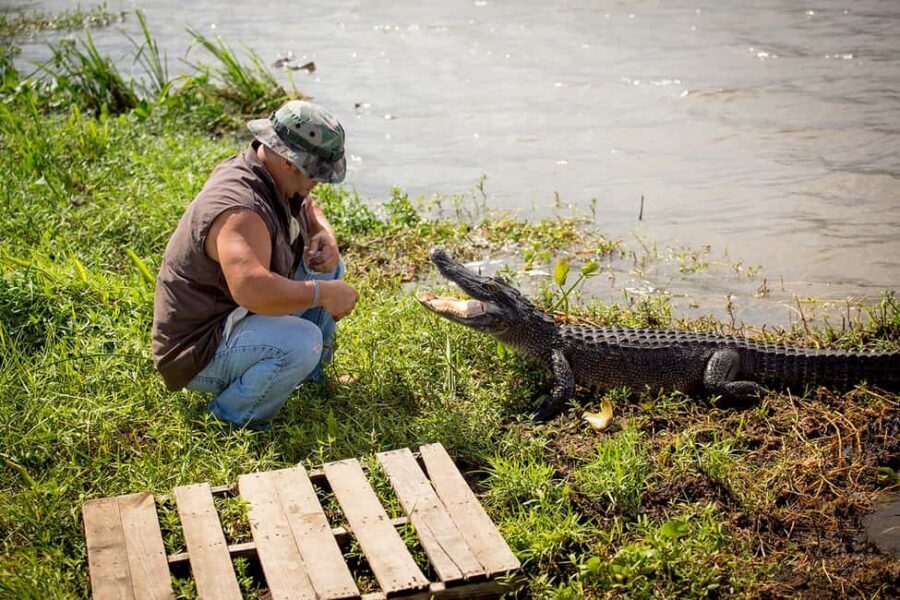
And yes, spotting alligators is a big part of the draw. But the value here is that the guide helps you connect the sightings to the ecosystem you’re traveling through.
You can also read our reviews of more boat tours in New Orleans

Meeting at Gray Line Lighthouse: how check-in really works
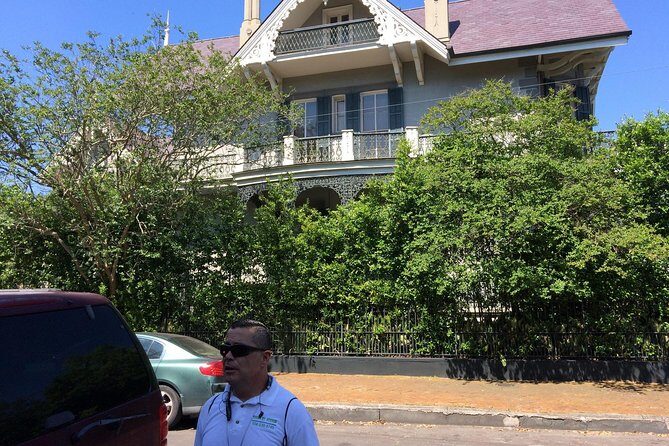
Your starting point is the Gray Line Lighthouse Ticket Office at 400 Toulouse St., right by the Steamboat NATCHEZ Dock—about one block from Jackson Square in the French Quarter.
A practical tip: plan your arrival time like you’re landing in a small city with traffic. Once you pass Rampart St., you’re in the French Quarter, and things can move slowly with both pedestrians and vehicles. Even if you’re staying nearby, give yourself extra time.
When you arrive, your voucher has to be exchanged for boarding passes at the Lighthouse Ticket Office. That step matters because it’s the moment your tour day becomes real—tickets get matched, you get your paperwork, and you can move on to waiting for transportation.
If you’re driving, know that there’s an estimated parking lot fee of about $11 to $13 for up to 4 hours (unless it’s a special event). Build that into your day so you’re not surprised.
The coach ride across the Mississippi River: what it adds
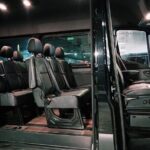
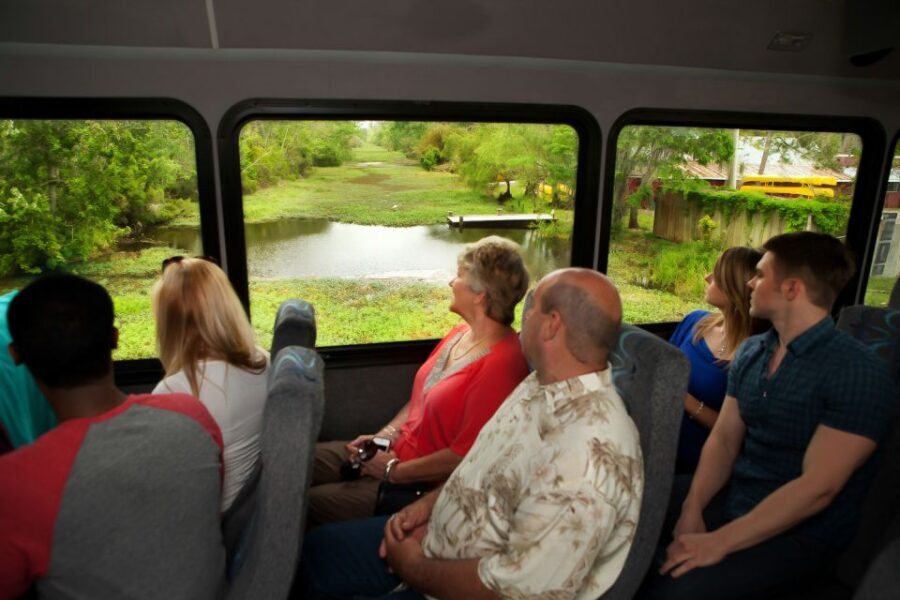
Transportation is included, and it’s done in a climate-controlled vehicle, which is a real quality-of-life upgrade in New Orleans weather. This part of the day isn’t filler. It’s the on-ramp to the story you’ll hear on the water.
During the drive, your guide typically shares context and recommendations. One example from the field: a bus driver named Melinda was specifically praised for giving great insights on the way to the boat tour. That matters because the swamp stops make more sense once you have a framework.
Also, the coach ride is part of why this tour is a good value. You’re paying for access to the boat time, but you’re also paying for an easy logistics chain back to your start point.
Barataria Preserve time on a custom-built pontoon
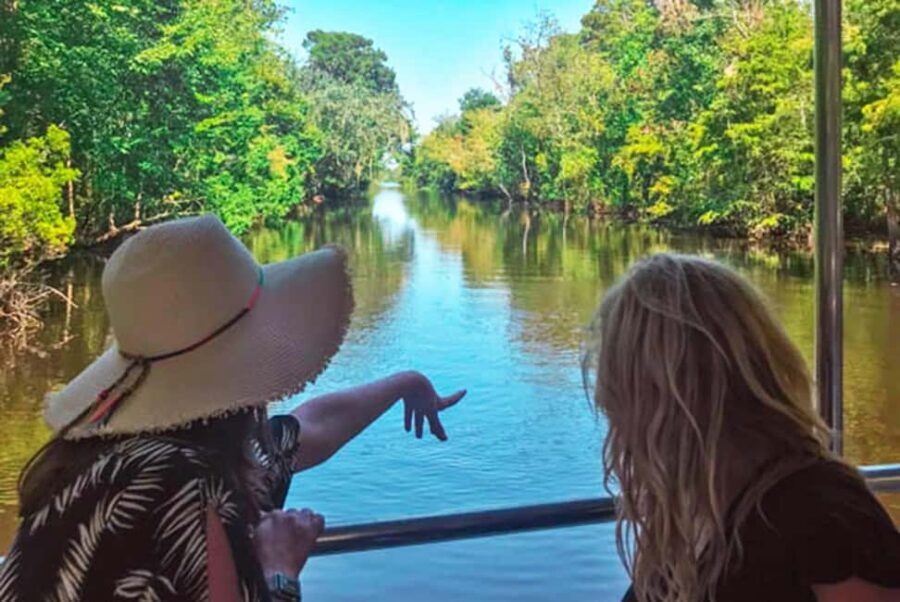
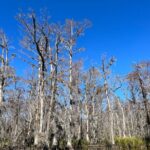
Once you’re on the water, the heart of the experience kicks in: a cruise through part of the Barataria Preserve inside the Jean Lafitte National Historical Park.
This isn’t a “sit and watch” format. The guide is actively scanning with you and explaining what you’re looking at—often tying it to nesting behavior and habitat structure. That makes a big difference when visibility is limited (fog, glare, or just the way animals stay still until they’re ready).
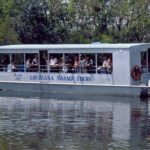
A key detail: this tour is designed around a custom-built swamp pontoon. In practical terms, that usually means a smoother, more comfortable experience than the fast, noisy boat styles you may see advertised in the area. You’re there to observe, not to survive the ride.
You may also notice that the focus can be photo-driven at times, because the most dramatic moments are when a guide has you lined up for a good wildlife sighting. If you want more “every inch of habitat” coverage, you might find the emphasis leans toward animals—especially alligators—rather than an even tour of every feature.
Wildlife spotting: what you’ll likely see (and what changes with season)
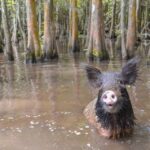
The tour’s wildlife list is specific, and that’s helpful because it sets expectations. You’ll be looking for nesting and activity areas tied to:
- alligators
- egrets
- raccoons
- nutria
- snakes
Some wildlife is more numerous during warmer months, which is your cue to match your trip timing to your goals. If you’re visiting in a cooler stretch, don’t be shocked if animals seem less present. One cold-day account noted that it was too chilly for alligators to be out, even though the experience still delivered on learning and time on the water.
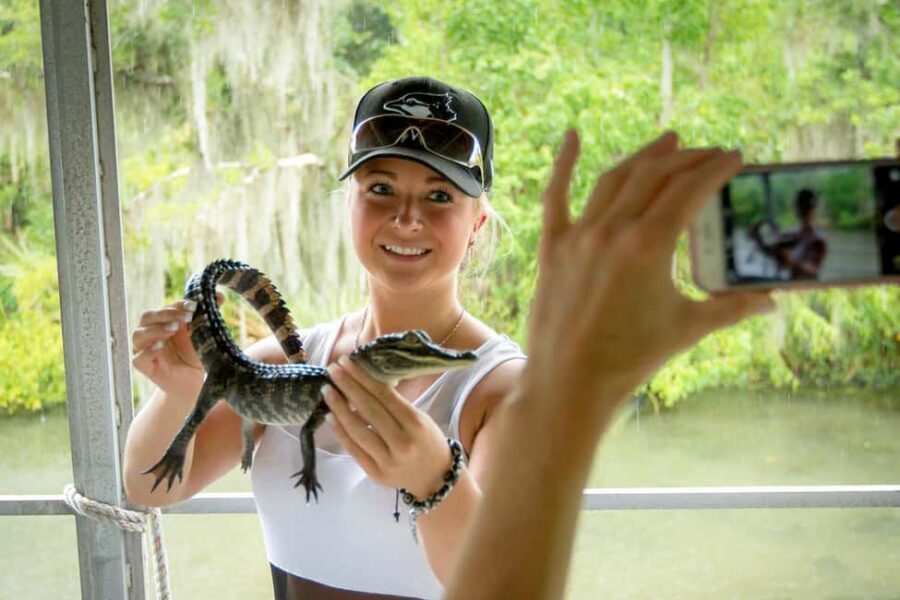
Another real-world detail: the ride can include opportunities to interact with animals in a hands-on way. One account described a baby alligator being handed around to passengers, and not everyone loved that part. If that sort of interaction makes you uneasy, it’s worth mentally preparing for the possibility so it doesn’t feel random if it happens.
And about the “alligator moment”: it’s often the thing that makes the trip feel worth it. Even when sightings aren’t guaranteed in any strict sense, multiple accounts praised the guide for helping them see lots of alligators—sometimes dozens—depending on conditions.





Wetlands loss and restoration: the lesson under the gators
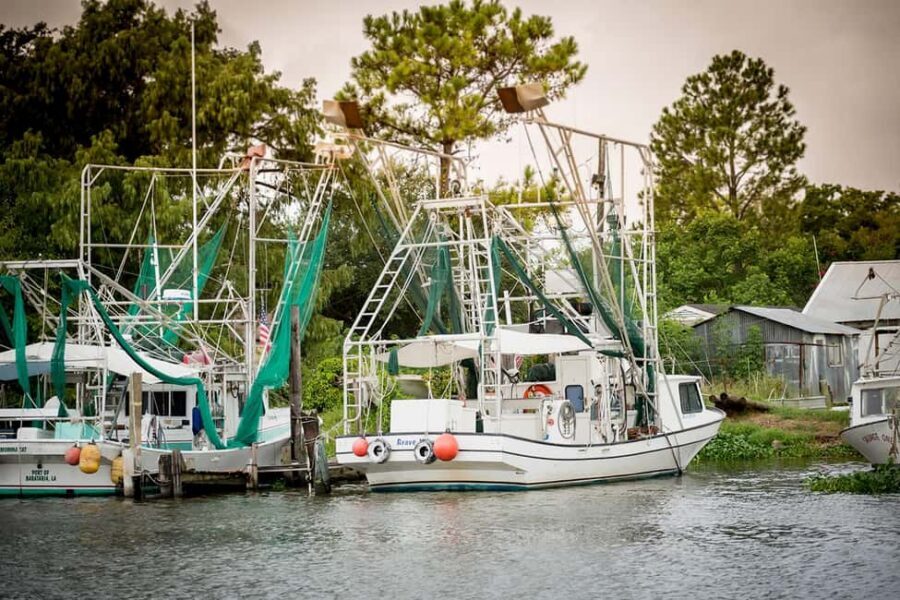
Here’s the part of the tour that turns it from a fun outing into something with real meaning. Your guide explains why wetlands are disappearing due to coastal erosion, and it also talks about man’s effort to correct the damage and restore habitat.
Even if you’re not a science person, you’ll probably get it fast because this isn’t presented as a distant lecture. You’re seeing wetland habitat in motion and then hearing what threatens it. That connection—water you can ride on, paired with environmental change—lands better than reading it later.
If you care about conservation, this segment gives you something to carry home. If you don’t, it still gives context so the swamp feels like a living place with a future, not a theme park set.
Waiting, boarding, and time gaps: plan for real-world timing
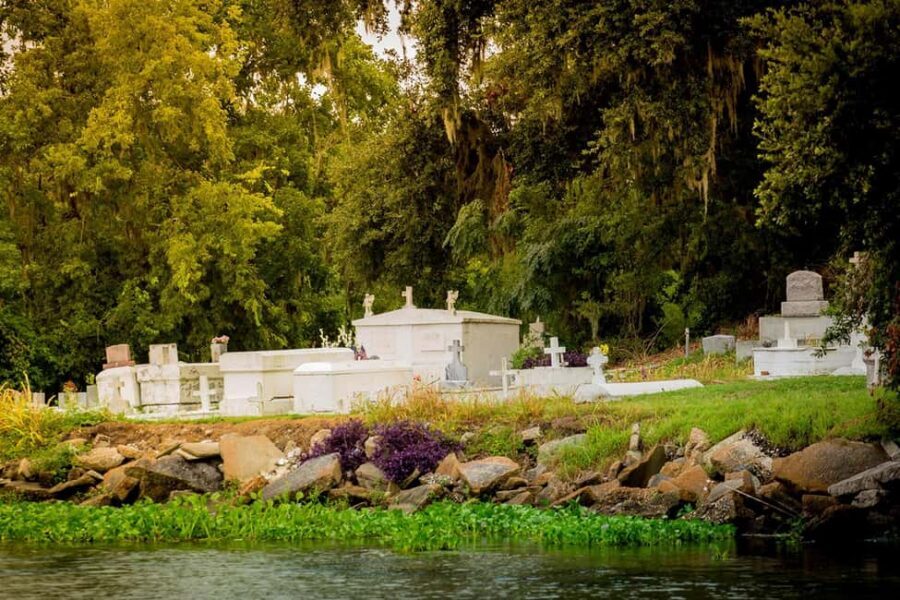
Good logistics are part of a great tour day, and this one can be smooth—but it also has some timing quirks you should plan around.
Some departures include noticeable waiting before the boat arrives. For example, there were accounts of waiting around 20 to 30 minutes, and in at least one case, the wait after arriving at the dock stretched to around 45 minutes before boarding. There can also be idle time afterward before you head back.
What does this mean for you? It means you should avoid stacking your next activity too tightly right after tour end. Give yourself a cushion, especially if you’re dining or catching a show later in the day.
On the plus side, the guided portion tends to be the redeeming factor. When the captain and guide are on, the experience earns its time.
Getting your money’s worth: $65 and what you’re actually buying
At $65 per person, you’re paying for a bundle:
- Bayou cruise in a custom-built pontoon
- Guide during the experience
- Transportation to and from downtown New Orleans in a climate-controlled vehicle
Food and drink are not included, so you’ll want a plan for meals before or after. Since the tour is about four hours, I’d treat this as a morning or afternoon anchor and eat close to the start or end rather than trying to squeeze in a full meal mid-tour.
Is it expensive? It’s not cheap, but it’s not just paying for “a boat ride.” You’re paying for guided wildlife spotting plus the logistics of getting across the river and back.
The biggest value question is: do you want the guide-led interpretation? If yes, this price starts to make sense quickly. If you want to steer your own experience with zero structure, you may feel constrained by how the boat tour is timed.
If you care about comfort: winter clothing and the pontoon advantage
The tour can be impacted by temperature. Wildlife activity tends to be better in warmer months, and cold weather can reduce what animals show you.
That doesn’t mean the tour is wasted in cooler conditions. It just means your goal shifts a bit from frequent alligator sightings to learning the habitat and enjoying the ride even when wildlife is quieter. If it’s a chilly day when you go, dress for it, since you’ll be on open air water for part of the time.
The pontoon style helps here because it’s built for observation and comfort, not extreme speed. You’ll still feel the outdoors, but it’s generally an easier ride than some of the more rugged options.
Who this tour suits best (and who might want a different option)
This New Orleans swamp and bayou tour is a great fit if you want:
- a guided wildlife outing with clear targets (alligators and other species)
- an easy day from downtown with included transport
- a lesson on wetland change and restoration, not just sightseeing
It may be less perfect if:
- you dislike hands-on animal moments (in some runs, a baby alligator may be passed around)
- you’re expecting equal time for every habitat feature and not a wildlife-photo focus
- you’re strict about the schedule and don’t want any waiting gaps
If you’re traveling with kids, this can also work well because it’s visual and guided—just keep expectations realistic about animal sightings in cold weather.
If you’re traveling as a couple or solo, you’ll still get a lot out of the guide work. The narration is part of why the pontoon time feels educational.
Should you book this Gray Line swamp & bayou tour?
I’d book it if you want a simple, well-supported New Orleans day that puts you into the Barataria Preserve with a guide who points out what matters. The included transportation, the custom-built pontoon experience, and the wetlands restoration story make it feel like more than a quick activity.
I would think twice if your main goal is guaranteed alligator sightings no matter the season. Wildlife is seasonal, and weather can change what animals show you. Also, be ready for possible waiting time before boarding so you don’t stress your day.
Overall: if you’re flexible, curious, and okay with nature being nature, this is a solid use of time in New Orleans.
FAQ
How long is the swamp & bayou boat tour?
The tour duration is listed as 4 hours. You can check availability for starting times.
Where do I check in for the tour?
Check in at the Gray Line Lighthouse Ticket Office at 400 Toulouse St., near the Steamboat NATCHEZ Dock (about one block from Jackson Square). Vouchers are exchanged for boarding passes there.
Does the tour include transportation from downtown New Orleans?
Yes. Roundtrip transportation is included from downtown New Orleans in a climate-controlled vehicle.
Is food included in the price?
No. Food and drink are not included.
What wildlife might I see on the cruise?
You may see nesting grounds and wildlife such as alligators, egrets, raccoons, nutria, and snakes. Some species may be more numerous during warmer months.
Is the boat a pontoon?
Yes. The experience is described as a custom-built swamp pontoon cruise in the Barataria Preserve.
Is the tour wheelchair accessible?
It’s listed as wheelchair accessible. Handicap access is provided for wheelchairs (not scooters or walkers). Handicap reservations must be made 48 hours in advance to secure availability.
How much is parking near the meeting point?
The parking lot fee is approximately $11 to $13 for up to 4 or more hours unless it is a special event.
On what days does the tour not run?
Tours will not be conducted on Mardi Gras Day and Thanksgiving Day.
Do I need to exchange a voucher before boarding?
Yes. Your voucher must be exchanged for boarding passes at the Lighthouse Ticket Office before you board.