REVIEW · NEW ORLEANS
New Orleans: Swamp Boat Ride and Historic Plantation Tour
Book on GetYourGuide →Operated by Gray Line New Orleans · Bookable on GetYourGuide
A day in the bayou beats a typical New Orleans checklist. This trip stitches together two plantation worlds, then finishes with a swamp boat ride where you can spot alligators and hear the Rougarou legend. It’s a lot for one day, but it’s the kind of day that gives you New Orleans context beyond the riverfront.
I especially love the Oak Alley option: the quarter-mile oak avenue, plus exhibitions like Slavery at Oak Alley, the Blacksmith Shop, and Sugarcane Theater. The other big win is the swamp cruise at Manchac Swamp, where the ride is built around wildlife viewing and Cajun storytelling.
One thing to think about: it’s a full 7.5 hours of bus time plus two attractions, and some people want a touch more time at one stop or the other.
In This Review
- Key highlights worth planning for
- A Day Outside New Orleans: Oak Alley or Destrehan plus the Manchac Swamp
- Gray Line pickup and how the 7.5-hour day moves
- Oak Alley Plantation: 1839, the quarter-mile oak avenue, and slavery-focused exhibits
- Destrehan Plantation in the afternoon: French Colonial roots and sugar trade demonstrations
- On-board narration: guides, storytelling style, and what to ask
- Manchac Swamp boat cruise: Rougarou werewolf lore and alligators close-up
- What the $126 price buys you (and how to pick Oak Alley vs Destrehan)
- Small logistics that actually affect your comfort
- Who this tour suits best
- Should you book the New Orleans swamp boat and plantation tour?
- FAQ
- How long is the tour?
- Where do I meet the tour?
- Which plantation will I visit?
- Is entry to Oak Alley included?
- What’s included for the Destrehan option?
- What does the Manchac Swamp part include?
- Are food and drinks provided?
- Is video recording allowed?
- Is the tour wheelchair accessible?
Key highlights worth planning for
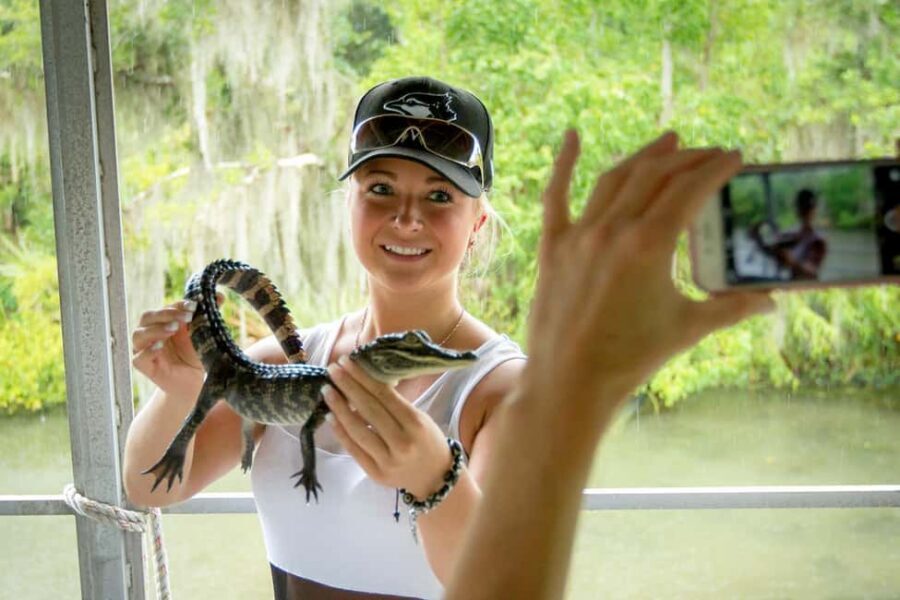
- Oak Alley’s 1839 roots and the oak-tree avenue: a long, iconic drive under trees that are over 250 years old
- Real interpretive exhibits at Oak Alley: Slavery at Oak Alley plus Sugarcane Theater and the Blacksmith Shop
- Destrehan’s French Colonial history (1787): an oldest-documented house theme for the lower Mississippi Valley
- Costumed docents and sugar dynasty stories: you’ll hear how families and commerce shaped daily life
- Manchac Swamp wildlife viewing by boat: often close-up alligator sightings
- Rougarou werewolf legend storytelling: part history, part campfire-style lore
A Day Outside New Orleans: Oak Alley or Destrehan plus the Manchac Swamp
This is the kind of excursion that feels like you changed regions, not just neighborhoods. You start in New Orleans, then the scenery shifts fast to river-country plantations and backwater swamp.
You’ll have two choices. The morning tour pairs Oak Alley with the Manchac Swamp cruise. The afternoon option swaps in Destrehan Plantation (instead of Oak Alley) and still ends with the same swamp boating experience.
You can also read our reviews of more boat tours in New Orleans


Gray Line pickup and how the 7.5-hour day moves
Your day starts with a voucher exchange at the Gray Line Lighthouse ticket office on Toulouse Street. After that, you’ll travel by bus with a live English guide.
The time block is tight but reasonable: plan on a full half-day. You’ll spend time traveling out, touring one plantation, traveling to the swamp, and then riding the boat before returning to the meeting point.
Why this matters: it’s not an “arrive, take photos, leave” day. It’s structured so you get guided narration at the plantation and then a guided swamp story plus wildlife spotting out on the water.
Oak Alley Plantation: 1839, the quarter-mile oak avenue, and slavery-focused exhibits
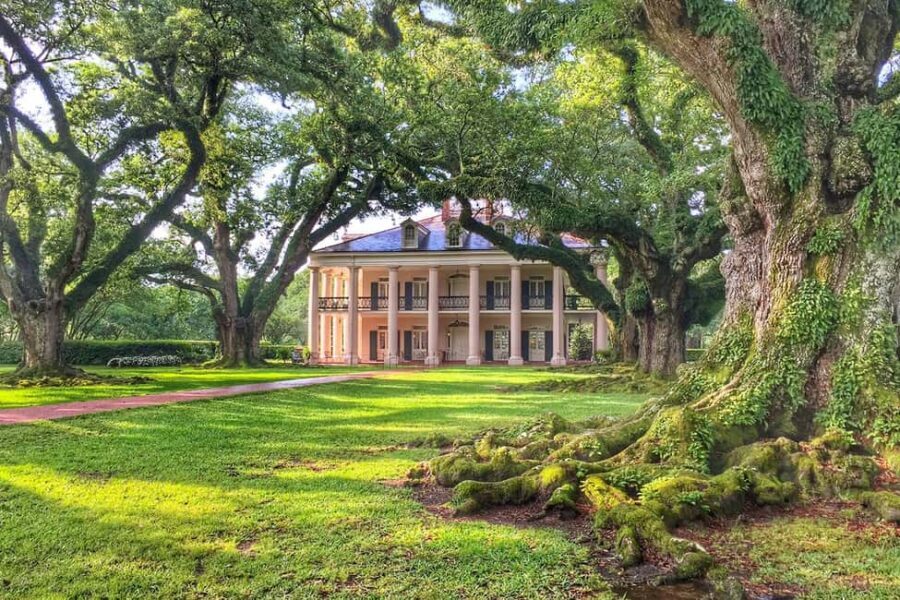
If you choose the morning option, Oak Alley is the centerpiece. The plantation dates back to 1839, and the signature feature is its long oak alley—about a quarter-mile—where each tree is over 250 years old.
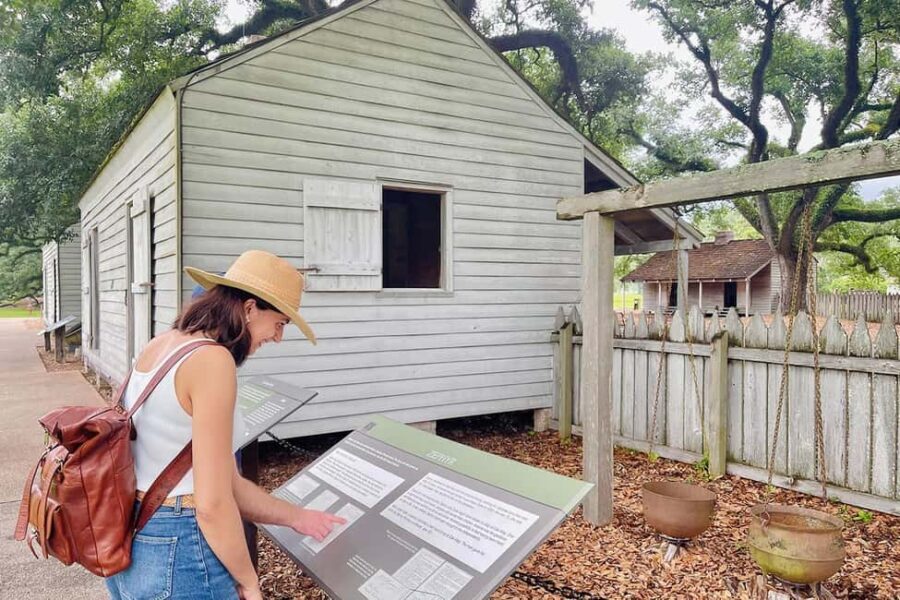
The walk-and-look rhythm here is easy. You’ll see the oak and cypress trees tied to the Mississippi River setting, then follow your guide through the plantation grounds where history isn’t just scenery. Oak Alley’s on-site exhibitions include Slavery at Oak Alley, plus a Blacksmith Shop and Sugarcane Theater.
That last detail is a big deal. When you only tour the house, you get the architecture. When you add these exhibits, you get the daily machinery of plantation life—work rhythms, tools, and the human impact that shaped the place.
A small practical note: Oak Alley is smoke-free, so you won’t be dealing with smoky areas around the grounds. Also, videography isn’t permitted inside the plantation, so if you’re planning a photo-and-video-heavy visit, expect to stick to still photography outside the restricted areas.
Destrehan Plantation in the afternoon: French Colonial roots and sugar trade demonstrations

The afternoon option swaps Oak Alley for Destrehan Plantation, established in 1787. It’s described as the oldest documented French Colonial-style house in the lower Mississippi Valley, which gives the day a slightly different flavor than the more commonly pictured antebellum view.
Destrehan focuses on the family story and the plantation’s role in the sugar economy. With costumed docents, you’ll hear about the Destrehan family’s “sugar dynasty,” plus historic events that took place at the site and the plantation’s architectural features.
One of the most useful parts of the Destrehan experience is the trade angle. You’ll watch daily trade demonstrations by costumed artisans, which helps you understand that plantations weren’t just grand houses. They were working systems with skills that mattered every day—craft, labor, production.
If you like your history served with specifics—jobs, tools, and how people lived—Destrehan tends to land well. And because it’s a guided home tour, you’ll get a coherent storyline rather than a disconnected walk.
On-board narration: guides, storytelling style, and what to ask
The trip relies on the guide to connect the dots between New Orleans and the plantation country. You’ll ride with a bus guide and then meet plantation staff/docents at each stop, so the “voice” of the day matters.
From the names that show up with high praise, people often call out guides like John, Brittany, Joanne, Dionne, Robi, and Elizabeth. A common thread is that the narration doesn’t stay locked in one era. You’ll hear how French and Spanish periods connect to later plantation life and how Creole and Cajun culture show up in the region’s storytelling.
Here’s how you get the most value out of that: ask one question early and keep it going. For example:
- What’s the difference between how planters lived versus how laborers lived, here?
- How did sugar production shape the landscape and the workforce?
- What does the name Rougarou mean in local storytelling?
Good tours welcome questions. This one is built around interpretation, not just route-following.
You can also read our reviews of more historical tours in New Orleans





Manchac Swamp boat cruise: Rougarou werewolf lore and alligators close-up
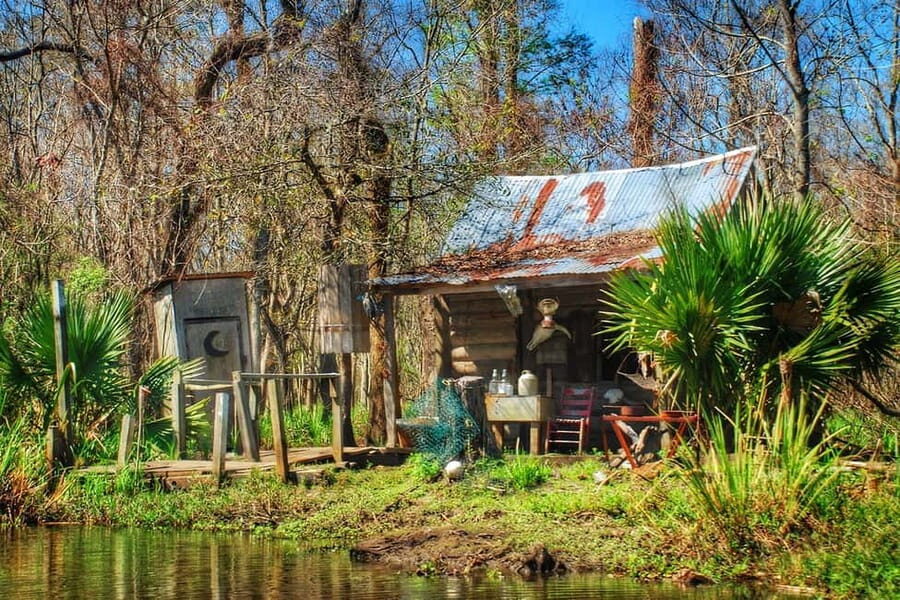
After the plantation stop, you travel past several area plantations toward Manchac Swamp. The swamp portion is the payoff for wildlife lovers and for anyone who wants New Orleans history plus real bayou energy.
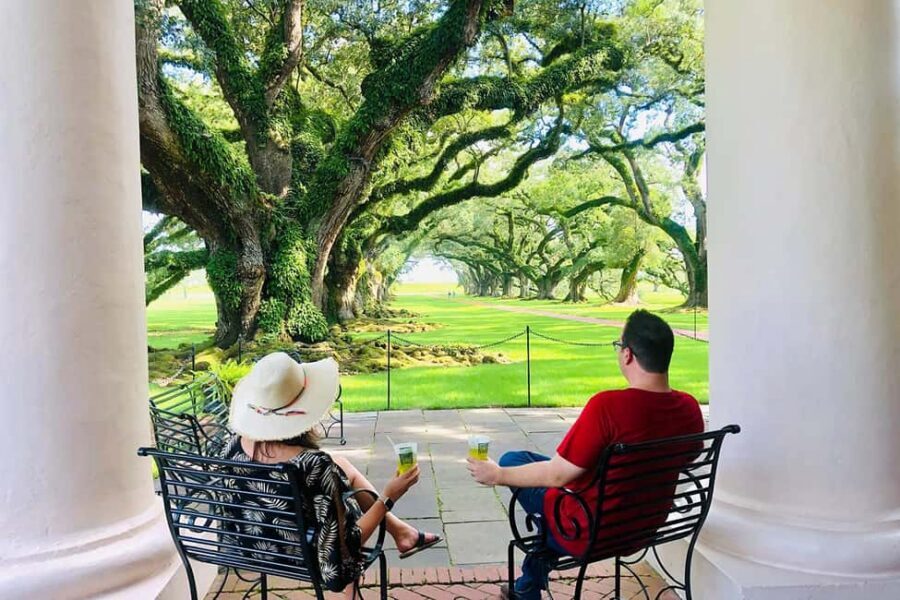
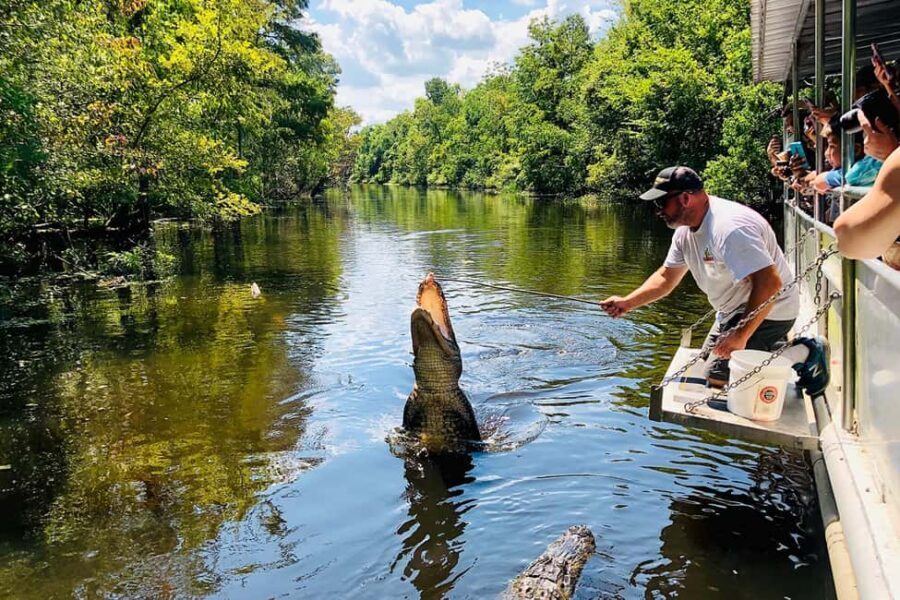
Manchac is a privately-owned wildlife refuge. Your guide will tell the legend of the Rougarou werewolf, and then you’ll board a boat for the cruise across the swamp.
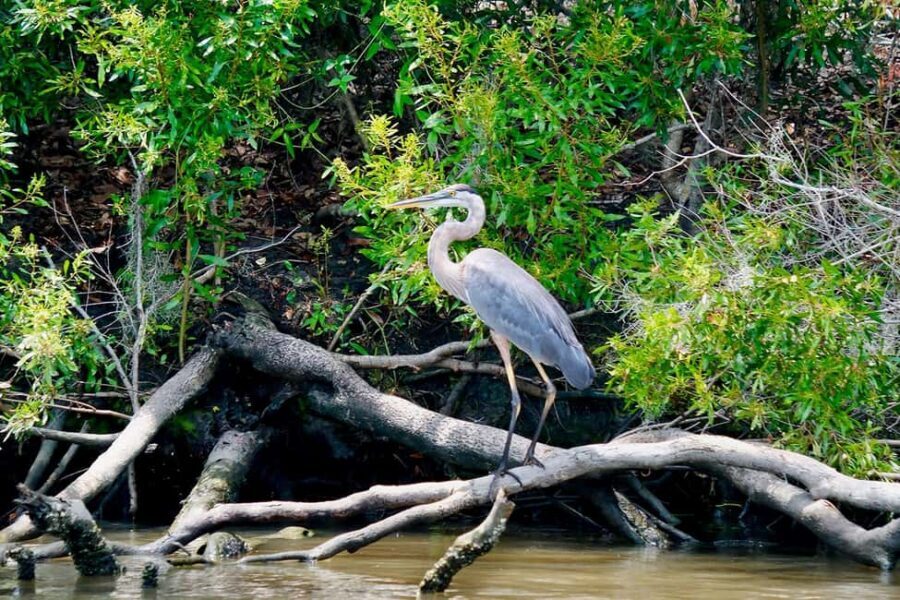
The most repeated highlight here is simple: alligators up close. Many people talk about seeing alligators nearly at arm’s length. You’ll also spot other wildlife, and the ride itself tends to be fun in a hands-on way—more watching and listening than standing around.
Practical reality check: you’re outdoors in swamp conditions. Bring a layer even if it looks mild in New Orleans. One common comfort complaint is that the bus air-conditioning can run cold during the ride out, so pack something you can manage.
Also, at the swamp, food and drinks are available to purchase, so you’re not stuck with nothing if you get hungry between stops.
What the $126 price buys you (and how to pick Oak Alley vs Destrehan)
At $126 per person, this isn’t a “cheap and casual” add-on. The value comes from stacking three big things into one guided package:
- round-trip bus transportation from New Orleans
- a guided plantation experience (either Oak Alley or Destrehan, depending on your option)
- a Manchac Swamp boat cruise
Oak Alley is even clearer on the cost structure: if you pick the morning option, the Oak Alley entry fee and Oak Alley tour are included. If you choose the afternoon option, Destrehan’s guided tour of the home is included.
So the real decision is which plantation theme fits you better:
- Choose Oak Alley if you want the famous oak avenue and the exhibitions like Slavery at Oak Alley, Sugarcane Theater, and the Blacksmith Shop.
- Choose Destrehan if you’re drawn to French Colonial history (1787), a sugar family storyline, and the added trade demonstrations.
If you can only do one, I’d choose based on how you like to learn. Oak Alley leans more interpretive-exhibition focused. Destrehan leans toward family narrative plus lived-work skills.
Small logistics that actually affect your comfort
This tour moves quickly, so tiny details matter.
For the plantation homes, plan around stairs. Access to the second floor is by stairs only, due to the historic nature of the buildings. If you’re sensitive to stair-heavy areas, this is worth factoring in before you commit.
Photography rules also matter. Video recording isn’t allowed, and videography isn’t permitted inside the plantation. Still photos outdoors are the usual plan, but you’ll want to follow signage once you’re there.
If you’re hoping for “snack time,” don’t plan to eat on the bus. Food and drinks are available to purchase at the swamp, which is where you’ll likely want to grab something if your stomach needs a break.
Who this tour suits best
I’d point this tour at a specific kind of traveler: you want New Orleans that reaches past music clubs and balconies. You want context—how the region worked, who benefited, and how people lived.
This day is also a solid fit for families who can handle a longer outing. The swamp cruise tends to be a big hit because it’s about seeing wildlife and listening to entertaining stories.
It may be less ideal if you hate group schedules. This is guided and structured, with plenty of time spent in transit.
Should you book the New Orleans swamp boat and plantation tour?
Yes, if you want one guided day that covers both plantation history and the bayou wildlife experience. The oak avenue and plantation exhibits (Oak Alley option) plus the Manchac Swamp alligator cruise are the right combo for people who learn best through stories and places, not just museum plaques.
Choose Oak Alley for the famous trees and the interpretive exhibits. Choose Destrehan if you want the French Colonial angle, sugar dynasty storytelling, and trade demonstrations. Either way, you’ll leave with a clearer sense of what shaped the region—and with the swamp ride as a memorable capstone.
FAQ
How long is the tour?
It runs for 7.5 hours. Starting times vary, so check availability for the exact departure.
Where do I meet the tour?
Meet at the Gray Line Lighthouse ticket office on Toulouse Street. You’ll exchange your voucher for a boarding ticket there.
Which plantation will I visit?
You’ll visit either Oak Alley Plantation or Destrehan Plantation, depending on which option you select.
Is entry to Oak Alley included?
If you select the Oak Alley option, the Oak Alley entry fee and the Oak Alley tour are included.
What’s included for the Destrehan option?
If you select the Destrehan option, you’ll get a guided tour of the Destrehan Plantation home.
What does the Manchac Swamp part include?
You’ll enjoy a Manchac Swamp boat cruise as part of the tour.
Are food and drinks provided?
Food and drinks are not included. You can purchase food and drinks at the swamp.
Is video recording allowed?
No. Video recording isn’t allowed, and videography isn’t permitted inside the plantation.
Is the tour wheelchair accessible?
Yes, it’s wheelchair accessible. Wheelchairs can be stored on the bus if they fold. If you have a scooter, special arrangements are needed and must be made 48 hours prior to the tour date. Access to the second floor is by stairs only.