REVIEW · NEW ORLEANS
Oak Alley Plantation Tour with Pickup from New Orleans
Book on Viator →Operated by K's Luxury Transportation and Tours · Bookable on Viator
Oak Alley feels like a postcard, but the day has context. You get hotel pickup, an intimate group (max 12), and an organized half-day that layers plantation stories before you ever step onto the property.
What I like most is the small-group setup and the way the drive is used for real history, not just transit time.
The second big win is the comfort and care: you ride in an air-conditioned vehicle, and the van includes USB ports plus bottled water for the day. Plus, the guide behind the wheel (often called Kindrell or Kin) mixes local stories with practical tips, so you leave knowing what to do next in New Orleans.
One possible drawback: if your top goal is slavery history told in the most direct way, you may find Oak Alley a bit softer around the edges. It’s still historically important, but you’ll likely want the more focused slavery perspective that some travelers prefer at other nearby plantation experiences.
In This Review
- Key highlights to look for on this tour
- Pickup From St. Louis Cathedral: the smooth start you want
- The drive through plantation-row stories: Whitney, Laura, and St. Joseph
- Entering Oak Alley: 3 hours on-site on a working sugarcane landmark
- Oak Alley’s house-and-grounds pacing: when time feels short
- Photo time under the oaks, plus shade breaks and food options
- The ride back over Lake Pontchartrain: Bonnet Carre Spillway views
- Price and value: is $86.70 a fair deal for this timing?
- Who this tour fits best (and who might want a different plan)
- Small details that make a difference: guide style and on-time pickup
- Should you book this Oak Alley Plantation tour with pickup?
- FAQ
- How long is the Oak Alley Plantation tour?
- Where does pickup happen in New Orleans?
- Is admission to Oak Alley included?
- Do I get lunch included?
- What’s provided on the vehicle?
- What does the return trip include?
Key highlights to look for on this tour
Max 12 people keeps the pacing relaxed and the guide’s commentary easier to hear.
Hotel pickup and drop-off saves time in the morning and cuts hassle after a longer day.
Plantation-row context en route adds meaning to what you see at Oak Alley.
3 hours on the grounds gives you time for the oak avenue, exhibits, and food options.
Bonnet Carre Spillway ride is a scenic, easy way to close the day with Lake Pontchartrain views.
USB ports and bottled water keep the ride comfortable without you scrambling for extras.
Pickup From St. Louis Cathedral: the smooth start you want
The day kicks off from the St. Louis Cathedral area (615 Pere Antoine Alley). Pickup is typically between 8:00am and 8:45am, and the tour start time is listed as 9:00am, so don’t plan anything tight for morning.
You’ll be in small-group territory, with a hard cap of 12. That matters because the vehicle and schedule aren’t trying to move a crowd through three different realities at once.
Bring your patience for one thing: morning pickup routes can vary by hotel and the order of stops. If you’re in a later pickup slot, your start may feel slow—but once you’re rolling, the pace tends to stay organized.
You can also read our reviews of more tours and experiences in New Orleans.



The drive through plantation-row stories: Whitney, Laura, and St. Joseph

Before you reach Oak Alley, you get guided stops and storytelling connected to Whitney, Laura, and St. Joseph. This is the “meaning layer” of the day: you’re learning what shaped these plantations, not just collecting photos.
Here’s what the guide points you toward on the way:
- Whitney Plantation: the story centers on enslaved people who lived and worked there, plus the history of early owners connected with the Haydel family.
- Laura Plantation: introduced as a French Creole plantation run by four generations of French Creole women.
- St. Joseph Plantation: framed as a wedding gift from Valcour, described as one of the wealthiest men of his time.
Even if these are brief stops, they change how you read what you see later. Oak Alley isn’t just scenery—your brain starts connecting sugarcane work, wealth, family lines, and forced labor to the spaces on the ground.
Entering Oak Alley: 3 hours on-site on a working sugarcane landmark
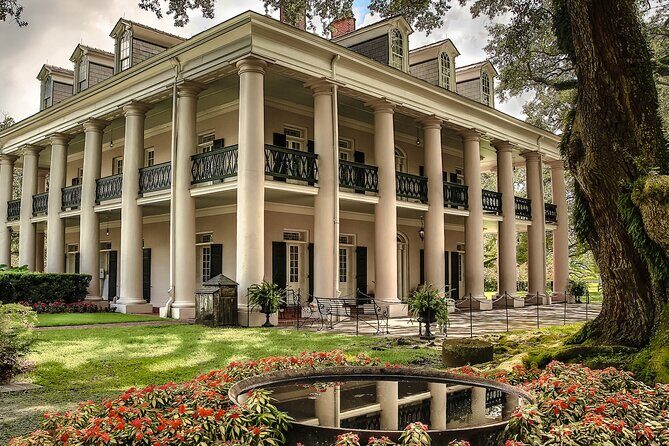
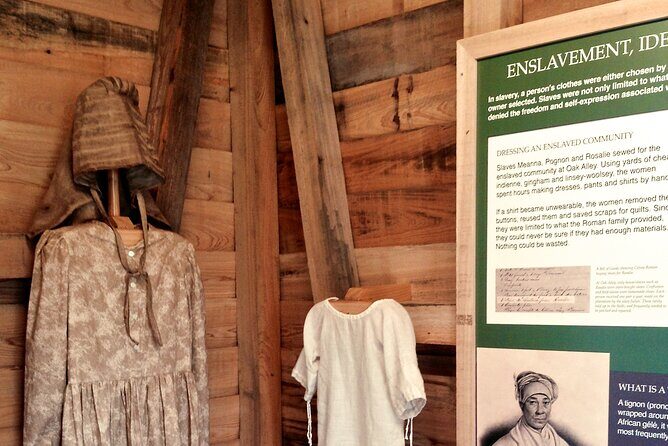
At Oak Alley, you’ll spend about 3 hours exploring the grounds at a national historic landmark. The focus is on preserving and interpreting what people left behind, with special emphasis on its time as a working sugarcane plantation.
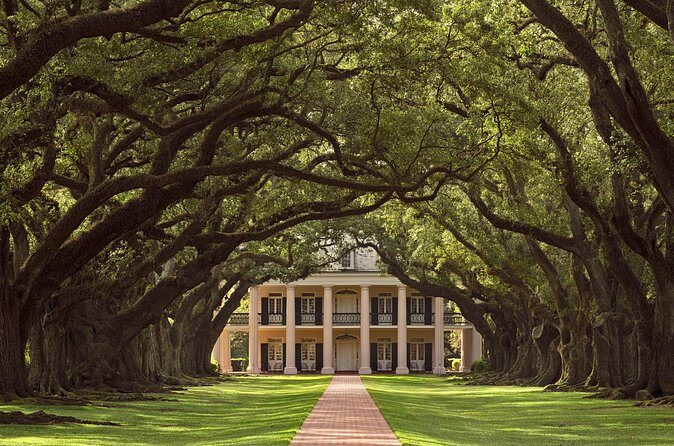
This is a good length of time for real strolling. You’ll have room to walk under the famous allee of oak trees, look through exhibits, and tour the main house area—while also stepping away when your brain needs a breather.
Admission is included with the tour, so you’re not doing extra ticket math on the clock. Still, it helps to know what “included” tends to mean here: one consistent detail from firsthand accounts is that access to certain areas (like grounds and some historic quarters) can be free, while the guided interior house portion may be ticketed separately. When you arrive, check what’s covered and what has timed add-ons.
Oak Alley’s house-and-grounds pacing: when time feels short
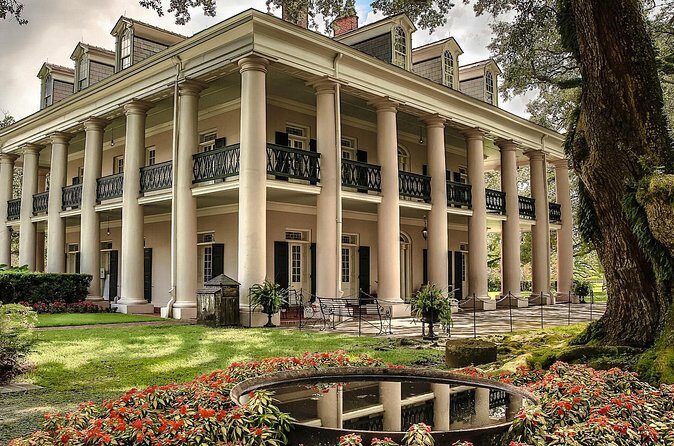
On a half-day schedule, the biggest trade-off is how long you can spend inside. One detail that comes up often: the guided interior experience inside the big house portion can be fairly short (around 30 minutes in some cases), with most of your time given to self-paced exploration on the grounds.
That doesn’t make the visit pointless—it just means you shouldn’t expect a slow, fully narrated walkthrough of every room. If you love architecture and rooms, arrive ready to notice quickly. If you want the most detailed forced-labor storytelling, you may feel the emphasis lands more on plantation structure and legacy than on a tightly focused slavery narrative.
A practical move: plan your “must-sees” before you go. Pick one or two exhibit stops, then spend the remaining time walking the oak avenue and exploring the outbuildings and quarters at a pace that feels respectful and unhurried.
Photo time under the oaks, plus shade breaks and food options

Oak Alley is famous for how it photographs—but it’s also famous for how it feels when you’re there. Walking the oak avenue is the kind of moment where you naturally slow down, even if you’re not a “plantation tour” person.
The schedule gives you flexibility on-site. You can pause at the gift shop, step into a drink or bar moment if that’s your style, and use the free time to grab lunch from the restaurant or deli. If it’s warm (and New Orleans heat can be rude), this is where you’ll appreciate having planned downtime.
One more comfort detail: the tour itself includes bottled water on board, so you’re not starting the plantation day dehydrated. Still, oak and sun add up fast—grab water when you can and take breaks when you need them.






The ride back over Lake Pontchartrain: Bonnet Carre Spillway views
The day closes with a 75-minute ride back toward the city over the Bonnet Carre Spillway Bridge, with views out toward Lake Pontchartrain. This is a nice contrast to plantation grounds: you shift from walking history to watching water geography and the wider region.
It’s also a useful decompression block. After a few hours on-site, the scenic return helps you digest what you saw instead of rushing straight back into the city.
By the time you return, you’ll have had a complete arc: context on the drive, a focused plantation visit, then a calm scenic finish.
Price and value: is $86.70 a fair deal for this timing?

At $86.70 per person, the value depends on what you’re trying to get out of your day. You’re paying for three things that add up quickly if you do them on your own: transportation, time on-site, and key inclusions.
Here’s what makes it feel like a solid package:
- Admission to the plantation tour is included, plus time on the grounds (about 3 hours).
- Hotel pickup and drop-off removes the hardest part of planning: getting out there efficiently and getting back.
- The vehicle setup is designed for comfort (air-conditioned), and you’re provided bottled water and USB charging.
Where value can feel uneven: if you’re looking for the most direct, slavery-focused interpretation, Oak Alley may not be the strict best match. In that case, you might treat this as a “beauty + context” day and use more targeted experiences elsewhere for the rest of the story.
Net: if you want a smooth half-day with transportation handled and good time on the grounds, it’s priced like a convenience purchase that mostly delivers.
Who this tour fits best (and who might want a different plan)
This tour is a strong fit for you if you like structured half-days. The small group size (max 12), the air-conditioned ride, and the built-in time to explore make it easier to enjoy the place without rushing.
It’s also a good match if you want a guide who talks while you travel. Many experiences waste transit time; here, the drive includes plantation-row context and local pointers for what to do next around New Orleans.
You might consider another plantation-focused option instead if your main goal is a deep, uncompromising focus on enslaved people’s experiences above all else. Oak Alley can feel more like an overview of plantation life and legacy, with less of the “laser focus” some people look for.
Small details that make a difference: guide style and on-time pickup
The guide experience is a standout. The driver is often described as warm, funny in a deadpan way, and attentive in a way that makes you feel taken care of from the first minute. People also note that pickup coordination is handled well, and that instructions are clear enough to keep morning stress low.
Also pay attention to what’s provided in the vehicle. USB ports help you keep your phone alive for photos and maps, and bottled water keeps the day comfortable. One more practical point: the guide may share restaurant recommendations for both Cajun and Creole food on the way back—handy if you don’t want to do dinner research after a long day.
If you’re the type who hates schedule surprises, there’s one reality to keep in mind. Oak Alley has its own internal guided-tour timing, and if a specific guided slot is delayed or shortened, you’ll still have the grounds to explore—but you might lose some planned alignment.
Should you book this Oak Alley Plantation tour with pickup?
Book it if you want a low-stress, small-group way to see Oak Alley with transportation handled and enough time to walk, read, and breathe. The 3-hour grounds time, the oak avenue experience, and the scenic Bonnet Carre Spillway return make it feel like a complete half-day, not a quick drive-by.
Skip it or pair it with something else if slavery history told in the most focused, direct way is your top priority. Oak Alley is powerful and important, but it may feel more balanced toward plantation legacy than toward a single-minded interpretation of enslaved lives.
If you’re unsure, I’d treat this as a “see the iconic place + get the big context” day. Then, if you still want more detail afterward, you can choose a separate plantation experience that zeroes in even harder on that specific part of the story.
FAQ
How long is the Oak Alley Plantation tour?
It runs about 4 to 5 hours total, with roughly 3 hours on the Oak Alley grounds and additional time for travel and the scenic return ride.
Where does pickup happen in New Orleans?
Pickup is tied to the St. Louis Cathedral area (615 Pere Antoine Alley). Pickup typically happens between 8:00am and 8:45am, depending on your stop.
Is admission to Oak Alley included?
Yes. Admission is included as part of the tour, and you’ll spend time exploring the grounds. Some guided interior portions may have separate ticketing once you’re on-site.
Do I get lunch included?
No. Lunch is not included, but there is a restaurant or deli on the plantation where you can eat during your time there.
What’s provided on the vehicle?
You’ll have an air-conditioned vehicle with USB charging, bottled water, and a mobile ticket. WiFi on board is not included.
What does the return trip include?
The tour ends with a 75-minute ride back that includes views from the Bonnet Carre Spillway Bridge overlooking Lake Pontchartrain, then you’re dropped back at the starting point area.