REVIEW · NEW ORLEANS
The Soul of New Orleans: Jazz History Private Tour
Book on Viator →Operated by Withlocals · Bookable on Viator
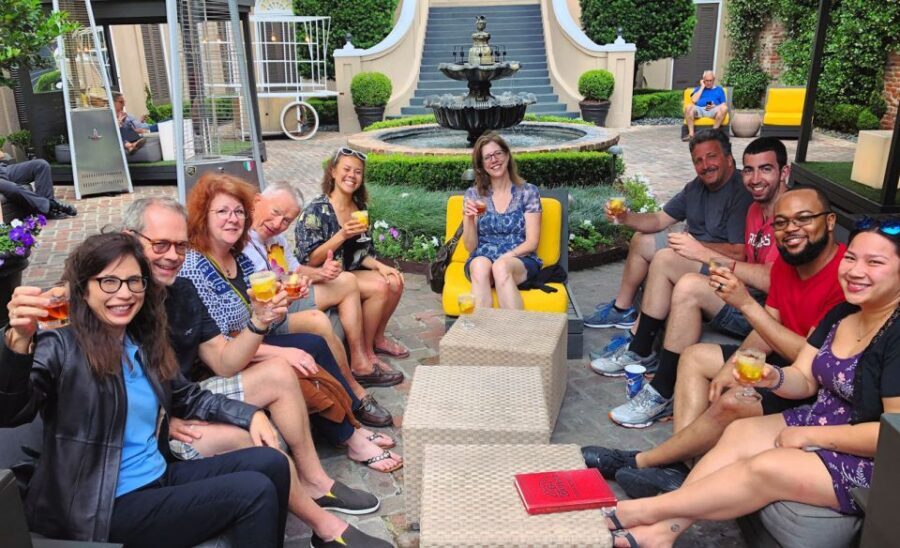
Jazz starts in the streets, not textbooks. This private, 2.5-hour New Orleans tour strings together the city’s jazz story—from the roots around Congo Square to the live-music energy near Frenchmen Street—with stops that mix famous names, Creole culture, and the places locals actually talk about.
I especially like two things: the private guide keeps you focused on what matters (not a generic script), and the guide’s love of music shows in the practical advice you can use right away, including tips on where to hear the best jazz and where to grab good food. One possible drawback: you’ll need to meet the group on your own at the start point and the tour ends on Frenchmen Street, so plan your day around that rather than expecting a full hotel pickup-and-drop routine.
In This Review
- Key Things You’ll Notice on This Soul of New Orleans Tour
- Why This Tour Works: Jazz Roots Meet Live-Music Reality
- Price and Logistics: What $111.20 Buys You (and What It Doesn’t)
- Start Smart at Congo Square and Louis Armstrong Park
- The Voodoo and Creole Culture Stops on Saint Ann Street
- Rampart Street to a Story Behind a Laundromat
- Tennessee Williams’ House: Music-Person Energy in a Famous Home
- St. Mark’s United Methodist Church and the St Pierre Hotel Jazz Museum Connection
- Preservation Hall Near Place de Henriette Delille: The Nightly Jazz Factory
- Jackson Square: A National Historic Landmark Stop
- Palm Court Jazz Café: La Maison Perrilliat and the Best Next Bite
- Louisiana Jazz Museum and the Frenchmen Street Finale
- Tips for Avoiding Tourist Traps While Still Having Fun
- Who This Tour Suits Best (and Who Might Want to Skip It)
- Should You Book The Soul of New Orleans: Jazz History Private Tour?
- FAQ
- How long is The Soul of New Orleans: Jazz History Private Tour?
- How much does the tour cost?
- Is this a private tour?
- Where does the tour start and end?
- Does the tour include admission fees?
- Is hotel pickup included?
- How do I get the tickets?
- Is the meeting point near public transportation?
- What’s the cancellation policy?
Key Things You’ll Notice on This Soul of New Orleans Tour
- Private, 1-group attention: your guide’s focus stays on your questions and pacing.
- Congo Square to Frenchmen Street flow: you move through jazz landmarks in an order that makes the city’s story easier to follow.
- Creole culture and voodoo stops: you’ll hit the Home of the Voodoo Queen and learn how culture and music overlap here.
- Music history in real locations: from the world’s first jazz museum concept inside the St Pierre Hotel to Preservation Hall’s nightly programming.
- Actionable local tips: you’re not just looking—you’re getting ideas for the best places to go next.
- No admission fees at the listed stops: the tour is built around sites that are free to enter as part of the experience.
Why This Tour Works: Jazz Roots Meet Live-Music Reality

New Orleans loves a good origin story. This tour delivers one in a way that’s easy to remember because it’s tied to specific streets, buildings, and venues—not just dates and names.
You’ll also get a sense of how jazz fits into everyday city life here. One moment you’re at a landmark connected to the roots of the music; the next you’re planning your evening around places like Preservation Hall and Palm Court Jazz Café. That mix is the magic. It makes jazz feel present tense.
The private format matters. When the guide can slow down, point, and explain the cultural threads (Creole culture, voodoo themes, and famous landmarks), you get more out of each stop. And if you’re the kind of traveler who asks questions, this is a good setup.
You can also read our reviews of more private tours in New Orleans


Price and Logistics: What $111.20 Buys You (and What It Doesn’t)
At $111.20 per person, this is a serious “worth it or not” choice. The big reason it can feel fair is the private setup: you’re paying for a local guide’s full attention for about 2 hours 30 minutes, not for a large group marching behind a headset.
What you should know upfront:
- No hotel pickup or drop-off. You’re responsible for getting to the meeting point at Best Western Plus French Quarter Courtyard Hotel, 920 N Rampart St.
- The tour ends at Frenchmen Street. That’s convenient if your plan is to keep exploring for live music, but it can be inconvenient if you want to go straight back to your hotel.
- Stops are listed as free admission on the tour plan, which helps the value feel practical.
If you’re traveling with one or two people and want clarity on where to go next for jazz, the private format often makes the price feel more reasonable. If you’re solo and want maximum flexibility without a guide, you might prefer self-guided walking with just a few targeted stops.
Start Smart at Congo Square and Louis Armstrong Park
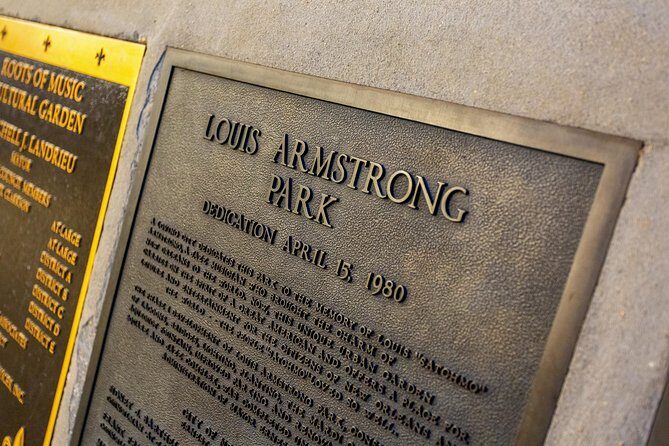
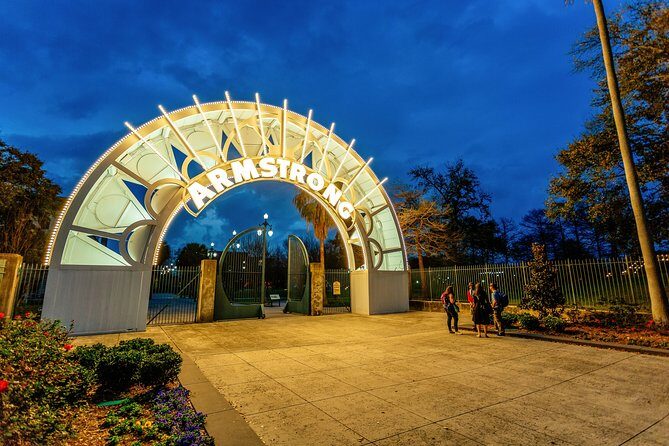
You begin near the jazz roots at Congo Square, and your first stop is connected to Louis Armstrong Park. This is a great opening because it sets the frame: you’re starting with a place tied to where the music’s story began.
The time here is short—about 15 minutes—so I treat it like orientation. You get grounded in the location first, then your guide uses that anchor to connect later stops. It’s a classic lesson in travel: understand the beginning and the middle makes more sense.
Practical tip: this is also the moment to ask early questions. If you want the guide’s best advice on what to listen to in New Orleans (and where), you’ll get more value by asking before the route speeds up.
The Voodoo and Creole Culture Stops on Saint Ann Street
From Congo Square, the tour shifts to Saint Ann Street, where the theme is voodoo and the stop is tied to the Home of the Voodoo Queen.
Even if you’re not searching for spiritual history, this part is useful because it adds context. New Orleans jazz doesn’t sit in a vacuum. The city’s cultural background—and how people talk about identity, ritual, and community—feeds the way the music is understood here.
At 15 minutes, the goal isn’t to overload you with details. It’s to give you enough context so that when you later see references around town, you’ll recognize what you’re looking at and why it matters.
Rampart Street to a Story Behind a Laundromat

You’ll return to the Louis Armstrong Park area and focus on Rampart Street, which your guide uses to point out less obvious places and stories.
One of the most memorable notes on this part is the laundromat angle: the tour highlights a regular-looking laundromat on the road that was once a recording studio for household-name stars. That kind of detail is exactly why a guided walk beats a map. It changes how you see the city’s everyday surfaces.
This section also works if you’re worried the tour is going to be all “famous landmark selfies.” Here you get the kind of fact that turns a normal street into a conversation starter.
You can also read our reviews of more historical tours in New Orleans


Tennessee Williams’ House: Music-Person Energy in a Famous Home
Next up is Tennessee Williams’ House, the former home of the playwright who was also a devoted music fan.
That detail makes this stop more than architecture or celebrity trivia. It connects literature and music through a person who had a real relationship with music. You don’t need to be a Williams expert to appreciate this pause. It’s simply a reminder that New Orleans creative life wasn’t one lane only—it braided itself together.
One caution: because the stop is brief, I’d avoid treating it like a full museum visit. Think of it as a story stop. If you want more, you can ask your guide where to go next for deeper exploration.
St. Mark’s United Methodist Church and the St Pierre Hotel Jazz Museum Connection
This part centers on St. Mark’s United Methodist Church, and then your route takes you a few blocks to St Pierre Hotel.
The key detail here is what makes the St Pierre Hotel special in the context of jazz: it’s tied to the idea of what was the world’s first jazz museum. And the tour encourages you to take a look inside to see the musical heritage.
This is one of those stops where timing matters. If you’re the type who likes looking carefully and reading, you may want to slow down with your guide and decide what you want to focus on. Otherwise, you can end up feeling like you rushed past the point.
Still, it’s a strong link in the chain: from roots and culture, you move into institutional recognition of jazz as something worth preserving and explaining.
Preservation Hall Near Place de Henriette Delille: The Nightly Jazz Factory
You’ll come to Place de Henriette Delille, and from there you visit Preservation Hall, located in the heart of the French Quarter on St Peter Street.
This stop has a very specific draw: Preservation Hall presents intimate, acoustic New Orleans Jazz concerts over 350 nights a year, featuring ensembles from a current collective of 50+ local master practitioners.
That information isn’t just impressive trivia. It answers a traveler’s real question: will I be able to find jazz without guessing? When a venue runs that many nights, the city’s music scene is less fragile than it might seem from afar.
Practical approach: use your time here to get your guide’s ideas about how to choose the right show. Even though the tour itself is a daytime walk, your goal is to be prepared for the next phase—listening.
Jackson Square: A National Historic Landmark Stop
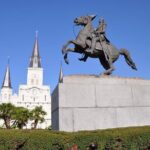
After Preservation Hall, you reach Jackson Square, the historic park in the French Quarter. It was declared a National Historic Landmark in 1960.
This is a classic “pause and orient” location. It helps you understand how jazz history sits alongside the broader civic story of New Orleans. And because Jackson Square is widely known, it also acts like a mental waypoint: you’ll be able to place yourself as you continue exploring after the tour.
One practical drawback: if you’re exhausted from walking, this is where you may want to take the seat-and-breathe approach. The stop is about 15 minutes, so you’ll still move on, but it can help reset your energy before the music-venue leg.
Palm Court Jazz Café: La Maison Perrilliat and the Best Next Bite
The route moves close to La Maison Perrilliat, and then you head to the Palm Court Jazz Café.
This stop is positioned as a top venue: the Palm Court Jazz Café is described as one of the city’s finest music venues. While the tour time here is short, it’s a useful “targeting” stop—one where you can confirm you like the kind of place you’re likely to return to later.
This is also where the guide’s value really shows. In one past experience, the guide (Holley) was praised for sharing tips not only for where to hear the best jazz, but also for where to find good food. That kind of advice can save you from the usual French Quarter time-wasters.
My suggestion: when the tour reaches this point, ask your guide to recommend what to do next if you only have one night—or if you have two.
Louisiana Jazz Museum and the Frenchmen Street Finale
Right before entering Frenchmen Street, you make one last key stop: the Louisiana Jazz Museum. This is where you get a chance to see the museum’s collections tied to the music story.
Then it’s Frenchmen Street itself—the iconic finale. You’ll stroll down the street and get guidance on the best music venues and how to make the most of the area. The tour also includes time to browse Louisiana Music Factory, described as packed with albums across the ages.
This ending is smart because it turns education into action. You’re not leaving with just memories. You’re leaving with a plan.
Practical tip: come in with curiosity, not a fixed itinerary. Frenchmen Street rewards wandering. Use the guide’s suggestions to pick your first stop, then let the street decide your second.
Tips for Avoiding Tourist Traps While Still Having Fun
You’re going to see famous places on this tour. That’s unavoidable. But you’re also getting “how not to waste time” advice along the way, which is what makes the walk feel more like a local orientation than a checklist.
Here are the questions I’d ask your guide during the tour to reduce the risk of tourist-trap detours:
- Where do you send people who want excellent jazz but don’t want to overpay or second-guess?
- If someone has limited time, what’s the smarter order to do things—music first or food first?
- What would you skip if you already know you want to spend more time on Frenchmen Street?
Because the tour is private, you can ask these without feeling rushed by a group schedule. That matters.
Also: wear shoes you trust. The route is built for walking between cultural sites and music stops. Comfortable footwear turns the experience from stressful to smooth.
Who This Tour Suits Best (and Who Might Want to Skip It)
This is a strong fit if you want jazz culture with clear direction. It works well for:
- First-timers who want the roots and the next steps for live music
- Travelers who like stories tied to real places
- People who prefer a guided explanation to reading alone
It may be less ideal if:
- You hate walking between stops and want a mostly indoor experience
- You’re already fully confident about where to hear jazz and what to do each night
- You strongly rely on hotel pickup and don’t want to navigate to a meeting point yourself
If you’re on the fence, think about your travel style. This tour is built for people who want a guided spine through the city.
Should You Book The Soul of New Orleans: Jazz History Private Tour?
I’d book it if you want a guided, stop-by-stop jazz story that ends in the exact area where you can keep listening—Frenchmen Street. The private format is the deciding factor here. It makes the city feel personal fast, and you come away with practical suggestions for music and even food.
But if your day is already tightly scheduled and you can’t handle getting to 920 N Rampart St on your own, consider whether the logistics are worth it. Also, because each stop is short (about 15 minutes), it’s best if you like “walk, learn, move on,” rather than lingering for long museum-style visits.
FAQ
How long is The Soul of New Orleans: Jazz History Private Tour?
It’s about 2 hours 30 minutes.
How much does the tour cost?
The price is $111.20 per person.
Is this a private tour?
Yes. It’s a private tour, and only your group participates.
Where does the tour start and end?
The tour starts at Best Western Plus French Quarter Courtyard Hotel, 920 N Rampart St, New Orleans, LA 70116. It ends on Frenchmen Street.
Does the tour include admission fees?
The listed stops are shown as free admission for the tour.
Is hotel pickup included?
No. Hotel pick-up and drop off are not included.
How do I get the tickets?
You get a mobile ticket.
Is the meeting point near public transportation?
Yes, it’s described as near public transportation.
What’s the cancellation policy?
You can cancel for free up to 24 hours in advance for a full refund.