REVIEW · NEW ORLEANS
True Voodoo History of NOLA’s Congo Square with Local Guide
Book on Viator →Operated by Tours by Foot New Orleans · Bookable on Viator
Congo Square is more than a postcard. This 90-minute New Orleans voodoo history walk focuses on Congo Square traditions, the stories tied to Marie Laveau, and what still lives on in the French Quarter. I like that it treats voodoo as lived culture, not spooky theater.
I especially love the tour’s fact-first approach and the way the guides make room for real questions. I also like the variety: park + streets + a temple/shop stop that gives you time to browse after the walk.
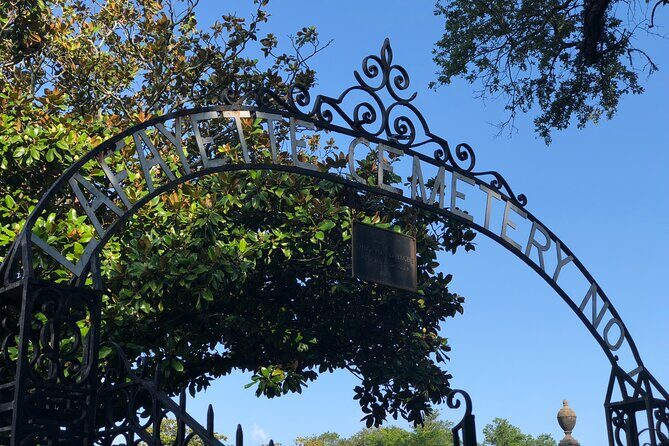
One consideration: if you were hoping for a cemetery visit tied to Marie Laveau, this route does not go to St. Louis #1 Cemetery, and offerings at her tomb are discouraged. If that is a must for you, you’ll want to plan differently.
In This Review
- Key points to know before you go
- Entering Congo Square at Armstrong Park
- How the tour keeps the pace manageable in 90 minutes
- Armstrong Park to the French Quarter: what you’ll actually learn
- The Congo Square connection
- The French Quarter segment: ports, music, and stories
- Marie Laveau’s legend, with modern respect and boundaries
- Stopping outside Voodoo Authentica: what makes it worth the time
- Music and celebration: the tour’s feel-good finish
- Price and value: is $39 for 90 minutes fair?
- Guides you might meet and why their style matters
- Who should book this voodoo history walk?
- Practical planning tips before you head out
- Should you book this tour?
- FAQ
- What is the duration of the tour?
- How much does it cost?
- Where does the tour start?
- Where does the tour end?
- What language is the tour offered in?
- Does the tour visit St. Louis #1 Cemetery?
- What’s included in the tour?
- What if the weather is bad?
Key points to know before you go
- Congo Square in Armstrong Park: the traditional gathering ground tied to African rituals and community life for generations
- Marie Laveau focus without the cemetery stop: you still hear the legends, with updated guidance due to Archdiocese security rules
- French Quarter walking segment: short, targeted stops that connect voodoo culture to the city’s port-and-music story
- Voodoo Authentica as a temple + shop: handmade local work, plus time to explore on your own
- Music and a small end-of-tour gift: the celebration piece is built in, not tacked on
- Small group limit: up to 27 people, which helps the Q-and-A stay lively
Entering Congo Square at Armstrong Park
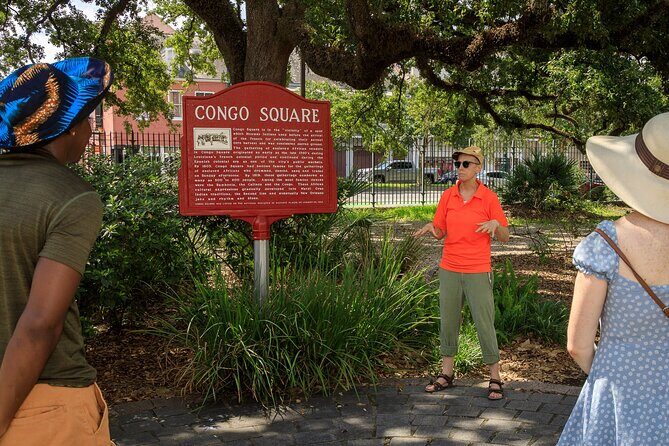
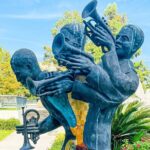
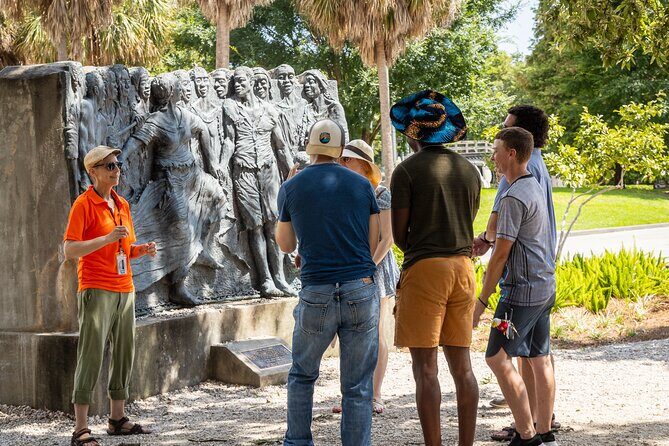
Congo Square is the heart of this tour. It’s the place you associate with the big name: New Orleans voodoo roots. More importantly, it’s where community gatherings—music, cultural practice, and social life—took place for generations, even as the city’s history tried to break those links.
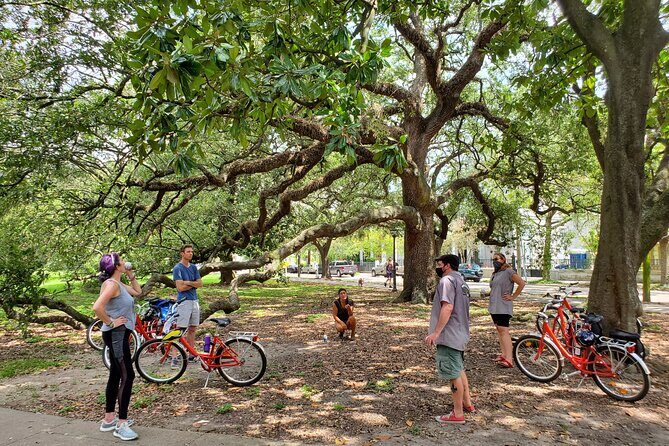
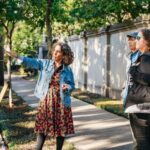
In practice, you’ll start in the park area (Armstrong Park, where Congo Square is found) and get oriented fast. Your guide frames the site as a living cultural space rather than just an old location. That changes the whole tone of the walk: instead of hunting for thrills, you’re learning how people created meaning under pressure.
What makes the opening especially strong is how it sets expectations. You’re not being asked to suspend disbelief. You’re being asked to understand the history, the people, and the why behind the stories.
You can also read our reviews of more guided tours in New Orleans



How the tour keeps the pace manageable in 90 minutes
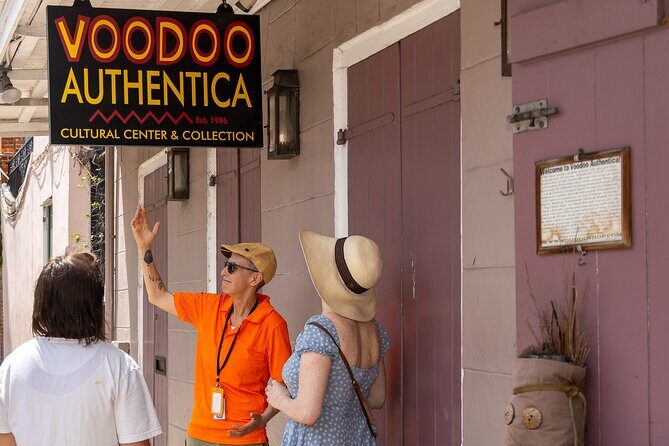
This is an about 1 hour 30 minutes walking tour, and the route is designed to be easy on your feet. You won’t be sprinting between landmarks, and the stops are arranged so you get context before you move on.
That matters because voodoo stories in New Orleans can get messy fast when you hear only the Hollywood version. A good structure keeps it clear:
- you start with the traditional gathering place,
- you connect the dots to the city’s enslaved communities and music traditions,
- you learn Marie Laveau’s role and why her legend grew,
- then you shift to a focused French Quarter walk,
- and finish with a temple/shop time block.
The walking time also leaves you with energy at the end, since you’ll have time after the last stop to wander inside Voodoo Authentica at your own pace.
Armstrong Park to the French Quarter: what you’ll actually learn
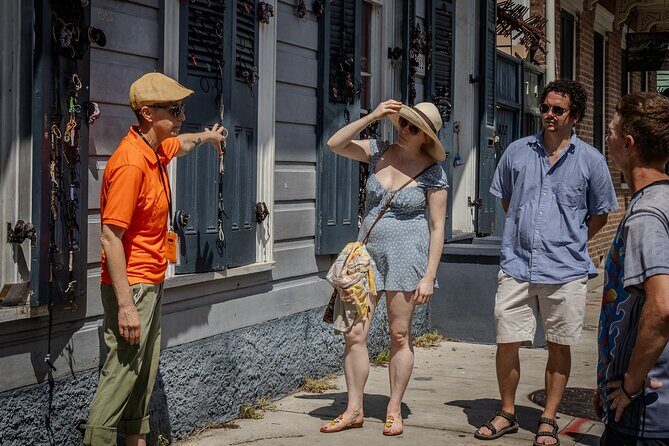
One of the tour’s best skills is how it links places to stories. You’re not just collecting names. You’re learning how a tradition traveled and transformed in a city built on movement—people, languages, trade routes, and music.
The Congo Square connection
You’ll hear the story of enslaved Africans gathering to practice rituals and music. This is not framed as folklore trivia. It’s presented as cultural survival—how communities kept identity when they had very little control.
I like that this tour doesn’t treat “voodoo” as one single, fixed thing. It’s shown as a set of practices tied to community life, spirituality, and the New Orleans environment.
The French Quarter segment: ports, music, and stories
After Congo Square, you head into the French Quarter area. The guide’s job here is to show how the city’s reputation for good times and good stories connects to what was happening in the background.
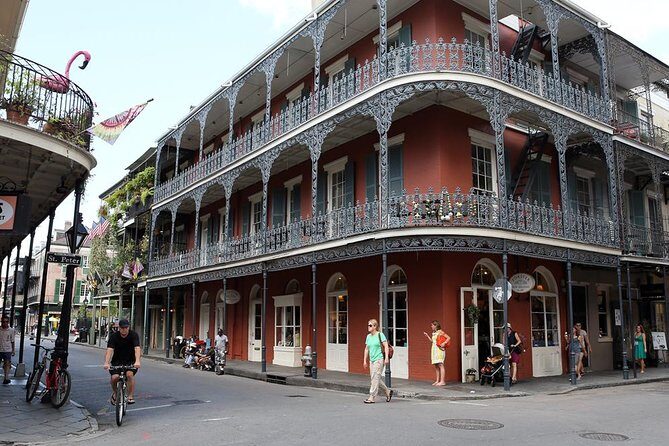
You’ll get a walking tour that’s focused on voodoo culture and history, not a generic Quarter highlight reel. Expect smaller moments—details in the streetscape and local lore—that help you understand why New Orleans became a magnet for seekers, believers, and curious minds.
A bonus from the experience: some guides are described as mixing facts with a reasonable amount of folklore, which can make the stories feel human instead of like a textbook.
You can also read our reviews of more historical tours in New Orleans


Marie Laveau’s legend, with modern respect and boundaries
Marie Laveau is the biggest name you’ll hear about on this walk. You’ll learn about her life and why she became the most famous Voodoo practitioner in New Orleans history. The key here is balance: you get the legend, but you also get context.
There’s also a clear, respectful boundary built into the tour route:
- The tour does not visit St. Louis #1 Cemetery because of new security regulations by the Archdiocese of New Orleans.
- Offerings to Marie Laveau’s tomb are discouraged during this experience.
That might be the biggest “read the room” moment of the tour. The practical takeaway for you: if you’re the kind of person who likes to bring something to place at a grave or shrine, hold off. Follow your guide’s instructions, and remember that respectful behavior is part of the tradition too.
I also appreciate that the tour doesn’t pretend the cemetery issue is mysterious or optional. It’s handled as a real-world constraint—so your expectations stay realistic.
Stopping outside Voodoo Authentica: what makes it worth the time
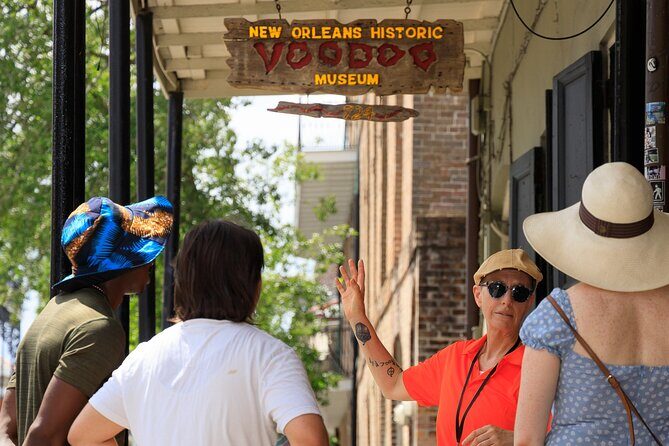
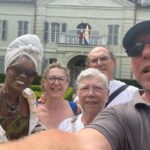
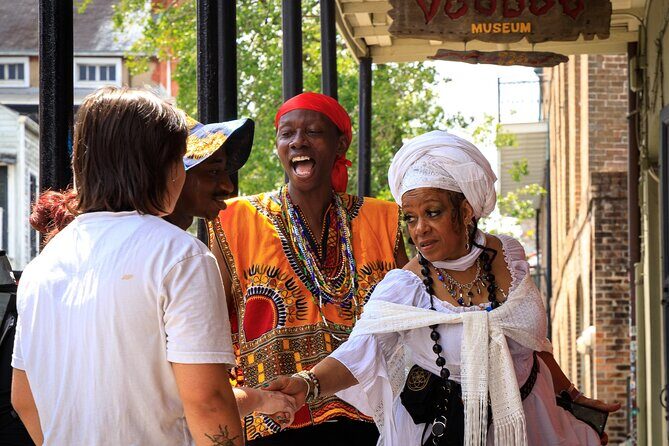
The final act happens outside Voodoo Authentica at the New Orleans Cultural Center and Collections. This is not just a retail stop. The space is presented as a shop, temple, and educational area—and it’s tied to practitioners who work there.
Here’s what that means for your visit:
- You’ll get a sense of how voodoo culture shows up in objects, craft, and teaching.
- You can explore without a hard clock, since you’ll have time after the tour to browse.
- The people working there include practitioners of Voodoo, and the tour frames the goods and knowledge through that lens.
The listing detail that matters: everything in the shop is made by local practitioners except for certain African and Haitian art pieces. For you, that’s a useful filter—when you’re shopping, you can choose work that aligns with local making and local practice.
One more practical note: don’t treat this like a quick souvenir run. Use it like an off-ramp. Let the walking portion finish your mental picture, and then let this space do the slow part—reading, asking, and seeing what you missed.
Music and celebration: the tour’s feel-good finish
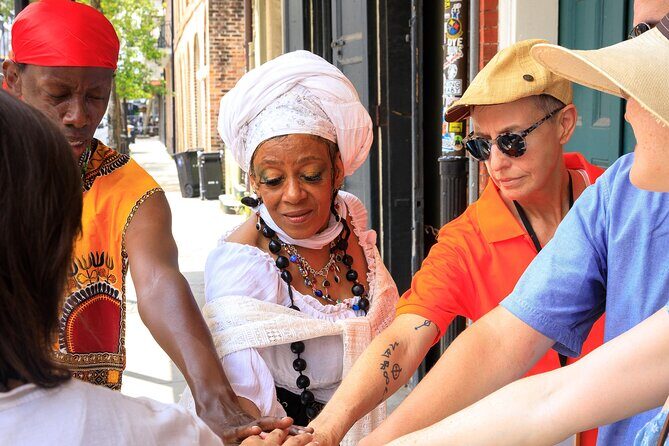
This tour includes traditional music and celebration during the experience, plus a special gift at the end. That’s not a small detail. In New Orleans, the best cultural learning often arrives in sound before it arrives in words.
The music component also helps keep the tone respectful. When you’re moving from Congo Square to street history and then to a temple/shop space, a celebration moment signals that this isn’t only about museum-like study.
If you tend to get impatient with lecture tours, this is one of the ways the experience keeps you engaged. It gives your brain a break while still keeping you on theme.
Price and value: is $39 for 90 minutes fair?
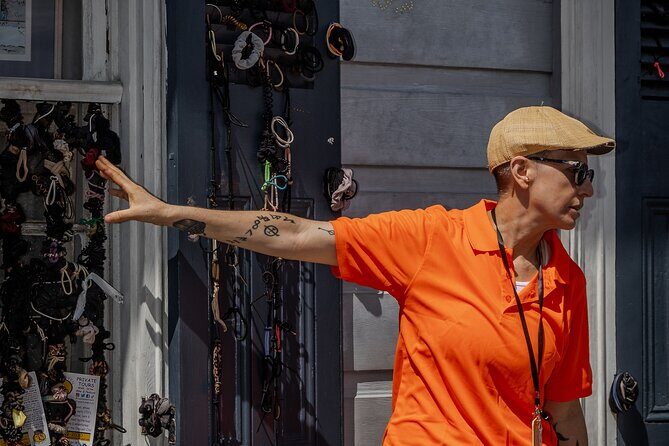
At $39 per person for about 1 hour 30 minutes, the pricing is in the “pay for a guide, not a bus” category. You’re not buying a huge ticketed attraction. You’re paying for a structured walking route with interpretation.
Where the value comes from:
- You get multiple topic beats in one walk: Congo Square traditions, Marie Laveau, and a French Quarter connection.
- The guide format matters. Reviews highlight guides as walking encyclopedias of both voodoo tradition and New Orleans history, with a non-judgmental tone and lots of room for follow-up questions.
- The Voodoo Authentica stop gives you time to explore on your own after the tour, so the experience doesn’t end the moment the walking stops.
- You get music and a small end gift, which turns the experience from only informative into memorable.
A good fit if you want history explained clearly and you don’t want to build your own route from scratch.
A mild caution: because it’s short, you’ll get the key stories, not every possible rabbit hole. If you’re the type who wants long cemetery-time or deep academic coverage, this is best as your foundation walk.
Guides you might meet and why their style matters
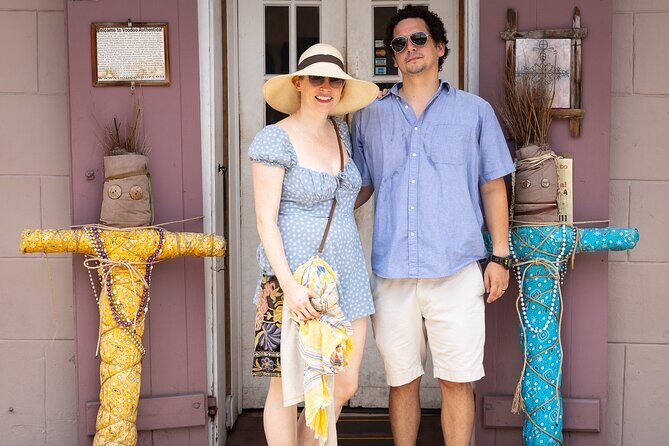
The experience is powered by its guides, and the names that show up in feedback are a strong clue about the tone you can expect. You may be led by people like Matthew, Sandy, Anna, Evian, or Robbie.
What those guides seem to share in common:
- They’re comfortable handling questions without shutting you down.
- They keep the experience history-forward. One review called out the value of history instead of hokey acting, which matches the tour’s overall vibe.
- They mix facts with just enough story texture to make New Orleans feel like New Orleans.
If you care about respectful context and you want someone who can explain misconceptions, this style choice is a major part of the value.
Who should book this voodoo history walk?
I think this tour fits best if:
- You’re curious about New Orleans voodoo as a religious and cultural practice, not just aesthetic imagery.
- You want a walk that’s easy to manage and still packed with meaning.
- You prefer learning that’s grounded in history, but still human and story-driven.
- You like Q-and-A time and don’t want a rigid script.
It may be less satisfying if:
- You came specifically for a cemetery stop tied to Marie Laveau and you’re set on St. Louis #1.
- You want an ultra-long experience with no end-of-tour shop time.
Practical planning tips before you head out
A few small things will help your tour go smoother:
- Wear walking shoes. This is a walk with multiple stops across park and city streets.
- Bring your curiosity. The best part of the experience is the chance to ask questions.
- If you plan to visit Voodoo Authentica, expect to spend time inside. Give yourself that buffer so you don’t feel rushed.
Also, the tour requires good weather. If rain or extreme conditions hit, you may be offered a different date or a refund.
Should you book this tour?
Book it if you want a respectful, history-first New Orleans voodoo experience with real places: Congo Square/Armstrong Park, a Marie Laveau-focused story framework, a French Quarter walk tied to culture, and a final stop at Voodoo Authentica where you can linger.
Skip or rethink if St. Louis #1 Cemetery is the whole point for you. This route makes a clear call to omit that stop and also discourages offerings at Marie Laveau’s tomb. In return, you get a smooth 90-minute walk that keeps learning and celebration in the same lane.
If you’re arriving for the first time and you want one smart starting point, this is a strong option.
FAQ
What is the duration of the tour?
The tour runs for about 1 hour 30 minutes.
How much does it cost?
It costs $39.00 per person.
Where does the tour start?
It starts at 1298 St Ann St., New Orleans, LA 70116, USA.
Where does the tour end?
It ends at Voodoo Authentica Inc, 612 Dumaine St, New Orleans, LA 70116, USA.
What language is the tour offered in?
The tour is offered in English.
Does the tour visit St. Louis #1 Cemetery?
No. The tour does not visit St. Louis #1 Cemetery due to new security regulations by the Archdiocese of New Orleans, and offerings to Marie Laveau’s tomb are discouraged.
What’s included in the tour?
You get a professional tour guide, a walking tour focused on Voodoo culture and history, traditional music and celebration, and a look into unique Voodoo culture in New Orleans and Southeast Louisiana. A special gift is included at the end.
What if the weather is bad?
This experience requires good weather. If it’s canceled due to poor weather, you’ll be offered a different date or a full refund. Free cancellation is available up to 24 hours before the experience starts for a full refund.