REVIEW · NEW ORLEANS
French Quarter Walking Tour: LGBTQ History, Literary History, and Voodoo
Book on Viator →Operated by Frank Perez · Bookable on Viator
History walks with you here. A private French Quarter walk with Frank Perez turns LGBTQ, literary, and voodoo history into real-world street stories. I love the way custom stops can follow your curiosity instead of marching you through a fixed script. One thing to consider: because the route shifts based on what you want to focus on, you’ll get the most out of it if you share your priorities early.
I also like how personal the tone is. This isn’t just dates and facts; it’s social history tied to the Quarter’s people and places. If you’re the type who asks questions, you’ll feel comfortable doing it—Frank’s approach is calm and accommodating, and the walk stays relaxed even when you go down interesting side paths.
Finally, it’s a walking tour that lasts about 1.5 to 2 hours, so wear shoes that can handle the Quarter’s pace. The route ends somewhere in the French Quarter, but the exact finish point can vary with your interests and your tour time (morning, afternoon, or evening).
In This Review
- Key things to know before you go
- Starting on St Peter: where your French Quarter story begins
- The French Quarter themes that actually make the walk click
- Who you’re walking with matters: Frank Perez’s community perspective
- Stop-by-stop: what you can expect from each theme (and why it’s worth it)
- LGBTQ history stops: identity, community, and street-level context
- Literary history stops: why writers and words show up here
- Voodoo stops: belief, tradition, and cultural meaning
- Access and pace: what makes this walk feel different
- Timing it right: morning, afternoon, and evening value
- Value for your time: private and tailored beats a fixed checklist
- Who should book this tour (and who might want a different style)
- Should you book this French Quarter walking tour?
- FAQ
- How long is the French Quarter walking tour?
- Is this a private tour?
- Where does the tour start?
- What topics does the tour cover?
- Are service animals allowed?
- Can I cancel for a full refund?
Key things to know before you go
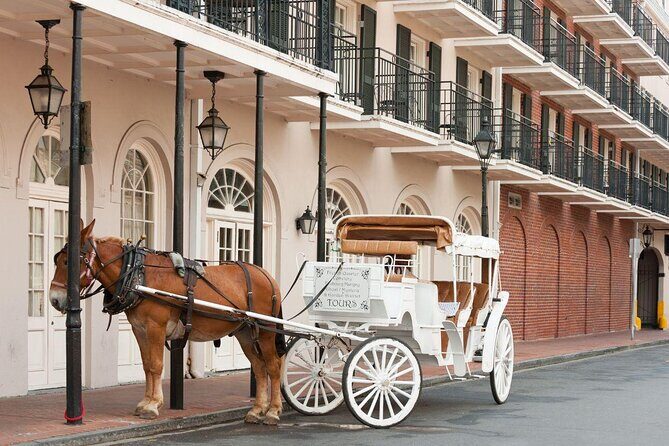
- Guided by Frank Perez: a resident of the Quarter with a published-author background and a love for the neighborhood.
- Private tour, just your group: you get flexibility and the tour can bend to your interests.
- Theme mix, not a one-track walk: LGBTQ history, literary history, and voodoo are all part of the story.
- Stops change with your questions: the route is customizable, so come ready with what you want most.
- You may see places most walks don’t: Frank has connections and can take you into spots tourists usually only view from the sidewalk.
- Good option for any departure time: morning, afternoon, or evening departures help you fit it into your day.
Starting on St Peter: where your French Quarter story begins
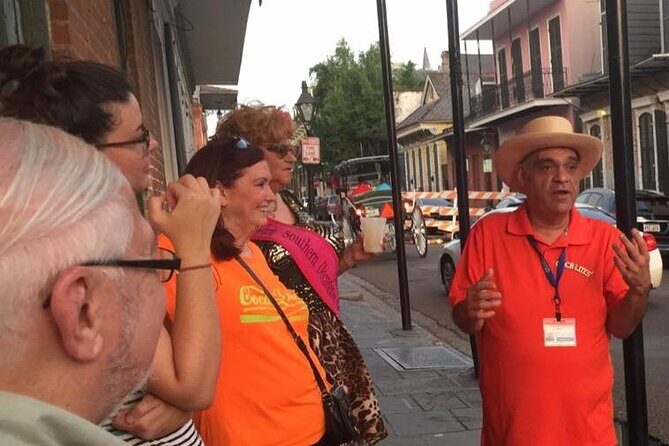
Your tour meets at 638 St Peter, New Orleans, LA 70116. It’s an easy address to plug into maps, and the area is near public transportation—handy if you’re mixing this with other stops on foot and by transit.
Plan for about 1 hour 30 minutes to 2 hours on your feet. That length is long enough to connect themes, but short enough that you won’t lose the plot halfway around the Quarter. You’ll also get a mobile ticket, so you’re not scrambling for paper at check-in.
The biggest logistical win is that it’s private. Only your group goes, so there’s no herd pacing. If you want to spend extra time on LGBTQ history—or you’re more interested in literary figures and the written word in the Quarter—you can steer the conversation. If you want a voodoo-focused angle, say so.
You can also read our reviews of more walking tours in New Orleans


The French Quarter themes that actually make the walk click
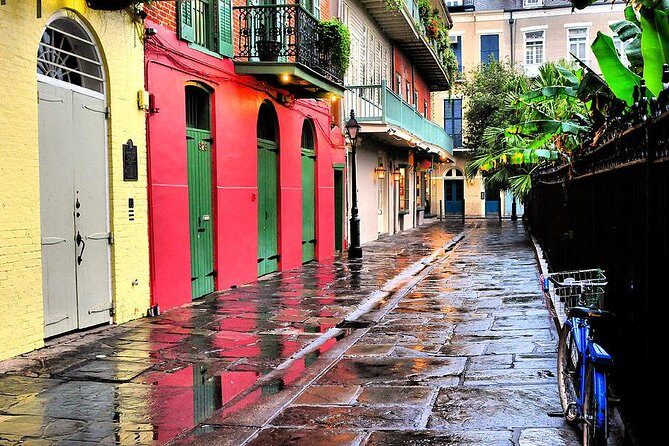
This tour is built around three storylines: LGBTQ history, literary history, and voodoo. The value isn’t that you get three topics. It’s that the guide connects them to the Quarter as a living social world—how communities formed, how people expressed themselves, and how culture traveled through the neighborhood over time.
Here’s how this usually feels as a guest: you start with the streets and recognizable sights, then your guide layers in meaning. Instead of treating history like a museum placard, you get stories tied to everyday life—who gathered where, how identities were shaped, and why the Quarter’s culture developed the way it did.
And because stops vary depending on your interests, the walk can tilt toward what you care about most. That’s especially helpful if you’re visiting for a specific reason, like understanding LGBTQ presence beyond stereotypes, seeing literature as part of local culture, or learning the role voodoo beliefs play in New Orleans identity.
Who you’re walking with matters: Frank Perez’s community perspective
Frank Perez is the whole point of this experience. The reviews and the way he’s described point to someone who’s not just passing through the Quarter for a job, but part of the place.
A few specific strengths show up again and again in how guests talk about the tour:
- He brings stories you can picture, not just lists.
- He’s described as published and fact-based, so the narrative feels grounded.
- He knows change over time—how the Quarter shifts, and what remains.
- He’s respectful of questions and doesn’t make you feel rushed.
That matters because the French Quarter can be overwhelming fast. It’s easy to wander for an hour and end up with a handful of photos and a vague sense of, well, New Orleans. With Frank, you get a framework that makes the area make sense. You can look at a street corner and understand what to notice next.
He’s also described as having relationships in the neighborhood, including knowing residents and business owners. In plain terms, that often translates into access to places other walks usually keep on the curb line.
Stop-by-stop: what you can expect from each theme (and why it’s worth it)
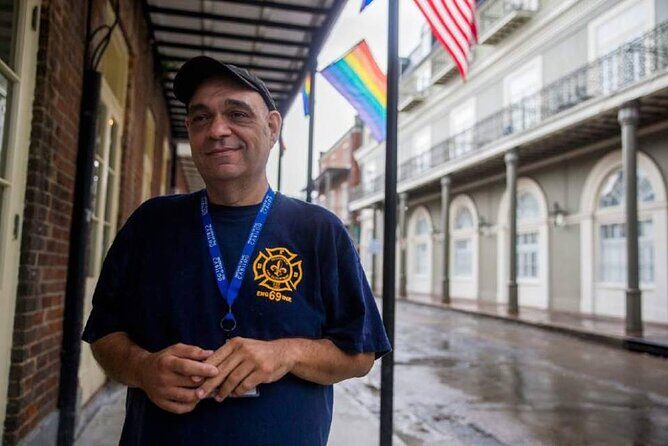
Because stops vary, I can’t promise you’ll see the exact same sequence as another group. But the themes are consistent, and the tour is designed so each portion gives you a different lens on the Quarter.
LGBTQ history stops: identity, community, and street-level context
When the route shifts into LGBTQ history, you’re not just learning about people in the abstract. You’re getting context about how identities and communities have shown up in the Quarter over time—socially, culturally, and in how people found belonging.
A smart way to approach this part: come with one question you genuinely care about. If you want to know how life in the Quarter shaped LGBTQ culture, ask. If you’re curious how public and private spaces mattered, ask that too. Frank’s whole style seems geared toward adapting to what you want answered, not forcing you into generic talking points.
Possible drawback: if you go in hoping for a tightly scripted list of specific names and dates, this may feel more story-driven than textbook. That said, the emphasis on real context can be more useful than a pile of facts you’ll forget by day two.
You can also read our reviews of more historical tours in New Orleans



Literary history stops: why writers and words show up here
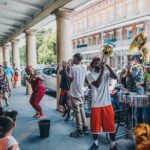
Next, the tour turns toward literary history. This is where the Quarter’s creative reputation stops being a tagline and becomes part of the streetscape. Expect explanations of how writing, storytelling, and writers connect to the place—through culture, identity, and the city’s wider influence.
If you love books, you’ll enjoy this even if you’re not a “hardcore history” person. You’ll likely notice how stories travel: from page to rumor to local tradition. And because it’s a walking tour, you’re linking the narrative to real locations instead of imagining them from a distance.
Tip: if you have favorite New Orleans authors, bring them up early. Since the tour is customizable, that’s the kind of direction that can shape the stops.
Voodoo stops: belief, tradition, and cultural meaning
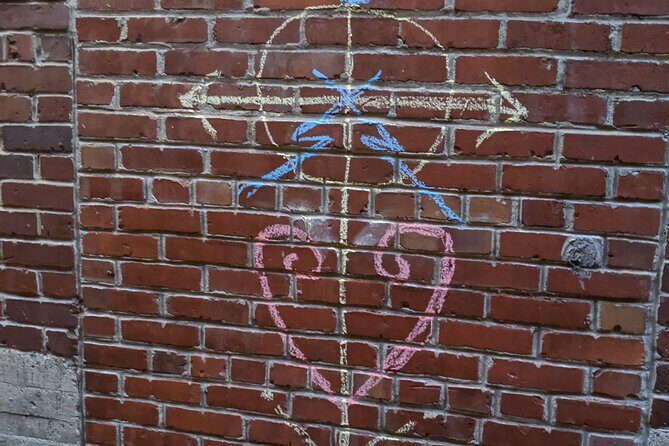
Then comes voodoo, handled as cultural history rather than shock value. This part tends to be where misunderstandings fade. You’ll get context about what beliefs mean in New Orleans life and how they intersect with the Quarter’s identity.
The practical upside here is perspective. Voodoo in New Orleans often gets flattened into stereotypes for visitors. A guided conversation helps you see why the tradition matters to the community, not just to tourists.
One consideration: if you’re uncomfortable with topics that involve belief systems and spirituality, this section might not be your favorite. Still, it’s presented as part of the area’s cultural story, and Frank’s teaching style—relaxed and considerate—helps the material feel grounded instead of confrontational.
Access and pace: what makes this walk feel different
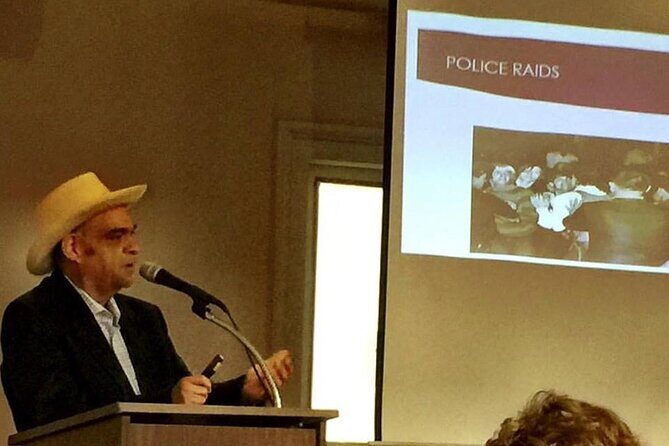
This tour is described as relaxed, informative, and educational, and that’s not a minor detail. A lot of guided walks cram too much. Here, guests describe a tempo that leaves room for questions, including lots of them.
That’s a big deal in the Quarter. If you’re only there for a day or two, you’ll want a guide who can explain what you’re seeing without making you feel behind. The guide’s flexibility also means you don’t have to “stay on the route” if something catches your interest.
One more thing: the tour may include stops where you don’t just stand outside and look in. Guests specifically mention being taken into places tourists normally don’t see. I’ll put it this way: you should expect more than sidewalk sightseeing, but remember the exact stops can change based on your interests.
If you’re the type who hates being herded, this private format will feel like relief. If you’re the type who loves structure, use your planning to set a focus so the customization still lands on what you want.
Timing it right: morning, afternoon, and evening value
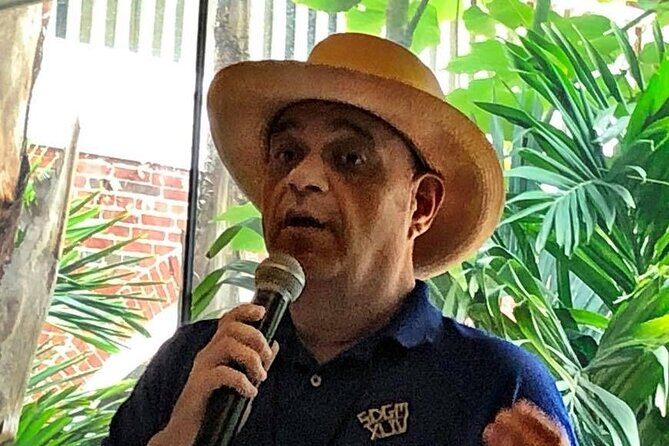
You can choose departure times in the morning, afternoon, or evening range. That flexibility matters because the French Quarter changes mood throughout the day. Early light can make details easier to spot. Later hours can feel more atmospheric, especially when you’re thinking about nightlife culture and social history.
There’s also a practical perk: you can finish in a way that matches your next plan. One guest liked ending ready to enjoy a Mardi Gras parade, which is a good example of how this tour can plug into your day rather than hijack it.
A simple planning move: tell Frank what you have next. If you’re aiming for evening plans, you can ask to keep the pace aligned and finish around the right time in the Quarter. Since the end point can vary, that guidance can help your schedule.
Value for your time: private and tailored beats a fixed checklist

Even without a stated price, you can judge value by what you’re paying for. Here, you’re paying for:
- A guide with strong local ties (Frank is described as part of the community and familiar with residents and businesses).
- The ability to adjust the tour to your interests.
- A story-driven approach that covers multiple themes in one walk.
- A format that feels personal because it’s private.
For a short visit, this is efficient. In 90 minutes to 2 hours, you’re getting context that would take you longer to piece together on your own. And because stops can shift, you’re not stuck with irrelevant segments.
The best “value” sign is the consistency of the feedback: guests repeatedly call out Frank’s warmth, his ability to tailor, and how much they learned without feeling rushed.
Who should book this tour (and who might want a different style)
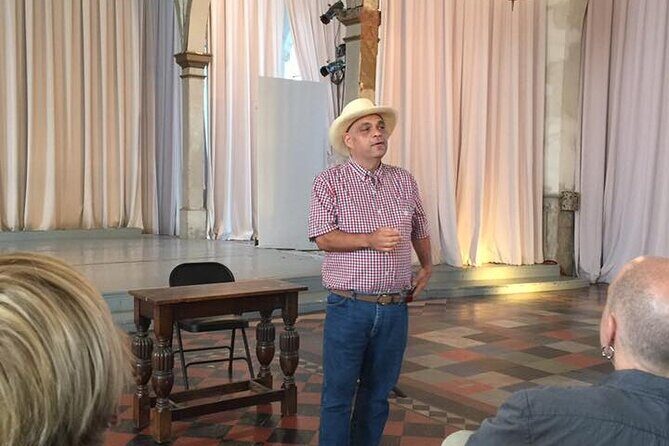
This tour fits you well if:
- You want a private guide instead of a group shuffle.
- You care about the French Quarter beyond food, music, and photos.
- You want LGBTQ history, literary history, and voodoo discussed in the same place, connected to the neighborhood.
- You like a conversational pace where questions are welcome.
You might want to consider a different option if:
- You prefer a rigid itinerary where every stop is guaranteed and timed like a checklist.
- You want only one narrow topic and don’t want any mixing of themes.
But even then, the customization option is the point. If you keep your expectations flexible and communicate your priorities, the tour can still serve you well.
Should you book this French Quarter walking tour?
Yes, if you want the Quarter explained by someone who knows it as a real place, not just a set of famous postcards. I’d book it when I want street-level context for LGBTQ history, literary history, and voodoo, and when I want the walk to adjust to what I’m curious about rather than forcing me into someone else’s agenda.
Before you go, do one small prep move: pick your top two interests and be ready to say them at the start. Since stops vary and the end point can shift, your clarity helps Frank shape the route so you leave with answers you actually wanted.
FAQ
How long is the French Quarter walking tour?
It runs about 1 hour 30 minutes to 2 hours, depending on the tour and the stops selected for your interests.
Is this a private tour?
Yes. It’s a private tour/activity, and only your group participates.
Where does the tour start?
The start location is 638 St Peter, New Orleans, LA 70116.
What topics does the tour cover?
The tour focuses on French Quarter history with a blend of LGBTQ history, literary history, and voodoo.
Are service animals allowed?
Yes, service animals are allowed.
Can I cancel for a full refund?
Yes, you can cancel for free up to 24 hours in advance for a full refund. If you cancel less than 24 hours before the start time, the amount paid is not refunded.