REVIEW · NEW ORLEANS
New Orleans French Quarter and Voodoo History Walking Tour
Book on Viator →Operated by French Quarter Phantoms · Bookable on Viator
Voodoo and French Quarter lore in one neat walk. This is a story-forward stroll that threads together Congo Square, Marie Laveau, street-life legends, and music history, all while showing you how the Quarter’s buildings, food, culture, and music got shaped over time.
I love two things most. First, the pacing gets you through big-name stops without feeling like a sprint, and guides are praised for keeping things in the shade with a comfortable walking speed. Second, the tour aims for real history and place-based storytelling, not a gimmick. One possible drawback: if you strongly prefer the discussion to stay away from modern social or political framing, note that at least one guide style review flagged that as too heavy.
In This Review
- Key Highlights You’ll Actually Feel on the Walk
- Entering the French Quarter With a Map in Your Head
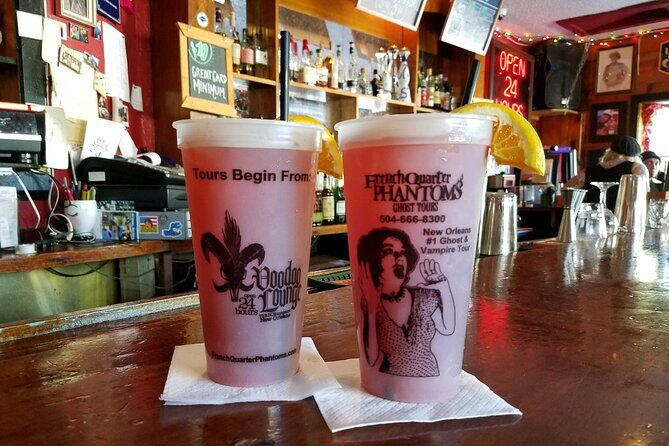
- Where the Tour Starts: Voodoo Lounge to Jackson Square
- Stop 1: Congo Square and the Roots Beneath the Music
- Stop 2: Marie Laveau’s Former Residence and the Safe-House Angle
- Bourbon Street: Name Origins, Reputation, and the Old French Opera House
- Preservation Hall: Music Preservation You Can Feel
- Royal Street and the Law: From Supreme Court Sights to Big Names
- Voodoo Authentica: A Cultural Center Stop, Not Just a Quick Photo
- Jackson Square Finale: Architecture, Artists, Tarot, and the Big Center Stage
- Price and Value: Why $21 Works Here
- Pace, Shade, and Guide Style: How to Get the Most Out of It
- Who This Tour Is Best For
- Should You Book This French Quarter and Voodoo History Walk?
- FAQ
- What is the duration of the New Orleans French Quarter and Voodoo History Walking Tour?
- How much does the tour cost?
- Where does the tour start and where does it end?
- What time does the tour begin?
- How large is the group?
- What language is the tour offered in, and do you get a mobile ticket?
- Does the tour include admission fees at stops?
Key Highlights You’ll Actually Feel on the Walk
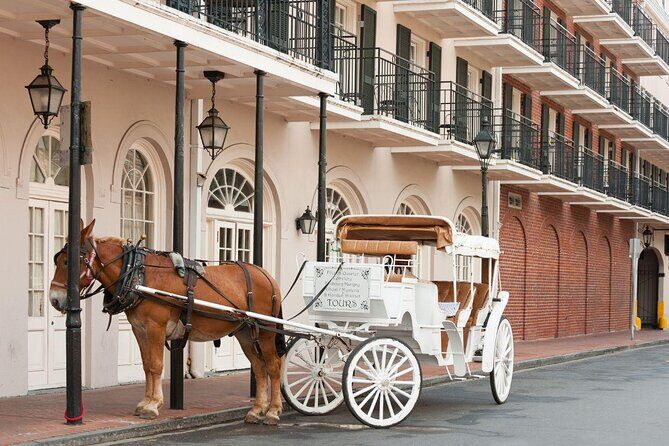
- Congo Square context: hear how early voodoo tradition connected with the slave trade and Indigenous peoples of New Orleans
- Marie Laveau’s site + safe-house story: visit the original location associated with her work and shelter for orphans and Choctaw vendors
- Bourbon Street with nuance: learn how it got its name and why locals have a complicated relationship with its fame
- Preservation Hall’s mission: understand how the venue protects and preserves New Orleans music traditions
- Royal Street politics you can point to: Supreme Court sights plus names like Huey P. Long, Edwin Edwards, and the Plessy vs. Ferguson case
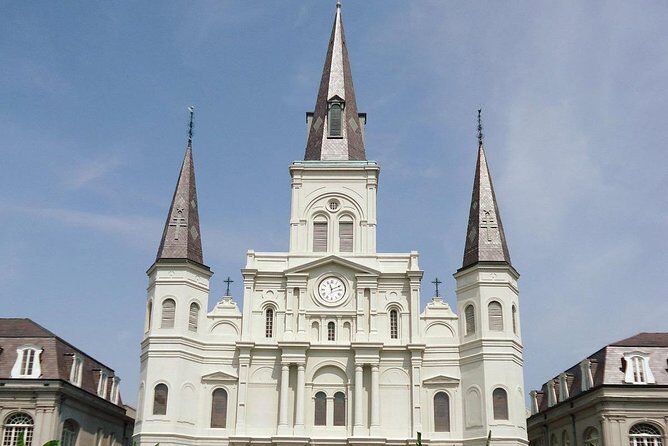
- Jackson Square as a living stage: St Louis Cathedral and Cabildo, plus artists, musicians, and tarot readers
Entering the French Quarter With a Map in Your Head
Start at Voodoo Lounge (718 N Rampart St), then walk toward the French Quarter’s heart and end at Jackson Square. The big win here is structure. In about 1 hour 45 minutes you cover a lot of ground, but you’re not just wandering. You get a thread—voodoo roots, Quarter street history, music preservation, and power politics—so the places start to make sense.
This isn’t a sit-down museum tour. It’s a standing-in-the-street kind of history experience. That means you’ll learn faster when you pay attention to what you can see: street angles, building styles, and landmark placement. It also means you’ll want to wear comfy shoes, because the Quarter is more walkable than it looks on a map.
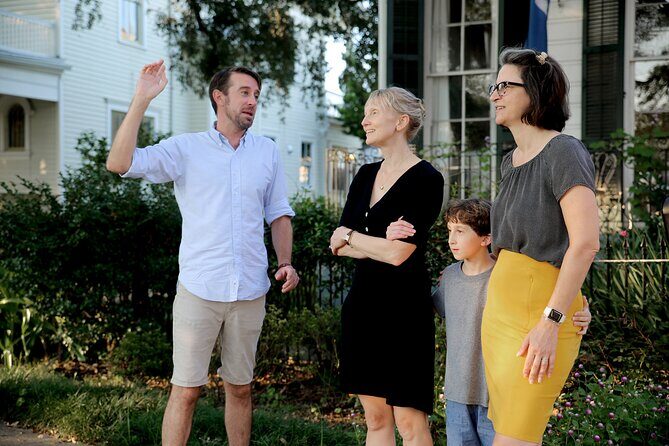
Group size is capped at 20, which helps the guide keep the tour interactive. Many guides are praised for being quick to answer questions, too, so if something pops into your head—how the legal system shaped race, or why that building looks that way—you’ll have a better chance of getting a real response.
You can also read our reviews of more walking tours in New Orleans


Where the Tour Starts: Voodoo Lounge to Jackson Square
Meeting at Voodoo Lounge is a clever choice. You start in the right neighborhood for the theme, and the walk naturally funnels you into the French Quarter’s most iconic sights.
The tour begins at 11:00 am. Plan for warm weather, street crowds, and the fact that New Orleans can be humid even when the sky looks calm. The tour also requires good weather, so if conditions are rough, you may be offered a different date or a refund. If you’re flexible, this is usually easier.
The mobile ticket is also practical. You won’t be hunting for a paper pass while you’re trying to find the right street corner. And since the end point is Jackson Square, it’s easy to keep your day going afterward—snacks, photos, or simply watching the square’s artists and musicians do their thing.
Stop 1: Congo Square and the Roots Beneath the Music
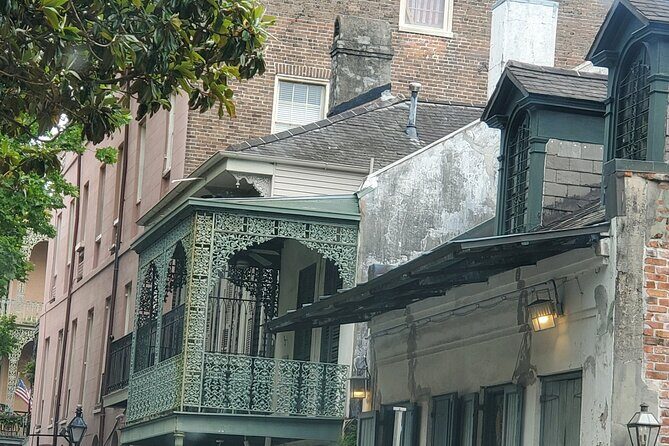
Congo Square is where the tour earns its title. You’ll hear about early history of voodoo alongside the slave trade and Indigenous peoples of New Orleans. This matters because it frames voodoo as a living cultural system shaped by forced migration, survival, and community—not just a set of spooky symbols.
You’ll also get a clearer understanding of why Congo Square shows up again and again in New Orleans storytelling. It’s not just a landmark. It’s a historical reference point for how people gathered, practiced culture, and built identity under extreme pressure.
Time here is short—about 10 minutes—but that’s enough to change how you look at the rest of the walk. When you later hear names, see churches, or pass buildings tied to power and law, you’ll have a stronger sense of the human stories underneath the city’s myths.
Stop 2: Marie Laveau’s Former Residence and the Safe-House Angle
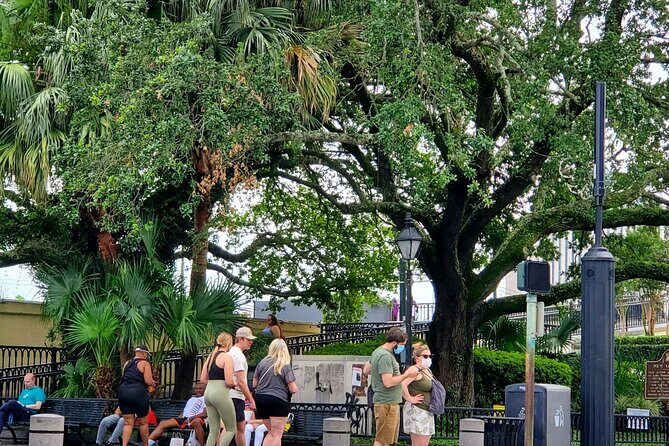
Next comes the original spot associated with Marie Laveau. You’re not just hearing a legend—you’re visiting the former residence site tied to her work in voodoo and the idea of a safe house for people in need.
One of the most compelling details you’ll hear is that orphans and Choctaw vendors found shelter there. That shifts the vibe quickly. The story isn’t only about ritual; it also points to community support and real-world protection during a time when many people had very few options.
This stop also includes admission, which is a small but smart value detail. Even if you’re paying attention to history more than theatrics, having a paid site included usually means the tour is spending money where it counts—on access, interpretation, or both.
If you’re hoping for a tour focused purely on voodoo practices like chants, tools, or step-by-step rituals, you might feel the timing here is more contextual than exhaustive. Still, it gives you a foundation you can build on later.
Bourbon Street: Name Origins, Reputation, and the Old French Opera House
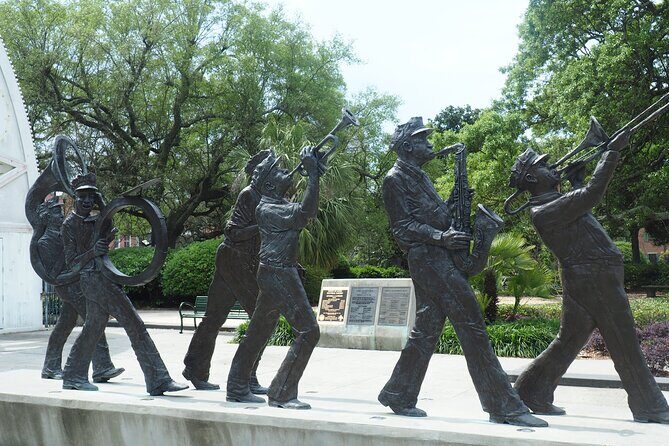
Bourbon Street is the Quarter’s loudest brand. This tour treats it like a real place with a real backstory. You’ll learn how it got its name and why it became famous, then you’ll hear about the locals’ complicated relationship with its reputation.
That complicated part is worth your attention. New Orleans is a city where people love the same streets they also complain about. Getting that tension explained helps you understand why you’ll see both pride and frustration in how locals talk about tourism, nightlife, and the city’s image.
You’ll also hear history connected to the Old French Opera House. Even if you don’t stop for an extended viewing, adding opera-house context helps link Bourbon Street’s current swagger to earlier cultural life. It’s one of those moments where the city starts to feel layered instead of random.
This section is where good guide storytelling really matters. You’re moving through one of the most photographed stretches in the country, so the guide has to keep you oriented and focused. The best versions of this tour do that by connecting the loud present to the quieter past.
You can also read our reviews of more historical tours in New Orleans



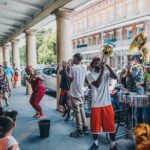
Preservation Hall: Music Preservation You Can Feel
One of the easiest ways to understand New Orleans is to understand its music infrastructure. Preservation Hall is one of America’s best-known music venues, and this stop shows you why it matters.
You’ll hear the venue’s history, how musicians shaped it, and the work Preservation Hall does to protect and preserve New Orleans music traditions. That’s valuable because it explains why New Orleans music doesn’t behave like a generic souvenir product. The city has institutions that try to defend craft, style, and legacy.
Time here is about 10 minutes. You’re not going to leave with a full music theory course. Instead, you’ll leave with a new way to read the soundscape of the city. When you walk past live music later, you can think about who’s preserving which tradition and why audiences keep showing up.
If you care about culture that survives beyond one decade, this is a highlight.
Royal Street and the Law: From Supreme Court Sights to Big Names
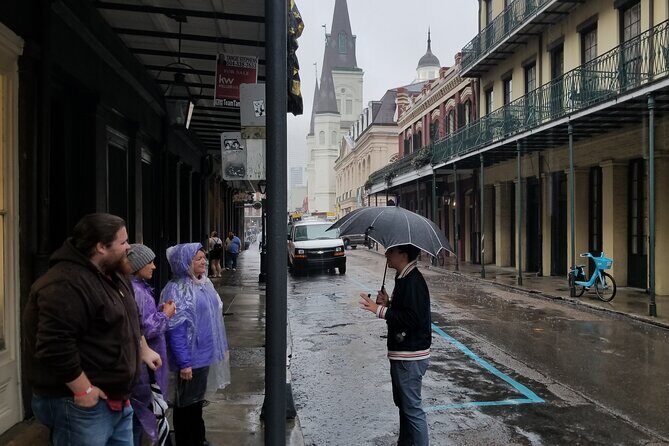
Royal Street is quieter than Bourbon, but it’s the kind of quiet that hints at power. Here you’ll see the State Supreme Court building and hear about Louisiana politicians such as Huey P. Long and Edwin Edwards.
You’ll also hear about Plessy vs. Ferguson. That’s heavy subject matter, but it belongs in a city tour. New Orleans didn’t become what it is without legal decisions that shaped everyday life for generations.
This stop is important because it prevents the walk from turning into only legends and spooky vibes. You’re seeing how authority and inequality formed the environment people lived in. And once you connect voodoo-era survival stories with later legal fights, the city’s history stops feeling like separate chapters.
Time here is about 15 minutes, which is a good balance for a place like Royal Street. It gives enough time to take in the sights while letting the guide explain why these names and court decisions still matter.
Voodoo Authentica: A Cultural Center Stop, Not Just a Quick Photo
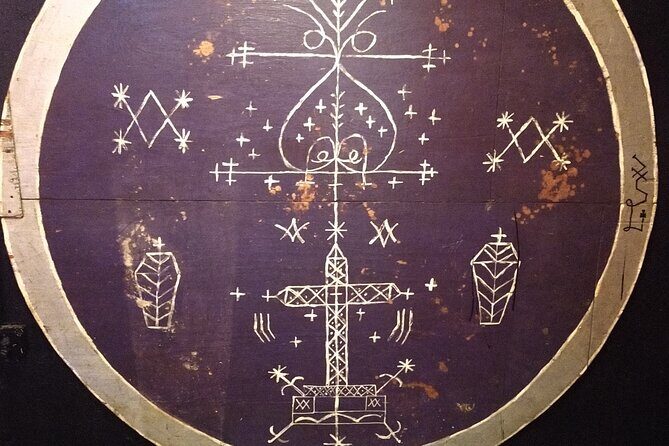
Voodoo Authentica is a Voodoo Cultural Center and collection. This matters because it keeps the voodoo theme from staying purely myth and street performance. You get a stop designed to present voodoo in a cultural and interpretive way.
Time here is about 15 minutes. That’s long enough to slow down, look at what’s on display, and absorb the idea that there’s an organized cultural story behind what people think they already know.
This stop also helps you balance the tour overall. After Congo Square and the Marie Laveau site, Voodoo Authentica functions like a midpoint: less about a single legend, more about how communities carry tradition, meaning, and identity.
If you’re the type who likes your travel grounded—faces, objects, context—this is a strong part of the route.
Jackson Square Finale: Architecture, Artists, Tarot, and the Big Center Stage
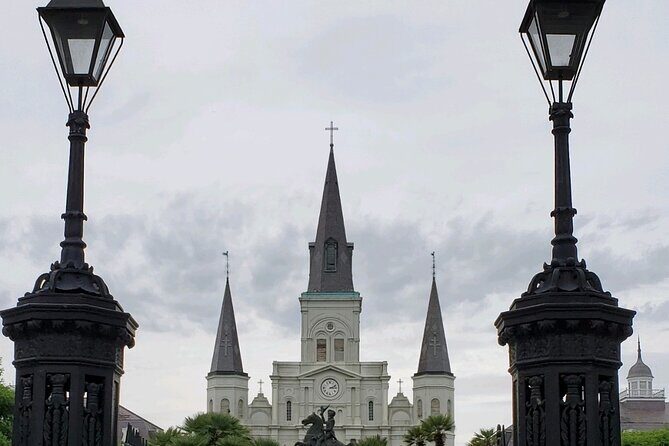
The tour ends at Jackson Square, and for good reason. It’s not just a photo stop. It’s a public living room for the Quarter—St Louis Cathedral, the Cabildo, artists, musicians, and tarot card readers all sharing space.
Time here is about 15 minutes, which is enough to take in both the landmark architecture and the street energy. You’ll hear more history than you can process in one quick pass, but that’s normal in New Orleans. It’s a city that keeps adding layers every time you look.
St Louis Cathedral and the Cabildo give you strong anchor points. They help you connect the city’s religious and civic story to the earlier stops you saw—culture under pressure, community survival, and power structures.
Tarot card readers and performers also add a reality check: New Orleans doesn’t separate the old from the entertaining. The supernatural in this city is also part of the present-day experience, for better or worse. The guide’s framing helps you see that as cultural expression, not just a gimmick.
Price and Value: Why $21 Works Here
At $21 per person for about 1 hour 45 minutes, this tour is priced for real value. The math is simple: you’re paying for interpretation and guided context, not just walking.
Several stops involve admission that’s either free or included. Congo Square, Preservation Hall, Royal Street areas, Voodoo Authentica, and Jackson Square are listed as free for the activity, while the Marie Laveau site includes admission. That mix matters. It means you’re not paying twice—once for the tour and again to see every stop.
Group size stays capped at 20, so you’re not stuck in a giant herd with no personal connection. Many guide mentions in feedback also point to story skill and humor, plus the ability to answer questions clearly. If you go in wanting a little structure and explanation, this price feels fair.
And booking tends to happen around two weeks in advance, so if you’re traveling during peak season, don’t leave it to the last minute.
Pace, Shade, and Guide Style: How to Get the Most Out of It
The strongest compliments cluster around guide performance: engaging storytelling, quick wit, and a way of weaving local lore into history. Names like Erin, Pepe, Wolfy, Angela, Robert, Nika, and Bobby show up repeatedly in feedback as examples of guides who manage pace well and answer questions thoughtfully.
The best guides also handle practical comfort. Hot-day shade and keeping the walking speed comfortable are mentioned more than once. That’s not fluff. In the Quarter, comfort is part of how much you enjoy learning, because you’ll tune out fast if you’re overheating or rushing.
Now the trade-off. One critique flagged that a guide leaned heavily into modern political framing and that it pulled focus away from New Orleans history for that person. Another comment suggested they wanted more voodoo time. So here’s your smart move: if your ideal vacation is purely romantic legends and light mystery, choose this tour expecting a broader historical perspective. If your ideal vacation includes the darker context behind the myths, you’ll likely appreciate the balance.
Who This Tour Is Best For
This works especially well if you want a first-pass orientation to the French Quarter that goes beyond postcard details. It’s ideal for couples and solo travelers who like history but also enjoy a good storyteller voice.
It’s also a strong pick if you’re curious about voodoo in its historical setting. You won’t get only sensational images. You’ll get Congo Square roots, Marie Laveau context, and a cultural center stop that grounds the topic.
If you want a deep, practice-only voodoo experience, this might feel more like the historical and cultural umbrella than a full technical course. But if you want to understand how the city got built—socially, legally, musically—this tour gives you a useful map.
Should You Book This French Quarter and Voodoo History Walk?
Yes, if you want a well-paced way to connect the Quarter’s top landmarks to the real human stories behind them. The price is fair for the time, and the stop mix is unusually balanced: voodoo legacy, Bourbon Street’s naming and reputation, Preservation Hall’s preservation work, Royal Street politics, Voodoo Authentica, and Jackson Square’s public-life scene.
Book it especially if you’re looking for a guide who tells history like a story and keeps things moving. Consider it with a small caution if you prefer to avoid modern political framing or if you’re expecting long, uninterrupted voodoo-specific details. In that case, you can still enjoy it, but go in with the right expectations.
FAQ
What is the duration of the New Orleans French Quarter and Voodoo History Walking Tour?
It runs for about 1 hour 45 minutes.
How much does the tour cost?
The price is $21.00 per person.
Where does the tour start and where does it end?
It starts at Voodoo Lounge, 718 N Rampart St, New Orleans, LA 70116, and it ends at Jackson Square in the French Quarter.
What time does the tour begin?
The start time is 11:00 am.
How large is the group?
The tour has a maximum of 20 people.
What language is the tour offered in, and do you get a mobile ticket?
It is offered in English, and you receive a mobile ticket.
Does the tour include admission fees at stops?
Some stops are listed as free (no admission ticket cost), while the Marie Laveau site has admission included.